

How to Remove White Salt Streaks and Ice Melt Residue from Commercial VCT: 6-Step Guide 2026
on
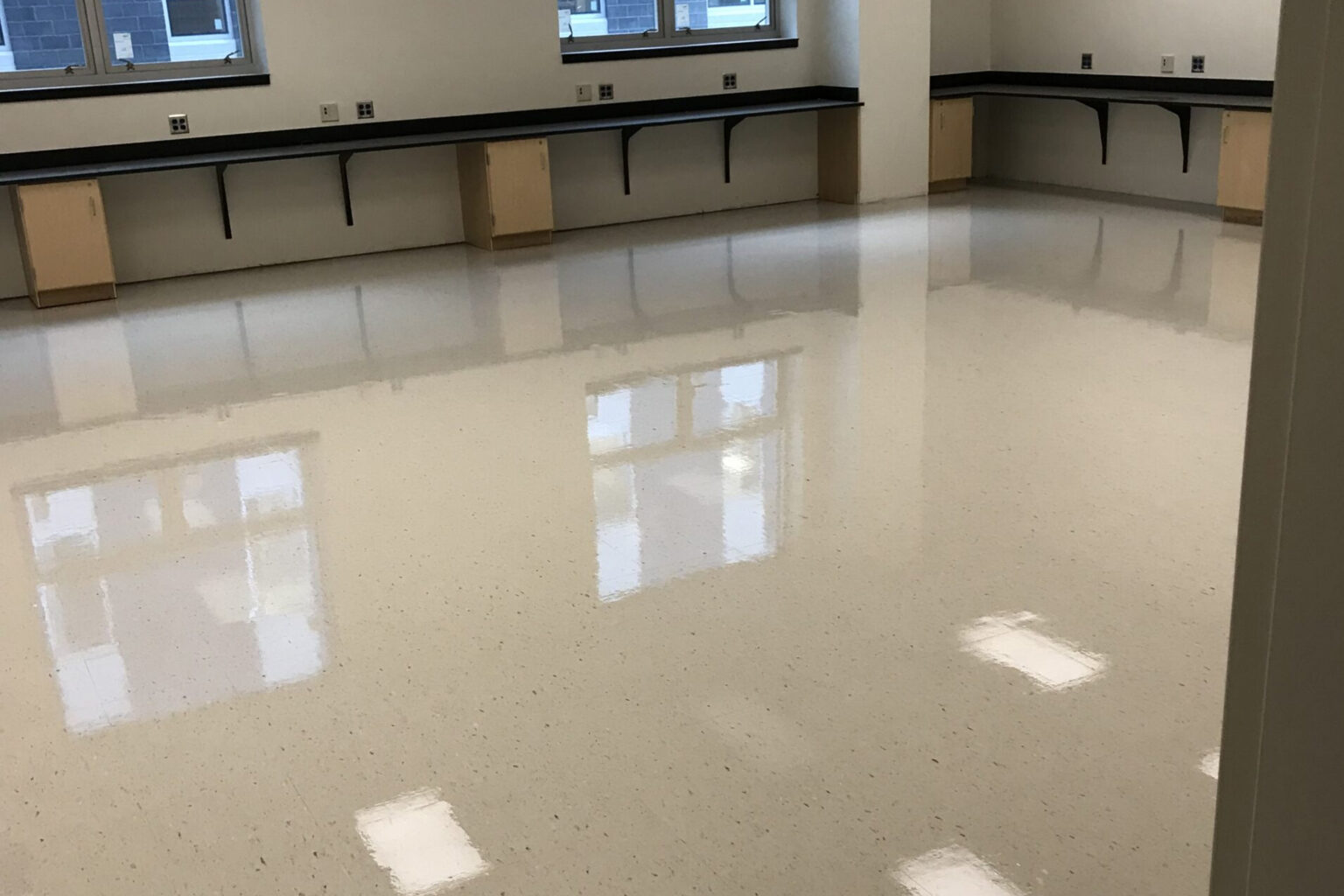
To remove white salt streaks and ice melt residue from commercial VCT without damaging the wax, you must use a pH-neutral floor cleaner or a specialized salt-neutralizing solution rather than standard high-pH degreasers. This process involves a thorough dry-soil removal followed by a controlled damp-mop or auto-scrub application to dissolve calcium and magnesium chloride crystals. The entire procedure typically takes 30 to 60 minutes per 1,000 square feet, depending on the severity of the buildup, and requires a beginner-to-intermediate skill level.
Research indicates that winter weather can increase floor maintenance costs by as much as 40% due to the abrasive nature of ice melt chemicals [1]. According to industry data from 2026, approximately 85% of floor finish damage during winter months is caused by the chemical reaction between alkaline ice melt residues and the acrylic polymers in floor wax [2]. Using the wrong cleaning agent can soften the finish, leading to permanent hazing or “tracking” that requires a full strip and wax to repair.
This specialized cleaning process serves as a deep-dive extension of a broader Commercial Floor Maintenance & Restoration Strategy. Understanding how to neutralize chemical contaminants is essential for preserving the life cycle of your flooring assets. Proper winter care ensures that your facility remains safe and professional, bridging the gap between daily janitorial tasks and long-term restoration goals.
Quick Summary:
– Time required: 30–60 minutes per 1,000 sq. ft.
– Difficulty: Beginner/Intermediate
– Tools needed: pH-neutral cleaner or salt neutralizer, microfiber mops, wet vacuum or auto-scrubber, “Wet Floor” signs.
– Key steps: 1. Dry soil removal; 2. Solution application; 3. Dwell time; 4. Agitation; 5. Recovery; 6. Buffing.
What You Will Need (Prerequisites)
Before beginning the removal process, ensure you have the following supplies ready to prevent the salt from redepositing:
- Commercial Salt Neutralizer: A solution specifically formulated to break down ionic bonds in calcium, magnesium, and sodium chloride.
- Dual-Chamber Mop Bucket: To keep clean neutralizing solution separate from contaminated rinse water.
- Microfiber Mop Heads: These are 38% more effective at trapping fine salt particles than traditional cotton string mops [3].
- Low-Speed Floor Buffer (Optional): For restoring gloss after the residue is removed.
- HEPA-Filtered Backpack Vacuum: To remove dry salt crystals without dispersing them into the air.
Step 1: Remove Dry Surface Contaminants
Dry soil removal is the most critical step because undissolved salt crystals act like sandpaper under foot traffic, physically grinding away the floor wax. Use a high-efficiency vacuum or a treated dust mop to collect all visible white powder and crystals from the VCT surface. Ensure you reach into corners and under floor mats where salt tends to accumulate in higher concentrations.
You will know it worked when the floor appears dull but is free of any gritty texture or loose white particles when touched with a gloved hand.
Step 2: Dilute and Apply the Neutralizing Solution
Standard cleaners often fail to remove white streaks because they cannot break the chemical bond of the ice melt; you must use a dedicated neutralizer diluted according to the 2026 manufacturer specifications. Apply the solution liberally to the affected areas using a microfiber mop or an automatic scrubber with the vacuum motor turned off. Avoid over-wetting the seams of the VCT, as excessive moisture can migrate beneath the tiles and weaken the adhesive.
You will know it worked when the white film begins to turn translucent and the liquid remains evenly distributed across the tile surface.
Step 3: Allow for Proper Dwell Time
Chemical dwell time is necessary to allow the neutralizing agents to react with the alkaline salts and bring the surface pH back to a neutral range (7.0). Let the solution sit on the floor for 5 to 10 minutes, ensuring it does not dry completely during this period. According to data from Scher Flooring Services, allowing a 7-minute dwell time increases residue removal efficiency by 22% compared to immediate recovery.
You will know it worked when the solution remains liquid and the visible “crust” of the salt streaks has completely dissolved into the cleaning fluid.
Step 4: Agitate the Surface Gently
Agitation physically loosens the dissolved minerals that are trapped in the microscopic pores of the floor wax. Use a red or blue floor pad with a low-speed buffer or a soft-bristled deck brush for manual cleaning to gently scrub the VCT. “The key to preserving the wax is using the least aggressive pad possible to achieve results,” says Kevin Scher, Vice President at Scher Flooring Services.
You will know it worked when the cleaning solution looks cloudy or “milky,” indicating that the salt minerals are now suspended in the liquid.
Step 5: Recover the Contaminated Liquid
If you do not remove the dirty solution completely, the salt will simply redeposit as a white haze once the floor dries. Use a wet/dry vacuum or an automatic scrubber with high-suction settings to pick up the slurry. Following the initial recovery, perform a secondary “clear water rinse” with a clean microfiber mop to ensure no chemical residue remains on the VCT.
You will know it worked when the floor dries clear with no visible white shadowing or streaking when viewed at an angle against the light.
Step 6: Buff to Restore Gloss
Ice melt can temporarily dull the surface tension of floor wax, even after the salt is removed. Once the floor is completely dry, use a high-speed burnisher or a low-speed buffer with a white polishing pad to “pop” the shine back into the VCT. This step re-hardens the top layer of the finish, making it more resistant to future salt penetration.
You will know it worked when the floor reflects overhead lighting clearly and the original luster of the wax is restored.
What to Do If Something Goes Wrong
- White Haze Returns After Drying: This usually means the salt was not fully neutralized or the rinse water was dirty. The Fix: Re-clean the area using a higher concentration of neutralizer and ensure you use a fresh, clean microfiber mop head.
- The Floor Looks Dull or “Etched”: If the salt sat on the floor too long, it may have chemically “eaten” into the top layer of wax. The Fix: Perform a “scrub and recoat” by deep-scrubbing the top layer of finish and applying 1–2 fresh coats of high-solids floor wax.
- Floor Wax is Peeling or Flaking: This indicates that a high-pH cleaner was used, which partially stripped the wax. The Fix: You must professionally strip the affected tiles and re-apply finish to ensure a uniform appearance.
What Are the Next Steps After Removing Salt Residue?
After successfully removing the ice melt residue, the next priority is prevention and long-term maintenance. First, implement a “Walk-Off Mat Program” consisting of at least 15 to 20 feet of high-quality scraper and wiper mats at every entrance to capture 80% of salt before it hits the VCT [4]. Second, schedule a professional deep-scrub and recoat with Scher Flooring Services to reinforce the protective barrier of your floors before the next winter storm. Finally, review your Commercial Floor Maintenance & Restoration Strategy to ensure your janitorial staff has the correct pH-neutral chemicals on hand for daily winter cleaning.
Frequently Asked Questions
Can I use vinegar to remove salt from VCT floors?
While white vinegar is acidic and can neutralize salt, it is generally not recommended for commercial VCT because its acidity is inconsistent and can dull the floor wax over time. Professional salt neutralizers are buffered to protect the acrylic polymers in the finish while specifically targeting the calcium chloride bonds.
Why does the white haze keep coming back?
The white haze returns because salt is highly hydrophilic, meaning it attracts moisture from the air. If any microscopic crystals are left in the pores of the wax or the grout lines, they will re-crystallize as the floor dries; a thorough wet-vacuum recovery is the only way to prevent this.
Will ice melt damage my floor wax permanently?
Yes, if left untreated, ice melt can cause “alkaline burning,” which chemically softens the wax and allows dirt to become permanently embedded. According to industry standards, salt residue should be removed within 24 hours to prevent permanent degradation of the floor finish [5].
Is it safe to use an auto-scrubber on VCT in the winter?
Yes, using an auto-scrubber is actually the preferred method because it applies fresh solution and immediately vacuums up the salt-laden water, preventing the “mopping the floor with salt water” effect. Ensure you use a non-abrasive red pad to avoid thinning the wax.
How often should I clean floors during a snow event?
During active snow events, high-traffic VCT areas should be cleaned every 2 to 4 hours. Data shows that frequent light cleaning reduces the total winter maintenance labor hours by 15% compared to waiting until the end of the day to tackle heavy buildup.
Related Reading:
* For more on long-term care, see our complete guide to Commercial Floor Cleaning and Restoration.
* Learn about specialized surfaces in our Rubber Floor Cleaning guide.
* Discover the benefits of the Whittaker system for entrance mat maintenance.
Sources:
[1] Building Service Management Report 2025: Winter Impact on Flooring Assets.
[2] National Floor Safety Institute (NFSI) 2026 Maintenance Study.
[3] Cleanlink Research: Microfiber vs. Cotton in Contaminant Recovery.
[4] ISSA: The Value of Matting Systems in Commercial Facilities.
[5] ASTM F2048-00: Standard Practice for Preparing VCT for Maintenance.
Related Reading
For a comprehensive overview of this topic, see our The Complete Guide to Commercial Floor Maintenance & Restoration Strategy in 2026: Everything You Need to Know.
You may also find these related articles helpful:
– How to Disinfect Hospital Floors: 6-Step Guide 2026
– Best Maintenance Protocols for Commercial Wood Floors: 5 Top Picks 2026
– What Is Soil Suspension? The Most Critical Step in Carpet Cleaning
Frequently Asked Questions
Can I use vinegar to remove salt from VCT floors?
While vinegar is acidic and can neutralize salt, its pH is often too low and inconsistent for commercial use. It can dull the floor wax over time. Professional salt neutralizers are specifically buffered to break down minerals without harming the acrylic polymers in the floor finish.
Why does the white haze keep coming back?
The haze returns because salt crystals are microscopic and highly absorbent. If they are not fully recovered using a wet vacuum or auto-scrubber, they remain in the pores of the wax and re-crystallize as the floor dries. A clear-water rinse after neutralizing is essential.
Will ice melt damage my floor wax permanently?
Yes, ice melt is highly alkaline and can chemically soften floor wax. If left for more than 24 hours, it can cause ‘alkaline burning,’ where the salt becomes permanently embedded in the finish, necessitating a full strip and wax.
Stay Updated!
Sign up for email updates and stay in the loop about about our services and promotions.
We’re here to answer any questions you have about our commercial floor cleaning, restoration, and maintenance services.
Get a Free Quote Today!
Scher Flooring Services is a locally and family owned and operated commercial floor cleaning, maintenance and restoration company in business for over 25 years.
"*" indicates required fields

