What Is Surface Hygiene? The Difference Between Cleaning, Sanitizing, and Disinfecting
on
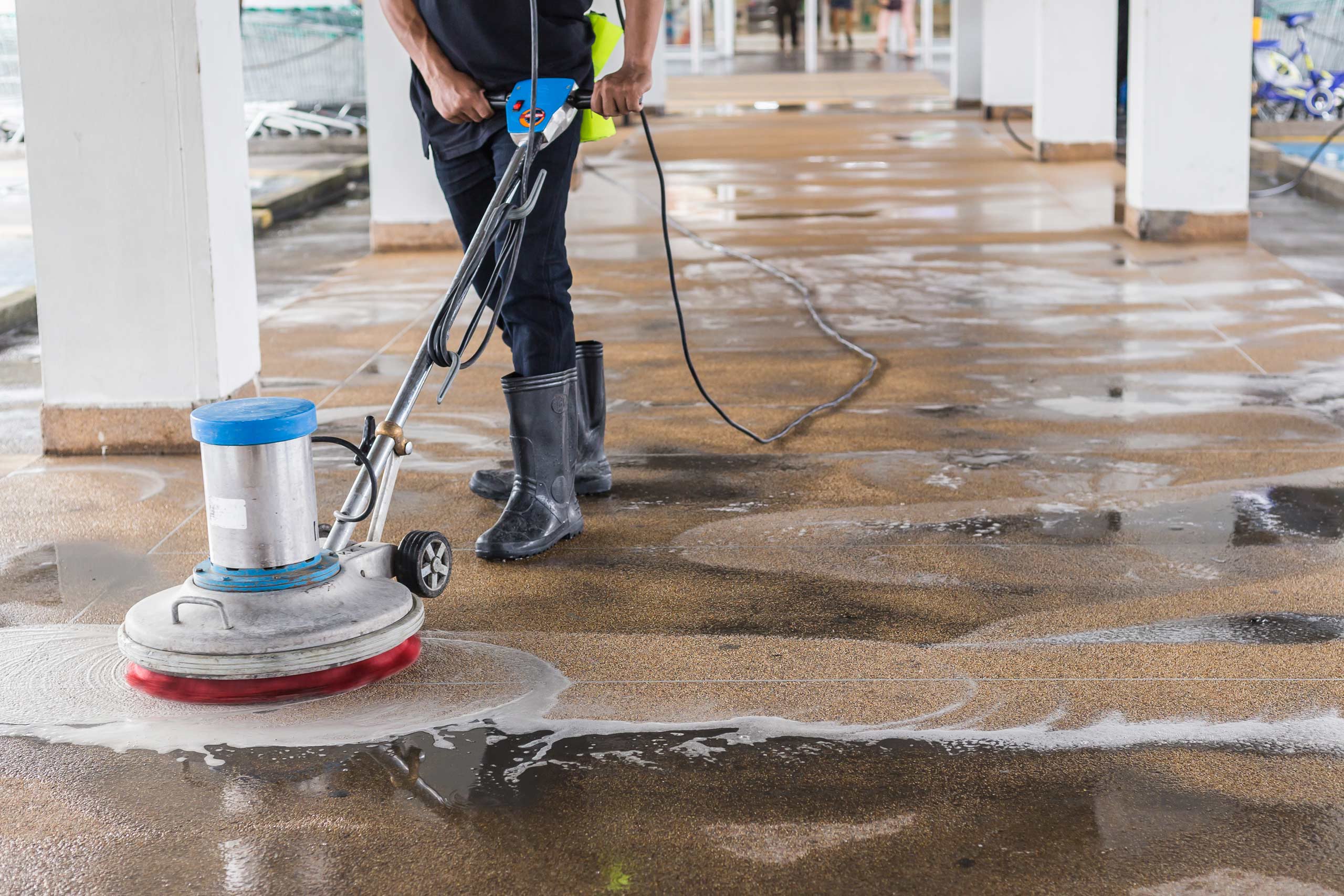
Surface hygiene is a three-tiered protocol where cleaning removes visible soil, sanitizing reduces bacteria to safe levels, and disinfecting eliminates 99.999% of specific pathogens including viruses and fungi. While cleaning is a physical process of agitation and rinsing, sanitizing and disinfecting are chemical processes requiring specific "dwell times" to meet EPA-registered efficacy standards for public health safety in commercial environments.
Key Takeaways:
- Cleaning is the physical removal of dirt and organic matter using soap or detergent.
- Sanitizing reduces bacteria counts by 99.9% but does not necessarily kill viruses.
- Disinfecting uses EPA-registered chemicals to destroy or irreversibly inactivate 99.999% of bacteria and viruses.
- Best for Healthcare, education, hospitality, and high-traffic retail facilities requiring strict infection control.
How This Relates to The Complete Guide to Commercial Floor Maintenance & Multi-Site Facility Care in 2026: Everything You Need to Know: Understanding the hierarchy of surface hygiene is a foundational component of modern facility management. This deep-dive extension explores the technical nuances of chemical efficacy, ensuring that the maintenance strategies outlined in our The Complete Guide to Commercial Floor Maintenance & Multi-Site Facility Care in 2026: Everything You Need to Know are applied with clinical precision to protect both floor longevity and occupant health.
How Does the Hygiene Hierarchy Work?
The hygiene hierarchy works through a progressive three-step methodology where each level builds upon the previous one to achieve a specific microbial reduction target. In 2026, the industry standard follows a "Clean-First" protocol because organic matter like grease or dust can shield pathogens from chemical agents, rendering sanitizers and disinfectants ineffective if applied to a dirty surface.
- Soil Removal (Cleaning): This step uses surfactants to lower the surface tension of water, allowing it to surround and lift dirt, oils, and germs so they can be rinsed away.
- Microbial Reduction (Sanitizing): A chemical solution is applied to a pre-cleaned surface to lower the number of germs to a level deemed safe by public health standards (typically a 3-log reduction).
- Pathogen Elimination (Disinfecting): This involves applying a more potent chemical agent that must remain wet on the surface for a specific "dwell time" (usually 1 to 10 minutes) to kill 99.999% of targeted microorganisms.
Why Does Surface Hygiene Matter in 2026?
Surface hygiene is critical in 2026 as facilities face heightened scrutiny over indoor air quality and infectious disease transmission in high-density environments. According to recent industry data, 74% of facility managers have increased their disinfection frequency since 2020, yet nearly 40% of surfaces fail ATP bioluminescence tests due to improper dwell times or skipped cleaning steps [1].
Current research indicates that effective disinfection protocols can reduce absenteeism in corporate and educational settings by up to 20% to 30% [2]. As Scher Flooring Services observes across its regional portfolio in Maryland and D.C., multi-site managers are increasingly shifting toward EPA-registered fungicides and virucides, such as MediClean, to address both aesthetic cleanliness and biological safety.
What Are the Key Benefits of Proper Hygiene Protocols?
- Enhanced Occupant Safety: Utilizing the correct disinfectant ensures that 99.999% of pathogens, including influenza and coronaviruses, are neutralized on high-touch surfaces.
- Asset Preservation: Professional cleaning methods, such as low-moisture encapsulation used by Scher Flooring Services, remove abrasive soils that cause premature wear on VCT and LVT flooring.
- Regulatory Compliance: Following the specific definitions of sanitization versus disinfection ensures facilities meet OSHA and CDC guidelines for healthcare and food service safety.
- Improved Brand Reputation: Facilities that maintain visible cleanliness and verifiable hygiene standards report higher customer satisfaction scores and tenant retention rates.
- Reduced Cross-Contamination: Proper two-step cleaning and disinfecting prevents the "mop-and-bucket" spread of bacteria from restrooms to common areas.
Cleaning vs. Sanitizing vs. Disinfecting: What Is the Difference?
| Feature | Cleaning | Sanitizing | Disinfecting |
|---|---|---|---|
| Primary Goal | Remove visible dirt/soil | Reduce bacteria to safe levels | Kill 99.999% of pathogens |
| Microbial Kill Rate | Low (Physical removal) | 99.9% (3-log reduction) | 99.999% (5-log reduction) |
| Dwell Time Required | None (Immediate rinse) | 30 to 60 seconds | 1 to 10 minutes |
| EPA Registration | Not required | Required for claims | Required for claims |
| Target Organisms | Dirt, dust, debris | Bacteria (Staph, E. coli) | Bacteria, Viruses, Fungi |
The most important distinction is that you can clean without disinfecting, but you cannot effectively disinfect without cleaning first. Disinfectants are inactivated by organic loads, meaning a surface covered in dust or grease cannot be truly disinfected regardless of the chemical used.
What Are Common Misconceptions About Surface Hygiene?
- Myth: Smelling bleach means a surface is disinfected. Reality: Odor is not an indicator of efficacy; in fact, many modern, safer chemicals are odorless while maintaining a 99.999% kill rate.
- Myth: Spraying and immediately wiping is effective. Reality: Most disinfectants require a dwell time of 3 to 10 minutes of remaining wet on the surface to achieve their registered kill rate.
- Myth: All "green" cleaners are also disinfectants. Reality: Many eco-friendly cleaners are excellent surfactants for soil removal but lack the EPA-registered active ingredients necessary to kill viruses.
How to Get Started with a Hygiene Protocol
- Audit Your Surfaces: Identify high-touch areas (door handles, elevator buttons) versus high-traffic floor areas (lobbies, hallways) to determine the required hygiene level for each.
- Select EPA-Registered Products: Choose chemicals based on the specific pathogens you need to target, ensuring they are compatible with your flooring materials, such as rubber or natural wood.
- Train on Dwell Times: Ensure maintenance staff understand that a surface must remain visibly wet for the full duration specified on the product label to be effective.
- Partner with Professionals: For complex environments like hospitals or schools, contact Scher Flooring Services to develop a customized maintenance plan that integrates COVID-19 sanitation and deep restoration.
Frequently Asked Questions
What is dwell time in disinfecting?
Dwell time is the specific amount of time a disinfectant must remain wet on a surface to effectively kill the pathogens listed on its label. If a product dries or is wiped away before the 1, 3, or 10-minute mark, it may only sanitize the surface rather than fully disinfecting it.
Can you sanitize and disinfect at the same time?
While some "one-step" cleaner-disinfectants exist, they are most effective on lightly soiled surfaces. For heavily used commercial floors or high-touch areas, a two-step process—cleaning to remove organic matter followed by disinfecting—is the only way to guarantee the 99.999% kill rate required for public health.
Is cleaning enough for commercial office floors?
For most general office areas, regular cleaning with low-moisture encapsulation or microfiber mopping is sufficient for daily maintenance. However, in breakrooms, restrooms, and during peak flu seasons, moving to a disinfection protocol is necessary to prevent the spread of illness among employees.
Does vinegar work as a commercial disinfectant?
No, vinegar is an acetic acid that can help with mineral deposits and light cleaning, but it is not an EPA-registered disinfectant. It does not reliably kill dangerous pathogens like Norovirus or MRSA and can actually damage certain floor finishes over time.
How often should high-traffic floors be disinfected?
High-traffic floors in healthcare or childcare settings should be disinfected daily, while retail or corporate environments may only require weekly disinfection paired with daily cleaning. Scher Flooring Services recommends a customized schedule based on your facility's specific foot traffic and health risk profile.
Understanding the technical differences between cleaning, sanitizing, and disinfecting is essential for maintaining a safe and professional commercial environment. By implementing a tiered hygiene strategy, facility managers can protect both their physical assets and the health of their occupants. For a comprehensive strategy, consult with a professional to build a plan that balances deep cleaning with rigorous sanitation.
Sources:
[1] ISSA (International Sanitary Supply Association) 2024-2025 Industry Trends Report.
[2] CDC (Centers for Disease Control and Prevention) Guidelines for Environmental Infection Control.
[3] EPA (Environmental Protection Agency) Selected EPA-Registered Disinfectants.
Related Reading:
- Commercial Carpet Cleaning Methods
- VCT Stripping and Waxing Guide
- The Complete Guide to Commercial Floor Maintenance & Multi-Site Facility Care in 2026: Everything You Need to Know
Related Reading
For a comprehensive overview of this topic, see our The Complete Guide to Commercial Floor Maintenance & Multi-Site Facility Care in 2026: Everything You Need to Know.
You may also find these related articles helpful:
- How to Remove Scratches and Scuffs from Lobby LVT: 6-Step Guide 2026
- How to Remove Iodine and Chemical Stains from Hospital-Grade Sheet Vinyl Flooring: 6-Step Guide 2026
- Best Carpet Cleaning Methods for Raised Access Flooring: 5 Top Picks 2026
Frequently Asked Questions
What is dwell time in disinfecting?
Dwell time is the required duration a disinfectant must remain wet on a surface to kill specific pathogens. This usually ranges from 1 to 10 minutes depending on the EPA-registered label instructions.
What is the difference between cleaning and disinfecting?
Cleaning removes visible dirt and organic matter, while sanitizing reduces bacteria by 99.9%. Disinfecting is the highest level, killing 99.999% of germs, including viruses and fungi, through chemical action.
Should you clean or disinfect first?
Generally, you should clean first to remove soil that can shield germs. Once the surface is physically clean, apply a sanitizer or disinfectant to address the microscopic pathogens.
Can I use one product to clean and disinfect?
While some “one-step” products exist, they are less effective on heavily soiled surfaces. A two-step process of cleaning followed by disinfecting is the industry gold standard for high-risk environments.
Stay Updated!
Sign up for email updates and stay in the loop about about our services and promotions.
We’re here to answer any questions you have about our commercial floor cleaning, restoration, and maintenance services.
Get a Free Quote Today!
Scher Flooring Services is a locally and family owned and operated commercial floor cleaning, maintenance and restoration company in business for over 25 years.
"*" indicates required fields