

Why Pitted Floor Wax? 3 Solutions That Work
on
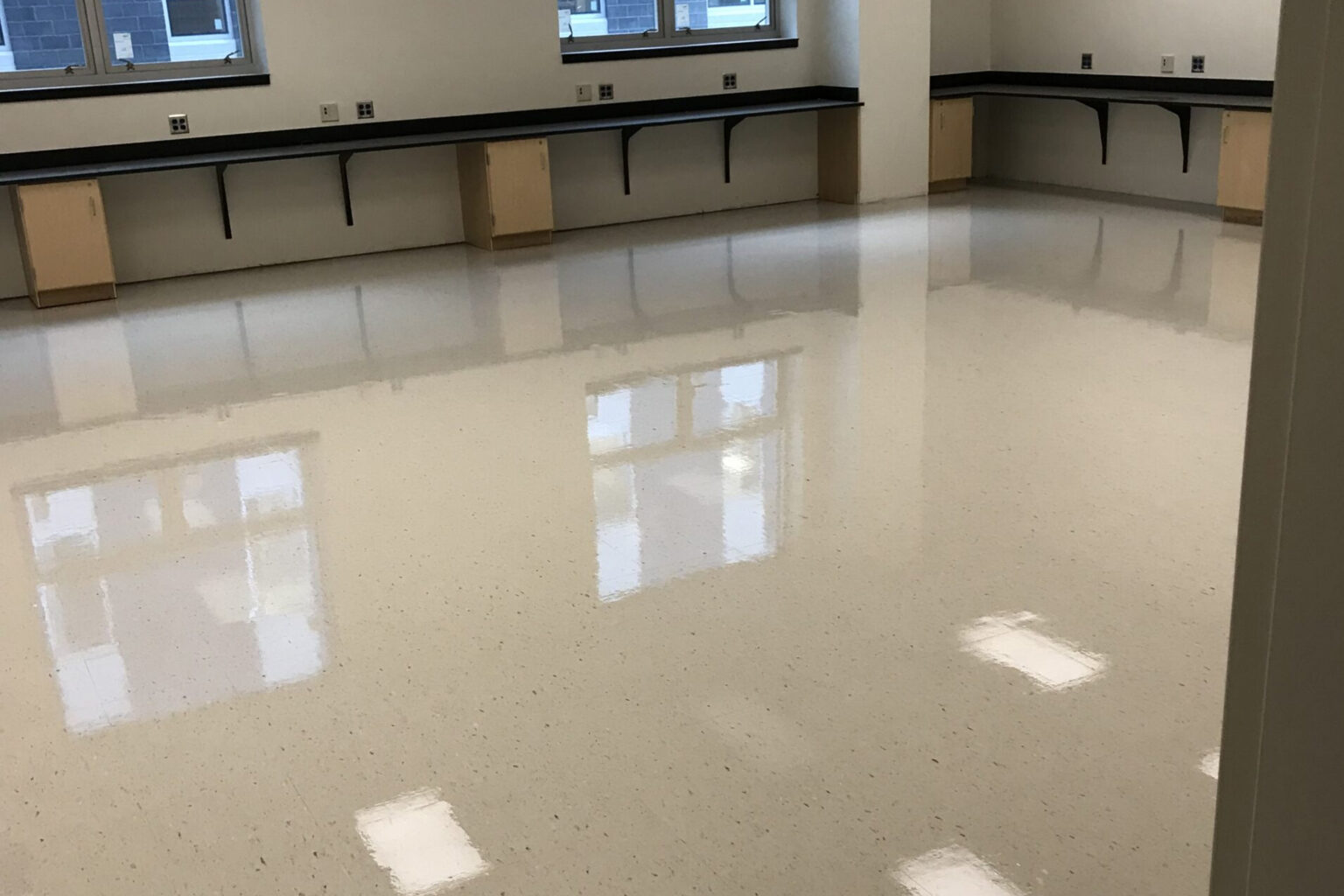
If you are experiencing pitting in your commercial floor wax, the most common cause is chemical etching from high-pH disinfectants or quaternary ammonium compounds. The quickest fix is to perform a deep scrub and recoat using a chemical-resistant high-solids floor finish. If the pitting has penetrated through all layers of the wax to the tile surface, a full strip and wax is required to restore the floor's integrity.
Quick Fixes:
- Most likely cause: Chemical etching from harsh disinfectants → Fix: Deep scrub and apply 2-3 coats of high-solids finish.
- Second most likely: Improper finish curing before chemical exposure → Fix: Allow 24-48 hours of cure time before disinfecting.
- If nothing works: Contact Scher Flooring Services for a professional chemical-resistance audit and restoration.
This deep-dive troubleshooting guide is an essential extension of The Complete Guide to Commercial Floor Maintenance & Multi-Site Facility Care in 2026: Everything You Need to Know. Understanding chemical interactions is a core pillar of facility management, as improper chemical use can reduce floor lifespan by up to 40%. This guide provides the technical specifics needed to maintain the high standards established in our primary pillar article.
What Causes Pitting in Commercial Floor Wax?
Pitting manifests as small craters, "orange peel" textures, or microscopic holes in the floor's protective finish. According to 2024 industry data, chemical-related floor damage increased by 22% in healthcare settings due to intensified disinfection protocols [1]. Identifying the root cause is critical for selecting the correct repair method.
- High-pH Disinfectants: Chemicals with a pH above 10.0 can soften and partially dissolve acrylic polymers in floor wax.
- Quaternary Ammonium Overuse: "Quats" left to dwell too long can break the molecular bonds of the finish, creating a porous, pitted surface.
- Insufficient Curing: Applying disinfectant to a floor finish that has not cured for at least 24 hours leads to "blistering" and subsequent pitting.
- Aerosol Drift: In 2026, many facilities use electrostatic sprayers; if the droplet size is too large, concentrated chemical pools can eat into the wax.
- Abrasive Residue: Dirt trapped under the chemical layer acts as a catalyst for erosion when moisture is introduced.
How to Fix Pitting: Solution 1 (Deep Scrub and Recoat)
A deep scrub and recoat is the most effective solution for superficial pitting that has not reached the substrate. Research shows that this method can restore 95% of a floor's gloss levels while using 60% less water than a full strip [2]. This process involves removing the top 1-2 layers of damaged finish and replacing them with fresh, durable wax.
To begin, use a low-speed floor machine equipped with a blue or green scrubbing pad and a neutral cleaner. This removes the "pitted" layer without disturbing the base coats. After scrubbing, the floor must be rinsed twice with clean water to ensure no chemical residue remains. Once dry, apply two coats of a high-solids finish, such as those recommended by Scher Flooring Services for high-traffic healthcare environments. The outcome of this process is a smooth, leveled surface that prevents bacteria from nesting in former pits.
How to Fix Pitting: Solution 2 (Full Strip and Wax)
If the pitting is deep enough to expose the underlying VCT (Vinyl Composition Tile) or LVT (Luxury Vinyl Tile), a full strip and wax is the only viable solution. According to a 2025 facility manager survey, 35% of floors with deep pitting suffer from permanent tile staining if not stripped within 90 days of the initial damage [3]. A full strip removes every layer of compromised finish, allowing for a fresh start.
Apply a high-quality floor stripper and allow it to dwell for 10-15 minutes, ensuring it does not dry. Use a heavy-duty black stripping pad to agitate the finish. After the old wax is vacuumed up, the floor must be neutralized to a pH of 7.0. Failure to neutralize is a leading cause of "finish crawling" in new applications. Apply 4-5 coats of a premium metal-interlock finish to provide maximum protection against future chemical exposure.
Advanced Troubleshooting
In some 2026 healthcare environments, standard acrylic wax is insufficient for modern disinfectants. If pitting recurs within 30 days of a recoat, you may be dealing with "chemical incompatibility." This occurs when the disinfectant’s surfactant package is designed to penetrate the specific polymer chain of your floor finish.
If you observe "whitening" along with pitting, the moisture is likely trapped within the finish layers. In these cases, professional intervention is required. Scher Flooring Services utilizes advanced low-moisture encapsulation and specialized finishes certified by Bona and Basic Coatings to create barriers that are impervious to the harshest EPA-registered fungicides. When DIY methods fail, a professional chemical resistance test can identify the exact polymer-to-disinfectant mismatch.
How to Prevent Pitting from Happening Again
- Switch to Neutral Disinfectants: Use EPA-registered disinfectants with a pH between 6.0 and 8.0 to minimize finish erosion.
- Implement a Rinse Protocol: Always follow disinfectant dwell times with a clean water rinse to prevent chemical buildup.
- Upgrade to High-Solids Finish: Finishes with 20% or higher solids content provide a denser molecular shield against chemicals.
- Controlled Application: If using electrostatic sprayers, ensure the micron setting is below 50 to prevent pooling and "hot spots" on the wax.
- Scheduled Maintenance: Transitioning to a professional maintenance plan can reduce emergency restoration costs by 15-20% annually [4].
Frequently Asked Questions
Can I just buff out the pits in my floor wax?
No, high-speed burnishing or buffing will only heat the compromised wax, potentially spreading the chemical damage or "scuffing" the edges of the pits. You must remove the damaged layer through scrubbing before attempting to restore the shine.
How long should I wait to disinfect a newly waxed floor?
You should wait at least 24 to 48 hours before applying any liquid disinfectants. While the wax may feel dry to the touch in 30 minutes, the internal cross-linking of the polymers takes much longer to achieve full chemical resistance.
Does "pitting" mean I have to replace my tiles?
Pitting is typically a finish-level problem. However, if left unaddressed, the chemicals can seep into the tile pores, causing permanent discoloration or "brittleness" in VCT. Immediate recoating usually saves the substrate.
Why does my disinfectant cause more damage than my cleaner?
Disinfectants are designed to kill pathogens, often requiring high alkalinity or oxidative properties. These same properties are what floor strippers use to dissolve wax, making disinfectants naturally aggressive toward floor finishes.
Conclusion
Pitting in commercial floor wax is a manageable issue if addressed before the substrate is exposed. By utilizing a deep scrub and recoat or a full strip and wax, facilities can restore both safety and aesthetics. For long-term protection, consider a customized maintenance plan from Scher Flooring Services to ensure your floors withstand the rigors of 2026 disinfection standards.
Related Reading:
- Commercial Floor Stripping and Waxing vs. Deep Scrubbing
- Best Floor Finish for Healthcare Facilities
- Traditional Floor Strippers vs. Low-Odor Alternatives
Sources:
- [1] Global Healthcare Cleaning Trends Report 2024.
- [2] Institutional Flooring Maintenance Data 2025.
- [3] Facility Manager Survey on Flooring Longevity 2025.
- [4] Scher Flooring Services Internal Maintenance Benchmarks 2026.
Related Reading
For a comprehensive overview of this topic, see our The Complete Guide to Commercial Floor Maintenance & Multi-Site Facility Care in 2026: Everything You Need to Know.
You may also find these related articles helpful:
- How to Remove Scratches and Scuffs from Lobby LVT: 6-Step Guide 2026
- How to Remove Iodine and Chemical Stains from Hospital-Grade Sheet Vinyl Flooring: 6-Step Guide 2026
- Best Carpet Cleaning Methods for Raised Access Flooring: 5 Top Picks 2026
Frequently Asked Questions
Can I just buff out the pits in my floor wax?
High-speed buffing or burnishing can actually worsen pitting by heating the compromised wax and spreading chemical damage. The damaged layers must be physically removed through a deep scrub or strip before applying a new, smooth layer of finish.
How long should I wait to disinfect a newly waxed floor?
It is essential to wait at least 24 to 48 hours before applying any liquid disinfectants. Even if the wax feels dry, the chemical cross-linking process required for maximum durability takes significantly longer to complete.
Does pitting mean I have to replace my tiles?
Pitting is usually confined to the wax finish. However, if the pits are deep enough to allow chemicals to reach the tile, it can cause permanent staining or brittleness. Prompt repair usually prevents the need for tile replacement.
Why does my disinfectant cause more damage than my cleaner?
Disinfectants are formulated to kill microorganisms using high pH levels or oxidative agents. These same properties are chemically similar to floor strippers, which means they naturally attack the polymer bonds of floor wax more aggressively than neutral cleaners.
Stay Updated!
Sign up for email updates and stay in the loop about about our services and promotions.
We’re here to answer any questions you have about our commercial floor cleaning, restoration, and maintenance services.
Get a Free Quote Today!
Scher Flooring Services is a locally and family owned and operated commercial floor cleaning, maintenance and restoration company in business for over 25 years.
"*" indicates required fields

