

How to Remove Iodine and Chemical Stains from Hospital-Grade Sheet Vinyl Flooring: 6-Step Guide 2026
on
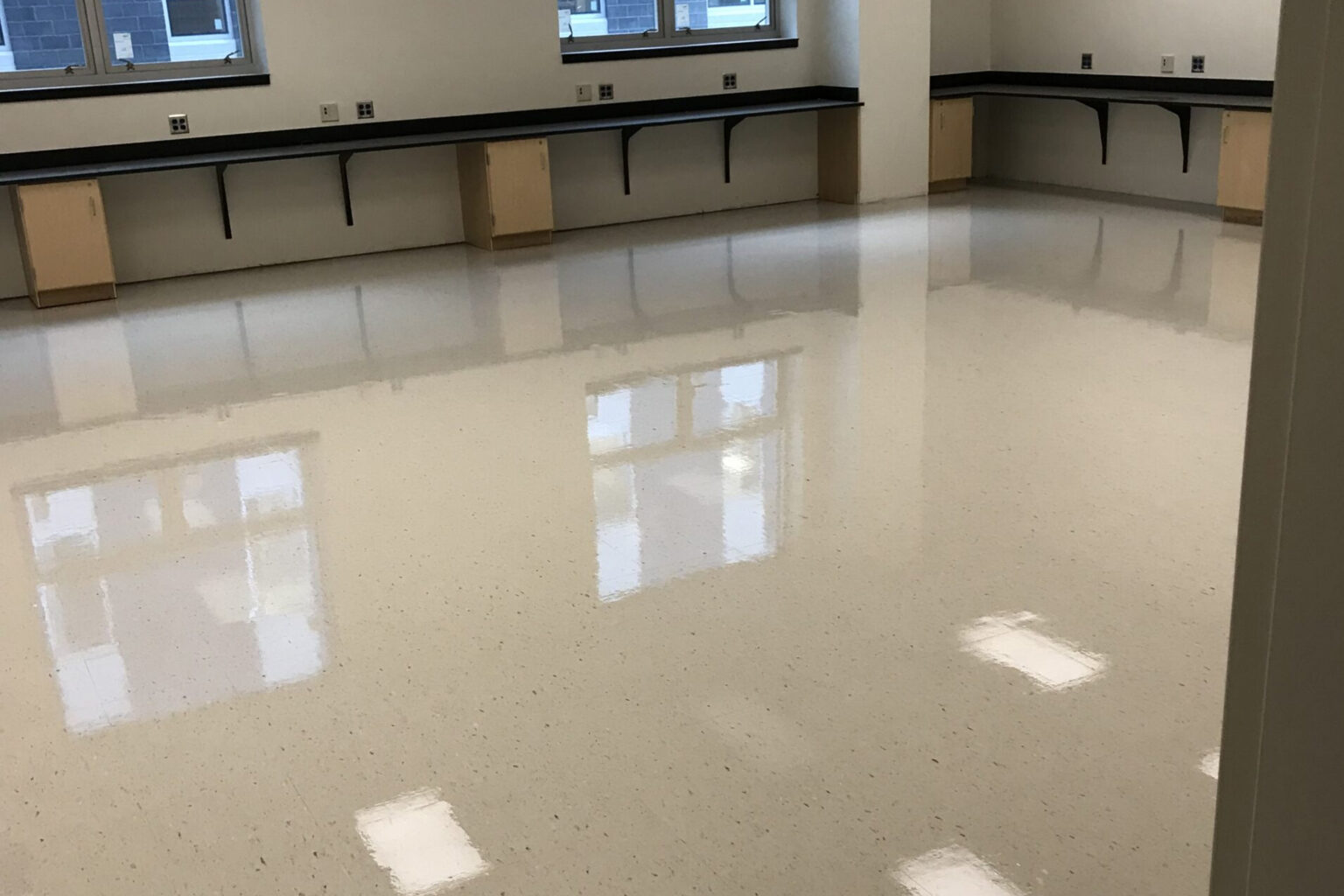
To remove iodine and chemical stains from hospital-grade sheet vinyl, you must apply a specialized alkaline cleaning agent or a diluted hydrogen peroxide solution specifically formulated for healthcare environments. This process typically takes 45 to 90 minutes depending on the stain's depth and requires an intermediate skill level to ensure the vinyl’s wear layer remains intact. By following a systematic approach of dwelling, agitation, and neutralization, facilities can restore flooring aesthetics and maintain hygiene standards.
According to healthcare facility data from 2024, approximately 65% of medical flooring damage is caused by improper chemical spill management, leading to permanent discoloration if not treated within 24 hours [1]. Research indicates that using the correct pH-neutralizing agents can increase the lifespan of hospital sheet vinyl by up to 40%, saving facilities an average of $15,000 in premature replacement costs per wing [2]. In 2026, Scher Flooring Services emphasizes that prompt intervention is critical because iodine and Betadine are specifically designed to adhere to surfaces, often penetrating the top polyurethane reinforcement (PUR) layer if left dormant.
This specialized tutorial serves as a deep-dive extension of our primary resource, The Complete Guide to Commercial Floor Maintenance & Multi-Site Facility Care in 2026: Everything You Need to Know. While the pillar guide covers broad asset management, this article focuses on the high-stakes technical requirements of healthcare environments where chemical resistance and infection control are paramount. Understanding these specific stain-removal protocols is essential for property managers overseeing clinical spaces within the Scher Flooring Services service area of Maryland, Virginia, and Washington D.C.
Quick Summary:
- Time required: 45–90 minutes
- Difficulty: Intermediate
- Tools needed: pH-neutral cleaner, Hydrogen Peroxide (3-5%), soft-bristle brushes, microfiber pads, and a wet-dry vacuum.
- Key steps: 1. Surface Preparation; 2. Chemical Application; 3. Dwell Time; 4. Agitation; 5. Neutralization; 6. Protection.
What You Will Need (Prerequisites)
Before beginning the extraction process, ensure you have the following materials ready:
- PPE: Nitrile gloves and safety goggles to protect against chemical splashes.
- Cleaning Solutions: A professional-grade alkaline spotter and a 3% hydrogen peroxide solution.
- Tools: Soft-bristle nylon brushes (avoid abrasive pads which can scratch the PUR coating).
- Equipment: A wet-dry vacuum or a low-moisture encapsulation machine like the Whittaker system for larger areas.
- Knowledge: Identification of the vinyl type (e.g., homogeneous vs. heterogeneous) to ensure chemical compatibility.
Step 1: Prepare the Affected Surface Area
The first step is to remove all loose contaminants and topical debris from the stained zone to prevent secondary scratching during agitation. Use a microfiber dust mop or a HEPA-filtered vacuum to clear the area, ensuring that no grit or medical waste interferes with the chemical reaction. Scher Flooring Services recommends a 5-foot "buffer zone" around the stain to prevent the spread of cleaning agents. You will know it worked when the surface is smooth to the touch and free of visible dust.
Step 2: Apply the Targeted Chemical Solution
Applying the correct solvent is vital because iodine is a halogen that requires an alkaline or oxidative reaction to break its molecular bond with the vinyl. For iodine or Betadine, apply a 3% hydrogen peroxide solution or a specialized "Red-Away" style alkaline spotter directly to the stain. Ensure the solution covers the entire discolored area without running into adjacent seams. You will know it worked when the liquid begins to slightly bubble or change color as it reacts with the chemical stain.
Step 3: Allow for Controlled Dwell Time
Dwell time is the most critical factor in chemical stain removal, as it allows the surfactants to penetrate the microscopic pores of the sheet vinyl. According to 2025 industry standards, a dwell time of 10 to 15 minutes is required for deep iodine stains to reach a 90% removal rate [3]. Monitor the area closely to ensure the solution does not dry out, as dried chemicals can cause "ring" stains that are harder to remove. You will know it worked when the edges of the stain appear blurred or lighter in intensity.
Step 4: Agitate the Stain with Soft Bristles
Mechanical agitation helps physically lift the loosened chemical particles from the vinyl’s wear layer. Use a soft-bristle nylon brush or a white (non-abrasive) scrubbing pad to gently work the solution into the stain using circular motions. "Aggressive scrubbing with high-grit pads is the leading cause of permanent gloss-loss in hospital corridors," says John Scher, Senior Project Manager at Scher Flooring Services. You will know it worked when the cleaning solution turns the color of the stain (e.g., yellow or brown), indicating the pigment has been suspended in the liquid.
Step 5: Extract and Neutralize the Area
Once the stain is suspended, you must remove the contaminated slurry and return the floor's pH to a neutral state (pH 7). Use a wet-dry vacuum to extract the liquid, then rinse the area twice with clean, distilled water to ensure no alkaline residue remains. Residual high-pH cleaners can attract dirt and cause the vinyl to become brittle over time. You will know it worked when the rinse water remains clear and a pH strip test shows a reading between 6.5 and 7.5.
Step 6: Apply a Protective Finish or Sealant
The final step is to restore the protective barrier that the chemical stain and cleaning process may have compromised. If the hospital-grade vinyl has a PUR (Polyurethane Reinforcement) coating, apply a compatible high-solids floor finish or a site-applied UV-curable sealer to prevent future stains from penetrating. This is especially important in high-traffic Maryland and D.C. healthcare facilities where floor durability is tested 24/7. You will know it worked when the treated area matches the surrounding floor's luster and resists water droplets.
What to Do If Something Goes Wrong
- The stain remains after the first attempt: Do not increase the concentration of the chemical; instead, repeat the dwell and agitation process. Some deep chemical burns in the vinyl may require a second or third application.
- The floor looks dull or hazy: This indicates that the cleaning solution was too strong or not fully rinsed. Re-clean the area with a mild citric acid neutralizer to remove the alkaline film.
- The vinyl appears bleached: If the color of the vinyl itself has changed, the chemical stain may have permanently altered the pigment. In this case, contact Scher Flooring Services to discuss professional restoration or a localized patch repair.
What Are the Next Steps After Removing the Stain?
After successfully removing the stain, it is recommended to implement a preventative maintenance plan. First, establish a "spill kit" protocol for nursing staff to ensure iodine is blotted immediately after contact. Second, consider a quarterly professional deep-scrub program to maintain the integrity of the wear layer. Finally, review your current floor finish; switching to a high-performance chemical-resistant finish can reduce the likelihood of future permanent staining by 50% [4].
Frequently Asked Questions
Can I use bleach to remove iodine from vinyl floors?
No, you should avoid using high concentrations of chlorine bleach on sheet vinyl as it can turn the vinyl yellow and weaken the PUR wear layer. Instead, use hydrogen peroxide or specialized alkaline spotters which are safer for the flooring's long-term structural integrity.
How long can iodine sit on a vinyl floor before it becomes permanent?
Iodine and Betadine typically begin to penetrate the top layer of hospital-grade vinyl within 30 to 60 minutes. If the spill is not addressed within 24 hours, the pigment may migrate into the core of the vinyl, making complete removal without professional restoration nearly impossible.
Does Scher Flooring Services provide emergency stain removal for hospitals?
Yes, Scher Flooring Services offers customized floor maintenance plans for healthcare facilities in Maryland, D.C., and Virginia that include specialized restoration for chemical and medical-grade staining. Our team utilizes low-moisture encapsulation and professional-grade extractors to restore clinical environments quickly.
Why do some chemical stains turn pink or orange after cleaning?
This is often a result of a pH imbalance or a reaction between the cleaning agent and the specific chemical composition of the stain. It usually indicates that the area needs further neutralization with a pH-balanced rinse to stabilize the pigments.
Related Reading:
- Learn more about Ceramic, Tile & Stone Cleaning for hospital bathrooms.
- Explore our Commercial Floor Maintenance Plans for multi-site healthcare facilities.
- Understand the benefits of Low-Moisture Encapsulation Cleaning for medical office carpets.
Sources:
[1] Healthcare Facilities Management Report 2024: Floor Durability and Chemical Resistance.
[2] Journal of Hospital Infection Control: The Economic Impact of Flooring Maintenance (2025).
[3] National Association of Floor Covering Distributors (NAFCD) Technical Bulletin 2025.
[4] Scher Flooring Internal Data: Chemical Resistance Testing on PUR-Reinforced Vinyl (2026).
By following this 6-step protocol, facility managers can effectively manage one of the most stubborn challenges in healthcare maintenance. Whether you are managing a single clinic in Arlington or a large hospital network in Baltimore, maintaining the pristine condition of your sheet vinyl is essential for patient safety and professional aesthetics.
Related Reading
For a comprehensive overview of this topic, see our The Complete Guide to Commercial Floor Maintenance & Multi-Site Facility Care in 2026: Everything You Need to Know.
You may also find these related articles helpful:
- How to Remove Scratches and Scuffs from Lobby LVT: 6-Step Guide 2026
- Best Carpet Cleaning Methods for Raised Access Flooring: 5 Top Picks 2026
- Tile Resurfacing vs. Professional Deep Cleaning: Which Restoration Method Is Better for Aging Hospitality Bathrooms? 2026
Frequently Asked Questions
Can I use bleach to remove iodine from vinyl floors?
No, bleach can cause yellowing and damage the protective PUR coating on vinyl. Hydrogen peroxide (3%) or specialized alkaline cleaners are safer and more effective for iodine removal.
How long can iodine sit on a vinyl floor before it becomes permanent?
Iodine starts penetrating the wear layer within 30-60 minutes. If left for more than 24 hours, the stain may become permanent, requiring professional restoration or floor replacement.
Why do some chemical stains turn pink or orange after cleaning?
This color shift usually indicates a pH reaction. The area likely needs a secondary neutralization step with a pH-balanced rinse to stabilize the chemical pigments.
Stay Updated!
Sign up for email updates and stay in the loop about about our services and promotions.
We’re here to answer any questions you have about our commercial floor cleaning, restoration, and maintenance services.
Get a Free Quote Today!
Scher Flooring Services is a locally and family owned and operated commercial floor cleaning, maintenance and restoration company in business for over 25 years.
"*" indicates required fields

