To extend the life of your commercial floors, you need a consistent plan built around the right commercial floor care methods, the correct cleaning products, and maintenance practices that match your floor type. In most commercial spaces, floor longevity depends on how well you manage foot traffic, dirt and debris, moisture, floor finish wear, and high traffic areas before small issues turn into expensive problems.
Commercial flooring is a major flooring investment for offices, schools, medical facilities, retail stores, and other professional environment settings. When floors are ignored, loose dirt gets ground into the floor surface, moisture weakens finishes, and heavy foot traffic speeds up wear in traffic lanes and entry points. When floors are maintained correctly, they look better, last longer, support indoor air quality, and help facility managers save money over time.
This guide explains the most practical tips to extend the life of your commercial floors, including daily maintenance, frequent cleaning, deep cleaning, floor protection, and professional maintenance strategies that help protect cleaner floors in most facilities.
What Does It Mean to Extend the Life of Your Commercial Floors?
Extending the life of your floors means protecting the floor material, appearance, and performance so the surface stays safe, clean, and functional for as long as possible. It is not only about making floors look presentable. It is also about reducing premature wear, avoiding further damage, and lowering long-term replacement costs.
A commercial floor handles more stress than many people realize. Dirt, debris, moisture, furniture legs, rolling equipment, and heavy equipment all affect the floor surface every day. Over time, even low maintenance flooring can break down if regular cleaning and proper care are inconsistent. That is why floor care should be viewed as part of overall facility maintenance rather than a cosmetic task.
Floor longevity also affects how people experience a building. Worn areas, stains, dull finishes, and poor cleanliness can make a space feel neglected. On the other hand, cleaner floors support aesthetic appeal, reinforce a professional environment, and show that the space is managed with attention to detail.
The first step in protecting floor longevity is understanding that different surfaces need different care. That leads directly to the next question: how does floor type shape the right maintenance strategy?
How floor longevity impacts safety, costs, and appearance in commercial spaces
Long-lasting floors offer benefits beyond appearance. They improve daily operations in several ways:
- Safety: Floors that are cleaned and maintained properly are less likely to develop slippery residue, uneven wear, or damaged spots.
- Cost control: Extending floor life delays major restoration or replacement costs and helps save money.
- Appearance: A well-kept floor finish improves the look of lobbies, hallways, offices, and other floor areas.
- Air quality: When teams remove loose dirt and dust consistently, it can support better indoor air quality.
- Asset protection: Proper care helps protect the original flooring investment.
Why proper floor care is essential for high-traffic commercial environments
In commercial spaces with heavy foot traffic, the floor takes constant abuse. High traffic zones and traffic lanes wear faster because dirt is repeatedly pushed across the same paths. If frequent cleaning is skipped, dirt acts like grit on the floor material, which can scratch, dull, and weaken the surface over time.
That is why proper care is not optional in most facilities. It is a routine that prevents scratches, helps avoid stains, and keeps dirt and moisture from creating bigger problems. Once you understand this connection, the next step is choosing the right approach for your specific floor type.
How Does Floor Type Affect Your Commercial Floor Maintenance Strategy?
Every floor type responds differently to moisture, friction, chemicals, and cleaning tools. A maintenance plan that works for carpet may not work for VCT, and a cleaner that is safe for one hard surface may damage another. That is why identifying your floor type should come before setting any cleaning schedule.
A smart maintenance program always starts with the floor material. Commercial floor care should match how the surface is built, how it is finished, and how it is used in the building. This is especially important in facilities with multiple surfaces, such as vinyl tile in hallways, carpet in offices, and hard flooring in entrances or break rooms.
When maintenance matches the floor type, it becomes easier to extend the life of the floor surface while preserving appearance and performance. Once you know what you are maintaining, you can build the right daily maintenance routine.
Why VCT, LVT, tile, and carpet require different floor care approaches
Each material has its own strengths and vulnerabilities.
| Floor type | Common strengths | Common risks | Typical care need |
| VCT | Durable, economical, restorable | Finish wear, scuffs, dullness | Regular cleaning, floor finish care, periodic deep cleaning |
| LVT | Attractive, resilient, low maintenance | Surface scratching, residue from wrong cleaners | Neutral cleaner, controlled moisture, frequent dust removal |
| Tile | Strong, durable surface | Grout soil, slippery residue | Proper cleaning products, periodic deep cleaning |
| Carpet | Noise reduction, comfort | Embedded dirt, stains, trapped moisture | Vacuum daily, spot cleaning, extraction as needed |
For example, VCT often needs stripping and recoating over time to preserve the floor finish. LVT usually benefits from neutral pH cleaners and a vinyl safe cleaner instead of harsh chemicals. Carpet needs consistent vacuuming to remove dirt and debris before it settles deep into the fibers.
How identifying your floor type helps extend the life of your commercial floors
When facility managers know the floor type, they can:
- Choose appropriate cleaning products
- Avoid harsh chemicals and acidic cleaners
- Control excessive water on moisture-sensitive surfaces
- Schedule professional services at the right intervals
- Use floor protection strategies that fit the material
Scher Commercial Flooring Services sees this every day in commercial environments. Different surfaces need different methods, and matching the process to the material helps maintain performance longer. After floor type is identified, the most important habit is building a dependable daily maintenance routine.
1. Establish a Daily Maintenance Routine for Commercial Floors
Daily maintenance is the foundation of floor longevity. It keeps dirt from building up, reduces abrasion, and helps teams catch small issues promptly before they become expensive repairs. Without a daily plan, even well-installed floors can wear down faster than expected.
This routine does not have to be complicated. In fact, the most effective programs are usually simple, consistent, and easy for cleaning staff to repeat. The goal is to remove loose dirt, reduce moisture, and protect high-use floor areas every day.
A daily routine also supports everything that comes later, including frequent cleaning, deep cleaning, and finish maintenance. If the basics are weak, bigger maintenance efforts become less effective.
What daily maintenance includes for different commercial floor types
A strong daily maintenance routine often includes:
- Dry dust removal with microfiber mops
- Vacuum daily for carpeted areas
- Spot cleaning spills as soon as they happen
- Damp mop hard surfaces using the correct neutral cleaner
- Checking entry points and mats for trapped debris
- Inspecting worn areas and traffic lanes
For hard surfaces, a damp mop is generally recommended instead of flooding the surface with water. Excessive water can leave residue, seep into seams, or weaken finishes depending on the floor material. For carpet, daily vacuuming helps remove dirt before it becomes embedded.
How dust removal and surface cleaning prevent long-term damage
Loose dirt may seem harmless, but it acts like sandpaper under shoes, carts, and furniture. The more dirt remains on the floor surface, the faster scratches and finish loss occur. Regular cleaning lowers that risk.
Daily maintenance also helps trap dirt at the earliest stage. If cleaning staff remove dirt and moisture quickly, they reduce the chance of stains, surface damage, and poor appearance. With this foundation in place, the next step is adjusting cleaning frequency based on how much foot traffic a space receives.
2. Implement Frequent Cleaning Based on Traffic Levels
Not all commercial spaces need the same cleaning schedule. A quiet private office does not experience the same wear as a busy school entrance, healthcare hallway, or retail aisle. Frequent cleaning should always reflect how much traffic the space receives and how quickly dirt builds up.
This is where many facilities fall behind. They use one standard schedule across every room, even though high traffic areas need more attention than low-use spaces. A better system focuses effort where wear happens fastest.
When frequent cleaning is matched to traffic levels, floors stay cleaner, damage slows down, and the results of deeper maintenance last longer. That makes the full floor care program more efficient.
How frequent cleaning reduces wear and extends the life of your floors
Frequent cleaning helps extend the life of your commercial floors because it removes more dirt before it can grind into the finish or surface. It also limits moisture, residue, and stains that can lead to further damage.
Areas that often need increased cleaning include:
- Entry points
- Hallways
- Elevator lobbies
- Reception areas
- Break rooms
- Restrooms
- Main traffic lanes
- Loading or equipment paths
Heavy foot traffic and heavy equipment create pressure on the same floor areas every day. If these zones are not cleaned more often, the floor finish can wear unevenly and create visible dull paths.
What cleaning schedule works best for different commercial spaces
There is no single rule for every building, but these patterns are often effective:
| Area type | Suggested frequency |
| Main entrances and lobbies | Daily or multiple times per day |
| Hallways and traffic lanes | Daily |
| Offices with moderate use | Several times per week plus spot cleaning |
| Restrooms and break rooms | Daily |
| Low-use rooms | Weekly plus regular inspections |
This kind of schedule helps facility managers focus resources where they matter most. Once frequency is aligned with use, the next step is making sure the cleaning products themselves are safe for the floor.
3. Use the Right Cleaning Products for Each Floor Type
Cleaning products can either protect a floor or shorten its life. The wrong chemical can strip finish, leave residue, weaken adhesives, discolor the surface, or create slip issues. That is why product choice matters just as much as cleaning frequency.
Many maintenance problems come from using harsh chemicals that seem strong but actually create long-term damage. Floors usually perform better with compatible, controlled products rather than aggressive cleaners. In many cases, neutral pH cleaners are safer and more effective than strong formulas.
Good product selection supports regular cleaning, deep cleaning, and professional maintenance. It is a key part of proper care for any commercial floor.
Why using incorrect cleaning products damages floor finish and structure
Products that are too harsh can:
- Break down floor finish
- Leave sticky residue that attracts more dirt
- Dull the floor surface
- Cause discoloration
- Increase moisture problems
- Lead to avoidable restoration work
Acidic cleaners are especially risky on surfaces that are not designed for them. In many settings, avoid harsh chemicals unless the manufacturer specifically approves them. Using the wrong solution too often can do more harm than dirt alone.
How to choose safe and effective cleaning products for commercial floors
A safer approach usually includes:
- Neutral cleaner formulas for routine use
- Neutral pH cleaners for many hard surface floors
- A vinyl safe cleaner for vinyl-based surfaces when appropriate
- Mild detergent solutions where manufacturer guidance allows
- Products that match the floor type and finish system
Before introducing any product, verify that it matches the flooring material and maintenance goals. Scher Flooring Services often recommends matching cleaning products to the specific material and traffic demands of the facility rather than relying on one universal solution. Once product selection is handled correctly, the next step is planning deeper maintenance beyond routine care.
4. Schedule Deep Cleaning to Maintain Floor Integrity
Routine cleaning removes surface soil, but deep cleaning addresses the buildup that daily maintenance cannot fully reach. Over time, residue, embedded dirt, and finish wear accumulate even in well-run facilities. That is why deep cleaning is necessary to maintain floor integrity.
Deep cleaning is not only about appearance. It helps reset the floor surface so that routine maintenance performs better. Without it, soils can keep building under or within the visible layer, leading to dullness, odors, staining, and premature wear.
A practical maintenance plan combines daily maintenance with periodic deep cleaning based on floor type, usage, and condition. This gives the floor a better chance to maintain both appearance and performance.
What deep cleaning includes for commercial floors
Deep cleaning methods vary by surface, but may include:
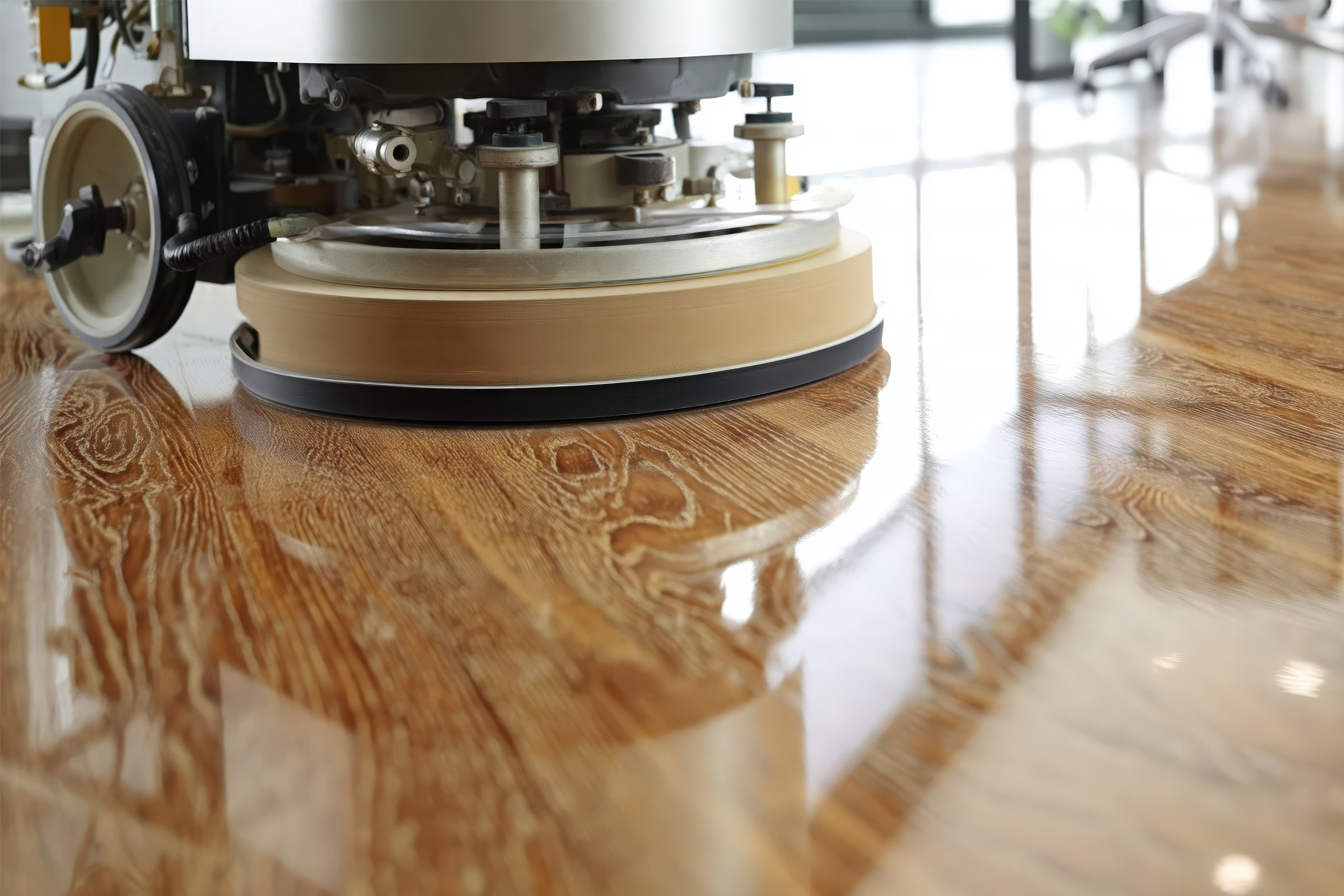
- Machine scrubbing for hard floors
- Low-moisture or extraction cleaning for carpet
- Burnishing or buffing in maintained finish systems
- Stripping and refinishing for VCT when needed
- Detailed cleaning along edges, corners, and neglected floor areas
The goal is to remove dirt and buildup that routine cleaning cannot fully address. In high traffic zones, this process may need to happen more often to restore the surface and prevent long-term damage.
How periodic deep cleaning improves floor longevity and hygiene
Deep cleaning supports floor longevity in several ways:
- Removes accumulated dirt and debris
- Restores appearance and aesthetic appeal
- Helps avoid stains and surface discoloration
- Improves the effectiveness of future regular maintenance
- Supports a cleaner and healthier professional environment
It can also help indoor air quality when carpet or textured surfaces are involved. Once deep cleaning is part of the schedule, the next layer of protection comes from preserving the surface with finish and coatings.
5. Apply Proper Floor Finish and Protective Coatings
A floor finish acts as a wear layer between the surface and daily traffic. On floors designed for finish systems, that protective layer absorbs scuffs, scratches, and soil so the underlying material does not take direct damage. Without proper finish care, the base floor wears out faster.
Protective coatings and finish systems are especially important in commercial spaces where floors need both durability and appearance. They make maintenance easier, improve light reflectivity in some settings, and help keep the floor surface looking more consistent.
The key is applying and maintaining the right finish for the material. Too little protection leads to early wear. Poorly timed recoating can also leave floors exposed longer than necessary.
How floor finish protects surfaces from scratches, stains, and moisture
A maintained finish system can help:
- Prevent scratches from grit and movement
- Reduce staining on the underlying surface
- Limit damage from dirt and moisture
- Make regular cleaning easier
- Support longer floor longevity
This is particularly true for VCT and other surfaces designed to be maintained through finish cycles. A worn finish exposes the actual floor material to more direct abrasion.
When to reapply floor finish for optimal protection
There is no exact universal timeline because traffic, cleaning practices, and environment all matter. However, regular inspections can show when recoating or restoration is needed. Common signs include:
- Dull or thin finish in traffic lanes
- Visible scratches that no longer buff out
- Uneven appearance in high traffic areas
- Faster soil buildup after cleaning
- Worn areas near entry points
Applying the right protection is one side of the strategy. The other side is reducing stress on the floor from the start through mats, pads, and traffic controls.
6. Invest in Floor Protection Solutions for High-Traffic Areas
Floor protection is one of the easiest ways to extend the life of commercial flooring because it reduces wear before it starts. Instead of waiting for scratches and finish loss to appear, facilities can use protective tools to intercept dirt, distribute pressure, and reduce direct contact damage.
This matters most in high traffic areas, where the same surface is exposed to repeated stress throughout the day. Small protective additions can make a significant difference over the life of the floor.
When floor protection is built into the maintenance plan, daily cleaning becomes easier and long-term wear slows down.
How mats, pads, and coatings enhance floor protection in commercial spaces
Effective floor protection tools include:
- Entrance mats at entry points to trap dirt and moisture
- Mats in service zones where spills are more likely
- Furniture pads under chairs and desks
- Felt pads on furniture legs
- Protective glides for movable equipment
These solutions help prevent scratches, reduce friction, and stop more dirt from reaching the main floor surface. Entrance mats are especially important because they trap dirt at the door instead of allowing it to spread through hallways and workspaces.
Why entryway protection systems help extend the life of your commercial floors
Entry systems are one of the first lines of defense in most facilities. They help:
- Trap dirt before it enters
- Reduce moisture tracked onto the floor
- Limit scuffing in entry traffic lanes
- Make regular cleaning more effective
If a facility has strong protection at entry points, the floor often stays cleaner deeper into the building. Once physical protection is in place, the next concern is preventing chemical and moisture damage that can quietly shorten floor life.
7. Prevent Moisture and Chemical Damage to Commercial Floors
Moisture and chemical exposure are common causes of floor damage. Water, spills, cleaning residue, and incompatible products can weaken surfaces slowly, even when the floor looks acceptable at first. Over time, these issues can affect finish performance, appearance, and structural stability.
This is why floor care should focus not only on cleaning more often, but also on cleaning correctly. Too much water, the wrong cleaner, or delayed spill response can create unnecessary damage in commercial spaces.
A good maintenance program controls these risks early and consistently.
How spills, humidity, and chemicals impact different floor types
Different materials react in different ways:
- VCT may lose finish faster when exposed to residue and improper chemistry
- LVT can suffer surface dullness or seam issues if excessive water is used repeatedly
- Carpet can hold moisture and soil if spills are not addressed quickly
- Tile and grout can retain residue if rinsing and product use are inconsistent
Moisture is especially problematic in restrooms, entrances, kitchens, and other damp environments. Dirt and moisture together create a harsher wear cycle than dry dirt alone.
What preventive measures improve long-term floor care
To reduce risk:
- Clean spills quickly
- Use controlled moisture with a damp mop instead of soaking the floor
- Avoid harsh chemicals and acidic cleaners unless approved
- Improve proper ventilation in moisture-prone areas
- Use mats near entrances and wet zones
- Monitor repeated problem spots through regular inspections
By reducing exposure to water, residue, and incompatible chemistry, facilities help protect the floor surface and avoid further damage. The next part of the system is making sure staff follow these methods consistently.
8. Train Staff on Proper Floor Care and Cleaning Techniques
Even the best maintenance plan will fail if the cleaning staff are not trained to carry it out correctly. Floor care depends on daily habits, product use, tool selection, and response time. Small mistakes repeated over weeks can shorten floor life quickly.
Training creates consistency. It helps staff understand how to remove dirt, protect finishes, use equipment safely, and identify issues promptly. It also reduces the chance that someone uses the wrong product or method on the wrong floor.
Well-trained teams help keep cleaner floors with less waste and fewer costly errors. They also make professional services more effective because the daily foundation is stronger.
Why improper cleaning methods reduce floor longevity
Improper methods often include:
- Using too much water
- Applying the wrong cleaner
- Skipping vacuuming or dust removal
- Using worn or dirty tools
- Ignoring stains and worn areas
- Dragging furniture without protection
These habits can prevent scratches, or they can cause them if done incorrectly. For example, unprotected furniture legs can damage hard surfaces, while neglected dirt and debris can wear down the finish faster.
How staff training ensures consistent and safe floor maintenance
A strong training program should cover:
- Which product belongs to each floor type
- How to remove loose dirt first
- When to vacuum daily and when to damp mop
- How to use microfiber mops effectively
- What to do during spot cleaning
- How to report worn areas, moisture issues, and surface changes
When staff understand the purpose behind each step, maintenance becomes more reliable. Still, there are times when daily teams need outside support. That is where professional maintenance becomes essential.
9. Schedule Professional Commercial Floor Cleaning Services
Professional maintenance plays a central role in extending floor life because some tasks require specialized tools, chemistry, and experience. Daily teams can handle regular cleaning, but deeper restoration and surface-specific procedures are often best left to trained professionals.
This is especially true in large facilities, buildings with multiple floor materials, or spaces with heavy foot traffic and visible wear. Professional services can correct issues that routine maintenance alone cannot solve and help prevent premature replacement.
For many facilities, the best results come from combining in-house daily maintenance with scheduled professional services throughout the year.
How professional services improve deep cleaning and floor restoration
Professional maintenance can provide:
- Advanced deep cleaning methods
- Finish restoration and recoating
- VCT stripping and refinishing
- Carpet extraction or restorative cleaning
- Evaluation of worn areas and maintenance gaps
- Recommendations based on floor type and use patterns
These services support both appearance and function. They also help facility managers build a realistic plan for floor longevity based on actual conditions rather than assumptions.
When to hire experts for VCT floor cleaning services and maintenance
Professional help is often needed when:
- The floor finish looks uneven or badly worn
- High traffic zones no longer respond to routine cleaning
- Stains or residue keep returning
- Dirt appears embedded despite regular maintenance
- Large commercial spaces need a structured maintenance plan
- Specialized surfaces require expert care
For businesses that want a practical, long-term approach, Scher Flooring Services provides commercial floor cleaning expertise built around real facility conditions, especially for VCT and other commercial flooring systems. Professional support is often what turns a basic cleaning program into a true floor preservation strategy.
What Are the Best Practices to Extend the Life of Your Commercial Floors?
The best way to extend the life of your commercial floors is to combine daily maintenance, traffic-based frequent cleaning, compatible cleaning products, periodic deep cleaning, floor finish protection, and professional maintenance. No single step works well in isolation. Floor longevity comes from how these practices support one another.
A clear, extractable answer looks like this:
- Identify the floor type before choosing any process
- Remove loose dirt daily
- Focus more cleaning attention on high traffic areas
- Use neutral cleaner products when appropriate
- Avoid harsh chemicals and excessive water
- Install entrance mats and pads to prevent scratches
- Schedule deep cleaning before visible wear becomes severe
- Inspect regularly and address issues promptly
- Use professional services for restoration and specialty care
These practices help protect the flooring investment, maintain aesthetic appeal, and create cleaner floors across commercial spaces.
What is the ideal cleaning frequency for commercial floors?
The ideal cleaning frequency depends on the floor type, traffic level, and use of the space. High traffic areas generally need daily or more frequent attention, while lower-use spaces may need less frequent routine service plus regular inspections.
How often should deep cleaning be performed in commercial spaces?
Deep cleaning should be based on soil load, floor material, and wear patterns. Heavily used spaces usually need it more often than low-use areas. A scheduled plan works better than waiting for visible deterioration.
What is the best floor care routine for long-term durability?
The best routine combines daily soil removal, spot cleaning, traffic-based frequent cleaning, periodic deep cleaning, finish protection where applicable, and scheduled professional maintenance.
What Factors Reduce the Life of a Commercial Floor?
Floors usually fail early because of repeated neglect, not one major event. When dirt, moisture, and pressure are allowed to build up over time, damage becomes harder and more expensive to reverse.
The most common causes include:
- Heavy foot traffic without enough frequent cleaning
- Dirt and debris left in traffic lanes
- Wrong cleaning products
- Harsh chemicals and acidic cleaners
- Excessive water during mopping
- Missing entrance mats
- Unprotected furniture legs
- Delayed response to spills and worn areas
- Lack of professional maintenance
Understanding what shortens floor life helps prevent those issues before replacement becomes necessary.
Does improper cleaning damage floor finish?
Yes. Improper cleaning can wear down or weaken floor finish, especially when the wrong products or too much moisture are used repeatedly.
Can heavy foot traffic shorten floor longevity?
Yes. Heavy foot traffic creates concentrated wear in high traffic zones and traffic lanes, especially when dirt is not removed often enough.
Do harsh cleaning products weaken commercial floors?
Yes. Incompatible or overly aggressive products can damage finishes, dull surfaces, leave residue, and contribute to further damage.
How Long Do Different Commercial Floor Types Last?
The lifespan of commercial flooring depends on floor material, usage, maintenance quality, and environmental conditions. There is no single answer because a well-maintained floor can last much longer than the same floor under poor care conditions.
In general:
| Floor type | Typical lifespan range | Key factor that changes lifespan |
| VCT | Often many years with proper finish care | Quality of maintenance and refinishing cycles |
| LVT | Often long-lasting in commercial use | Surface protection and correct cleaning methods |
| Tile | Often very durable | Grout care and moisture management |
| Carpet tile/broadloom | Varies widely | Soil removal, spot cleaning, and extraction schedule |
The more consistent the maintenance, the more likely the floor will reach the upper end of its practical life.
What is the average lifespan of VCT, LVT, tile, and carpet floors?
Average lifespan varies by product quality, installation, and care, but maintenance quality is one of the strongest factors in whether floors perform for the long term.
How maintenance impacts the lifespan of commercial flooring
Regular cleaning, correct product use, floor protection, and professional services can significantly extend life. Neglect, wrong chemistry, and unmanaged traffic usually shorten it.
Is Daily Maintenance or Deep Cleaning More Important for Floor Longevity?
Both are important, but daily maintenance usually has the biggest influence because it controls the damage cycle every day. Deep cleaning remains essential because routine care cannot remove all buildup over time.
The most accurate answer is that daily maintenance prevents fast damage, while deep cleaning corrects gradual buildup. One protects the floor constantly, and the other restores performance periodically. The strongest results come from combining both.
When daily maintenance is sufficient
Daily maintenance is sufficient for routine soil removal, spill response, and day-to-day cleanliness. It is the first line of protection against dirt, debris, and moisture.
When deep cleaning becomes necessary
Deep cleaning becomes necessary when buildup remains after regular cleaning, when traffic lanes show visible wear, when embedded soil affects appearance, or when the floor needs restorative care beyond routine maintenance.
What Is the Most Effective Way to Extend the Life of Your Commercial Floors?
The most effective way to extend the life of your commercial floors is to match maintenance to the floor type, remove dirt before it damages the surface, protect high traffic areas, use safe cleaning products, and schedule professional maintenance before wear becomes severe.
That answer is precise because long floor life depends on prevention more than correction. Floors last longer when dirt is removed early, moisture is controlled, finishes are protected, and traffic stress is managed with mats, pads, and timely service. In practical terms, the strongest strategy is a layered one: daily maintenance, traffic-based frequent cleaning, periodic deep cleaning, floor protection, regular inspections, and expert support when needed.
How to Extend the Life of Your Commercial Floors with the Right Strategy
Commercial floors last longer when maintenance is proactive, consistent, and matched to the actual surface. If you want to extend the life of your commercial floors, the priority is not one single product or one occasional service. It is a full strategy built around floor type, cleaning frequency, floor protection, and timely professional maintenance.
Daily maintenance removes loose dirt before it grinds into the surface. Frequent cleaning keeps high traffic areas under control. Deep cleaning addresses buildup that routine work misses. The right cleaning products help avoid harsh chemicals and unnecessary damage. Entrance mats, furniture pads, and protection for furniture legs help prevent scratches and reduce stress on the floor. Regular inspections help facility managers catch worn areas early. Professional services help restore and maintain surfaces when routine care is no longer enough.
This kind of structured approach protects your flooring investment, supports a cleaner and more professional environment, and helps save money over the life of the floor. For businesses that want practical commercial solutions and expert guidance, Scher Flooring Services offers floor care support designed for real commercial spaces, real traffic demands, and long-term floor longevity.
Stay Updated!
Sign up for email updates and stay in the loop about about our services and promotions.
We’re here to answer any questions you have about our commercial floor cleaning, restoration, and maintenance services.
Get a Free Quote Today!
Scher Flooring Services is a locally and family owned and operated commercial floor cleaning, maintenance and restoration company in business for over 25 years.
"*" indicates required fields