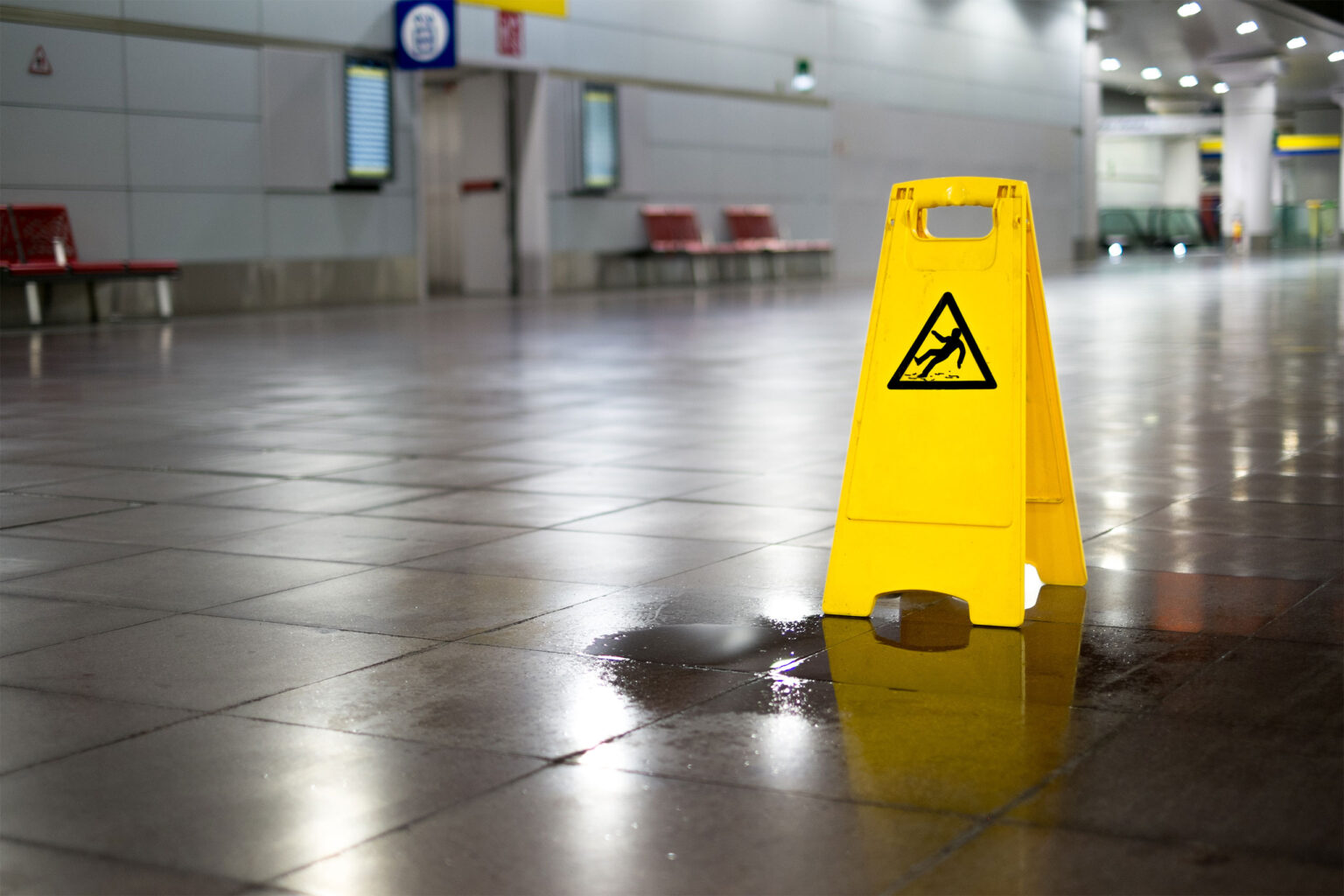
Slip resistance on wet ceramic floors plays a major role in creating a safe floor environment in commercial buildings and interior floors across the United States. When ceramic floors become wet, the coefficient of friction between a person walking and the tile surface can drop, which increases the risk that a person slips.
Slip resistance on wet ceramic floors is therefore an important safety consideration during the selection, installation, and maintenance of ceramic tile flooring materials. At Scher Flooring Services, we work with commercial spaces to maintain safe tile floor surfaces through proper cleaning, maintenance planning, and slip resistance management for ceramic tile and porcelain tiles in hotel lobbies, shopping malls, healthcare buildings, and other high-traffic environments.
What Is Slip Resistance on Wet Ceramic Floors and Why Does It Matter for Interior Floors?
Slip resistance describes how well a floor surface resists slipping when a person walking applies force between two surfaces, the bottom of a shoe and the tile floor. The friction between those two surfaces determines whether the person continues walking safely or begins to slip.
Hard surface flooring materials like ceramic tile and porcelain tiles are widely used in interior floors because they are durable and attractive. However, when water, grease, or cleaning chemicals are present, these floors may become a dangerous floor if slip resistance is not considered during tile selection and maintenance.
How Slip Resistance Helps Create a Safe Floor in Commercial Buildings
Slip resistance helps reduce accidents by increasing friction between a person walking and the floor surface. When the floor provides enough traction, the foot can stop slipping and maintain balance.
In commercial buildings such as hotel lobbies and shopping malls, a safe floor protects both employees and visitors. A tile floor that has appropriate slip resistance values helps reduce the chance that a person slips during normal walking speed.
Why Wet Ceramic Floors Become Dangerous Without Proper Slip Resistance
Wet tile can become slippery because water reduces friction between the shoe and the floor surface. Standing water, oils, or cleaning residue can lower the coefficient of friction even further.
Several conditions increase the risk of slipping:
- Wet surfaces on ceramic floors
- Expected contaminants like grease or soap
- Human error such as spills or improper cleaning
- Poorly selected flooring materials
Understanding how slip resistance works leads to the next important topic: how friction is measured through the coefficient of friction.
How the Coefficient of Friction Determines Slip Resistance on Ceramic Floors
The coefficient of friction measures the resistance between two surfaces that move against each other. In flooring safety, the two surfaces are the shoe and the tile floor.
Testing slip resistance often focuses on the dynamic coefficient of friction because it reflects how a person walking interacts with the floor during movement.
What Is the Dynamic Coefficient of Friction for Ceramic Floors
The dynamic coefficient of friction measures the force required to keep a shoe sliding across a floor surface. This measurement simulates real life situations where a person walking may begin to slip and must regain traction.
The measurement is often referred to as DCOF or wet DCOF when evaluating ceramic tile used on wet surfaces.
Why a DCOF of 0.42 Is the Minimum Requirement for Wet Interior Floors
Current standards recommend a minimum value of 0.42 for interior floors expected to be walked upon when wet. This guideline comes from the American National Standards Institute and industry organizations such as the Tile Council.
The table below explains common friction benchmarks.
| Friction Measurement | Meaning |
| Below 0.42 | Higher risk of slipping |
| 0.42 minimum value | Suitable for interior wet tile floors |
| Above 0.60 | Increased slip resistant performance |
Why DCOF Values Do Not Guarantee a Completely Slip Resistant Floor
Although DCOF values help determine safety levels, they do not necessarily equate to complete slip resistance. Many factors influence whether a person slips, including:
- Expected contaminants
- Expected maintenance practices
- Walking speed
- Footwear
- Weather conditions
Because of these variables, proper testing methods are needed to evaluate slip resistance accurately.
What Test Method Is Used to Measure Slip Resistance on Wet Ceramic Floors?
Testing slip resistance requires specialized equipment and recognized standards. Several testing laboratories and organizations use controlled procedures to measure friction between a shoe and a floor surface.
How the BOT 3000E Measurement System Tests the Coefficient of Friction
One widely used measurement system is the BOT 3000E device. This automated machine measures the dynamic coefficient of friction by sliding a sensor across a wet tile surface.
The device simulates real life situations by using a slightly soapy solution that mimics contaminants found on wet surfaces.
Why ANSI Uses Dynamic Coefficient of Friction as the Current Test Method
The American National Standards Institute updated its test method to emphasize the dynamic coefficient of friction rather than static friction measurements.
Dynamic testing better reflects how a person walking interacts with the floor while moving.
How the 2022 ANSI Standard Updated Slip Resistance Measurements
The 2022 update refined the test method for measuring dynamic coefficient values. The update also reinforced the minimum value guidelines used for hard surface flooring materials in interior floors.
While ANSI provides guidelines, other international methods also evaluate slip resistance.
What Current Standards Define Slip Resistance for Ceramic Floors in the United States?
Unlike some building safety regulations, there is no single federal law governing slip resistance for flooring materials in the United States. Instead, architects and designers rely on industry guidelines and testing organizations.
Why ANSI and TCNA Guidelines Are Used Instead of Federal Slip Standards
The American National Standards Institute and the Tile Council provide the primary guidance used by architects, builders, and manufacturers.
These organizations publish current standards that help determine whether ceramic tile is suitable for certain interior floors.
How Architects and Tile Specifiers Use Slip Resistance Measurements
Professionals responsible for selecting flooring materials examine several factors before choosing the right tile:
- Intended use of the space
- Expected wear
- Expected maintenance
- Expected contaminants
Slip resistance measurements guide these decisions.
Why Slip Resistance Requirements Vary Between Interior Floors and Commercial Spaces
Slip resistance requirements change depending on location. For example:
- Shower floors require higher traction
- Pool decks need higher grip due to constant water exposure
- Hotel lobbies require durable yet safe ceramic floors
Surface texture also plays a significant role in determining slip resistance.
How Surface Texture Influences Slip Resistance on Wet Ceramic Floors
Surface texture determines how well the floor provides traction under wet conditions. Ceramic tile surfaces vary from polished to matte or textured.
Why Textured Ceramic Tiles Provide Better Slip Resistant Surfaces
Textured surfaces create microscopic ridges that increase friction. These ridges help stop slipping when a person walking places weight on the tile surface.
Why Matte and Structured Tiles Perform Better Than Glossy Ceramic Floors
Glossy tiles look attractive but often provide less traction. Matte or structured surfaces improve grip by increasing contact between the shoe and the floor.
Why Small Mosaic Tiles Improve Grip Through Additional Grout Lines
Smaller tiles create more grout joints. These grout lines break up the surface and help reduce slipping on wet surfaces.
Even when a tile is designed to be slip resistant, contaminants can still reduce traction.
How Contaminants Reduce Slip Resistance on Wet Ceramic Floors
Slip resistance on wet ceramic floors decreases when contaminants build up on the tile surface. Oils, grease, soap, or dust reduce friction.
Why Dirt and Grease Reduce the Coefficient of Friction on Ceramic Floors
Grease and oils create a thin film between the shoe and the floor surface. This film reduces friction and increases the likelihood that a person slips.
How Cleaning Chemicals and Oils Affect Slip Resistance Measurements
Cleaning products, detergents, and residue can change slip resistance values during testing slip resistance.
Testing laboratories therefore use controlled conditions when measuring dynamic coefficient values.
Why Dirty Floors Can Make a Slip Resistant Surface More Slippery
Even tiles designed as slip resistant can become slippery when not properly cleaned. Regular cleaning helps maintain safe friction levels.
Because tile design also affects traction, slip rating systems provide additional guidance.
What Slip Ratings Like R11 and R12 Mean for Ceramic Floors
Slip ratings describe how resistant a tile surface is to slipping under certain conditions.
How the DIN Ramp Test Measures Slip Resistant Tile Ratings
The German Institute developed a ramp test method that measures slip resistance while a person walks on a tilted surface coated with oil.
Why R11 Tiles Are Suitable for Interior Wet Areas
R11 rated tiles provide moderate traction and are often used for shower floors or interior wet spaces.
Why R12 Tiles Are Often Used in Commercial Spaces With Higher Moisture
R12 rated tiles offer stronger grip and are more suitable for commercial spaces such as kitchens or pool decks.
Even when the correct tile is installed, treatments may further improve traction.
How Chemical Treatments Improve Slip Resistance on Wet Ceramic Floors
Some floors require additional slip resistance improvements after installation.
How Anti Slip Coatings Create Microscopic Texture on Ceramic Floors
Chemical treatments create microscopic pores that increase friction without changing the visual appearance of the tile.
Why Abrasive Sealers and Chemical Etching Increase Surface Grip
Abrasive coating material and etching techniques roughen the surface slightly, which increases slip resistance.
How Treatments Improve Slip Resistance Without Changing Appearance
These treatments improve traction while preserving the aesthetic appearance of ceramic tile and porcelain tiles.
Proper maintenance is still required to maintain these safety improvements.
Why Proper Cleaning and Maintenance Maintain Slip Resistance on Ceramic Floors
Maintenance practices directly affect the long-term slip resistance of ceramic floors.
Regular cleaning removes contaminants that reduce friction.
How Routine Cleaning Prevents Contaminants From Reducing Friction
Routine cleaning removes dirt, oils, and residue that lower the coefficient of friction.
Why Slip Resistant Ceramic Floors Require Specific Maintenance Practices
Textured surfaces may require different cleaning methods than smooth tiles.
Why Professional Floor Cleaning Helps Maintain a Safe Floor Surface
Professional cleaning companies such as Scher Flooring Services maintain ceramic floors in commercial buildings using specialized equipment and safe cleaning practices.
Professional maintenance helps ensure that slip resistance values remain effective over time.
Why Professional Ceramic Floor Cleaning Services Improve Floor Safety
Maintaining slip resistance requires knowledge of flooring materials, cleaning chemicals, and maintenance schedules.
Scher Flooring Services works with commercial spaces across many industries to maintain ceramic floors and other hard surface flooring materials.
How Professional Cleaning Services Maintain Slip Resistance in Commercial Buildings
Professional technicians clean ceramic floors using equipment and methods designed for commercial use.
Why Proper Equipment and Cleaning Methods Improve Ceramic Floor Safety
Specialized machines remove contaminants without damaging the surface.
How Professional Maintenance Protects Interior Floors and Prevents Slip Hazards
Consistent maintenance keeps floors clean, improves traction, and supports occupant safety in commercial environments.
Why Slip Resistance on Wet Ceramic Floors Is Critical for Long Term Safety
Slip resistance on wet ceramic floors depends on many factors including tile selection, coefficient of friction measurements, environmental conditions, and maintenance practices. Choosing the right tile, following current standards, and maintaining the surface properly helps reduce slip hazards.
Professional cleaning and maintenance also play a major role in preserving slip resistant surfaces. Companies such as Scher Flooring Services support businesses by maintaining ceramic floors in commercial settings so they remain safe, durable, and visually appealing for years.
Conclusion: Creating a Smarter, Safer Floor Maintenance Plan for Schools
School floor maintenance is a year-round priority. By balancing daily maintenance during class days with deep cleaning during breaks, schools can extend the life of their flooring, maintain safe conditions, and avoid costly repairs. Using the right cleaning products, training staff, installing walk-off mats, and working with commercial floor cleaning professionals helps create cleaner, healthier learning environments.
Whether it’s high foot traffic zones or quiet administrative areas, every surface benefits from a customized, consistent, and well-timed maintenance plan—ultimately saving your school time, money, and stress.
Stay Updated!
Sign up for email updates and stay in the loop about about our services and promotions.
We’re here to answer any questions you have about our commercial floor cleaning, restoration, and maintenance services.
Get a Free Quote Today!
Scher Flooring Services is a locally and family owned and operated commercial floor cleaning, maintenance and restoration company in business for over 25 years.
"*" indicates required fields