
VCT floor cleaning for medical facilities plays a critical role in maintaining safe, clean, and professional healthcare environments. VCT floor cleaning is not only about appearance; it directly impacts patient safety, indoor air quality, and the long-term performance of vinyl composition tile surfaces used throughout hospitals.
Vinyl composition tile, commonly known as VCT flooring, is widely used in hospitals, office buildings, retail stores, and other commercial environments because it is cost effective, durable, and specifically designed to handle high foot traffic. When maintained correctly through daily cleaning, periodic maintenance, and restorative care, VCT flooring can last for decades while maintaining slip resistance, cleanliness, and aesthetics.
What Is VCT Flooring and Why Is It Used in Medical Facilities?
VCT flooring is a resilient flooring solution that supports daily use in demanding environments such as hospitals and clinics. Understanding what VCT is and why it is chosen helps establish the foundation for proper floor cleaning and maintenance practices.
What Is Vinyl Composition Tile (VCT Flooring)?
Vinyl composition tile is a commercial flooring material made from limestone fillers, thermoplastic binders, and vinyl resins. VCT tiles are installed individually, allowing damaged tiles to be replaced without disturbing the surrounding floor. This makes installation and repair practical for medical environments where downtime must be minimized.
VCT flooring is commonly used in:
- Hospitals and healthcare centers
- Hallways and patient rooms
- Office buildings and administrative areas
- Retail stores and high traffic areas
Why VCT Flooring Is Ideal for Hospitals and Healthcare Environments
Hospitals require flooring that supports safety, cleanliness, and durability. VCT flooring meets these needs by offering resistance to fluids, stains, and daily wear caused by foot traffic, carts, and equipment.
Key benefits include:
- High durability under constant traffic
- Cost effective installation and repair
- Compatibility with hospital-grade cleaning processes
- Smooth surface that supports effective floor cleaning
How Long Does VCT Flooring Last With Proper Floor Cleaning and Maintenance?
With proper daily maintenance, routine cleaning, and periodic maintenance, VCT flooring can last 30 years or more. Longevity depends on traffic levels, cleaning processes, and how well the floor finish is maintained over time.
This durability leads directly into why proper VCT floor cleaning is critical in healthcare settings.
Why Proper VCT Floor Cleaning Is Critical in Healthcare Settings
VCT floor cleaning supports more than aesthetics in hospitals. It plays a crucial role in health, safety, and environmental control throughout the facility.
How Floor Cleaning Impacts Infection Control and Patient Safety
In hospitals, floor surfaces are constantly exposed to dust, debris, grime, fluids, and foot traffic. If not cleaned correctly, these contaminants can spread across hallways, patient rooms, and treatment areas.
Effective floor cleaning helps:
- Reduce slip resistance issues caused by spills
- Support cleanliness and patient safety
- Improve indoor air quality by removing dust and debris
- Maintain a controlled healthcare environment
How Poor Maintenance Accelerates Wear in VCT Flooring
Dirt and debris act like sandpaper on the surface of VCT flooring. Without routine cleaning, this abrasive material wears down the floor finish, exposing the tiles and reducing performance.
Poor maintenance often leads to:
- Frequent stripping due to finish failure
- Premature wear in high traffic areas
- Increased stains and surface damage
What Regulatory Expectations Influence VCT Floor Maintenance in Medical Facilities?
Hospitals must follow CDC and OSHA guidelines that require proper documentation, standardized cleaning processes, and the use of approved cleaning products. Compliance is essential for safety audits and patient protection.
Understanding these requirements naturally leads to the structure of a complete VCT floor maintenance program.
What Does a Complete VCT Floor Maintenance Program Include?
A comprehensive approach to VCT floor maintenance ensures consistency, longevity, and safety across all areas of a medical facility.
Daily Maintenance vs Periodic Maintenance vs Restorative Maintenance
VCT floor maintenance is divided into three levels:
- Daily maintenance: Routine cleaning tasks performed every day
- Periodic maintenance: Scheduled deep cleaning such as scrub and recoat
- Restorative maintenance: Stripping and waxing when the old finish is severely worn
Each level supports the next and prevents premature damage.
How a Planned Maintenance Schedule Extends VCT Floor Life
A well-planned maintenance schedule aligns cleaning tasks with traffic levels and usage patterns. High traffic areas such as hallways require more frequent care than low-use spaces.
This structure sets the stage for understanding daily cleaning practices.
How Daily Cleaning Protects VCT Flooring in Medical Facilities
Daily cleaning is the foundation of effective VCT floor maintenance. Without it, even the best finishes will fail prematurely.
What Daily VCT Floor Cleaning Should Include in Healthcare Environments
Daily cleaning typically includes:
- Vacuuming or sweeping to remove dust and debris
- Damp mop cleaning with neutral cleaners
- Immediate spot cleaning of spills and stains
A double-bucket mop system helps keep clean and dirty water separate.
Why Neutral Cleaners Are Required for Daily VCT Floor Maintenance
Neutral cleaners are specifically designed to clean VCT flooring without damaging the floor finish. Harsh chemicals and degreasers can break down wax layers and reduce slip resistance.
Best Practices for Daily Cleaning to Prevent Cross-Contamination
Healthcare facilities should implement:
- Color-coded mops and tools
- Clean-to-dirty cleaning sequences
- Single-use microfiber mop heads in clinical zones
Daily care connects directly to the tools and equipment used for VCT floor cleaning.
What Equipment and Supplies Are Best for VCT Floor Cleaning?
Using the right equipment improves cleaning performance while protecting the surface and grout of VCT tiles.
Why HEPA-Filter Vacuums Are Important for VCT Flooring
HEPA-filter vacuums capture fine dust and debris that can degrade floor finish and reduce indoor air quality. This is especially critical in hospitals and patient areas.
Why Microfiber Mop Systems Are Recommended for Healthcare Floor Cleaning
Microfiber mop systems:
- Remove grime more effectively
- Require less water
- Reduce cross-contamination risks
- Improve durability during daily use
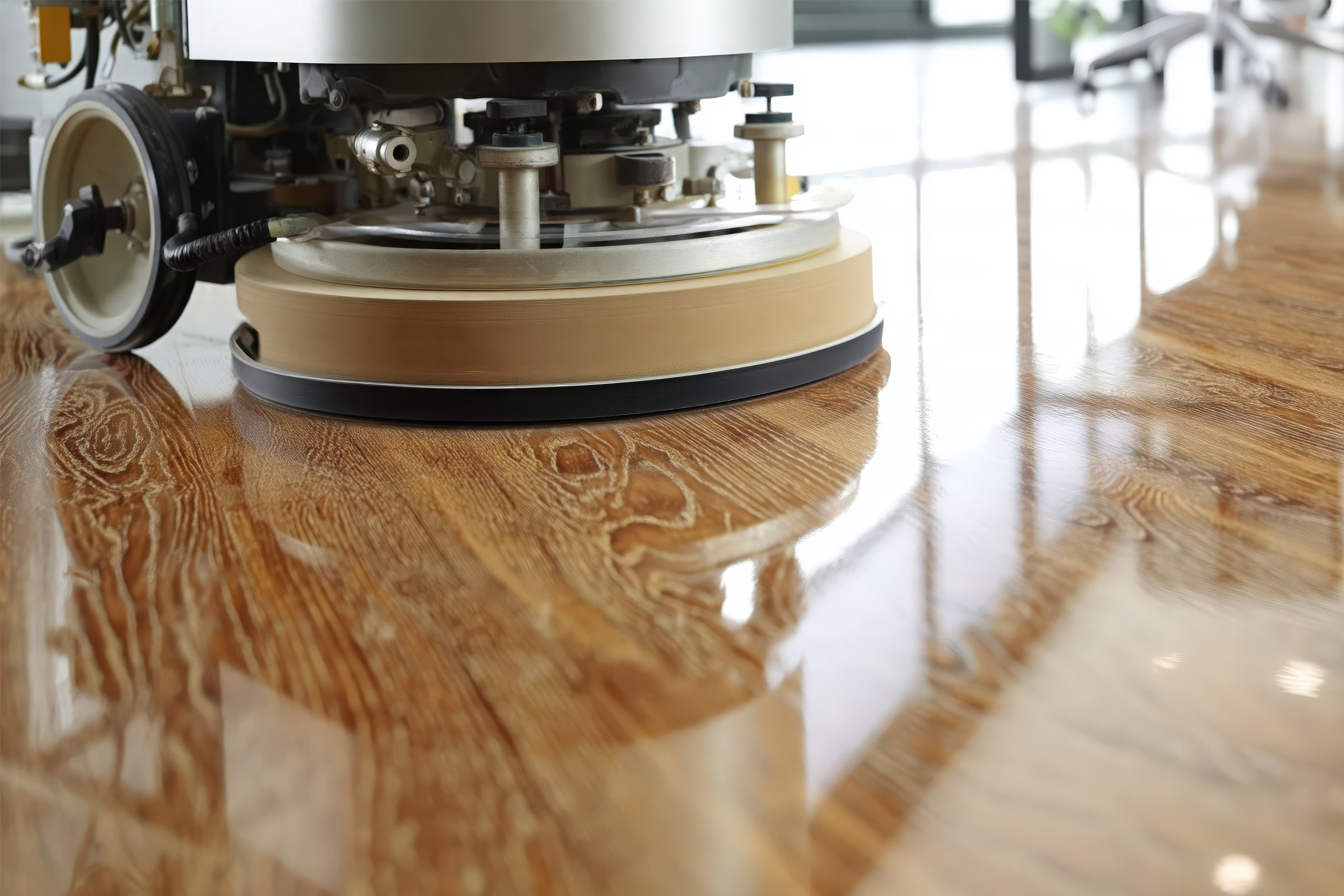
How Auto Scrubbers Support Efficient VCT Floor Maintenance
Auto scrubbers, when used with low-foam detergents, provide consistent floor cleaning across large commercial spaces. They are ideal for high traffic areas and support routine cleaning and periodic maintenance.
This equipment supports more intensive cleaning methods discussed next.
When Is Periodic Maintenance Needed for VCT Flooring?
Periodic maintenance restores performance and appearance before full restoration becomes necessary.
What Is Periodic VCT Floor Maintenance in Medical Facilities?
Periodic maintenance includes scrub and recoat procedures that remove embedded dirt and old wax while preserving the underlying floor finish.
How Often Should Scrubbing and Recoating Be Performed?
Scrub and recoat schedules depend on traffic:
- Every 3–4 months in high foot traffic areas
- Semi-annually in moderate-use spaces
When Scrub and Recoat Is Better Than Deep Cleaning Alone
When the surface loses shine due to traffic or residue buildup, scrub and recoat is more effective than deep cleaning alone.
Eventually, restorative maintenance may be required.
What Is Deep Cleaning and Restorative Maintenance for VCT Floors?
Deep cleaning and restoration address severe wear and finish failure.
What Deep Cleaning Means for VCT Flooring in Healthcare Settings
Deep cleaning removes grime, stains, and chemical residue embedded in the surface. It prepares the floor for additional protective treatments.
When Restorative Maintenance Like Stripping and Waxing Is Required
Stripping is necessary when:
- The old finish is uneven or discolored
- Frequent stripping has not been avoided
- Slip resistance has decreased significantly
How Many Coats of Floor Finish Are Recommended for VCT Floors?
Applying 3–5 thin new coats of floor finish provides protection, improves aesthetics, and supports long-term durability.
Restored floors benefit from ongoing buffing and burnishing.
How Buffing and Burnishing Support Ongoing VCT Floor Maintenance
Buffing and burnishing extend the life of the floor finish between major maintenance cycles.
How Buffing Restores Shine and Reduces Surface Wear
Buffing removes light scuffs and enhances shine without removing protective layers. It supports aesthetics and safety.
How Often Burnishing Should Be Performed in High-Traffic Medical Areas
Burnishing every 2–3 months helps maintain performance in hallways and other high traffic zones.
Safety considerations remain essential during all cleaning processes.
What Safety Practices Must Be Followed During VCT Floor Cleaning?
Safety is critical when cleaning floors in hospitals and healthcare environments.
Why Immediate Spill Cleanup Is Essential in Medical Facilities
Spills should be cleaned immediately to:
- Prevent slip hazards
- Protect the surface from stains
- Reduce exposure to fluids
How Over-Wetting Can Damage VCT Flooring and Adhesives
Excess water can seep into seams, loosen installation adhesives, and shorten floor life.
Why Entrance Matting Is Part of Effective Floor Cleaning Strategy
Mats trap debris before it reaches VCT flooring, reducing dirt accumulation and protecting the finish.
Professional maintenance services help coordinate these practices.
Why Professional VCT Floor Cleaning Services Matter in Healthcare
Professional maintenance services bring expertise, standardized processes, and specialized tools.
How Professional Maintenance Services Improve Consistency and Compliance
Trained service teams follow documented processes, use appropriate equipment, and ensure compliance with health regulations.
What Medical Facilities Gain From Specialized VCT Floor Maintenance Programs
Facilities benefit from:
- Improved longevity and performance
- Reduced need for frequent stripping
- Enhanced cleanliness and patient safety
These benefits lead to a clear understanding of best practices.
Key Takeaways on VCT Floor Cleaning for Medical Facilities
VCT floor cleaning for medical facilities requires a structured, comprehensive approach. Daily cleaning, periodic maintenance, and restorative services work together to protect vinyl composition tile, maintain safety, and extend floor life. When supported by proper tools, trained service teams, and well-planned schedules, VCT flooring delivers long-term performance in demanding healthcare environments.
Conclusion: Creating a Smarter, Safer Floor Maintenance Plan for Schools
School floor maintenance is a year-round priority. By balancing daily maintenance during class days with deep cleaning during breaks, schools can extend the life of their flooring, maintain safe conditions, and avoid costly repairs. Using the right cleaning products, training staff, installing walk-off mats, and working with commercial floor cleaning professionals helps create cleaner, healthier learning environments.
Whether it’s high foot traffic zones or quiet administrative areas, every surface benefits from a customized, consistent, and well-timed maintenance plan—ultimately saving your school time, money, and stress.
Stay Updated!
Sign up for email updates and stay in the loop about about our services and promotions.
We’re here to answer any questions you have about our commercial floor cleaning, restoration, and maintenance services.
Get a Free Quote Today!
Scher Flooring Services is a locally and family owned and operated commercial floor cleaning, maintenance and restoration company in business for over 25 years.
"*" indicates required fields