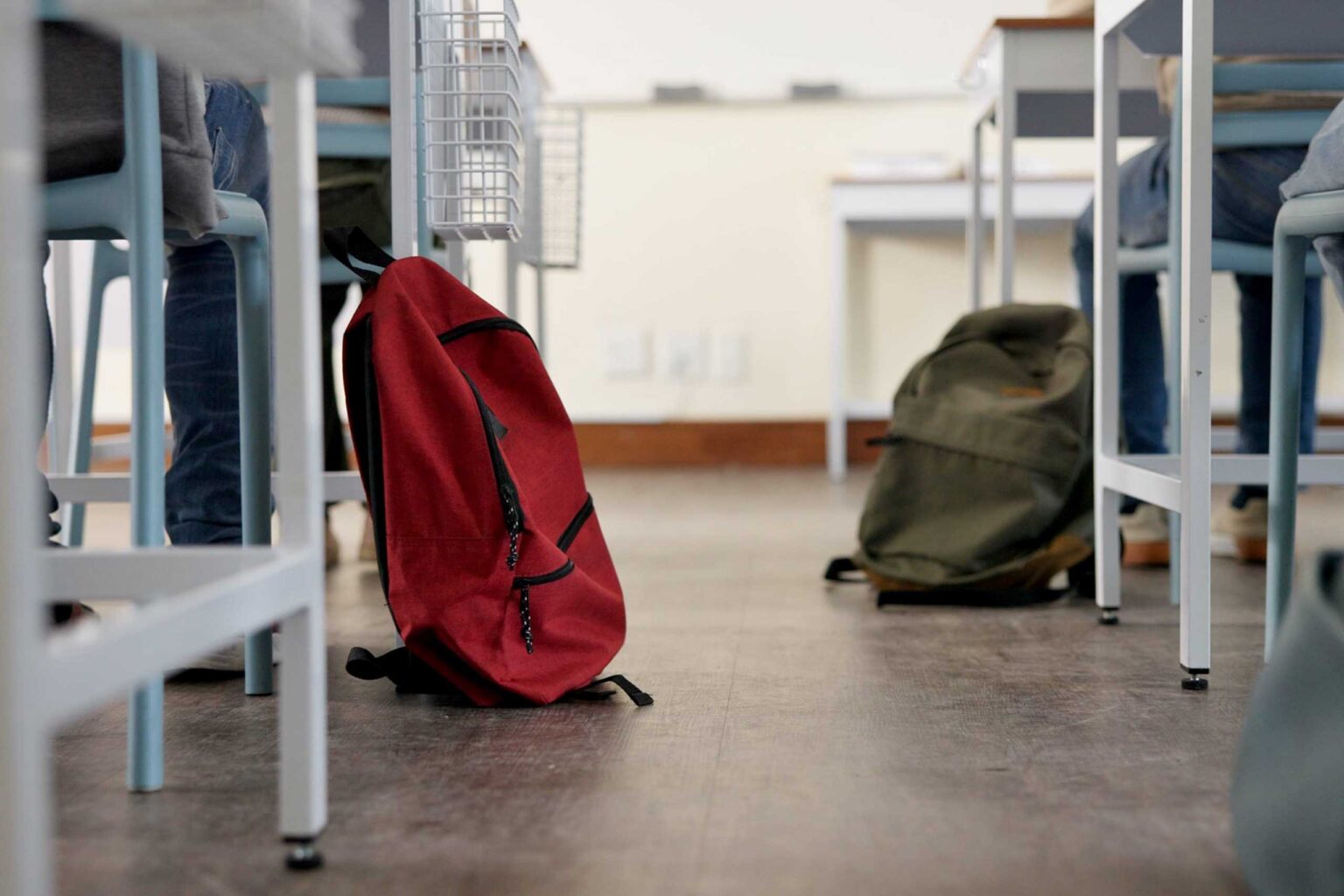
Best flooring for schools and education spaces must support safety, durability, and long-term performance in busy educational facilities across the United States. Flooring for schools directly affects how students learn, how faculty work, and how an education facility maintains safety and hygiene standards every day.
Schools, universities, elementary schools, and high schools operate in high traffic areas where flooring must withstand heavy foot traffic, resist moisture, and remain easy to clean. The right flooring solutions protect students and faculty, promote safety, and create a healthy learning environment. Scher Flooring Services supports the education industry by delivering high performance, cost effective flooring systems specifically designed for educational settings and the unique demands of modern education environments.
What Is the Best Flooring for Schools and Education Spaces?
The best flooring for schools balances safety, durability, maintenance, and long-term value in an education space. Educational facilities require flooring systems that handle heavy foot traffic while remaining slip resistant and easy to maintain.
How Flooring for Schools Must Balance Safety, Durability, and Maintenance
Flooring for schools must promote safety while supporting daily activity in classrooms, hallways, locker rooms, and science labs. School flooring must:
- Withstand heavy foot traffic in high traffic areas
- Provide slip resistance to reduce falls
- Resist stain, dirt, and spills
- Remain low maintenance and easy to clean
- Support antimicrobial properties in sensitive areas
Durable materials protect the foundation of the building and reduce early replacement. High performance flooring also protects students and faculty from slip hazards.
Why Every Education Facility Requires High-Performance Flooring Solutions
Every education facility has unique requirements. Elementary schools face different wear patterns than high schools or universities. Science labs require chemical resistant surfaces. Locker rooms require moisture resistant systems. Hallways handle heavy foot traffic throughout the day.
High performance education flooring supports life cycle durability and reduces landfill waste by extending the life of materials. These foundational principles lead to a deeper question: what specific factors determine the best school flooring in high traffic educational environments?
What Factors Determine the Best School Flooring in High Traffic Education Spaces?
Selecting school flooring requires evaluating performance attributes that directly impact safety and maintenance. High traffic educational settings demand materials specifically designed to handle daily pressure.
Why High Traffic Resistance Is Critical in School Flooring?
Heavy foot traffic in hallways and classrooms causes surface wear. Flooring must withstand heavy foot traffic without cracking, denting, or separating at grout lines. Durable tiles, rubber flooring, and polished concrete perform well in these conditions.
High traffic resistance ensures:
- Reduced maintenance frequency
- Lower repair costs
- Longer installation lifespan
- Consistent surface performance
How Easy-to-Clean Surfaces Support Health and Hygiene in Education Facilities?
Education environments require surfaces that are easy to clean and easy to maintain. Stain resistant flooring reduces visible dirt and supports daily maintenance routines.
Smooth surfaces without deep grout lines reduce dirt accumulation. Easy to clean flooring systems support indoor hygiene and promote safety by minimizing slip risks from spills.
Why Slip Resistance Improves Student and Staff Safety?
Slip resistant surfaces reduce fall injuries in educational settings. Slip resistance becomes especially important in locker rooms, cafeterias, and entrances where moisture and spills are common.
Slip resistant flooring systems protect students and faculty by increasing traction.
How Cost Effective Flooring Solutions Reduce Long-Term Budget Strain?
Cost effective flooring does not mean low quality. It means selecting materials with high durability and low maintenance requirements.
Lifecycle cost factors include:
- Installation expense
- Maintenance frequency
- Repair costs
- Replacement timeline
High performance materials reduce total cost over time. Once durability is established, the next essential attribute to examine is long-term structural performance.
Why Is Durability the Most Important Feature of Education Flooring?
Durability determines how long flooring systems survive in high traffic educational environments. Education flooring must withstand impact, movement, and constant use.
How High Performance Flooring Handles Daily Wear and Impact?
High performance flooring materials such as vinyl composition tile, rubber tiles, and polished concrete handle heavy foot traffic and rolling loads from carts and equipment.
Durable flooring:
- Withstands repeated pressure
- Resists surface cracking
- Maintains structural integrity
Why Protective Coatings Extend the Life of Classroom Flooring?
Protective coatings help protect the surface from stain, dirt, and moisture. These coatings maintain appearance and improve performance in classrooms and hallways.
Protective layers support slip resistance and preserve the learning experience by maintaining a clean environment.
How Moisture Resistance Protects Floors in Locker Rooms and Cafeterias?
Locker rooms and food service spaces expose flooring to spills and moisture. Moisture resistant and chemical resistant flooring prevents warping and structural damage.
Durability protects the physical structure, but classrooms require additional performance attributes specific to learning environments.
What Are the Best Flooring Solutions for Classrooms?
Classroom flooring must support the learning experience while remaining low maintenance and easy to maintain. Classrooms require flooring that supports students learn without distraction.
Why Classroom Flooring Must Be Easy to Clean and Low Maintenance?
Classrooms accumulate dirt, dust, and spills daily. Easy to clean surfaces simplify maintenance for facility teams.
Low maintenance flooring:
- Reduces cleaning time
- Maintains appearance
- Extends material life
- Protects indoor environment
How Acoustic Control Improves Learning Environments?
Carpets and certain flooring systems reduce sound transfer. Acoustic performance improves educational experience by limiting noise between classrooms.
Carpet performance plays a role in absorbing sound while remaining stain resistant and durable.
Which Materials Deliver High Performance in Modern Education Spaces?
Common classroom flooring materials include:
- Vinyl composition tile
- Luxury vinyl tiles
- Rubber flooring
- Carpet tiles
Each material supports durability and safety when installed properly. After classroom spaces, hallways and high traffic zones demand separate evaluation.
What Is the Best School Flooring for High Traffic Areas?
High traffic areas such as hallways, entrances, and common spaces require materials that handle heavy foot traffic continuously.
How Hallways and Entrances Require Impact-Resistant Flooring?
Hallways must withstand heavy foot traffic from hundreds of students daily. Durable tiles and polished concrete perform well in these environments.
Why Rubber and VCT Flooring Perform Well in High Traffic School Environments?
Rubber flooring and vinyl composition tile are specifically designed for heavy foot traffic. These materials resist wear and are easy to maintain.
How Maintenance Frequency Impacts Long-Term Flooring Performance?
High traffic areas require regular maintenance to preserve durability and safety.
Locker rooms introduce additional environmental challenges that affect flooring selection.
What Flooring Works Best in Locker Rooms and Athletic Education Spaces?
Locker rooms and athletic education spaces require flooring systems that withstand moisture, heavy foot traffic, cleaning chemicals, and constant impact. School flooring in these areas must promote safety, resist damage, and remain easy to maintain in high traffic educational environments.
Athletic spaces experience:
- Continuous moisture exposure
- Spills from water bottles and sports drinks
- Cleats and athletic footwear impact
- Frequent cleaning cycles
- Heavy foot traffic from students and faculty
Locker room flooring must combine slip resistance, chemical resistance, durability, and hygienic performance.
Why Slip-Resistant and Moisture-Resistant Surfaces Are Essential in Locker Rooms?
Locker rooms create high slip risks due to water, condensation, and spills. Slip resistant flooring reduces fall incidents and supports student safety in educational settings.
Slip resistance is measured by coefficient of friction. High performance locker room flooring maintains traction even when wet.
Moisture resistant materials prevent:
- Subfloor damage
- Mold growth
- Structural warping
- Adhesive failure
Rubber flooring and seamless epoxy systems provide moisture protection while maintaining durability.
Moisture control leads directly to hygiene performance.
How Seamless Flooring Reduces Mold and Bacteria Risks?
Seamless flooring systems eliminate grout lines and joints where moisture accumulates. Traditional tiles with grout lines trap dirt and water, increasing bacterial growth.
Seamless flooring:
- Prevents water penetration
- Reduces dirt buildup
- Improves cleanability
- Supports antimicrobial properties
Educational facilities benefit from flooring systems that support a healthier environment for students and faculty.
Hygiene protection connects directly to chemical and impact resistance.
Which High Performance Materials Withstand Water and Cleaning Chemicals?
Locker rooms require chemical resistant flooring that withstands disinfectants, cleaning agents, and daily sanitation procedures.
High performance options include:
- Rubber flooring
- Slip resistant
- Durable
- Moisture resistant
- Easy to maintain
- Epoxy flooring systems
- Seamless surface
- Chemical resistant
- High durability
- Designed for heavy foot traffic
- Textured sheet vinyl
- Water resistant
- Low maintenance
- Suitable for education facilities
These materials withstand heavy foot traffic and daily maintenance cycles common in athletic education spaces.
Athletic flooring performance supports physical activity, but mechanical rooms present a different performance requirement within the same education facility.
What Is the Ideal Flooring for Mechanical Rooms and Service Areas in Schools?
Mechanical rooms support HVAC systems, plumbing systems, electrical panels, and facility infrastructure. Flooring in mechanical rooms must withstand equipment weight, vibration, chemical exposure, and impact.
Mechanical rooms require:
- Chemical resistant materials
- Impact resistant surfaces
- High durability
- Low maintenance
Flooring systems in these spaces protect the foundation of the facility and prevent costly structural damage.
Why Mechanical Rooms Require Chemical-Resistant and Impact-Resistant Floors?
Mechanical rooms store lubricants, oils, and cleaning agents. Chemical spills damage porous materials and degrade weak flooring systems.
Chemical resistant flooring prevents:
- Surface erosion
- Adhesive breakdown
- Structural weakening
- Safety hazards
Impact resistance protects the surface from dropped tools and equipment.
Durability in mechanical rooms supports long-term building life.
How Epoxy and Sealed Concrete Perform in Utility Spaces?
Epoxy flooring provides a seamless, chemical resistant surface designed for heavy equipment areas. Sealed polished concrete withstands heavy loads and requires minimal maintenance.
Performance benefits include:
- High durability
- Easy to clean surfaces
- Moisture resistance
- Long service life
- Low lifecycle cost
These materials support facility safety and protect infrastructure.
Mechanical room durability focuses on structural protection, while other education spaces require comfort and acoustic control. Carpet performance becomes relevant in classrooms, offices, and libraries within educational environments.
How Does Carpet Performance Impact Education Spaces?
Carpet performance affects comfort, acoustics, and maintenance in classrooms and administrative spaces. Carpet flooring in educational settings supports noise reduction and improves the learning experience.
Carpet is commonly used in:
- Elementary schools
- Libraries
- Administrative offices
- Counseling areas
Carpet systems must be stain resistant, durable, and easy to maintain.
When Carpet Is Appropriate in Classroom Flooring?
Classroom flooring in early education environments benefits from soft surfaces that support student comfort. Carpets reduce noise and create a quieter learning environment.
Carpet is appropriate when:
- Acoustic control is required
- Student comfort is prioritized
- Rolling loads are minimal
Modular carpet tiles provide flexible installation and targeted replacement.
Carpet selection must prioritize durability.
How Carpet Performance Affects Indoor Air Quality?
Modern carpets are manufactured with antimicrobial properties and low-emission materials. Properly maintained carpets trap dust and prevent airborne circulation.
Routine maintenance removes dirt and allergens, improving indoor air quality in educational facilities.
Carpet performance depends on:
- Fiber quality
- Backing system
- Installation method
- Maintenance frequency
Proper cleaning supports performance longevity.
Why Modular Carpet Tiles Improve Cost Effective Maintenance?
Carpet tiles reduce landfill waste because damaged sections are replaced individually instead of removing entire surfaces.
Modular systems:
- Reduce replacement cost
- Simplify installation
- Improve lifecycle performance
- Support cost effective facility planning
Carpet offers acoustic benefits, but hard surface flooring systems provide greater durability in high traffic education environments.
Which Hard Surface Flooring Options Deliver the Highest Performance in Education Facilities?
Hard surface flooring systems dominate high traffic education environments because they withstand heavy foot traffic, resist moisture, and remain easy to clean. Educational facilities rely on durable materials that maintain performance in hallways, classrooms, cafeterias, and multi-use spaces.
Hard surfaces in schools must:
- Handle heavy foot traffic daily
- Resist stain and dirt accumulation
- Promote safety through slip resistance
- Require low maintenance
- Support long-term durability
Each material performs differently depending on the education space.
How Vinyl Composition Tile Supports Cost Effective School Flooring?
Vinyl composition tile remains one of the most widely used flooring systems in schools across the United States. Vinyl composition tile withstands heavy foot traffic in hallways, classrooms, and high traffic areas.
Performance attributes include:
- High durability
- Cost effective installation
- Easy to maintain surface
- Replaceable tiles
- Strong resistance to wear
Vinyl composition tile requires routine maintenance, including cleaning and periodic refinishing, to maintain appearance and protect the surface. Proper care allows vinyl composition tile to support long service life in educational facilities.
Durability makes vinyl composition tile practical, but design flexibility influences modern education environments.
Why Luxury Vinyl Tile Offers High Performance and Design Flexibility?
Luxury vinyl tile provides high performance durability while allowing schools to add pops of color that improve the education environment. Design flexibility enhances the educational experience by creating visually engaging spaces.
Luxury vinyl tile:
- Withstands heavy foot traffic
- Resists stain and spills
- Requires low maintenance
- Offers slip resistant options
- Supports easy installation
Luxury vinyl tile delivers performance similar to traditional vinyl composition tile while improving visual impact in classrooms and common areas.
Visual appeal enhances the learning experience, but safety remains the priority.
How Rubber Flooring Enhances Safety in Education Spaces?
Rubber flooring delivers strong slip resistance and impact absorption. Rubber flooring withstands heavy foot traffic and resists moisture, making it suitable for high traffic areas and locker rooms.
Rubber flooring systems:
- Promote safety through slip resistance
- Absorb impact in athletic education spaces
- Resist chemical exposure
- Provide durable performance
- Reduce noise levels
Rubber surfaces remain easy to maintain and support low maintenance facility planning.
Impact absorption improves safety, while polished concrete provides maximum durability in large educational settings.
When Polished Concrete Is Appropriate in Modern Schools?
Polished concrete withstands heavy foot traffic in large hallways, cafeterias, and common spaces. Polished concrete provides high durability and requires minimal maintenance.
Performance benefits include:
- Long service life
- Easy to clean surface
- Resistance to heavy equipment loads
- Low lifecycle cost
Polished concrete works best in high traffic educational environments where aesthetics are modern and maintenance simplicity is prioritized.
Hard surface options improve durability, but flooring also affects indoor air quality within educational environments.
How Do Flooring Solutions Improve Indoor Air Quality in Schools?
Flooring materials directly influence indoor air quality in educational settings. Educational facilities require materials that minimize emissions and reduce dust accumulation.
Indoor air quality impacts:
- Student health
- Faculty productivity
- Learning environment comfort
- Overall educational experience
Flooring selection must consider environmental impact and surface cleanability.
Why Low-VOC Materials Matter in Classroom Flooring?
Low-VOC flooring materials reduce airborne chemical emissions in classrooms and science labs. Low-emission materials protect students and faculty from unnecessary exposure.
Low-VOC flooring:
- Improves indoor air quality
- Reduces chemical odors
- Supports healthier educational environments
- Enhances long-term environmental performance
Material selection supports long-term health outcomes in educational facilities.
How Easy-to-Clean Surfaces Reduce Dust and Allergens?
Easy to clean surfaces prevent dust buildup and dirt accumulation. Smooth flooring systems allow maintenance teams to remove contaminants efficiently.
Dust removal supports:
- Cleaner classrooms
- Reduced allergens
- Improved educational experience
- Healthier learning environments
Maintenance remains central to preserving indoor air quality and durability.
This leads directly to maintenance requirements schools must evaluate before installation.
What Maintenance Requirements Should Schools Consider Before Choosing Flooring?
Maintenance determines the long-term success of school flooring systems. Educational facilities must evaluate how easily flooring systems maintain performance under daily use.
Maintenance considerations include:
- Cleaning frequency
- Equipment requirements
- Surface protection
- Repair process
- Labor costs
Maintenance planning influences cost effectiveness and durability.
How Routine Cleaning Impacts School Flooring Longevity?
Routine cleaning removes dirt, dust, and spills that degrade flooring materials. Regular maintenance prevents surface wear and protects durability.
Routine cleaning supports:
- Extended material life
- Improved safety
- Better appearance
- Reduced repair frequency
High traffic educational environments require structured maintenance programs.
Why Professional Maintenance Extends the Life of Education Flooring?
Professional school floor cleaning and maintenance ensures flooring systems receive proper care. Facility teams benefit from industry-specific expertise and appropriate equipment.
Professional services:
- Protect surfaces
- Maintain slip resistance
- Improve durability
- Reduce long-term cost
Professional support strengthens lifecycle performance.
How Long-Term Maintenance Costs Influence Cost Effective Decisions?
Initial installation cost does not reflect total expense. Maintenance frequency and repair costs determine long-term financial performance.
Cost analysis must include:
- Cleaning labor
- Surface refinishing
- Repair materials
- Replacement timeline
Cost effective flooring systems reduce maintenance intensity and extend life expectancy.
Financial analysis supports informed decisions in budget planning.
How Do Budget and Lifecycle Costs Influence the Best Flooring for Schools?
Budget planning in the education industry requires balancing upfront installation expense with long-term performance. Durable materials reduce landfill waste and extend facility life.
Lifecycle cost includes:
- Installation
- Maintenance
- Repairs
- Replacement
- Disposal
Durable flooring systems reduce total lifecycle expense.
Why Initial Installation Cost Is Only Part of the Equation
Low upfront cost does not guarantee long-term value. Flooring systems that fail early increase repair and replacement costs.
Performance evaluation must consider:
- Durability
- Maintenance intensity
- Traffic tolerance
- Expected service life
How High Performance Materials Lower Replacement Frequency
High performance flooring withstands heavy foot traffic and resists damage. Reduced replacement frequency lowers cost and environmental impact.
Durable materials protect the foundation of educational facilities.
What Lifecycle Cost Analysis Reveals About School Flooring Choices
Lifecycle analysis identifies which flooring solutions deliver the best balance of cost effective performance and durability.
Schools that prioritize durability reduce landfill waste and improve facility sustainability.
Professional services complete the strategy.
Why Professional Flooring Services Matter for Education Facilities
Professional flooring services ensure proper installation and maintenance of school flooring systems. Education facilities benefit from industry expertise and performance-focused solutions.
Scher Flooring Services supports educational environments by delivering flooring solutions specifically designed for the unique demands of schools, universities, and high traffic educational facilities.
Professional services include:
- Installation planning
- Performance evaluation
- Maintenance programs
- Surface restoration
- Long-term facility support
How Professional Installation Ensures Long-Term Flooring Performance
Proper installation protects durability and prevents early failure. Incorrect installation reduces performance and increases repair costs.
Professional installation:
- Protects subfloor integrity
- Ensures surface stability
- Supports slip resistance
- Extends service life
Why Ongoing Maintenance Protects Flooring for Schools
Ongoing maintenance preserves performance and safety in educational environments.
Maintenance programs:
- Maintain surface integrity
- Prevent structural damage
- Improve durability
- Protect investment
How Industry-Specific Experience Benefits Education Spaces
The education industry has unique demands. Schools, universities, and educational facilities require flooring systems that handle heavy foot traffic, moisture, and constant activity.
Scher Flooring Services understands the education environment and delivers high performance, cost effective flooring systems tailored to each education facility.
What Is the Best Flooring Strategy for Modern U.S. Education Spaces?
The best flooring strategy combines durable materials, slip resistant surfaces, proper installation, and professional maintenance.
Educational facilities that select flooring systems based on durability, maintenance efficiency, safety, and lifecycle cost protect their investment and improve the learning experience for students and faculty.
High performance flooring supports safety, protects the environment, withstands heavy foot traffic, and remains easy to maintain across classrooms, hallways, locker rooms, and mechanical rooms.
A structured approach to flooring for schools strengthens educational environments and supports long-term facility performance.
Conclusion: Creating a Smarter, Safer Floor Maintenance Plan for Schools
School floor maintenance is a year-round priority. By balancing daily maintenance during class days with deep cleaning during breaks, schools can extend the life of their flooring, maintain safe conditions, and avoid costly repairs. Using the right cleaning products, training staff, installing walk-off mats, and working with commercial floor cleaning professionals helps create cleaner, healthier learning environments.
Whether it’s high foot traffic zones or quiet administrative areas, every surface benefits from a customized, consistent, and well-timed maintenance plan—ultimately saving your school time, money, and stress.
Stay Updated!
Sign up for email updates and stay in the loop about about our services and promotions.
We’re here to answer any questions you have about our commercial floor cleaning, restoration, and maintenance services.
Get a Free Quote Today!
Scher Flooring Services is a locally and family owned and operated commercial floor cleaning, maintenance and restoration company in business for over 25 years.
"*" indicates required fields