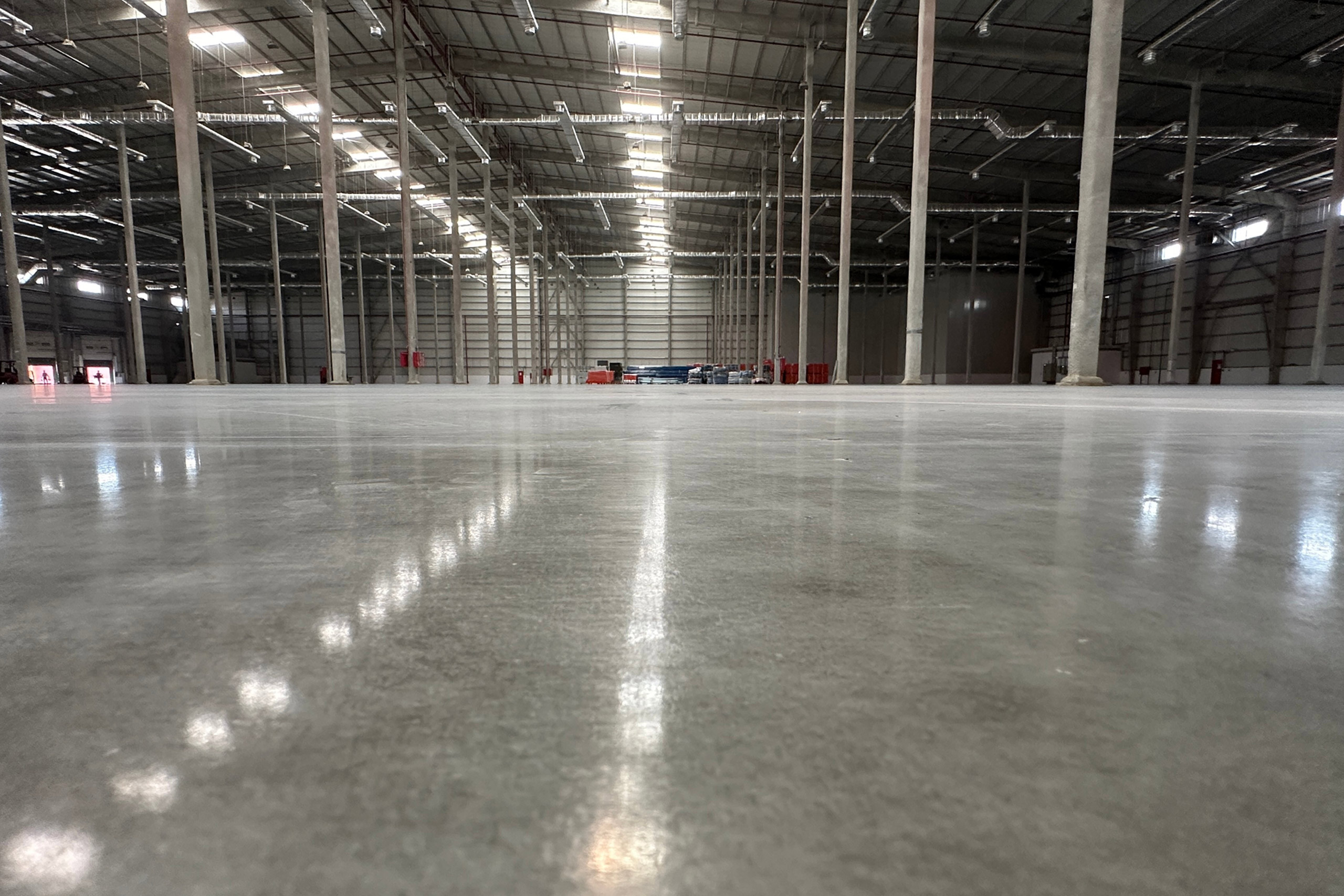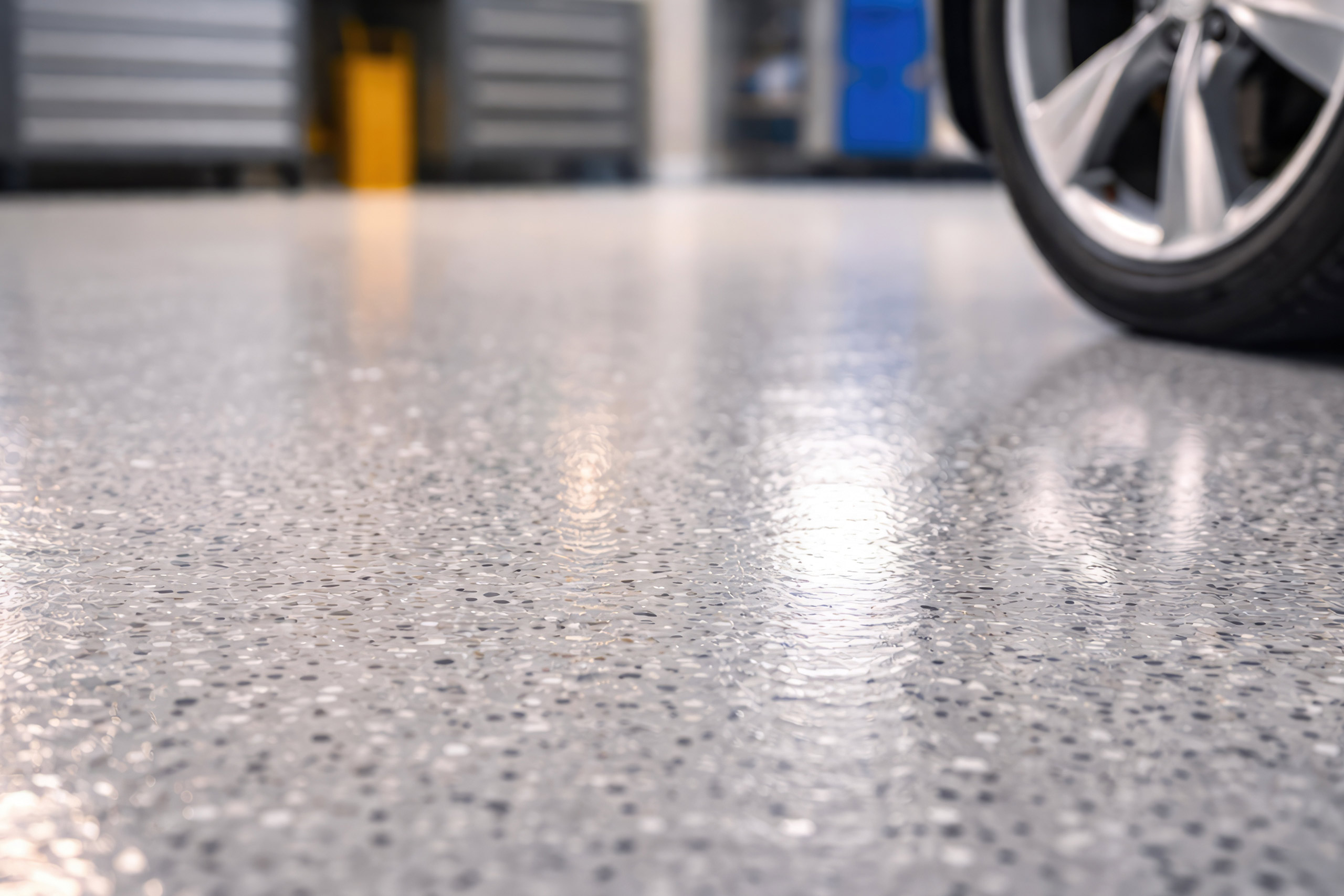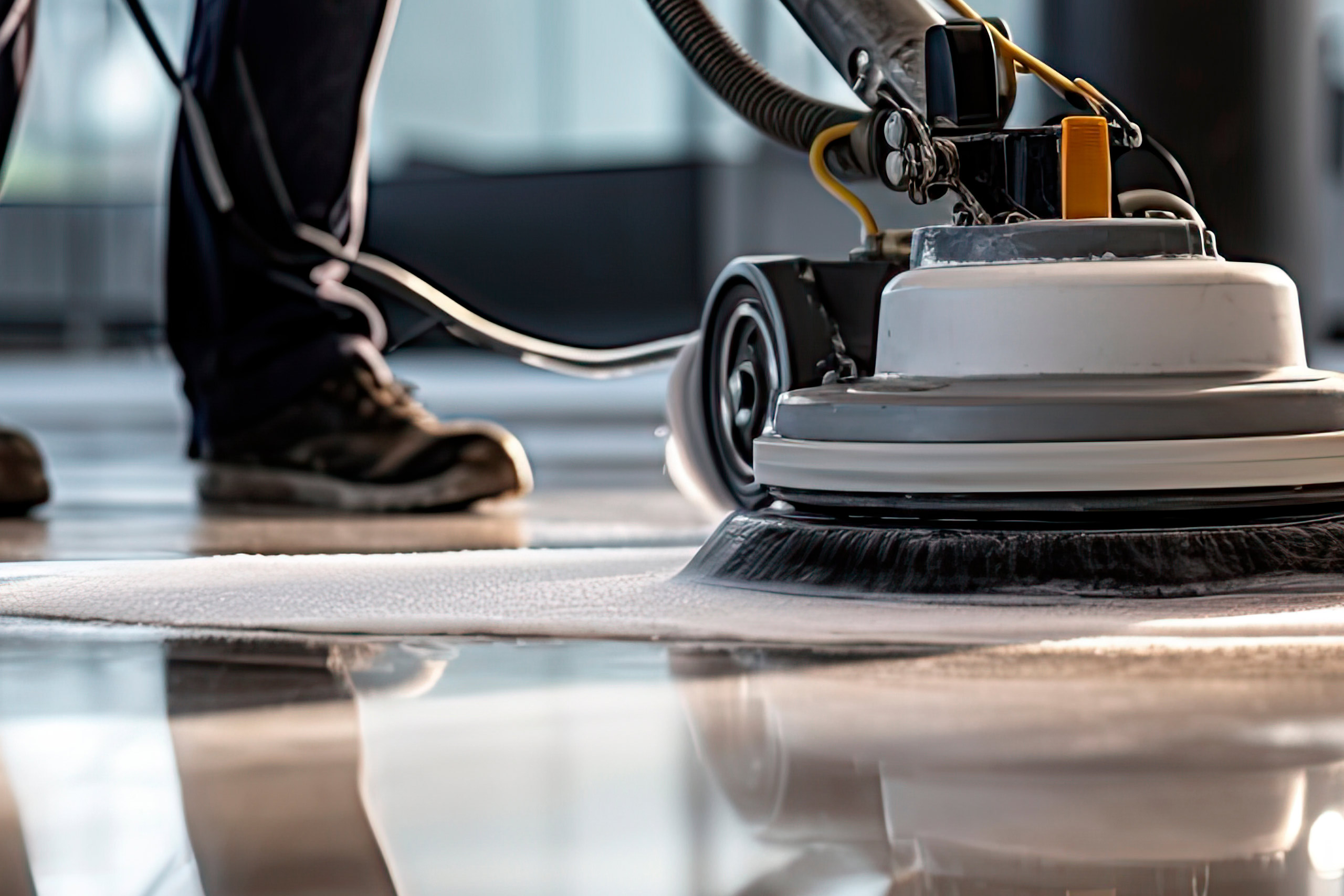
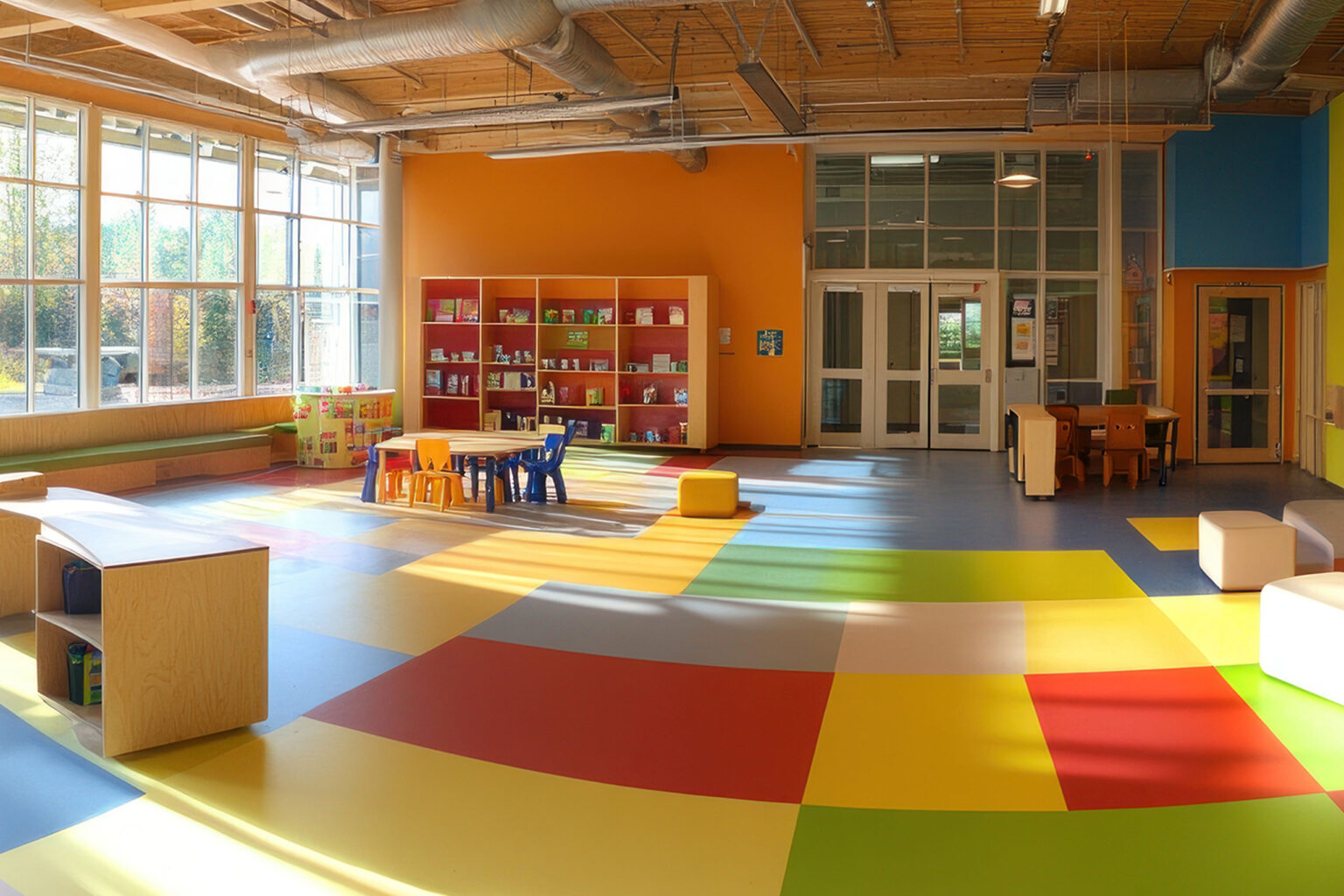
Floor cleaning protocols for schools are structured systems designed to protect students and staff, reduce safety hazards, and maintain healthy indoor environments. Floor cleaning protocols for schools define how school floor cleaning is performed daily, weekly, and seasonally to keep school floors safe, clean, and compliant in commercial buildings.
Educational facilities experience heavy foot traffic, frequent spills, dirt, dust, debris, and exposure to bacteria and germs throughout the school day. Classrooms, hallways, restrooms, cafeterias, and tight areas all require specialized floor care. Schools must use the right equipment, approved cleaning products, and safe disinfectant products to reduce risk and protect health. Scher Flooring Services supports schools with professional school floor cleaning equipment, structured maintenance systems, and education-focused floor care programs that preserve aesthetic appeal while improving indoor air quality.
What Are Floor Cleaning Protocols for Schools and Why Are They Critical for Student Safety?
Floor cleaning protocols for schools are documented procedures that define how cleaning agents, floor cleaning equipment, disinfectants, and custodial team responsibilities are used to maintain safe surfaces. These protocols prevent safety hazards, reduce germs, and ensure that floors remain safe for students and staff throughout the school day.
How Floor Cleaning Protocols Protect School Floors in High-Traffic Areas
School floors in high traffic areas such as hallways and entrances collect dirt, dust, debris, and moisture quickly. Structured cleaning removes loose dirt before it damages surfaces. Regular scrubbing prevents residue buildup. Frequent cleaning reduces wear on vinyl, wood, and concrete floors.
When proper care is followed:
- Dirt does not grind into the surface.
- Residue does not create slip risk.
- Floors maintain durability and safety.
Why School Floor Cleaning Directly Impacts Indoor Air Quality and Health Standards
School floor cleaning affects indoor air quality because dust and bacteria settle on floors and become airborne when disturbed. Daily cleaning reduces airborne particles. Proper disinfectant products kill germs without leaving harmful chemical residue. Eco friendly cleaning agents further support health standards in schools.
Schools that clean daily reduce:
- Germ transmission
- Respiratory irritation
- Long-term health risks
How Proper Floor Care Preserves Safety, Hygiene, and Aesthetic Appeal
Proper floor care protects the surface from scratches, stains, and serious injury risk. Clean floors improve aesthetic appeal and create a safe learning environment. A clean building signals organization, safety, and professionalism.
Understanding why protocols matter leads to the next question: different types of school floors require different cleaning approaches.
What Different Types of School Floors Require Specific Cleaning Protocols?
Schools contain different types of flooring material, including vinyl, wood gym floors, concrete surfaces, and carpets. Each surface requires unique cleaning products, tools, and maintenance frequency.
How Vinyl School Floors Should Be Cleaned
Vinyl floors require neutral detergent or approved cleaning agents that do not damage protective coatings. Daily mopping with clean mop heads removes debris. Visibly soiled areas require targeted scrubbing.
Vinyl surfaces require:
- Clean daily procedures
- Damp mop application
- Correct contact time for disinfectants
- Controlled chemical use
How Gymnasium Wood School Floors Require Specialized Floor Care
Wood gym floors require dry dust removal and controlled washing using approved solution mixtures. Excess moisture damages wood surfaces. Chlorine bleach must never be used directly on wood floors.
Wood floor protocols include:
- Dry dust removal
- Proper detergent dilution
- Controlled moisture exposure
- Professional maintenance scheduling
How Carpeted Areas in Childcare Centers Demand Targeted Cleaning Products
Carpets trap dirt, food particles, body fluids, and bacteria. Frequent cleaning with extraction equipment reduces health risks. High touch surfaces near carpeted play areas must also be disinfected.
Carpet protocols include:
- Vacuuming debris daily
- Spot treatment for spills
- Extraction cleaning during school breaks
How Hard Floor Surfaces in Cafeterias and Restrooms Require Stronger Disinfectant Products
Restrooms and food service areas face exposure to bacteria, food residue, and spills. Disinfectant products must meet product label guidelines and required contact time to kill germs safely.
These areas require:
- More frequent cleaning
- Stronger disinfectants
- Protective gloves during cleaning
- Proper disposal of wipes and trash
After understanding surface variations, schools must define daily procedures that apply across all surfaces.
What Does Daily School Floor Cleaning Include?
Daily school floor cleaning is the foundation of maintenance. It prevents dirt buildup, reduces germs, and keeps school floors safe during the school day.
Why Removing Loose Dirt Is the First Step in School Floor Cleaning
Removing loose dirt prevents scratches and reduces slip risk. A soft broom, vacuum, or microfiber tools remove dust and debris before wet cleaning begins.
Loose debris includes:
- Paper towel fragments
- Food crumbs
- Dust particles
- Small trash pieces
How Routine Dust Mopping Reduces Wear on School Floors
Dust mopping removes surface dirt before it spreads. Clean mop heads prevent cross-contamination between classrooms and hallways. Dirty mop heads spread bacteria instead of removing it.
Why Damp Mopping With Approved Cleaning Products Maintains Surface Protection
A damp mop with approved cleaning products removes remaining residue without oversaturating the surface. Overuse of water creates safety hazards and weakens flooring materials.
Daily cleaning sets the stage for targeted disinfecting procedures in areas that require germ control.
When Should Disinfectant Products Be Used in Schools and Childcare Centers?
Disinfectant products are used when surfaces are visibly soiled, exposed to body fluids, or located in high touch areas. Proper use reduces health risk and supports safe environments.
How Disinfectant Products Differ From General Cleaning Products
Cleaning agents remove dirt. Disinfectants kill germs. Disinfectant products must meet EPA standards and follow product label instructions for contact time.
Why Overuse of Disinfectant Products Can Damage School Floors
Excess disinfectants create residue and chemical buildup. Chlorine bleach can damage surfaces and reduce aesthetic appeal. Proper dilution and limited use protect floors.
What EPA-Approved Disinfectant Products Are Recommended for Educational Settings
Schools should use EPA-approved disinfectants labeled safe for schools. Eco friendly options are preferred when possible. Gloves must be worn during application.
Disinfection requires correct tools and floor cleaning equipment to maintain consistency.
What Floor Cleaning Equipment Is Required for Safe and Efficient School Floor Cleaning?
Floor cleaning equipment improves efficiency, safety, and consistency in large facilities. Schools require commercial-grade cleaning equipment to manage multiple classrooms and hallways daily.
How Auto Scrubbers Improve Consistency in Large School Buildings
Auto scrubbers distribute cleaning solution evenly and collect dirty water efficiently. They reduce labor time and improve surface hygiene in large buildings.
Why Microfiber Mops and HEPA Vacuums Improve Indoor Air Quality
Microfiber mop heads capture fine dust. HEPA vacuums prevent dust from re-entering the air. This improves indoor air quality for students and staff.
How Using the Right Equipment Prevents Surface Damage
Using the right equipment reduces excessive scrubbing and prevents chemical overuse. Proper tools protect new floor installations and extend lifespan.
Cleaning frequency and equipment lead directly to scheduling and maintenance planning.
How Often Should School Floors Be Cleaned and Maintained?
Cleaning frequency depends on foot traffic, age group, and location within the facility. Schools require structured daily, weekly, and seasonal maintenance schedules to reduce safety hazards and maintain health standards.
What Daily, Weekly, and Monthly Floor Cleaning Schedules Look Like
A structured cleaning schedule ensures consistent results.
Daily schedule:
- Remove loose dirt and debris
- Mop high traffic areas
- Disinfect visibly soiled surfaces
- Empty trash and replace liners
Weekly schedule:
- Machine scrubbing in hallways
- Edge cleaning in tight areas
- Inspect for residue buildup
Monthly schedule:
- Deep scrubbing
- Spot restoration
- Review cleaning products performance
Frequent cleaning during the school day may be required in food service areas and restrooms.
How Seasonal Deep Cleaning Supports Long-Term Floor Care
Seasonal cleaning addresses heavy wear from weather changes. Winter months introduce moisture and debris. Summer breaks allow full scrubbing and maintenance without student disruption.
Seasonal maintenance helps:
- Maintain surface integrity
- Prevent embedded dirt
- Restore aesthetic appeal
Why High-Traffic School Areas Require More Frequent Cleaning
Hallways, entrances, cafeterias, and restrooms receive constant foot traffic. These areas require more frequent cleaning to reduce slip risk and bacteria buildup.
Structured scheduling connects directly to safety compliance and regulatory standards.
What Safety Standards Must School Floor Cleaning Protocols Follow in the U.S.?
U.S. schools must follow OSHA guidelines, CDC recommendations, and local health codes when implementing floor cleaning protocols.
How OSHA and CDC Guidelines Influence School Floor Cleaning
OSHA requires safe handling of chemicals, proper storage, and employee protection. CDC guidelines define disinfectant use during outbreaks. Custodial team members must wear gloves and follow safety procedures when handling disinfectants.
Why Slip-Resistance and Wet Floor Signage Are Mandatory
Wet surfaces create serious injury risk. Schools must post caution signs during mopping or washing. Immediate spill response reduces accident potential.
How Proper Chemical Storage Protects Students and Staff
Cleaning products and chemicals must remain easily accessible to staff but locked away from students. Containers must remain labeled according to product label instructions.
Safety compliance determines whether schools manage cleaning internally or outsource to professionals.
Should Schools Use In-House Staff or Professional Floor Cleaning Services?
Schools often rely on an internal custodial team for daily cleaning. However, professional cleaning services offer advanced tools and structured protocols for long-term maintenance.
What Limitations Exist With In-House School Cleaning Teams
Internal teams focus on daily cleaning tasks such as mopping, trash removal, and surface wiping. Large buildings require advanced floor cleaning equipment that may not be available in-house.
How Professional Floor Cleaning Services Improve Consistency and Compliance
Professional providers use commercial-grade equipment, approved cleaning agents, and documented maintenance plans. They follow strict contact time and dilution guidelines.
Scher Flooring Services works with schools to create tailored floor cleaning protocols for schools that address high traffic areas, different types of flooring, and compliance requirements.
Why Professional Cleaning Equipment Delivers Better Results in Large Educational Facilities
Professional cleaning equipment such as auto scrubbers and heavy-duty scrubbers reduces labor strain and ensures even solution application.
Professional oversight supports long-term preservation of school floors.
How Do Structured Floor Cleaning Protocols Extend the Life of School Floors?
Structured maintenance protects surfaces from premature wear and damage. Schools that follow documented protocols reduce repair costs and improve facility safety.
How Preventive Floor Care Reduces Repair Costs
Preventive floor care removes dirt before it embeds into surfaces. Frequent cleaning prevents surface breakdown and reduces the need for premature replacement.
Why Regular Cleaning Protects Surface Integrity
Regular cleaning maintains protective coatings and prevents chemical residue buildup. Surfaces remain durable and resistant to damage.
How Maintaining Aesthetic Appeal Enhances Learning Environments
Clean school floors contribute to a professional appearance. Aesthetic appeal supports pride in the facility and reinforces positive learning environments.
Long-term preservation connects directly to selecting specialized providers.
Why Schools and Childcare Centers Benefit From Partnering With Education-Focused Floor Care Providers
Education facilities require cleaning systems that prioritize health, safety, and durability.
How Industry-Specific Experience Improves School Floor Cleaning Outcomes
Education-focused providers understand classroom layouts, high chair trays in childcare areas, and traffic patterns within schools. They create cleaning systems that reduce risk and improve results.
Why Commercial Floor Cleaning Equipment Matters in Educational Facilities
Commercial equipment handles large square footage efficiently. It reduces downtime and supports safe washing and scrubbing in tight areas.
How Professional Floor Cleaning Protocols Support Long-Term Budget Control
Structured maintenance reduces emergency repairs and extends floor lifespan. Schools protect investments and avoid premature replacement.
Scher Flooring Services provides specialized school floor cleaning programs for commercial buildings across the education sector. Their approach integrates proper care, right equipment, eco friendly cleaning products, and compliance-driven disinfectant use to support health and safety in schools.
What Makes Effective Floor Cleaning Protocols for Schools Sustainable and Safe?
Effective floor cleaning protocols for schools combine daily cleaning, frequent cleaning in high traffic areas, proper disinfectant use, and professional equipment. Schools that clean daily and follow documented maintenance plans reduce bacteria, prevent safety hazards, and maintain surface durability.
A structured system protects students and staff, preserves floors, and supports indoor air quality. Partnering with experienced providers such as Scher Flooring Services ensures that school floor cleaning meets health standards, maintains aesthetic appeal, and delivers consistent results throughout the school year.
Conclusion: Creating a Smarter, Safer Floor Maintenance Plan for Schools
School floor maintenance is a year-round priority. By balancing daily maintenance during class days with deep cleaning during breaks, schools can extend the life of their flooring, maintain safe conditions, and avoid costly repairs. Using the right cleaning products, training staff, installing walk-off mats, and working with commercial floor cleaning professionals helps create cleaner, healthier learning environments.
Whether it’s high foot traffic zones or quiet administrative areas, every surface benefits from a customized, consistent, and well-timed maintenance plan—ultimately saving your school time, money, and stress.
Stay Updated!
Sign up for email updates and stay in the loop about about our services and promotions.
We’re here to answer any questions you have about our commercial floor cleaning, restoration, and maintenance services.
Get a Free Quote Today!
Scher Flooring Services is a locally and family owned and operated commercial floor cleaning, maintenance and restoration company in business for over 25 years.
"*" indicates required fields