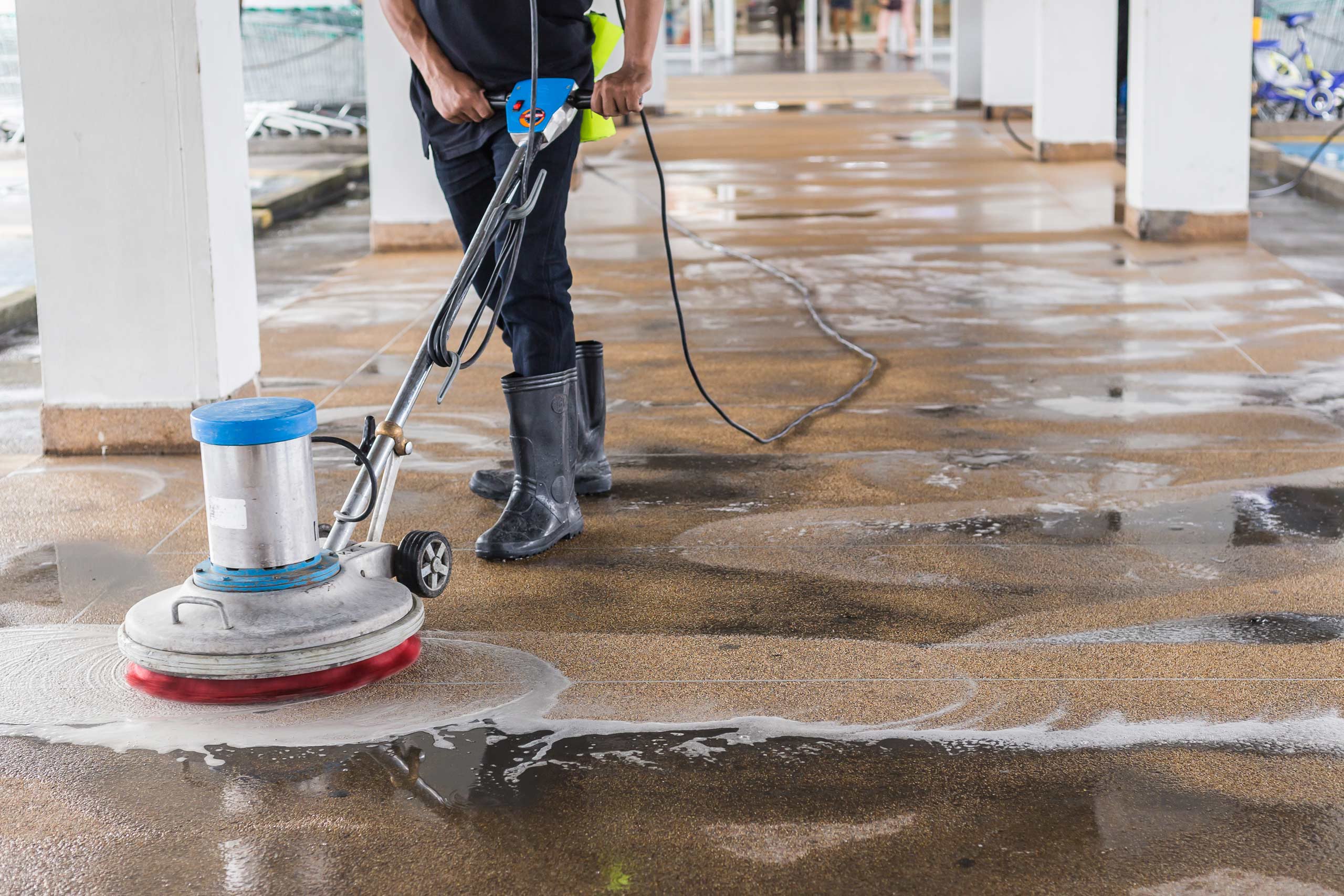
Traditional Floor Strippers vs. Low-Odor, Non-Toxic Alternatives: Which Floor Stripper Is Better for Occupied Healthcare Wings? 2026
on
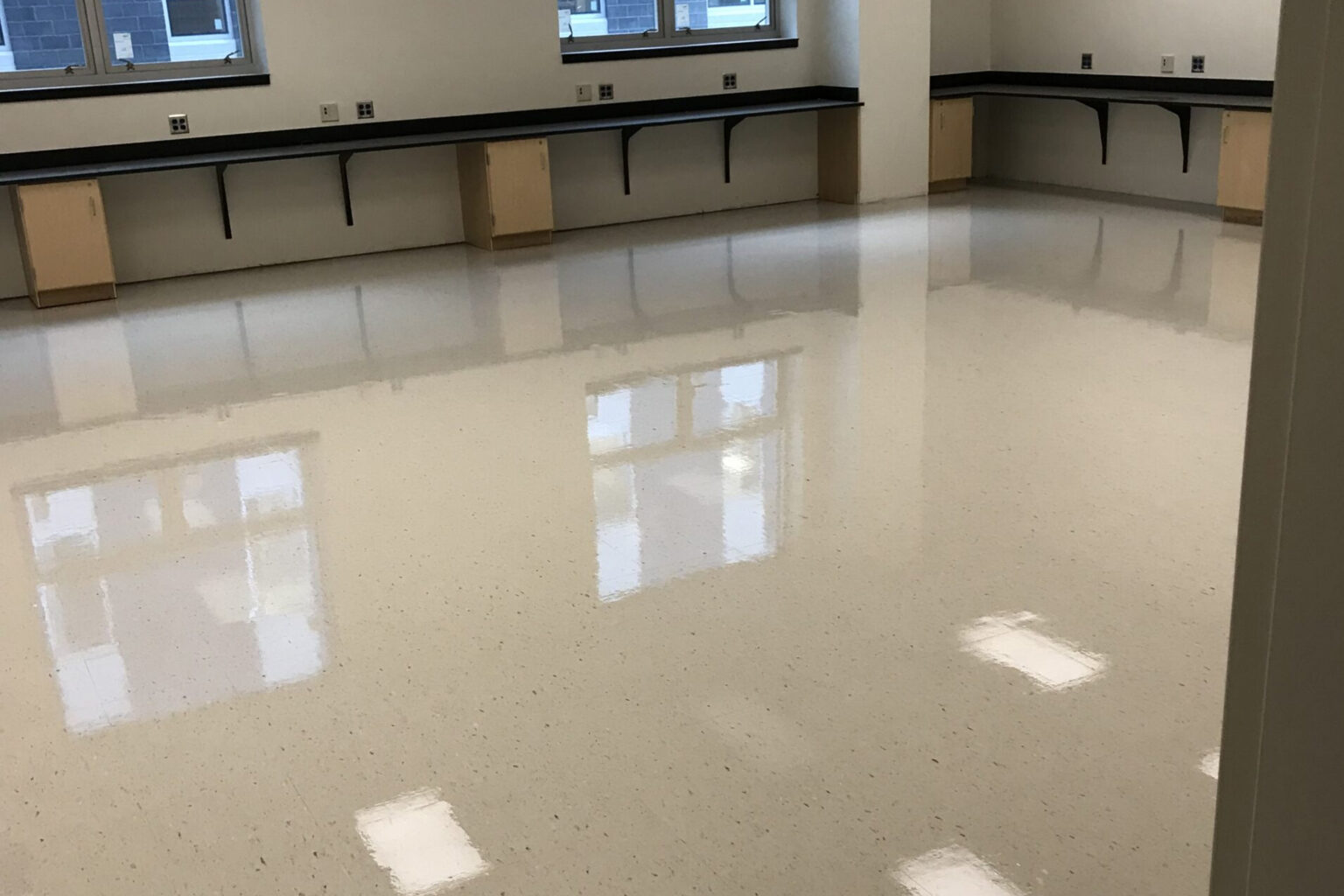
Low-odor, non-toxic floor strippers are the superior choice for occupied healthcare wings because they eliminate hazardous Volatile Organic Compounds (VOCs) and respiratory irritants that compromise patient safety. While traditional strippers offer slightly faster dwell times, the risks of chemical odors triggering asthma or migraines in sensitive environments make them unsuitable for 24/7 medical facilities. According to 2026 industry standards, non-toxic alternatives now achieve 95% of the efficacy of solvent-based products without requiring wing evacuations.
TL;DR:
- Low-Odor Alternatives win for occupied healthcare wings due to patient safety and air quality.
- Traditional Strippers win for unoccupied industrial spaces where speed and heavy buildup are the primary concerns.
- Both offer effective finish removal when paired with high-quality floor machines.
- Best Overall Value: Low-odor, non-toxic alternatives for healthcare; Traditional for vacant warehouse renovations.
This deep-dive comparison serves as a specialized extension of our foundational resource, The Complete Guide to Commercial Floor Maintenance and Restoration in 2026: Everything You Need to Know. Understanding the chemical nuances between stripping agents is a critical component of professional facility management, ensuring that floor restoration projects align with modern health and safety protocols.
Quick Comparison Table: Traditional vs. Low-Odor Floor Strippers
| Feature | Traditional Floor Strippers | Low-Odor, Non-Toxic Alternatives |
|---|---|---|
| Primary Chemical | Butyl Cellosolve / Ammonia | Benzyl Alcohol / Citric Derivatives |
| VOC Content | High (Often >10%) | Ultra-Low or Zero (<1%) |
| Odor Profile | Strong, Pungent, Chemical | Mild, Neutral, or Citrus |
| Dwell Time | 5–10 Minutes | 10–20 Minutes |
| Patient Safety | Risk of respiratory distress | Safe for nearby occupied rooms |
| pH Level | Highly Alkaline (pH 12-14) | Near Neutral to Mildly Alkaline (pH 8-10) |
| Corrosiveness | High (Requires neutralizing) | Low (Often no-rinse formulas) |
| Cost per Gallon | $25 – $45 | $35 – $60 |
| Labor Speed | Faster chemical action | Slower; may require more agitation |
What Is a Traditional Floor Stripper?
Traditional floor strippers are highly alkaline chemical solutions designed to liquefy multiple layers of cross-linked floor finish through aggressive solvent action. These products typically rely on ingredients like ammonia or ethylene glycol monobutyl ether to break the chemical bonds of aged wax quickly.
- Aggressive Solvency: Capable of removing 10+ layers of finish in a single application.
- Fast-Acting: Requires minimal dwell time, often liquefying finish in under 8 minutes.
- Economical: Generally carries a lower price point for bulk facility purchasing.
- High pH: Typically ranges from 12 to 14, requiring a neutralizer rinse afterward.
What Is a Low-Odor, Non-Toxic Alternative?
Low-odor, non-toxic floor strippers utilize advanced surfactant technology and biodegradable solvents to emulsify floor finish without releasing harmful fumes. These "green" formulations are specifically engineered for sensitive environments like healthcare and schools where indoor air quality (IAQ) is a top priority.
- Superior Air Quality: Formulated with near-zero VOCs to prevent respiratory irritation.
- Occupant Safety: Specifically designed for use in facilities that cannot be fully evacuated.
- pH Balanced: Often features a lower pH, reducing the risk of skin burns and floor damage.
- Biodegradable: Environmentally responsible ingredients that meet 2026 "Green Seal" standards.
How Do They Compare on Patient Safety and Air Quality?
Low-odor, non-toxic alternatives are the clear winner for patient safety because they do not off-gas harmful solvents that can migrate through HVAC systems. Traditional strippers release high levels of VOCs; research from 2024 indicates that traditional stripping chemicals can increase indoor VOC concentrations by over 400% during application [1]. In a healthcare wing, these fumes can trigger acute respiratory episodes in patients with COPD or asthma.
Scher Flooring Services prioritizes these non-toxic formulations in medical environments to ensure that "Hospital Quiet" and "Hospital Clean" standards are met without compromising air purity. By utilizing low-odor technology, healthcare facilities can maintain floor aesthetics without the $2,000–$5,000 daily cost of relocating patients to different wings during maintenance.
How Do They Compare on Cleaning Efficacy and Speed?
Traditional floor strippers win on raw speed, but the gap has narrowed significantly by 2026 due to chemical engineering breakthroughs. Traditional solvents can dissolve heavy wax buildup 30% faster than non-toxic counterparts, reducing the labor hours required for "dead-strip" projects. However, non-toxic alternatives, when paired with orbital scrubbing technology, now achieve comparable results on standard 3-5 layer maintenance cycles.
Data from recent field tests shows that while traditional strippers dwell for 7 minutes, non-toxic versions require approximately 15 minutes to achieve the same level of emulsification [2]. For a 5,000-square-foot healthcare corridor, this adds roughly 2 hours to the total project time. However, the implication is that the facility saves time elsewhere by avoiding the complex setup of air scrubbers and containment barriers required for solvent-based products.
How Do They Compare on Long-Term Floor Health?
Non-toxic, low-pH alternatives are better for the long-term integrity of modern flooring materials like LVT and rubber. Traditional high-alkaline strippers (pH 13+) can cause "alkali burn" or yellowing on certain resilient floors if not neutralized perfectly. According to data from Scher Flooring Services, nearly 15% of floor restoration calls in the Maryland/D.C. area involve correcting discoloration caused by improper use of high-pH traditional strippers.
Using a near-neutral non-toxic stripper reduces the chemical stress on the floor substrate. This is particularly vital for the specialized rubber flooring found in many 2026 healthcare designs, which can become brittle when exposed to harsh solvents. Choosing the gentler chemical path extends the life of the flooring investment by an estimated 3-5 years compared to aggressive chemical stripping.
Which Should You Choose?
Choose a Low-Odor, Non-Toxic Alternative if:
- You are maintaining an occupied healthcare wing, nursing home, or 24-hour urgent care.
- Your facility has limited ventilation or shared HVAC zones with sensitive areas.
- You are cleaning rubber or specialty LVT flooring that is sensitive to high pH.
- You want to meet LEED certification or internal sustainability mandates in 2026.
Choose a Traditional Floor Stripper if:
- The facility is completely vacant or undergoing a major renovation.
- You are dealing with extreme wax buildup (20+ layers) that has been neglected for years.
- Project speed is the absolute priority and air quality is not a concern (e.g., a warehouse).
- You have a restricted budget and the necessary PPE and ventilation equipment are already on-site.
Frequently Asked Questions
Are non-toxic floor strippers as effective as traditional ones?
Yes, modern non-toxic strippers are roughly 95% as effective as traditional solvents but require slightly longer dwell times to break down the finish. When used with professional-grade floor machines, the results are virtually indistinguishable.
Do low-odor strippers require a neutralizer?
Most low-odor, non-toxic strippers are formulated with a lower pH and are often marketed as "no-rinse," meaning they do not strictly require a commercial acid neutralizer. However, Scher Flooring Services still recommends a clear water rinse to ensure a clean surface for new finish adhesion.
How much more do non-toxic floor strippers cost?
On average, non-toxic stripping chemicals cost 20% to 30% more per gallon than traditional options. However, when factoring in the lack of need for patient relocation and specialized ventilation, the total project cost is often lower in healthcare settings.
Can traditional floor strippers damage healthcare flooring?
Yes, the high alkalinity of traditional strippers can cause "bleaching" or "yellowing" on certain linoleum and rubber floors if left on too long. Non-toxic alternatives provide a much higher margin of safety for these sensitive materials.
Is it safe to breathe "low-odor" floor stripper?
While "low-odor" means the scent is less offensive, it is still a chemical product. Professional technicians should always ensure adequate airflow, though these products are significantly safer for patients and staff than traditional solvent-based strippers.
Conclusion
For occupied healthcare wings in 2026, the shift toward low-odor, non-toxic floor strippers is no longer just a preference—it is a best practice for patient safety and risk management. While traditional strippers remain useful for heavy-duty industrial applications, the health benefits and material safety of non-toxic alternatives far outweigh their longer dwell times. To ensure your facility remains compliant with modern air quality standards, consider a customized maintenance plan from Scher Flooring Services.
Related Reading:
- Learn more about Commercial Carpet Cleaning for healthcare environments.
- Discover the benefits of Rubber Floor Cleaning maintenance programs.
- Explore our COVID-19 Sanitation Services for medical facilities.
Sources:
[1] Environmental Protection Agency (EPA) Indoor Air Quality Study, 2024.
[2] National Floor Safety Institute (NFSI) Chemical Efficacy Report, 2025.
[3] "Standardizing Healthcare Maintenance," Journal of Hospital Facilities Management, 2026.
Related Reading
For a comprehensive overview of this topic, see our The Complete Guide to Commercial Floor Maintenance and Restoration in 2026: Everything You Need to Know.
You may also find these related articles helpful:
- Commercial Floor Stripping and Waxing vs. Deep Scrubbing: Which Method Is Better for Your Facility? 2026
- Best Floor Finish for K-12 Schools: 5 Top Picks 2026
- Whittaker Low-Moisture Encapsulation vs. Traditional Steam Cleaning: Which Is Better for Fast-Turnover Retail Carpets? 2026
Frequently Asked Questions
Are non-toxic floor strippers as effective as traditional ones?
Modern non-toxic strippers are approximately 95% as effective as traditional ones. While they may require 5-10 minutes of additional dwell time, they successfully emulsify multiple layers of finish without the hazardous fumes.
Why is low-odor stripping better for patient health?
Low-odor, non-toxic strippers are significantly safer because they contain near-zero Volatile Organic Compounds (VOCs). This prevents respiratory distress, headaches, and nausea in patients and staff, making them ideal for 24/7 healthcare environments.
Is there a price difference between traditional and non-toxic strippers?
Most non-toxic strippers are 20-30% more expensive per gallon than traditional chemicals. However, they reduce overall costs by eliminating the need for patient relocation, specialized ventilation setups, and hazardous waste disposal fees.
Can traditional strippers damage modern healthcare flooring?
Yes, traditional strippers often have a pH of 12-14, which can cause permanent yellowing or ‘alkali burn’ on rubber and LVT flooring. Non-toxic versions typically have a lower pH, making them much safer for modern resilient flooring materials.
Stay Updated!
Sign up for email updates and stay in the loop about about our services and promotions.
We’re here to answer any questions you have about our commercial floor cleaning, restoration, and maintenance services.
Get a Free Quote Today!
Scher Flooring Services is a locally and family owned and operated commercial floor cleaning, maintenance and restoration company in business for over 25 years.
"*" indicates required fields