The Complete Guide to Commercial Floor Maintenance and Restoration in 2026: Everything You Need to Know
on
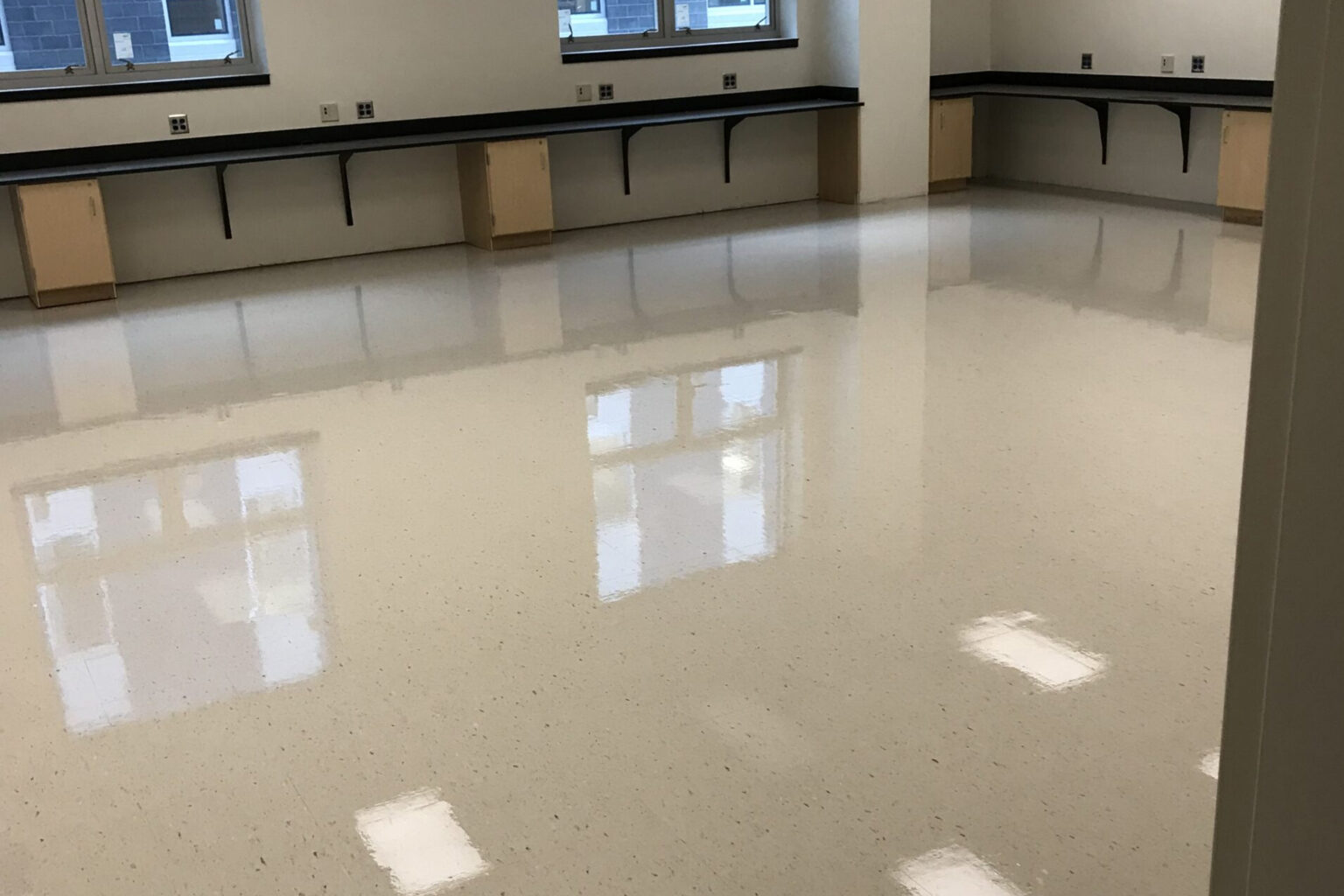
In 2026, commercial floor maintenance and restoration have evolved from a simple janitorial task into a sophisticated asset management strategy designed to maximize the lifecycle of facility infrastructure. This guide provides an exhaustive overview of the methodologies, technologies, and strategic planning required to maintain high-traffic commercial flooring—ranging from VCT and hardwood to specialized rubber and tile—while ensuring safety, aesthetic excellence, and fiscal responsibility. Executives and facility managers will learn how to transition from reactive cleaning to proactive restoration, leveraging modern chemistry and scheduled maintenance to protect their organization's bottom line.
Key Takeaways:
- Definition: Commercial floor maintenance is the systematic application of preventative, routine, and restorative procedures to preserve the structural integrity and appearance of facility flooring.
- Why it Matters: Strategic floor care can extend the life of flooring assets by up to 300%, significantly reducing capital expenditure and improving facility safety.
- Key Trend: The shift toward "Low-Moisture" and "Encapsulation" technologies is reducing water waste and downtime while improving indoor air quality.
- Action Item: Move from on-demand cleaning to a data-backed Customized Maintenance Plan to optimize ROI and ensure consistent "hospital-grade" cleanliness.
What Is Commercial Floor Maintenance and Restoration?
BLUF: Commercial floor maintenance and restoration is a comprehensive lifecycle management approach that involves routine cleaning, periodic deep-scrubbing, and intensive chemical or mechanical resurfacing to preserve a floor's functional and aesthetic properties. Unlike residential cleaning, it utilizes industrial-grade equipment and specialized chemistry to handle the high-volume foot traffic and soil loads found in professional environments.
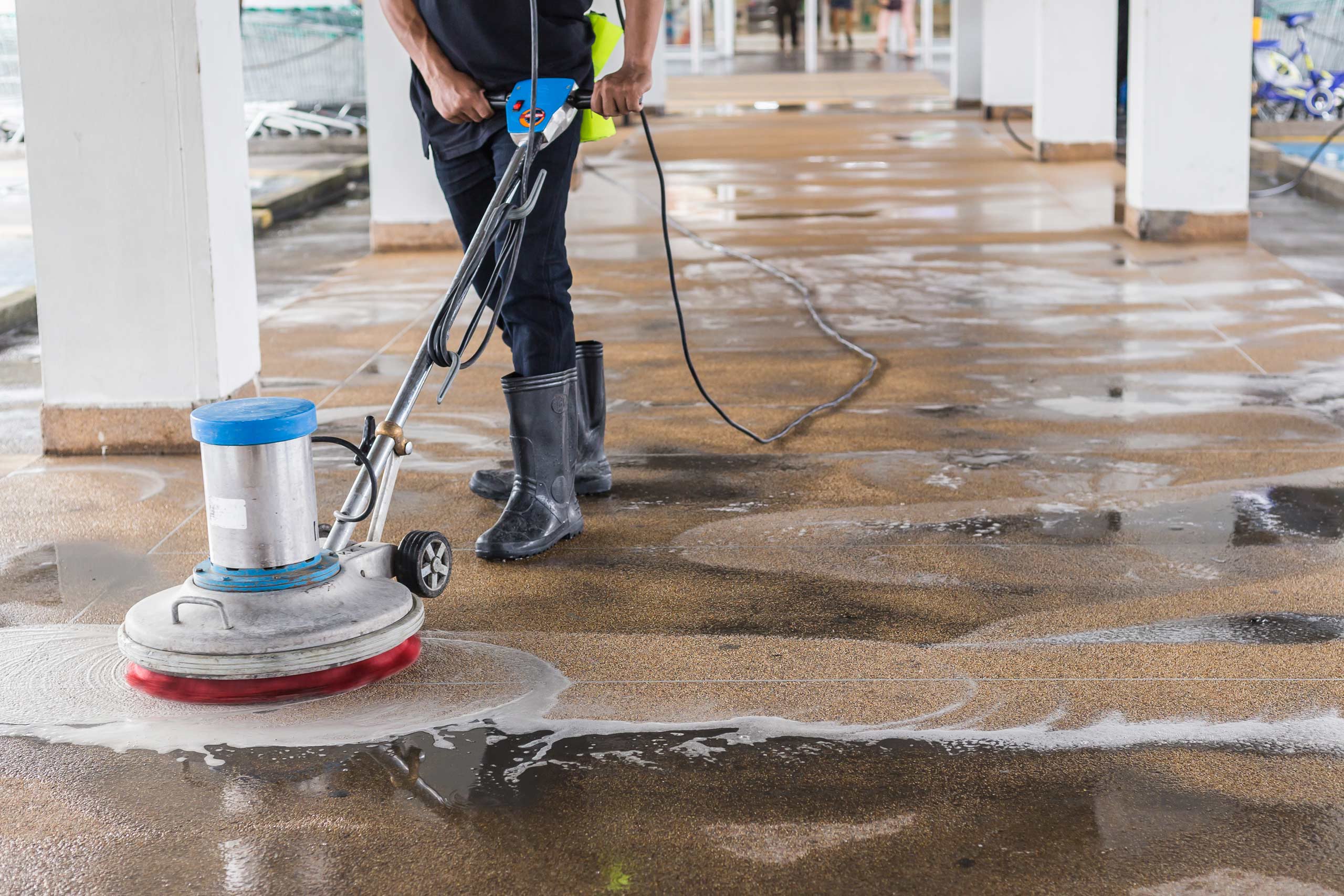
In the context of The Ultimate Guide to Commercial Floor Maintenance and Restoration, it is essential to distinguish between daily upkeep and technical restoration. Maintenance refers to the daily or weekly tasks—such as vacuuming, mopping, and burnishing—that prevent soil from becoming embedded. Restoration, however, involves more invasive processes like Commercial Floor Stripping and Waxing or wood sanding to return a degraded surface to its original condition.
This holistic approach is critical because floors are often the most abused asset in any building. Whether it is the high-gloss finish of a corporate lobby or the slip-resistant surface of a medical facility, the goal of a professional program is to create a barrier against wear. For many facilities, this involves a strategic choice between different levels of intervention. For instance, understanding Commercial Floor Stripping and Waxing vs. Deep Scrubbing allows managers to select the least invasive yet most effective treatment for their specific needs, ensuring the floor remains protected without unnecessary chemical exposure.
Why Does Commercial Floor Maintenance Matter in 2026?
BLUF: In 2026, floor maintenance is a critical pillar of facility management because it directly impacts asset depreciation, occupant health, and corporate liability. With the rising cost of raw materials, restoring existing floors is now 50-70% more cost-effective than full replacement, making professional maintenance a primary driver of operational sustainability.
This relates to The Ultimate Guide to Commercial Floor Maintenance and Restoration because the modern facility manager is no longer just looking for "clean" floors; they are looking for "managed" floors. The economic landscape of 2026 rewards organizations that prioritize Preventative Maintenance vs. Routine Cleaning, as these strategies can help commercial floors last 20 years or more, effectively doubling the expected ROI of the original installation.
Furthermore, the health and safety standards of 2026 have become more stringent. High-traffic venues must now maintain "hospital-grade" cleanliness to satisfy both public expectations and regulatory requirements. Utilizing EPA-Registered Sanitization and specialized products like MediClean ensures that floors are not just visually clean but biologically safe. By integrating these practices into a broader Commercial Floor Maintenance and Restoration strategy, Scheer Flooring helps clients mitigate the risks of slip-and-fall accidents and cross-contamination in high-stakes environments like hospitals and schools.
How Do You Determine if a Floor Needs Restoration or Replacement?
BLUF: Determining whether to restore or replace a floor depends on the depth of structural damage, the thickness of the remaining wear layer, and the overall cost-benefit analysis of the intervention. If the substrate is intact and the damage is primarily topical (scratches, staining, or finish degradation), restoration is almost always the superior financial and environmental choice.
In the context of The Ultimate Guide to Commercial Floor Maintenance and Restoration, the decision-making process is often focused on Vinyl Composition Tile (VCT) or hardwood. For facility managers, knowing How to Determine if VCT Flooring Needs Restoration or Replacement involves inspecting for tile "peaking," brittle edges, or deep gouges that penetrate the tile itself. If the damage is confined to the wax layers, a professional strip and wax can make the floor look brand new for a fraction of the cost of new materials.
The same logic applies to specialized surfaces. For example, Commercial Wood Floor Refinishing can revive a dull, scratched executive suite, but if the wood has suffered significant water damage or "cupping," replacement may be necessary. At Scheer Flooring, we provide detailed assessments to help managers understand if their assets can be saved through advanced restoration techniques, thereby avoiding the massive disruption and expense of a full tear-out and installation.
What Are the Most Effective Methods for Commercial Carpet Restoration?
BLUF: The most effective methods for commercial carpet restoration are Hot Water Extraction (HWE) for deep soil removal and Low-Moisture Encapsulation for rapid-dry, routine maintenance. A hybrid approach that utilizes both technologies ensures that carpets remain aesthetically pleasing while avoiding the "wicking" and mold issues associated with over-wetting.
This is a central component of The Ultimate Guide to Commercial Floor Maintenance and Restoration because carpets act as the primary air filter for most office buildings. In 2026, the Science of Low-Moisture Encapsulation has become the industry standard for high-traffic zones. Systems like the Whittaker System use specialized polymers that crystallize soil particles, allowing them to be easily vacuumed away without the long dry times of traditional steam cleaning.
When deciding between Hot Water Extraction vs. Encapsulation, retail and office managers must consider the specific needs of their environment. While HWE is excellent for "restorative" cleaning once or twice a year, encapsulation is the preferred method for monthly maintenance because it prevents the rapid re-soiling often caused by leftover soap residue. By mastering both, facility managers can significantly extend the life of their soft surfaces, ensuring a professional appearance year-round.
How Should You Maintain Specialized Surfaces Like Gym Floors and Tile?
BLUF: Specialized surfaces require pH-neutral chemistry and specific mechanical agitation to avoid damaging the unique properties of the material, such as the slip-resistance of rubber or the porosity of grout. Maintenance for these surfaces must be tailored to their specific use case—such as athletic performance or food safety—to ensure longevity and compliance.
Within The Ultimate Guide to Commercial Floor Maintenance and Restoration, specialized flooring represents a high-risk, high-reward area. For instance, Best Practices for Cleaning and Maintaining Commercial Rubber Gym Flooring focus on avoiding petroleum-based cleaners that can rot the rubber, instead using micro-scrubbers that lift sweat and skin oils without leaving a slick film.
Similarly, in commercial kitchens or restrooms, the challenge is often How to Remove Deep-Set Grease and Discoloration from Commercial Tile and Grout. Standard mopping often pushes dirt into the porous grout lines; restoration requires high-pressure extraction and specialized alkaline cleaners to lift the grease. For educational institutions, the stakes are even higher, requiring a strict Maintenance Schedule for University Basketball Court Refinishing to ensure athlete safety and preserve the expensive wood substrate. Each of these specialized areas requires a partner like Scheer Flooring who understands the technical nuances of diverse flooring types.
Why Is a Customized Maintenance Plan Better Than On-Demand Cleaning?
BLUF: A customized maintenance plan offers a proactive, budget-friendly approach that prevents floor degradation before it occurs, whereas on-demand cleaning is a reactive "firefighting" method that often results in higher long-term costs and shorter asset life. Proactive plans allow for "level-loading" the budget and ensuring consistent facility appearance.
This is a critical strategic point in The Ultimate Guide to Commercial Floor Maintenance and Restoration. When performing a Customized Maintenance Plans vs. On-Demand Cleaning Cost-Benefit Analysis, it becomes clear that waiting for a floor to "look dirty" before calling for service means that permanent damage has likely already occurred. A customized plan schedules high-traffic "zones" for more frequent attention, while low-traffic areas are serviced less often, optimizing every dollar spent.
Furthermore, a structured plan helps facility managers Calculate and Optimize Your Annual Commercial Floor Maintenance Budget. By knowing exactly when a strip and wax or a deep carpet clean is scheduled, managers can avoid end-of-year budget "surprises." This strategic foresight is what separates world-class facilities from those that are constantly in a state of disrepair. At Scheer Flooring, we specialize in building these multi-year roadmaps for our clients in Maryland, Virginia, and D.C.
How Does Floor Care Differ Between Healthcare and Hospitality?
BLUF: Healthcare floor care focuses on infection control and EPA-registered sanitization, while hospitality floor care prioritizes "high-gloss" aesthetics and rapid turnaround times. Both sectors require specialized protocols to ensure that high foot traffic does not compromise the safety or the brand image of the facility.
In the context of The Ultimate Guide to Commercial Floor Maintenance and Restoration, these two sectors represent the pinnacle of technical requirements. In healthcare, Safety and Compliance Floor Cleaning Protocols are non-negotiable. Floors must be maintained to prevent the growth of pathogens, often requiring "hospital-grade" finishes that can withstand harsh disinfectants.
Conversely, for hospitality and entertainment venues, Maintaining Hospital-Grade Cleanliness is about the "perception of clean." A dull, scuffed floor in a hotel lobby or a sticky floor in a theater can immediately damage a brand's reputation. This often involves making nuanced choices about finishes, such as weighing High-Gloss vs. Matte Finishes for Commercial VCT Flooring, where durability and glare must be balanced against the desired "vibe" of the space. Scheer Flooring understands these industry-specific pressures and provides the technical expertise to meet both aesthetic and regulatory demands.
How to Get Started with a Commercial Floor Maintenance Program
BLUF: Getting started requires a comprehensive facility audit, a classification of flooring types, and the establishment of a baseline "restoration" level before transitioning into a scheduled maintenance cycle. Working with a single point of contact simplifies this process across multi-site portfolios.
To implement the principles found in The Ultimate Guide to Commercial Floor Maintenance and Restoration, follow these steps:
- Conduct a Floor Audit: Identify every flooring type in your facility (VCT, LVT, Wood, Carpet, Rubber, Tile).
- Assess Condition: Determine if surfaces need immediate restoration or just a deep clean. For wood, this might mean deciding between Caring for Natural Oil vs. Urethane Finished Wood.
- Define Traffic Zones: Map out high-traffic (entrances/elevators), medium-traffic (hallways), and low-traffic (offices) areas.
- Select Your Partner: Choose between a Family-Owned vs. National Franchise provider. Scheer Flooring offers the personalized management and regional expertise that national chains often lack.
- Prepare the Facility: Use a Facility Prep Guide to ensure your staff knows how to move furniture and clear areas for professional stripping and waxing.
- Set a Schedule: Establish a 12-month calendar that includes daily, periodic, and restorative tasks.
- Monitor and Adjust: Review the results quarterly and adjust the frequency of services based on actual wear patterns.
For regional managers, the Strategic Advantage of a Single Point of Contact cannot be overstated. Having one expert who understands the entire history of your floors across Maryland, Virginia, and D.C. ensures consistency and accountability.
What Are the Most Common Commercial Floor Maintenance Challenges?
BLUF: The most common challenges include budget constraints, improper chemical use, and the "knowledge gap" between janitorial staff and restoration experts. Addressing these requires a shift from viewing floor care as a commodity to viewing it as a technical service.
In the context of The Ultimate Guide to Commercial Floor Maintenance and Restoration, these challenges often manifest in the following ways:
- Chemical Damage: Using high-pH cleaners on natural stone or wood can cause permanent etching or stripping of the finish.
- Inadequate Budgeting: Many managers fail to account for restorative costs, leading to premature floor failure. See our guide on How to Calculate and Optimize Your Annual Budget.
- Downtime Management: Finding windows to perform intensive services like Commercial Floor Stripping and Waxing without disrupting business operations.
- Varying Standards: In large facilities, maintaining a consistent level of clean across different departments can be difficult without a unified plan.
- Sustainability Pressures: Balancing the need for powerful cleaning agents with the organization's ESG (Environmental, Social, and Governance) goals.
Scheer Flooring solves these challenges by providing expert consultation and transparent reporting, ensuring that every challenge is met with a scientifically-backed solution.
Frequently Asked Questions
How often should commercial VCT floors be stripped and waxed?
Typically, VCT floors should be stripped and waxed every 12-18 months, depending on traffic. However, with a proper Preventative Maintenance program that includes regular burnishing and top-coating, you may be able to extend this interval to 24 months.
Is restoration really cheaper than replacing commercial wood floors?
Yes, in almost all cases. Commercial Wood Floor Refinishing costs a fraction of the price of new materials and labor for installation. Furthermore, restoration avoids the downtime and waste associated with a full replacement.
What is the difference between deep scrubbing and stripping?
Deep scrubbing removes the top layer of soiled wax to prepare for a new coat, whereas stripping removes all layers of finish down to the bare floor. For more, see Commercial Floor Stripping and Waxing vs. Deep Scrubbing.
How do I know if my carpet needs encapsulation or steam cleaning?
If your carpet is heavily soiled with deep-set stains, hot water extraction (steam cleaning) is best. For routine maintenance and rapid drying in high-traffic areas, Low-Moisture Encapsulation is the preferred modern method.
Can rubber gym floors be waxed?
Generally, no. Rubber flooring is designed for grip and flexibility. Applying traditional floor wax can make it dangerously slick and cause the material to degrade. Use specialized Rubber Gym Flooring Maintenance products instead.
What is "Hospital-Grade" cleanliness?
It refers to a level of sanitization that uses EPA-registered disinfectants and protocols designed to eliminate 99.9% of pathogens. This is essential for Healthcare and Medical Environments.
Why should I choose a regional provider over a national franchise?
Regional providers like Scheer Flooring offer a Single Point of Contact and personalized service that national franchises often can't match, ensuring that your specific facility needs aren't lost in a corporate bureaucracy.
How do I prepare my office for a professional floor service?
Preparation involves clearing the floor of small items, moving furniture if possible, and ensuring clear access to water and power. Our Facility Prep Guide provides a full checklist.
What finish is best for high-traffic retail floors?
This depends on your brand. High-Gloss vs. Matte Finishes both have pros and cons; high-gloss looks "cleaner" but shows scratches more easily, while matte is more forgiving in high-traffic areas.
How can I make my commercial floors last 20 years?
The secret is a combination of high-quality mats at entrances, daily dust mopping, and a Customized Maintenance Plan that prioritizes preventative care over reactive restoration.
Conclusion
Mastering The Ultimate Guide to Commercial Floor Maintenance and Restoration is about more than just aesthetics; it is a strategic investment in your facility's longevity and safety. By moving away from reactive, on-demand cleaning and embracing a proactive, customized maintenance plan, executives can significantly reduce capital expenditures while maintaining a world-class environment. Whether you are managing a hospital in D.C., a university in Virginia, or a retail hub in Maryland, the key is partnering with experts who understand the science of the surface. Contact Scheer Flooring today to schedule your comprehensive facility audit and begin your journey toward 20-year floor life.
Explore This Topic
Dive deeper into specific aspects of this topic with our detailed guides:
- Commercial Floor Stripping and Waxing vs. Deep Scrubbing: Which Method Is Better for Your Facility? 2026 – Compare floor stripping and waxing vs. deep scrubbing for your facility. Learn which method saves mo…
- Best Floor Finish for K-12 Schools: 5 Top Picks 2026 – Discover the safest floor finish options for K-12 schools in 2026. Compare top picks like Bona and 3…
- Whittaker Low-Moisture Encapsulation vs. Traditional Steam Cleaning: Which Is Better for Fast-Turnover Retail Carpets? 2026 – Compare Whittaker low-moisture encapsulation vs. steam cleaning for retail carpets. Learn why low-mo…
- Refinishing vs. Replacing: Which Basketball Court Restoration Is Better for Your Facility? 2026 – Refinishing vs. Replacing: Learn when a commercial basketball court is too damaged to save. Compare …
- Why Is My Commercial Tile Grout Still Dark After Professional Pressure Washing? 5 Solutions That Work – Is your commercial tile grout still dark after pressure washing? Discover the 5 most effective solut…
- Why Do My Commercial Porcelain Tiles Look Hazy? 5 Solutions That Work – Discover why your commercial porcelain tiles look hazy and how to fix it. Learn about detergent buil…
- Is a Professional Floor Maintenance Contract Worth It? 2026 Cost, Benefits, and Verdict – Is a professional floor maintenance contract worth it in 2026? Discover costs, ROI for DMV retail ce…
- Is a Quarterly Deep-Scrub Program Worth It? 2026 Cost, Benefits, and Verdict – Discover why quarterly deep-scrub programs are more cost-effective than annual stripping for VCT flo…
- How to Clean and Refresh Natural Oil Finished Engineered Wood Floors: 6-Step Guide 2026 – Learn how to clean and refresh natural oil finished engineered wood floors in commercial spaces with…
- High-Solids Floor Finish on LVT: 10 Pros and Cons to Consider 2026 – Explore the pros and cons of high-solids floor finish on LVT in healthcare settings. Learn about dur…
- Honed vs. Polished Marble: Which Finish Is Better for Commercial Lobby Maintenance? 2026 – Compare honed vs. polished marble for commercial lobbies. Learn why honed marble saves 25-40% in mai…
- Why Are My Commercial Carpet Tiles Curling at the Edges? 3 Solutions That Work – Is your commercial carpet curling after cleaning? Learn why carpet tiles peak and how to fix moistur…
- Annual Floor Stripping vs. Monthly Spray-Buffing: 12 Pros and Cons to Consider 2026 – Compare annual floor stripping vs. monthly spray-buffing in 2026. Learn the pros, cons, and costs of…
- Traditional Floor Strippers vs. Low-Odor, Non-Toxic Alternatives: Which Floor Stripper Is Better for Occupied Healthcare Wings? 2026 – Compare traditional vs. low-odor floor strippers for healthcare. Discover why non-toxic alternatives…
- How to Eliminate White Chalky Residue on Commercial Rubber Flooring: 6-Step Guide 2026 – Learn how to eliminate white chalky residue on commercial rubber floors in 6 steps. Expert guide on …
Frequently Asked Questions
How often should commercial VCT floors be stripped and waxed?
Typically, VCT floors should be stripped and waxed every 12-18 months, though this can be extended with a proactive maintenance plan that includes regular burnishing and top-coating.
Is restoration really cheaper than replacing commercial wood floors?
Yes, restoration is significantly more cost-effective. Refinishing existing wood floors costs a fraction of the price of replacement and avoids the massive downtime and disposal costs of a new installation.
What is the difference between deep scrubbing and stripping?
Deep scrubbing only removes the top layer of soiled finish to prepare for a “re-coat,” while stripping removes every layer of wax down to the bare substrate for a total refresh.
How do I know if my carpet needs encapsulation or steam cleaning?
Encapsulation is ideal for routine maintenance and rapid drying in busy areas, while Hot Water Extraction is necessary for deep, restorative cleaning of heavily soiled carpets.
Can rubber gym floors be waxed?
No. Traditional wax makes rubber flooring dangerously slick and can damage the material. Specialized pH-neutral cleaners and micro-scrubbing are the industry standards for rubber.
What is “Hospital-Grade” cleanliness?
It is a sanitization standard using EPA-registered disinfectants and strict protocols to eliminate pathogens, crucial for healthcare and high-traffic public venues.
Why should I choose a regional provider over a national franchise?
Regional providers like Scheer Flooring offer personalized management, a single point of contact, and deeper local accountability than large national franchises.
How do I prepare my office for a professional floor service?
Preparation involves clearing the floor of small objects, coordinating furniture removal, and ensuring the service team has access to water and electrical outlets.
What finish is best for high-traffic retail floors?
High-gloss finishes provide a “prestige” look but show wear faster, while matte finishes are better at hiding scratches and scuffs in high-volume retail environments.
How can I make my commercial floors last 20 years?
The key is a “preventative-first” approach: using high-quality walk-off mats, daily debris removal, and a scheduled professional maintenance plan to prevent soil from reaching the substrate.
Stay Updated!
Sign up for email updates and stay in the loop about about our services and promotions.
We’re here to answer any questions you have about our commercial floor cleaning, restoration, and maintenance services.
Get a Free Quote Today!
Scher Flooring Services is a locally and family owned and operated commercial floor cleaning, maintenance and restoration company in business for over 25 years.
"*" indicates required fields