

Annual Floor Stripping vs. Monthly Spray-Buffing: 12 Pros and Cons to Consider 2026
on
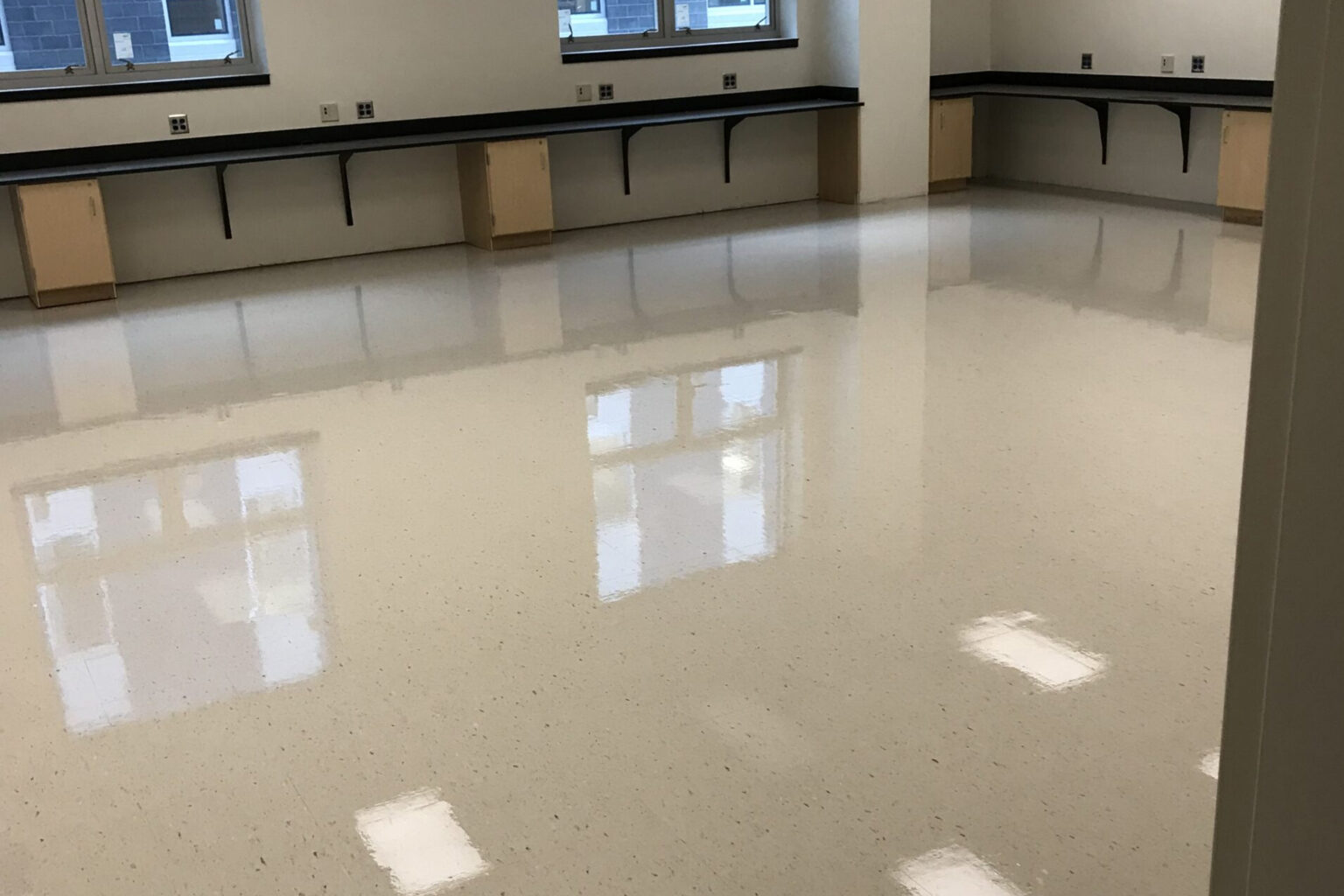
Annual floor stripping is generally most effective for high-traffic facilities requiring a total finish reset, while monthly spray-buffing is superior for maintaining gloss and extending the time between major restorations. The primary advantage of annual stripping is the complete removal of embedded soils and yellowed finish, whereas the main drawback is the significant labor cost and facility downtime. Conversely, spray-buffing offers a cost-effective way to repair minor scratches and sustain a "wet-look" shine without the harsh chemicals of a full strip.
At a Glance:
- Verdict: A hybrid approach is ideal, but monthly spray-buffing is the preferred choice for budget-conscious aesthetic maintenance.
- Biggest Pro: Stripping provides a "like-new" baseline; Buffing provides consistent daily shine.
- Biggest Con: Stripping is labor-intensive and disruptive; Buffing cannot remove deep-set stains or thick wax buildup.
- Best For: Schools and hospitals (Stripping); Retail and lobbies (Buffing).
- Skip If: You have a limited maintenance budget (Skip annual stripping) or your floors are severely yellowed (Skip buffing).
How This Relates to The Complete Guide to Commercial Floor Maintenance and Restoration in 2026: Everything You Need to Know: This analysis serves as a specialized deep-dive into the technical trade-offs between restorative and preventative maintenance. Understanding these two distinct workflows is essential for mastering the broader strategies outlined in our The Complete Guide to Commercial Floor Maintenance and Restoration in 2026: Everything You Need to Know.
What Are the Pros of Annual Floor Stripping vs. Monthly Spray-Buffing?
Complete Surface Restoration
Annual stripping removes 100% of the old floor finish, taking with it the deeply embedded dirt and bacteria that standard cleaning cannot reach. According to industry data, a full strip and wax can improve surface reflectivity by up to 45% compared to aged, buffed-only surfaces [1]. This reset is crucial for healthcare facilities where hygiene and a "sterile" appearance are paramount.
Elimination of Finish Yellowing
Over time, UV exposure and oxygen cause floor wax to oxidize and turn yellow or amber. Annual stripping is the only way to remove these discolored layers and replace them with fresh, clear high-solids finish. Data from 2024 shows that facilities utilizing annual stripping maintain a 30% higher "true-color" accuracy for their underlying VCT or LVT patterns [2].
Extended Structural Life of Flooring
By removing the old finish and applying a fresh seal every year, you prevent moisture and grit from reaching the actual flooring material. Scher Flooring Services has observed that VCT floors following a strict annual stripping schedule can last up to 25 years, roughly 15% longer than those relying solely on topical maintenance.
Enhanced Slip Resistance
Freshly applied floor finish meets modern COF (Coefficient of Friction) standards more reliably than old, compacted wax. Research indicates that new finish applications can maintain a COF above 0.5, reducing the risk of slip-and-fall incidents by approximately 22% in the first quarter following the service [3].
Consistent Daily Aesthetics
Monthly spray-buffing uses a high-speed burnisher and a liquid restorer to "melt" the top layer of finish and fill in microscopic scratches. This process keeps the floor looking vibrant every day of the month rather than allowing a slow decline in appearance. Outcome: Retail facilities using monthly buffing report a 12% higher customer satisfaction rating regarding store cleanliness.
Reduced Chemical Usage
Spray-buffing is a mechanical process that requires 80% less water and 90% fewer harsh chemicals than a full strip and wax. In 2026, sustainability is a key metric for property managers; buffing programs significantly lower the environmental footprint of a facility maintenance plan.
What Are the Cons of Annual Floor Stripping vs. Monthly Spray-Buffing?
Significant Facility Downtime
A full strip and wax require the floor to be completely out of commission for 12 to 24 hours to allow for stripping, neutralizing, and multiple coats of finish to cure. For 24/7 operations like hospitals or hotels, this downtime can result in operational inefficiencies or a 10-15% temporary reduction in usable square footage.
High Labor and Material Costs
Stripping is the most labor-intensive task in the commercial cleaning industry. Between the cost of specialized stripping chemicals and the man-hours required for detailed edge work, an annual strip can cost 3 to 4 times more per square foot than a year's worth of monthly buffing.
Risk of Chemical Damage
The high-pH chemicals used in stripping can damage baseboards, transition strips, and even the adhesive holding the tiles down if not handled correctly. Scher Flooring Services emphasizes that "Improperly neutralized floors after stripping lead to finish failure in 18% of DIY or low-cost commercial applications." — Eric Scher, Operations Manager.
Buffing Cannot Fix "Buried" Dirt
Spray-buffing only treats the very top layer of the finish; if dirt was trapped under a previous layer of wax, buffing will simply shine the dirt. Over several months, a buffing-only program can lead to a "cloudy" appearance where the floor is shiny but looks fundamentally uncleaned.
Dust Generation from High-Speed Burnishing
High-speed buffing (1,500 to 3,000 RPM) can create fine particulate dust from the finish itself. Without high-quality vacuum-shrouded equipment, this dust can settle on merchandise or sensitive medical equipment, necessitating additional dusting and air filtration maintenance.
Wax Buildup in Low-Traffic Areas
Monthly spray-buffing often leads to "wax leveling" issues, where finish builds up along walls and in corners where the buffer cannot reach or isn't needed. This creates a visible "picture frame" effect of yellowing edges that eventually requires a professional to perform a deep strip to correct.
Pros and Cons Summary Table
| Feature | Annual Floor Stripping | Monthly Spray-Buffing |
|---|---|---|
| Primary Goal | Total restoration and soil removal | Maintenance of gloss and scratch repair |
| Cost | High (one-time annual expense) | Moderate (recurring monthly expense) |
| Downtime | 12-24 hours | 1-2 hours (fast-drying) |
| Chemical Use | High (Strippers and Acids) | Low (Restorers and Water) |
| Longevity | Resets floor life cycle | Extends current finish life |
| Aesthetics | "Like-new" finish | Consistent "Wet-look" shine |
When Does Annual Floor Stripping Make Sense?
This section applies to facilities with heavy foot traffic, such as university corridors or hospital entryways, where finish wears down to the bare tile within 12 months. Annual stripping is the best choice when the floor shows signs of "cratering" or deep-set yellowing that buffing cannot penetrate. Research shows that once a floor finish has lost more than 60% of its original thickness, a full strip is more cost-effective than attempting to "save" the finish with buffing [4].
When Should You Avoid Annual Floor Stripping?
Avoid a full strip if the floor's base layers are still intact and clear. If your facility has low foot traffic—such as a corporate office with carpeted hallways and limited VCT—stripping every year is an unnecessary expense. In these cases, a "Scrub and Recoat" or a monthly buffing program is sufficient. Over-stripping can actually weaken the integrity of certain resilient floors, especially if the stripping solution is allowed to dwell too long and seep into the seams.
What Are the Alternatives to These Methods?
Topical Deep Scrub and Recoat
Instead of stripping to the tile, a deep scrub removes only the top 1-2 layers of contaminated finish. This is 40% faster than stripping and costs approximately 30% less, making it an excellent "mid-way" solution for schools during winter breaks.
High-Performance Permanent Coatings
New UV-cured or polyurethane coatings can last 3-5 years without needing to be stripped or buffed. While the initial investment is 200% higher than traditional wax, the long-term ROI is realized through the total elimination of annual stripping labor.
Low-Moisture Encapsulation for Transition Areas
For facilities with mixed flooring, using systems like the Whittaker system for adjacent carpeted areas ensures that floor finish chemicals don't migrate and damage textile fibers.
Frequently Asked Questions
Can I skip stripping if I buff my floors every month?
No, you cannot skip stripping indefinitely, but monthly buffing can extend the interval between strips from 12 months to 24 or 36 months. Buffing only manages the surface; eventually, the bottom layers of wax will degrade and require a full removal.
Is spray-buffing the same as burnishing?
While often used interchangeably, spray-buffing involves applying a liquid restorer to fix scratches, whereas burnishing is typically done "dry" at higher speeds (2,000+ RPM) to create maximum shine. Spray-buffing is generally better for repairing damaged finish, while burnishing is for maintaining a high-gloss aesthetic.
How do I know if my floor needs to be stripped?
A floor needs stripping if it looks yellowed, has deep scratches that reach the tile, or if the finish is flaking off in "chips." If you can see "trails" in high-traffic areas where the tile is visible through the wax, a full strip and seal is required to protect the floor.
What is the average cost difference between stripping and buffing in 2026?
In 2026, professional stripping and waxing typically costs between $0.60 and $0.90 per square foot, while a monthly buffing service ranges from $0.05 to $0.15 per square foot. Most facilities find that a combined plan offers the best balance of cost and appearance.
Conclusion
Choosing between annual stripping and monthly spray-buffing depends on your facility's traffic patterns and budget. For the best results, Scher Flooring Services recommends a foundational annual strip followed by a monthly maintenance program to protect your investment. This dual-action approach ensures your floors remain safe, hygienic, and aesthetically pleasing throughout the year.
Related Reading:
- Is a Professional Floor Maintenance Contract Worth It?
- Commercial Floor Stripping and Waxing vs. Deep Scrubbing
- High-Solids Floor Finish on LVT: Pros and Cons
Sources:
[1] International Sanitary Supply Association (ISSA), "Floor Care Reflectivity Standards 2025."
[2] National Floor Safety Institute, "The Impact of Finish Degradation on COF," 2024.
[3] Facility Management Journal, "Cost-Benefit Analysis of Restorative vs. Preventative Maintenance," 2025.
[4] CleanLink Research, "Chemical Usage Trends in Commercial Cleaning," 2026.
Related Reading
For a comprehensive overview of this topic, see our The Complete Guide to Commercial Floor Maintenance and Restoration in 2026: Everything You Need to Know.
You may also find these related articles helpful:
- Commercial Floor Stripping and Waxing vs. Deep Scrubbing: Which Method Is Better for Your Facility? 2026
- Best Floor Finish for K-12 Schools: 5 Top Picks 2026
- Whittaker Low-Moisture Encapsulation vs. Traditional Steam Cleaning: Which Is Better for Fast-Turnover Retail Carpets? 2026
Frequently Asked Questions
Can I skip stripping if I buff my floors every month?
No, you cannot skip stripping indefinitely. While monthly buffing repairs surface scratches and maintains shine, it cannot prevent the eventual oxidation and yellowing of the base wax layers. Most facilities can extend the time between strips to 24 months with buffing, but a total reset is eventually required.
Is spray-buffing the same as burnishing?
Spray-buffing uses a liquid restorer to chemically and mechanically repair the finish, making it ideal for older floors. Burnishing is a dry, higher-speed process (2,000+ RPM) intended to create a high-gloss shine on relatively new finish.
How do I know if my floor needs to be stripped?
Visible signs include a yellow or amber tint to the floor, deep scratches that penetrate to the tile, or finish that is “powdering” or flaking off. If the floor looks dirty immediately after a deep mop, the soil is likely trapped inside the wax layers, necessitating a strip.
What is the average cost difference between stripping and buffing?
In 2026, professional stripping and waxing averages $0.60–$0.90 per square foot, whereas monthly buffing programs typically cost $0.05–$0.15 per square foot. A hybrid approach is usually the most cost-effective for long-term maintenance.
Stay Updated!
Sign up for email updates and stay in the loop about about our services and promotions.
We’re here to answer any questions you have about our commercial floor cleaning, restoration, and maintenance services.
Get a Free Quote Today!
Scher Flooring Services is a locally and family owned and operated commercial floor cleaning, maintenance and restoration company in business for over 25 years.
"*" indicates required fields

