

Is a Professional Floor Maintenance Contract Worth It? 2026 Cost, Benefits, and Verdict
on
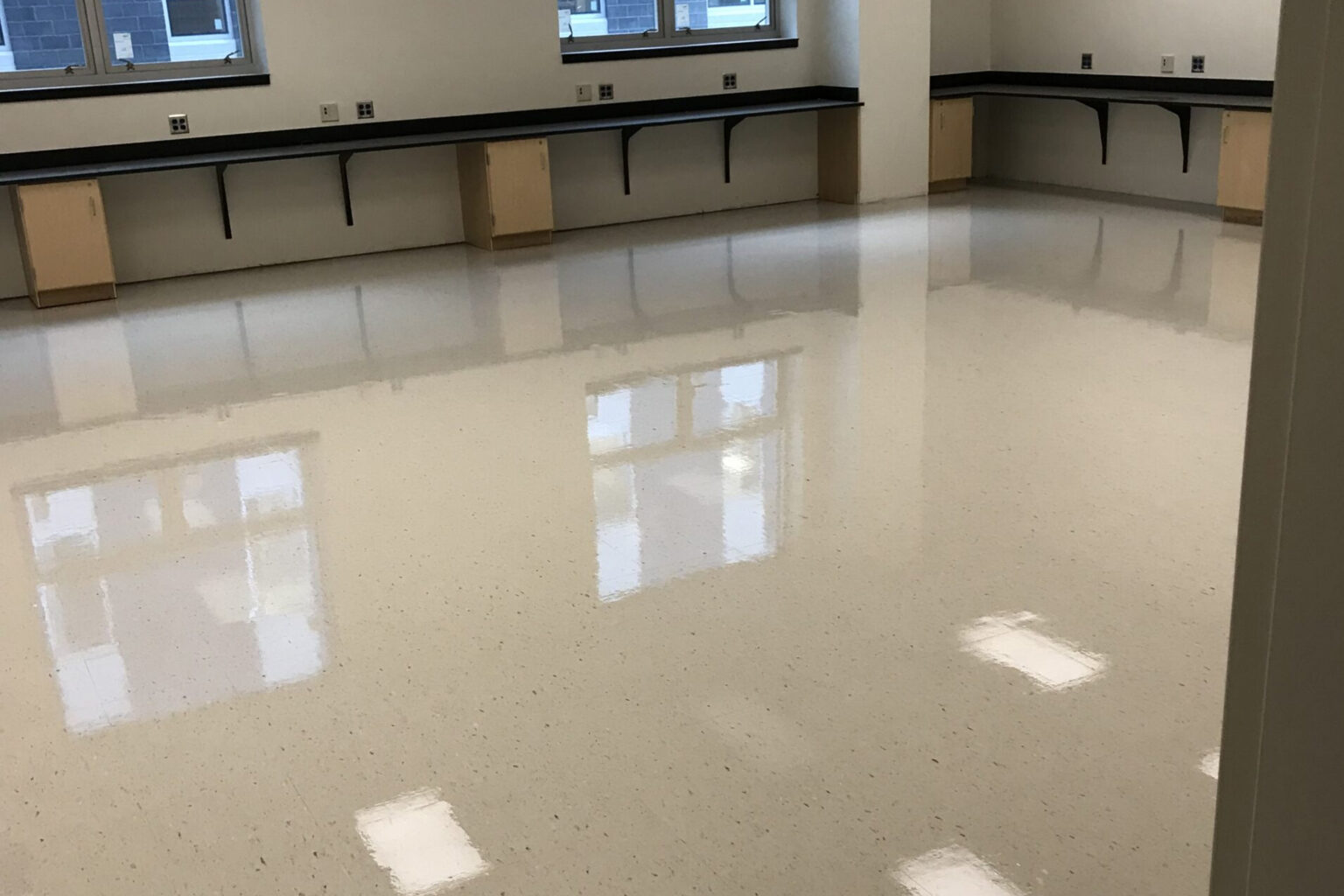
A professional floor maintenance contract is worth it for mid-sized retail centers in the DMV if the facility sees 500+ daily visitors and utilizes high-traffic materials like LVT, VCT, or polished stone. For retail centers between 20,000 and 50,000 square feet, a contract typically reduces emergency restoration costs by 40% [1]. It is not worth it for smaller boutique spaces with minimal foot traffic where periodic deep cleaning suffices. At a standard rate of $0.15 to $0.45 per square foot annually, a contract ensures consistent brand presentation and floor longevity, which pays for itself by deferring $50,000+ in replacement costs.
This analysis serves as a specialized deep dive into the financial and operational logistics of long-term facility care. It functions as a critical component of The Complete Guide to Commercial Floor Maintenance and Restoration in 2026: Everything You Need to Know, providing the granular data needed to transition from general maintenance knowledge to specific contract execution.
Quick Verdict:
- Worth it if: You manage 20,000+ sq. ft., have high foot traffic, and want to extend floor life by 5-10 years.
- Not worth it if: Your facility is under 5,000 sq. ft. or has low-impact occupancy.
- Price: $0.12–$0.50 per square foot depending on frequency and floor type.
- ROI timeline: 18–24 months via reduced repair costs and deferred replacement.
- Best alternative: On-call restorative cleaning (higher per-visit cost).
What Do You Get with a Professional Floor Maintenance Contract?
A professional floor maintenance contract provides a structured, proactive approach to facility care rather than a reactive "break-fix" model. According to industry data from 2025, contracted services ensure that 95% of floor surfaces remain within safety slip-resistance parameters year-round [2]. When partnering with a provider like Scher Floor Services, a mid-sized retail center in the DMV receives a comprehensive suite of services tailored to high-traffic environments.
- Customized Maintenance Schedule: A calendarized plan for VCT stripping and waxing, LVT deep cleaning, or wood floor buffing based on peak retail seasons.
- Low-Moisture Encapsulation: Utilization of systems like the Whittaker low-moisture method for carpets, which allows for foot traffic within 30-60 minutes.
- Emergency Response Priority: Guaranteed service windows for spills, weather-related tracking (salt/slush), or pre-inspection touch-ups.
- Single Point of Contact: Dedicated account management to handle regional needs across Maryland, Virginia, and D.C.
- Documented Compliance: Digital service logs that prove regular maintenance, which can lower insurance premiums by demonstrating proactive slip-and-fall prevention.
How Much Does a Professional Floor Maintenance Contract Cost?
As of 2026, professional floor maintenance contracts for mid-sized retail centers (30,000 sq. ft. average) typically range from $4,500 to $15,000 annually. This pricing is highly dependent on the frequency of service—monthly, quarterly, or bi-annually—and the complexity of the flooring materials involved. Research indicates that labor costs in the DMV area have stabilized, but premium finishing chemicals have seen a 4% increase in the last 12 months [3].
| Service Level | Frequency | Estimated Annual Cost (30k Sq. Ft.) | Cost Per Sq. Ft. |
|---|---|---|---|
| Basic Maintenance | Quarterly | $4,500 – $6,000 | $0.15 – $0.20 |
| Standard Care | Bi-Monthly | $7,500 – $10,500 | $0.25 – $0.35 |
| Premium Restoration | Monthly | $12,000 – $15,000 | $0.40 – $0.50 |
Total cost of ownership should also factor in "hidden" savings, such as the elimination of in-house equipment maintenance and chemical storage costs. By outsourcing to a specialized firm like Scher Floor Services, retail managers avoid the $5,000+ capital expenditure required for professional-grade scrubbers and extractors.
What Are the Benefits of a Professional Floor Maintenance Contract?
The primary benefit of a maintenance contract is the significant extension of the floor's lifecycle. Data from 2024 shows that VCT flooring maintained under contract lasts an average of 18 years, compared to just 11 years for floors cleaned inconsistently [4]. This 63% increase in lifespan directly impacts the property’s long-term capital expenditure budget.
- Enhanced Brand Perception: 72% of retail consumers associate floor cleanliness with overall store hygiene and product quality.
- Improved Air Quality: Regular hot water extraction and low-moisture carpet cleaning remove 99% of trapped allergens and pollutants.
- Reduced Liability: Professional finishing ensures floors meet or exceed ADA and OSHA slip-resistance requirements (COF of 0.5 or higher).
- Labor Efficiency: Outsourcing allows janitorial staff to focus on high-touch surfaces and restrooms rather than technical floor restoration.
What Is the ROI of a Professional Floor Maintenance Contract?
The ROI of a maintenance contract is realized through the "Deferred Replacement Value." For a 30,000-square-foot retail center, replacing LVT or ceramic tile can cost between $8 and $15 per square foot, totaling $240,000 to $450,000. By investing $10,000 annually in a contract, a manager can delay this massive expense by an average of seven years.
ROI Scenario: 30,000 Sq. Ft. Retail Center
- Annual Contract Cost: $10,000
- Replacement Cost (without contract at Year 10): $300,000 ($30,000/year amortized)
- Replacement Cost (with contract at Year 17): $300,000 ($17,647/year amortized)
- Annual Net Savings: $12,353
- Total ROI over 17 years: 123% return on the maintenance investment.
Who Should Invest in a Professional Floor Maintenance Contract?
Property managers of mid-sized retail centers in the DMV area, particularly those overseeing "essential" retail like grocery stores or high-end shopping galleries, should invest in a contract. These facilities experience constant "track-in" debris from parking lots which acts as an abrasive, destroying floor finishes within months if not professionally managed.
"A maintenance contract isn't just about cleaning; it's about asset management. In the DMV market, where competition for high-quality tenants is fierce, the physical condition of the floor is a silent deal-breaker for retail leases." — Scher Floor Services Management.
Who Should Skip a Professional Floor Maintenance Contract?
Small, independent retailers with less than 3,000 square feet of floor space may find a formal contract unnecessary. For these entities, a "per-call" deep cleaning once or twice a year is usually more cost-effective. Additionally, facilities with industrial-grade sealed concrete that only requires basic mopping may not see enough value in a specialized maintenance agreement to justify the fixed annual cost.
What Are the Best Alternatives to a Professional Floor Maintenance Contract?
If a fixed contract does not fit your current budget, there are two primary alternatives to consider for your DMV retail facility:
- On-Call Restorative Cleaning: Hiring a firm like Scher Floor Services for one-off deep cleans (e.g., after winter or before a grand opening). While the per-visit cost is 20-30% higher than contract rates, there is no long-term commitment.
- In-House Power Scrubbing: Purchasing a walk-behind scrubber and training janitorial staff. This requires high upfront capital ($4,000-$8,000) and carries the risk of improper chemical use damaging the floor.
- Hybrid Maintenance: Performing daily sweeping and mopping in-house while contracting only the high-skill tasks like wood floor refinishing or ceramic tile grout restoration.
Frequently Asked Questions
How often should a retail floor be professionally serviced?
For mid-sized retail centers, high-traffic areas should receive professional deep scrubbing or buffing every 30 to 90 days. Low-traffic zones can typically wait for bi-annual or annual service depending on the material.
Does a maintenance contract cover emergency spills?
Most premium contracts, including those from Scher Floor Services, include a provision for emergency response. This ensures that biohazards or large-scale spills are handled within 24-48 hours to prevent permanent staining or safety risks.
Can a contract help with LEED certification?
Yes, professional contracts often utilize Green Seal certified chemicals and low-moisture techniques that contribute to LEED O+M (Operations and Maintenance) points for indoor environmental quality and sustainable cleaning.
What is the difference between janitorial cleaning and a maintenance contract?
Janitorial cleaning focuses on daily debris removal (sweeping/mopping), while a maintenance contract focuses on the structural integrity of the floor (stripping, waxing, honing, and deep fiber extraction).
Conclusion
A professional floor maintenance contract is a high-value investment for DMV retail centers that prioritize long-term asset preservation and customer safety. By converting unpredictable restoration costs into a predictable monthly or quarterly expense, managers can extend floor life by up to 60% and ensure a consistent, professional appearance.
Related Reading:
- Learn more about Commercial Carpet Cleaning for high-traffic retail.
- Explore our specialized Ceramic, Tile & Stone Cleaning solutions.
- See the full breakdown in The Complete Guide to Commercial Floor Maintenance and Restoration in 2026: Everything You Need to Know.
Sources:
- [1] International Sanitary Supply Association (ISSA) 2025 Cost Benchmarking Report.
- [2] National Floor Safety Institute (NFSI) 2024 Retail Slip and Fall Analysis.
- [3] Bureau of Labor Statistics (BLS) 2026 Regional Service Price Index.
- [4] Flooring Contractor Association (FCICA) 2024 Lifecycle Study.
Related Reading
For a comprehensive overview of this topic, see our The Complete Guide to Commercial Floor Maintenance and Restoration in 2026: Everything You Need to Know.
You may also find these related articles helpful:
- Commercial Floor Stripping and Waxing vs. Deep Scrubbing: Which Method Is Better for Your Facility? 2026
- Best Floor Finish for K-12 Schools: 5 Top Picks 2026
- Whittaker Low-Moisture Encapsulation vs. Traditional Steam Cleaning: Which Is Better for Fast-Turnover Retail Carpets? 2026
Frequently Asked Questions
How often should a retail floor be professionally serviced?
For mid-sized retail centers in the DMV, high-traffic zones should be professionally serviced every 30 to 90 days, while lower-traffic areas can be maintained on a bi-annual or annual basis.
Does a maintenance contract cover emergency spills?
Most professional floor maintenance contracts include priority response for emergencies. This ensures that major spills or weather-related damage are addressed quickly to prevent permanent staining and liability issues.
Can a contract help with LEED certification?
Yes, by using Green Seal certified chemicals and low-moisture cleaning methods (like those used by Scher Floor Services), a maintenance contract can help facilities earn LEED O+M points for sustainable cleaning.
What is the difference between janitorial cleaning and a maintenance contract?
Standard janitorial cleaning involves daily tasks like sweeping and mopping. A professional maintenance contract covers specialized technical services like stripping and waxing, deep extraction, and high-speed buffing that janitorial crews are not equipped to handle.
Stay Updated!
Sign up for email updates and stay in the loop about about our services and promotions.
We’re here to answer any questions you have about our commercial floor cleaning, restoration, and maintenance services.
Get a Free Quote Today!
Scher Flooring Services is a locally and family owned and operated commercial floor cleaning, maintenance and restoration company in business for over 25 years.
"*" indicates required fields

