Retail store floor maintenance is the process of keeping retail floors clean, safe, attractive, and durable through routine cleaning, deep cleaning, protective treatments, and scheduled floor care.
For retail stores, flooring is more than a surface customers walk on. It affects customer experience, safety, brand image, operational efficiency, and how shoppers judge the cleanliness of the entire retail space. In busy retail environments with constant foot traffic, dirt, moisture, debris, stains, and scratches build up quickly. Without a clear cleaning program, dirty floors can become safety hazards, reduce customer satisfaction, and make the store feel poorly managed.
Scher Flooring Services helps retail businesses maintain cleanliness through professional cleaning services, customized cleaning plans, and commercial floor maintenance programs built around each facility’s store hours, flooring materials, and traffic patterns.
What Is Retail Store Floor Maintenance and Why Do High Traffic Areas Require Special Attention?
Retail store floor maintenance includes daily, weekly, monthly, and seasonal cleaning tasks that keep retail floors safe, clean, and visually appealing. It covers sweeping, mopping, floor scrubbing, carpet cleaning, polishing, refinishing, mat replacement, and deep cleaning services when floors need restoration.
High traffic areas need special attention because they collect dirt faster than low-use areas. Entrances, checkout lanes, fitting rooms, aisles, customer service desks, and product display zones usually see heavy foot traffic throughout the day.
In these areas, debris accumulates quickly from shoes, carts, rainwater, packaging, and spills. If the floor is not regularly cleaned, the surface can become dull, slippery, scratched, or stained.
A good floor maintenance plan focuses on:
| Retail floor issue | Why it matters | Maintenance response |
| Dirt and grit | Scratches floor finishes | Sweeping, dust mopping, floor mats |
| Wet floors | Increase slip and fall risks | Wet floor signs, quick spill cleanup |
| Heavy foot traffic | Wears down floor coating | Scheduled floor care and refinishing |
| Stains and spills | Hurt store appearance | Spot cleaning and deep cleaning |
| Dull surfaces | Lower customer perception | Scrubbing, polishing, restoration |
When high traffic flooring is managed properly, the store looks cleaner for longer, and customers feel more comfortable inside the retail environment. The next step is understanding how that cleaner environment affects customer behavior and business results.
How Does Retail Store Floor Maintenance Impact Customer Experience, Customer Loyalty, and Sales Performance?
Retail store cleaning directly affects how customers feel when they enter a store. Clean floors, clear walkways, organized entrances, and a fresh retail environment create a positive customer experience before a shopper speaks with an employee or looks at a product.
Customers often connect spotless floors with professionalism, care, and product quality. On the other hand, dirty floors, slippery floors, stained carpet fibers, or wet floors without wet floor signs can make a store feel unsafe or poorly maintained.
A well maintained store can support:
- Better first impressions
- Longer customer dwell time
- Stronger customer trust
- Improved customer satisfaction
- Higher customer loyalty
- Better brand image
- Fewer complaints about cleanliness
- A safer shopping environment
Floor maintenance also supports sales performance indirectly. When customers feel comfortable, they are more likely to browse, return, and recommend the store. Clean floors also help store managers maintain presentation standards, especially in retail businesses where visual appeal influences buying decisions.
To create this type of consistent experience, retailers need to know the common floor maintenance problems that appear in busy retail spaces.
What Are the Most Common Floor Maintenance Challenges in High Traffic Areas With Heavy Foot Traffic?
Retail floors face continuous pressure from shoppers, employees, carts, deliveries, weather, and cleaning responsibilities that must happen around store operations. High traffic areas are the first places where floor problems appear.
Common retail floor maintenance challenges include:
- Dirt and grit scratching hard surfaces
- Mats trap dirt but become ineffective when saturated
- Moisture near entrances during rain or snow
- Slippery floors caused by spills or wrong cleaning chemicals
- Carpet fibers holding dust, stains, and odors
- Dull VCT, LVT, tile, hardwood floors, or polished concrete
- Cleaning personnel working around customers during store hours
- Inconsistent cleaning schedules across departments
- Safety hazards caused by wet floors or cluttered aisles
- Deep cleaning delayed until floors already look worn
Retail stores also have limited cleaning windows. Many cleaning processes must happen before opening, after closing, or during low-traffic periods to avoid minimal disruption to customers and employees.
Because these challenges repeat every day, routine cleaning becomes the foundation of the full floor maintenance program.
What Are the Essential Routine Cleaning Practices for Retail Store Floor Maintenance?
Routine cleaning is the daily and recurring work that keeps retail floors presentable between deeper services. It is the most important layer of floor maintenance because it prevents dirt, spills, and debris from turning into long-term damage.
A strong routine cleaning plan should include:
- Dry sweeping or dust mopping before store opening
- Spot cleaning spills as soon as they happen
- Damp mopping hard floors with proper cleaning solutions
- Vacuuming carpeted high traffic areas
- Cleaning entrance mats and replacing saturated mats
- Using wet floor signs during and after mopping
- Checking checkout lanes, aisles, and fitting rooms throughout the day
- Removing gum, labels, packaging debris, and scuff marks
- Keeping cleaning equipment ready and accessible
How Often Should Routine Cleaning Be Performed in High Traffic Areas With Continuous Foot Traffic?
High traffic retail floors should be checked several times per day and cleaned more frequently during peak shopping hours, bad weather, sales events, and holiday seasons.
A practical cleaning frequency may look like this:
| Area | Suggested cleaning frequency |
| Store entrance | Multiple checks per day |
| Checkout lanes | Several times per day |
| Main aisles | Daily cleaning and spot checks |
| Fitting rooms | Daily and as-needed cleaning |
| Carpeted zones | Daily vacuuming, periodic deep cleaning |
| Restrooms and nearby floors | Frequent cleaning during store hours |
| Backroom-to-sales-floor paths | Daily or shift-based cleaning |
The exact schedule depends on foot traffic, flooring materials, store size, weather, and customer volume. Large retail stores may need a dedicated cleaning team, while smaller stores may need cleaning personnel to follow a shared checklist.
What Daily, Weekly, and Monthly Floor Maintenance Tasks Keep Floors Well Maintained?
Daily tasks protect appearance. Weekly tasks remove buildup. Monthly and quarterly tasks preserve the floor’s long-term condition.
| Schedule | Floor maintenance tasks |
| Daily | Sweep, mop, vacuum, remove spills, check mats, use wet floor signs |
| Weekly | Machine scrub, clean corners, inspect floor damage, clean under displays |
| Monthly | Deep cleaning, grout cleaning, carpet extraction, polish inspection |
| Quarterly or seasonal | Strip and wax VCT, restore tile, deep clean carpet, review maintenance schedule |
A floors well maintained plan should not rely on emergency cleaning alone. It should prevent visible problems before customers notice them.
After routine cleaning is established, the next decision is choosing the right tools and equipment for consistent commercial cleaning.
What Equipment Is Used in Commercial Cleaning for Retail Store Floor Maintenance?
Commercial cleaning equipment helps retail stores clean faster, cover more square footage, and maintain consistent results. The right tools depend on the type of floor, soil level, and available cleaning time.
Common cleaning equipment includes:
- Microfiber mops
- Dust mops
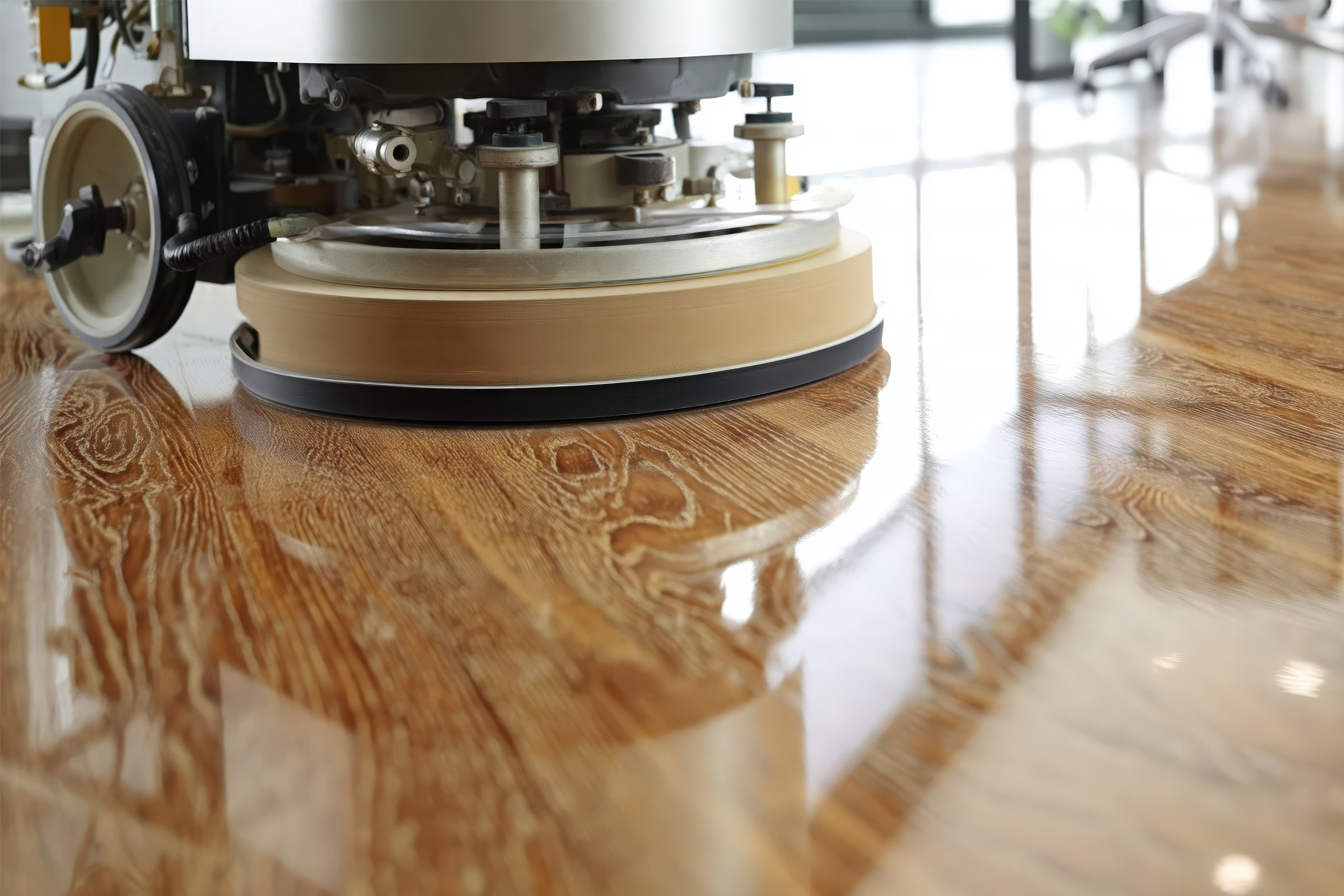
- Auto scrubbers
- Floor scrubber machines
- Wet/dry vacuums
- Carpet extractors
- Burnishers and buffers
- Scrapers for gum or stuck debris
- Proper dilution systems for cleaning chemicals
- Floor mats for entrances and transition points
How Does a Floor Scrubber Improve Cleaning Efficiency in Large Retail Spaces?
A floor scrubber improves cleaning efficiency by applying cleaning solution, scrubbing the surface, and recovering dirty water in one pass. This is helpful for large retail stores, shopping centres, grocery stores, showrooms, and other high traffic retail spaces.
A floor scrubber can help with:
- Faster cleaning over wide areas
- More even cleaning pressure
- Better removal of embedded dirt
- Less manual labor
- Reduced drying time compared with heavy wet mopping
- Improved operational efficiency during limited cleaning windows
For retail stores, this matters because cleaning often needs to happen before opening, after closing, or during quiet store hours.
What Are the Differences Between Manual Cleaning Tools and Automated Floor Scrubbers?
Manual tools are useful for edges, corners, spot cleaning, and small spaces. Automated scrubbers are better for larger open areas where speed and consistency matter.
| Cleaning method | Best use |
| Microfiber mops | Small spills, touch-ups, tight spaces |
| Dust mops | Dry soil and debris removal |
| Manual wet mopping | Small areas and low-traffic spaces |
| Floor scrubber | Large hard floor areas |
| Robotic floor cleaners | Repetitive cleaning in open retail layouts |
| Carpet extractor | Deep carpet cleaning and soil removal |
The best cleaning program often uses both manual and machine-based cleaning. Equipment improves results, but professional cleaning services help retailers design the right system for each floor type.
What Role Do Professional Cleaning Services Play in Retail Store Floor Maintenance?
Professional cleaning services support retail store floor maintenance by creating structured cleaning protocols, using commercial-grade equipment, and matching the cleaning process to the floor material. This is especially important when retail floors need deep cleaning, restoration, stripping, waxing, polishing, or carpet cleaning.
Scher Flooring Services provides commercial floor cleaning, restoration, and maintenance support for businesses that need customized cleaning plans instead of one-size-fits-all cleaning.
When Should Retail Stores Hire Professional Cleaning Services Instead of In-House Staff?
Retail stores should consider professional cleaning services when in-house cleaning is not enough to maintain cleanliness, safety, and appearance.
Professional support is useful when:
- Floors look dull even after routine cleaning
- High traffic areas show wear patterns
- Carpet fibers hold stains or odors
- Store managers need a consistent maintenance schedule
- Cleaning personnel lack specialized equipment
- Floors need deep cleaning services
- VCT, LVT, tile, rubber, hardwood floors, or polished concrete need professional care
- Cleaning must happen with minimal disruption to store hours
In-house teams are valuable for daily cleaning tasks. Professional cleaners are better for deeper processes that require training, equipment, and correct cleaning solutions.
How Do Professional Cleaning Services Improve Operational Efficiency and Cleaning Consistency?
Professional cleaning services improve operational efficiency by reducing guesswork. A planned cleaning program helps store managers know what gets cleaned, when it gets cleaned, and which process should be used.
This improves:
- Scheduling
- Labor planning
- Cleaning consistency
- Floor appearance
- Safety compliance
- Long-term flooring performance
- Customer expectations
When professional cleaning is combined with daily in-house care, retail stores get better results with fewer emergency cleanups. The next layer is prevention, especially at entrances where dirt and moisture first enter the store.
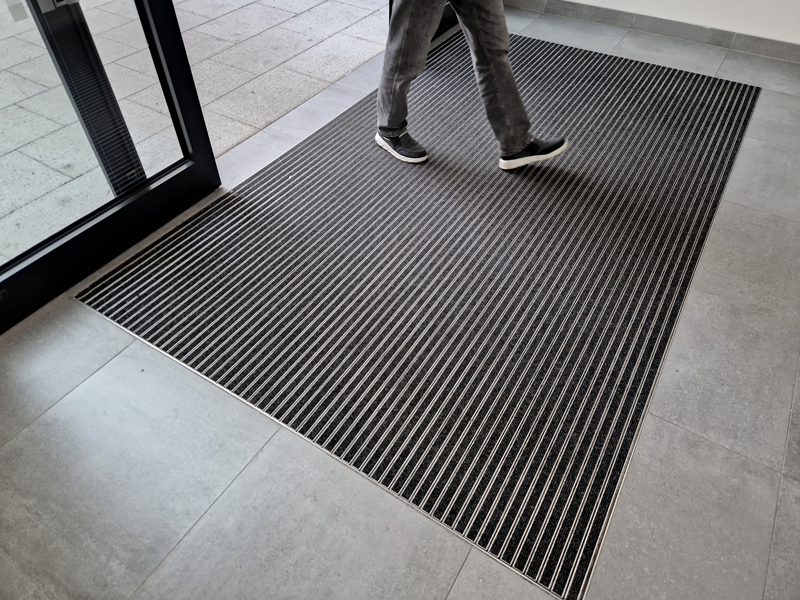
How Do Floor Mats Help Reduce Dirt Accumulation and Protect High Traffic Areas?
Floor mats are one of the simplest and most effective tools for protecting retail floors. Mats trap dirt, moisture, salt, and debris before they spread into the retail space.
In high traffic areas, floor mats help protect finishes, reduce cleaning frequency, improve safety, and support indoor air quality by limiting dust and particles tracked inside.
Where Should Floor Mats Be Placed to Maximize Floor Protection and Safety?
Floor mats should be placed where customers and employees transition from one surface or area to another.
Important mat locations include:
- Main entrance doors
- Side entrances
- Employee entrances
- Checkout lanes
- Fitting room entrances
- Restroom exits
- Backroom-to-sales-floor paths
- Weather-exposed entry points
Mats should be long enough for several steps, flat enough to avoid trip hazards, and cleaned regularly so they continue working. Retailers should replace mats when they curl, slide, smell, or stop trapping dirt.
How Do Floor Mats Improve Safety and Reduce Cleaning Costs Over Time?
Floor mats reduce the amount of soil and moisture that reaches the main floor. Less dirt means less abrasion. Less moisture means fewer wet floors. Fewer contaminants mean easier routine cleaning.
Good mat placement can reduce:
- Scratches
- Slip and fall risks
- Cleaning labor
- Finish damage
- Moisture tracking
- Dirt buildup in carpet fibers
Floor mats work best when paired with clear safety steps, including proper wet floor signs during cleaning or spills.
Why Are Wet Floor Signs Critical for Safety During Routine Cleaning and Maintenance?
Wet floor signs help warn customers and employees about wet floors, recently cleaned surfaces, spills, and possible slippery floors. They are a basic but important part of retail cleaning safety.
In retail stores, wet floor signs should be easy to see, placed near the hazard, and removed only after the floor is dry.
When Should Wet Floor Signs Be Used in Retail Stores?
Wet floor signs should be used whenever a floor surface may be slippery or unsafe.
Common situations include:
- After mopping
- During spill cleanup
- Near entrances during rain or snow
- After floor scrubber use
- During deep cleaning
- Around freshly treated or polished floors
- Near leaking coolers, displays, or restrooms
Signs should not replace cleaning. They support safety while cleaning personnel fix the problem.
How Do Wet Floor Signs Reduce Liability Risks and Improve Customer Trust?
Wet floor signs reduce risk by clearly communicating that a hazard exists. This helps prevent slip and fall incidents and shows that the business takes customer safety seriously.
For customers, visible safety practices support trust. A store that responds quickly to wet floors, places signs correctly, and keeps walkways clear creates a safer shopping environment.
Safety is part of floor care, but different flooring materials also require different cleaning methods.
How Should Different Flooring Types Be Maintained in Retail Store Environments?
Retail environments may use several flooring materials in one building. Each material responds differently to cleaning chemicals, moisture, machines, and abrasion.
Common retail flooring types include:
- VCT
- LVT
- Ceramic tile
- Stone tile
- Polished concrete
- Hardwood floors
- Rubber flooring
- Carpet
What Is the Best Floor Maintenance Approach for VCT Floors in High Traffic Retail Stores?
VCT floors need routine cleaning, machine scrubbing, finish protection, and periodic stripping and waxing. In high traffic retail stores, VCT can lose shine when grit scratches the finish or when cleaning chemicals leave residue.
A VCT maintenance plan may include:
- Daily dust mopping
- Damp mopping with correct cleaning solutions
- Scheduled floor scrubber cleaning
- Burnishing or polishing when needed
- Strip and wax service when finish layers break down
How Does Maintenance Differ for LVT, Tile, Carpet, Hardwood Floors, and Polished Concrete?
Each surface has its own maintenance needs.
| Flooring material | Maintenance focus |
| LVT | Neutral cleaning, scratch prevention, no harsh chemicals |
| Tile | Grout cleaning, buildup removal, surface protection |
| Carpet | Vacuuming, spot treatment, carpet cleaning, fiber care |
| Hardwood floors | Moisture control, proper cleaners, finish protection |
| Polished concrete | Dust control, neutral cleaning, periodic polishing |
| Rubber flooring | Residue control and correct product selection |
Using the wrong cleaning chemicals can damage finishes, create slippery floors, or leave dull residue. This is why customized cleaning plans are important for mixed-floor retail spaces.
Once retailers understand floor types, they can better identify when floors are no longer being maintained properly.
What Are the Signs That Retail Floors Are Not Well Maintained?
Retail floors usually show visible warning signs before they fail. Store managers should watch for changes in appearance, texture, odor, and safety.
Signs of poor floor maintenance include:
- Dull or cloudy finish
- Sticky areas after mopping
- Dark traffic lanes
- Scratches and scuff marks
- Stained carpet
- Dirty grout lines
- Slippery floors
- Curling or saturated mats
- Odors from carpet or wet areas
- Frequent customer complaints
- Floors that never look clean even after mopping
How Do Scratches, Dullness, and Stains Impact Customer Perception?
Scratches, dullness, and stains make a retail store feel older and less cared for. Customers may not always mention dirty floors, but they notice the overall condition of the space.
A poorly maintained floor can make customers question:
- Product quality
- Store hygiene
- Management standards
- Safety
- Brand image
A clean floor supports a positive customer experience because it makes the store feel organized, safe, and professional.
When Should Retail Floors Be Restored, Stripped, or Refinished?
Retail floors should be restored when routine cleaning no longer improves appearance or safety.
Restoration may be needed when:
- VCT finish is worn through
- Tile grout is dark or stained
- Carpet has deep soil and odor
- Hardwood floors show surface wear
- Polished concrete loses clarity
- Rubber floors hold residue
- High traffic areas look different from the rest of the store
Restoration helps protect flooring investment and can delay full replacement. It also supports operational efficiency by reducing recurring cleaning problems.
How Does Proper Floor Maintenance Improve Operational Efficiency in Retail Stores?
Proper floor maintenance improves operational efficiency by making cleaning predictable, reducing emergency issues, and helping staff work in a safer, cleaner environment.
When cleaning schedules are planned, store managers can assign cleaning responsibilities clearly. This prevents missed tasks, duplicated work, and last-minute cleaning during peak shopping hours.
How Does Efficient Cleaning Reduce Downtime and Labor Costs?
Efficient cleaning reduces downtime by matching the right task to the right time. For example, daily spot cleaning can happen during store hours, while floor scrubber use or deep cleaning should happen before opening or after closing.
This reduces:
- Customer disruption
- Employee interruptions
- Recleaning caused by poor methods
- Floor damage from delayed maintenance
- Labor waste
- Safety hazards
What Is the Relationship Between Floor Maintenance and Store Productivity?
Clean floors support productivity because employees spend less time reacting to messes and more time serving customers. Clear cleaning protocols also help teams understand what must be done, which tools to use, and when to call professional cleaning services.
A structured maintenance schedule turns floor care from a daily problem into a controlled business process. That controlled process also improves the customer-facing side of the store.
How Does Clean Flooring Influence Customer Experience and Customer Loyalty in Retail Spaces?
Clean flooring influences customer experience because floors are one of the largest visible surfaces in a retail space. They shape how customers judge cleanliness, comfort, safety, and brand quality.
A clean retail environment helps customers feel welcome. A dirty floor can create doubt before the customer even reaches a product display.
Why Do Customers Associate Clean Floors With Brand Quality?
Customers often connect clean floors with attention to detail. If a store maintains its floors well, customers may assume the business also cares about products, service, and safety.
Clean floors help create:
- A better visual presentation
- A more comfortable shopping path
- A stronger brand image
- Greater trust in the store
- Better customer satisfaction
How Does Floor Cleanliness Impact Repeat Visits and Customer Retention?
Customer loyalty is built through repeated positive experiences. Floor cleanliness is one part of that experience.
When customers repeatedly enter a well maintained store, they are more likely to return. When they see dirty floors, wet floors without signs, or neglected high traffic areas, they may choose a competitor with a cleaner environment.
Retail floor maintenance is not only about cleaning. It is part of customer retention, store safety, and brand consistency.
What Is the Cost of Retail Store Floor Maintenance and How Can Businesses Optimize It?
The cost of retail store floor maintenance depends on store size, flooring materials, foot traffic, cleaning frequency, level of soil, and the amount of deep cleaning required.
Costs are usually lower when retailers follow preventive maintenance instead of waiting for floors to look damaged.
What Factors Influence Floor Maintenance Costs in High Traffic Retail Stores?
The main cost factors include:
| Cost factor | Why it matters |
| Square footage | Larger spaces require more time and equipment |
| Flooring type | Carpet, VCT, tile, wood, and concrete need different care |
| Foot traffic | More traffic requires more frequent cleaning |
| Store hours | Limited access may affect scheduling |
| Soil level | Heavy buildup requires deeper cleaning |
| Safety needs | Wet floor signs, mats, and protocols reduce risk |
| Restoration needs | Stripping, waxing, and refinishing add cost |
How Can Preventive Maintenance Reduce Long-Term Cleaning Expenses?
Preventive maintenance reduces long-term expenses by stopping small issues before they become expensive repairs. Regularly cleaned floors last longer, look better, and require fewer emergency services.
Preventive steps include:
- Keeping floor mats clean
- Using correct cleaning solutions
- Training cleaning personnel
- Following cleaning schedules
- Scheduling deep cleaning before visible decline
- Reviewing floor condition regularly
- Partnering with commercial cleaning professionals
This approach helps retail businesses protect flooring investments while maintaining a consistent store appearance.
Should Retail Stores Choose In-House Cleaning or Professional Cleaning Services?
Retail stores often need both in-house cleaning and professional cleaning services. In-house teams handle daily cleaning tasks, while professional teams handle specialized floor care, deep cleaning, restoration, and scheduled maintenance.
What Are the Pros and Cons of In-House vs Professional Cleaning Services?
| Option | Pros | Cons |
| In-house cleaning | Fast response, daily control, familiar with store layout | Limited equipment, inconsistent training, less suited for restoration |
| Professional cleaning services | Better equipment, trained processes, customized cleaning plans | Requires scheduling and service planning |
Which Option Is More Cost-Effective for High Traffic Retail Stores?
The most cost-effective option is usually a combined model. Store employees manage daily spills, wet floor signs, mat checks, and quick cleaning. Professional cleaning services manage deeper cleaning, floor scrubber work, carpet cleaning, refinishing, and long-term floor care.
This keeps floors well maintained without overloading store employees or delaying important maintenance.
What Are the Best Practices for Retail Store Floor Maintenance in High Traffic Areas?
The best practices for retail store floor maintenance combine prevention, daily cleaning, safety, deep cleaning, and scheduled professional care.
Top retail floor maintenance tips include:
- Place floor mats at every major entrance.
- Clean mats often and replace mats when worn.
- Use wet floor signs during spills and mopping.
- Clean high traffic areas more frequently.
- Match cleaning chemicals to flooring materials.
- Use microfiber mops for daily touch-ups.
- Schedule floor scrubber cleaning for large hard floors.
- Vacuum carpets daily and deep clean regularly.
- Inspect floors before and after peak shopping hours.
- Create a written maintenance schedule.
- Use professional cleaning services for restoration and deep cleaning.
How Often Should Retail Store Floors Be Cleaned in High Traffic Areas?
Retail store floors in high traffic areas should be checked multiple times per day, cleaned daily, deep cleaned monthly or quarterly, and professionally restored as needed based on foot traffic and floor condition.
A simple truth range is:
| Cleaning level | Recommended timing |
| Spot checks | Several times per day |
| Routine cleaning | Daily |
| Machine scrubbing | Weekly or biweekly |
| Carpet deep cleaning | Monthly to quarterly |
| Floor restoration | Quarterly, semiannually, or as needed |
What Is the Best Equipment for Cleaning Retail Store Floors?
The best equipment for cleaning retail store floors includes microfiber mops, dust mops, floor mats, wet floor signs, commercial vacuums, carpet extractors, floor scrubbers, and proper cleaning solutions matched to the flooring material.
Large stores often benefit from floor scrubbers or robotic floor cleaners, while smaller stores may rely more on manual tools and scheduled professional deep cleaning.
Are Professional Cleaning Services Worth It for Retail Store Floor Maintenance?
Yes, professional cleaning services are worth it for retail store floor maintenance when floors experience heavy foot traffic, visible wear, recurring dirt buildup, safety concerns, or inconsistent cleaning results.
Professional services help maintain clean floors, improve customer experience, reduce safety hazards, and support long-term floor protection.
How Can Retail Stores Maintain High Traffic Floors Effectively While Improving Customer Experience and Operational Efficiency?
Retail stores can maintain high traffic floors effectively by combining routine cleaning, floor mats, wet floor signs, proper cleaning equipment, trained cleaning personnel, and professional floor care. The goal is not only to make floors look clean for one day. The goal is to keep the entire retail environment safer, cleaner, and more consistent throughout the year.
A strong retail floor maintenance plan should include:
- Daily routine cleaning
- More frequent cleaning in high traffic areas
- Correct cleaning chemicals for each surface
- Clean and properly placed floor mats
- Visible wet floor signs during cleaning
- Scheduled deep cleaning services
- Professional inspections and customized cleaning plans
- A maintenance schedule built around store hours
- Clear cleaning responsibilities for staff
- Periodic restoration for worn floors
Scher Flooring Services helps retail businesses build practical commercial floor maintenance programs that protect flooring materials, improve appearance, and support a safe shopping environment. With the right plan, retail floors can stay clean, durable, and customer-ready even under constant foot traffic.
Stay Updated!
Sign up for email updates and stay in the loop about about our services and promotions.
We’re here to answer any questions you have about our commercial floor cleaning, restoration, and maintenance services.
Get a Free Quote Today!
Scher Flooring Services is a locally and family owned and operated commercial floor cleaning, maintenance and restoration company in business for over 25 years.
"*" indicates required fields