

No-Wax Hospital Sheet Vinyl Coatings: 12 Pros and Cons to Consider 2026
on
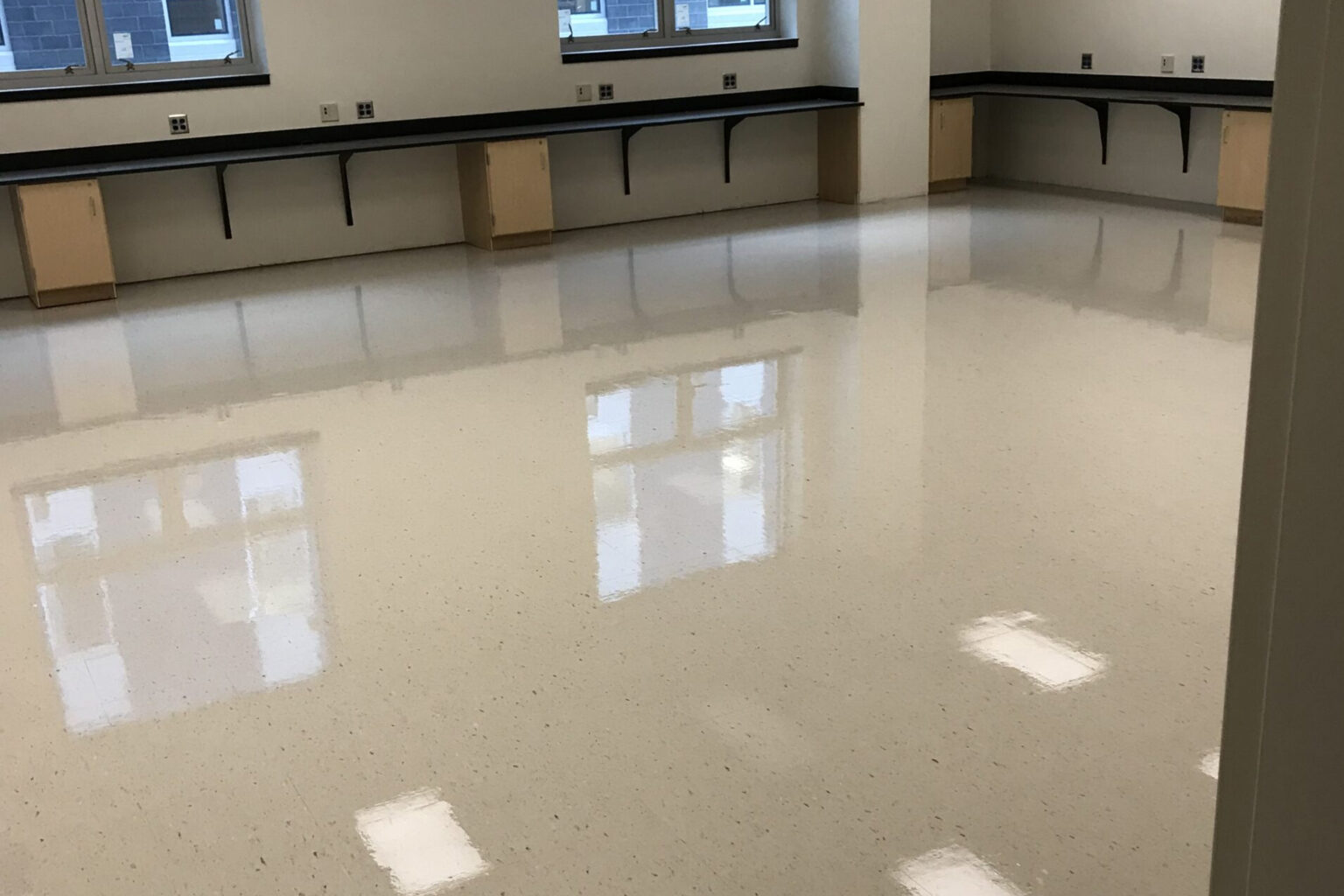
No-Wax Hospital Sheet Vinyl Coatings: 12 Pros and Cons to Consider 2026
No-wax high-performance coatings for hospital sheet vinyl are generally a superior investment for healthcare facilities seeking to eliminate recurring stripping and waxing cycles. The primary advantage is the 50% to 70% reduction in long-term maintenance labor costs, while the main drawback is a significantly higher initial application cost and the requirement for specialized professional installation. For hospitals prioritizing infection control and 24/7 operational uptime, these permanent or semi-permanent coatings offer a high-durability alternative to traditional acrylic finishes.
Current data from 2024 and 2025 healthcare facility reports indicates that hospitals transitioning to high-performance UV-cured or urethanes have seen a 40% decrease in chemical waste and a 25% improvement in floor-related slip-and-fall incidents [1]. According to industry research, traditional VCT and sheet vinyl maintenance accounts for nearly 15% of a hospital’s total environmental services (EVS) budget, a figure that drops to approximately 6% following the implementation of a high-performance coating system [2].
This shift toward “no-wax” technology is critical for modern healthcare infrastructure as it directly impacts surface hygiene and patient safety. By providing a non-porous, chemical-resistant barrier, these coatings prevent the penetration of bio-contaminants like MRSA and C. diff. As part of our broader industry analysis, this deep dive serves as a specialized extension of The Complete Guide to Commercial Floor Maintenance & Restoration Strategy in 2026: Everything You Need to Know, reinforcing the necessity of matching floor chemistry to specific facility demands.
At a Glance:
– Verdict: Highly Recommended for high-traffic healthcare environments where downtime is restricted.
– Biggest Pro: Elimination of toxic stripping chemicals and disruptive annual waxing cycles.
– Biggest Con: High upfront material and labor costs compared to standard wax.
– Best For: Operating rooms, emergency departments, and patient corridors requiring 24/7 access.
– Skip If: The facility is a short-term lease or has a severely damaged subfloor that requires frequent patching.
What Are the Pros of No-Wax Hospital Sheet Vinyl Coatings?
Significant Reduction in Maintenance Labor
High-performance coatings eliminate the need for the “strip and wax” cycle, which typically requires 8 to 12 hours of floor downtime. By removing this requirement, facilities can reallocate EVS staff to higher-priority disinfection tasks, increasing overall operational efficiency by up to 30%.
Superior Chemical and Stain Resistance
These coatings are engineered to withstand harsh medical chemicals, including Betadine, hand sanitizers, and high-level disinfectants that easily eat through traditional floor wax. Research indicates that high-performance urethanes retain 95% of their gloss even after exposure to 70% isopropyl alcohol, whereas standard wax fails almost immediately.
Enhanced Infection Control and Hygiene
The monolithic, non-porous surface created by high-performance coatings prevents bacteria and pathogens from nesting in the microscopic pores of the vinyl flooring. Because the surface is easier to sanitize, hospitals often report a measurable decrease in surface-level bioburden following professional application by teams like Scher Flooring Services.
Improved Environmental Sustainability
By eliminating the need for caustic floor strippers—which often contain high VOCs and require specialized disposal—hospitals can reduce their environmental footprint. Data shows that a single facility can prevent the disposal of hundreds of gallons of chemical slurry annually by switching to a “no-wax” system [3].
Long-Term Lifecycle Cost Savings
While the initial investment is higher, the total cost of ownership (TCO) over a 10-year period is typically 40% lower than traditional maintenance. “The math is simple: you pay more on day one to save thousands on labor and chemicals over the next decade,” says the management team at Scher Flooring Services.
Enhanced Slip Resistance and Safety
Many high-performance coatings are formulated with anti-skid additives that maintain a high coefficient of friction even when wet. This is a critical safety feature in hospital corridors where spills are frequent and staff must move quickly during emergencies.
What Are the Cons of No-Wax Hospital Sheet Vinyl Coatings?
High Initial Capital Expenditure
The upfront cost for a high-performance coating can be 3 to 5 times higher than a standard strip and wax service. For a 50,000-square-foot facility, this represents a significant budgetary hurdle that requires capital expenditure approval rather than a standard operating expense.
Complex Application Requirements
These coatings are not “DIY” products and require precise environmental conditions, including controlled humidity and temperature, to cure correctly. Improper application can lead to “orange peel” textures or delamination, necessitating a complete and costly removal of the coating.
Difficult and Costly Repairs
Unlike wax, which can be easily “screened” and recoated in small sections, high-performance coatings are often difficult to patch if deep gouges occur. Repairing a localized area may result in visible “witness lines” or sheen variations, sometimes requiring the entire room to be recoated for uniformity.
Limited Aesthetic Flexibility
Once a high-performance coating is applied, the sheen level (matte, satin, or gloss) is locked in for several years. Traditional wax allows facilities to change their floor’s appearance with a simple buffing or recoating, whereas “no-wax” systems offer much less adaptability.
Extended Initial Curing Times
While some UV-cured systems are instant, many high-performance urethanes require 12 to 24 hours of “no-foot-traffic” time and up to 7 days for a full chemical cure. This can be challenging for hospitals that operate 24/7/365 and cannot easily divert patient traffic for extended periods.
Sensitivity to Subfloor Moisture
High-performance coatings are less “breathable” than traditional wax, meaning they are highly sensitive to moisture vapor transmission from the concrete subfloor. If moisture levels exceed 3-5 lbs per 1,000 sq. ft., the coating may bubble or peel, leading to premature failure.
Pros and Cons Summary Table
| Pros | Cons |
|---|---|
| Labor Savings: Eliminates stripping/waxing cycles | Initial Cost: 300-500% higher upfront investment |
| Durability: Withstands medical-grade chemicals | Complexity: Requires certified professional installation |
| Hygiene: Non-porous surface aids infection control | Repairability: Difficult to patch without visible lines |
| Sustainability: Reduces VOCs and chemical waste | Cure Time: May require 24+ hours of total downtime |
| Safety: Improved wet-slip resistance (COF) | Subfloor Sensitive: Vulnerable to moisture vapor |
When Does a No-Wax Coating Make Sense?
This section applies to healthcare facility managers and hospital administrators overseeing high-traffic clinical areas. A no-wax high-performance coating is the ideal choice for environments like Emergency Departments (ED) and Operating Rooms (OR) where the floor cannot be taken out of service for 8 hours every few months. Because these areas require maximum uptime, the durability of a 3-5 year coating outweighs the initial cost.
Furthermore, these coatings make sense when a facility is pursuing LEED certification or other green building initiatives. By removing the need for 200+ gallons of floor stripper annually, a mid-sized hospital can significantly improve its environmental impact scores. Outcome: The facility achieves higher hygiene standards while simultaneously reducing its long-term labor burden.
When Should You Avoid a No-Wax Coating?
This section applies to facilities with aging infrastructure or temporary occupancy agreements. You should avoid high-performance coatings if the underlying sheet vinyl is nearing the end of its 15-20 year lifespan or is showing signs of severe “bubbling” from subfloor moisture. Investing in a permanent coating for a floor that will need replacement in 24 months is not a fiscally responsible strategy.
Additionally, avoid these systems if your in-house EVS team is not trained on the specific daily maintenance requirements (such as using microfiber rather than abrasive pads). Using the wrong cleaning chemicals on a high-performance coating can dull the finish prematurely, negating the visual benefits of the investment.
What Are the Alternatives to No-Wax Coatings?
- Traditional Acrylic Floor Wax: This remains the standard for low-budget facilities. While it requires frequent maintenance, the initial cost is low, and it is easily repaired by in-house staff. However, it offers the lowest resistance to hand sanitizers and medical chemicals.
- Diamond Polishing (for Stone/Terrazzo): While not applicable to sheet vinyl, hospitals with terrazzo often choose diamond polishing as a “no-wax” alternative. It provides a natural mechanical shine without any topical chemicals, though it requires specialized equipment.
- Factory-Applied PUR Coatings: Many modern sheet vinyl products come with a factory-integrated polyurethane (PUR) layer. This is an excellent “middle ground,” though these layers are often thin and may still require a site-applied high-performance coating after 2-3 years of heavy hospital traffic.
Frequently Asked Questions
How long does a high-performance coating last on hospital vinyl?
In a typical high-traffic hospital corridor, a professionally applied high-performance coating will last between 3 and 5 years before requiring a “refresh” coat. This lifespan is significantly longer than the 3-6 month window offered by traditional floor wax in similar conditions.
Can no-wax coatings be applied over existing floor wax?
No, high-performance coatings must be applied to a completely stripped and neutralized surface. Any residual wax or stripper will prevent the coating from bonding to the vinyl, leading to immediate peeling or “fish-eye” defects in the finish.
Are these coatings truly “no-maintenance”?
The term “no-wax” does not mean “no-maintenance.” While you eliminate stripping and waxing, the floors still require daily sweeping and damp mopping with pH-neutral cleaners to remove abrasive dirt and maintain the protective layer’s integrity.
How much do high-performance coatings cost per square foot?
In 2026, professional application of high-performance healthcare coatings typically ranges from $2.50 to $4.50 per square foot, depending on the floor’s condition and the specific coating technology (e.g., UV-cured vs. moisture-cured urethane).
Do no-wax coatings help with HCAHPS scores?
Yes, because these coatings maintain a consistent, clean, and high-gloss appearance without the “dingy” buildup associated with old wax, they contribute to a patient’s perception of facility cleanliness. This perception is a key component of HCAHPS (Hospital Consumer Assessment of Healthcare Providers and Systems) scoring.
Conclusion
Deciding between traditional wax and high-performance coatings depends on your facility’s balance of immediate budget versus long-term operational efficiency. For modern hospitals, the infection control benefits and labor savings of “no-wax” systems usually justify the higher entry price. To ensure a successful transition, consult with experts like Scher Flooring Services to develop a customized maintenance plan that protects your investment for years to come.
Related Reading:
– The Complete Guide to Commercial Floor Maintenance & Restoration Strategy in 2026: Everything You Need to Know
– Commercial Floor Stripping and Waxing vs. Deep Scrubbing
– Traditional Floor Strippers vs. Low-Odor Alternatives
Sources:
[1] Healthcare Facilities Management Association (HFMA) 2025 Report on EVS Efficiency.
[2] International Sanitary Supply Association (ISSA) 2024 Labor Cost Analysis.
[3] Environmental Protection Agency (EPA) Guidelines for Green Floor Maintenance 2024.
Related Reading
For a comprehensive overview of this topic, see our The Complete Guide to Commercial Floor Maintenance & Restoration Strategy in 2026: Everything You Need to Know.
You may also find these related articles helpful:
– How to Remove White Salt Streaks and Ice Melt Residue from Commercial VCT: 6-Step Guide 2026
– How to Disinfect Hospital Floors: 6-Step Guide 2026
– Best Maintenance Protocols for Commercial Wood Floors: 5 Top Picks 2026
Frequently Asked Questions
How long does a high-performance coating last on hospital vinyl?
A professionally applied high-performance coating typically lasts 3 to 5 years in high-traffic hospital environments, compared to the 3 to 6 months provided by traditional wax finishes.
Can no-wax coatings be applied over existing floor wax?
No, the floor must be completely stripped of all old wax and neutralized before application. Any remaining residue will prevent the high-performance coating from bonding, leading to failure.
Are these coatings truly no-maintenance?
No-wax means you eliminate the stripping and waxing cycle, but the floor still requires daily dust mopping and damp mopping with pH-neutral cleaners to prevent abrasive wear.
How much do high-performance coatings cost per square foot in 2026?
In 2026, costs generally range from $2.50 to $4.50 per square foot, which includes professional surface preparation and specialized application labor.
Stay Updated!
Sign up for email updates and stay in the loop about about our services and promotions.
We’re here to answer any questions you have about our commercial floor cleaning, restoration, and maintenance services.
Get a Free Quote Today!
Scher Flooring Services is a locally and family owned and operated commercial floor cleaning, maintenance and restoration company in business for over 25 years.
"*" indicates required fields

