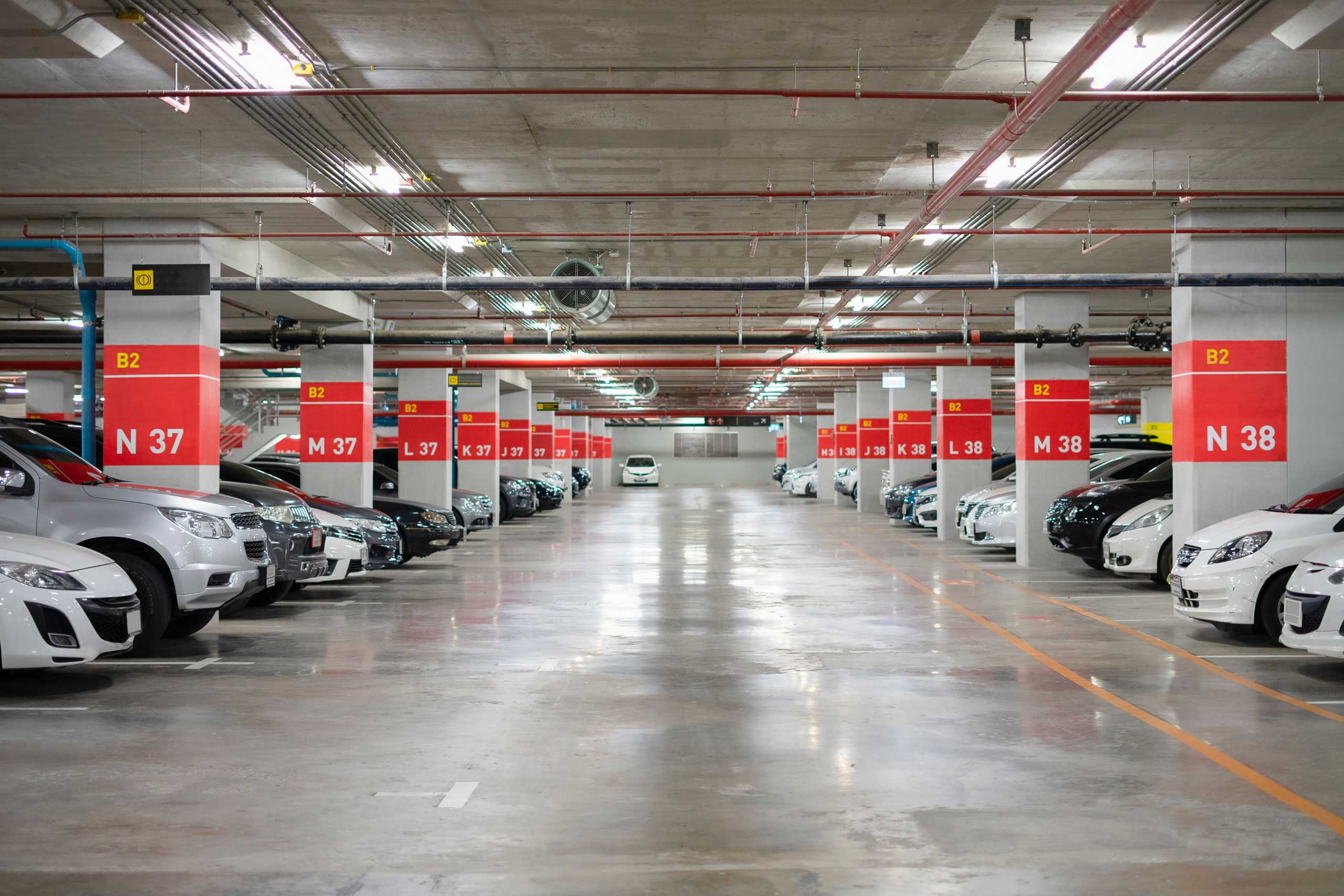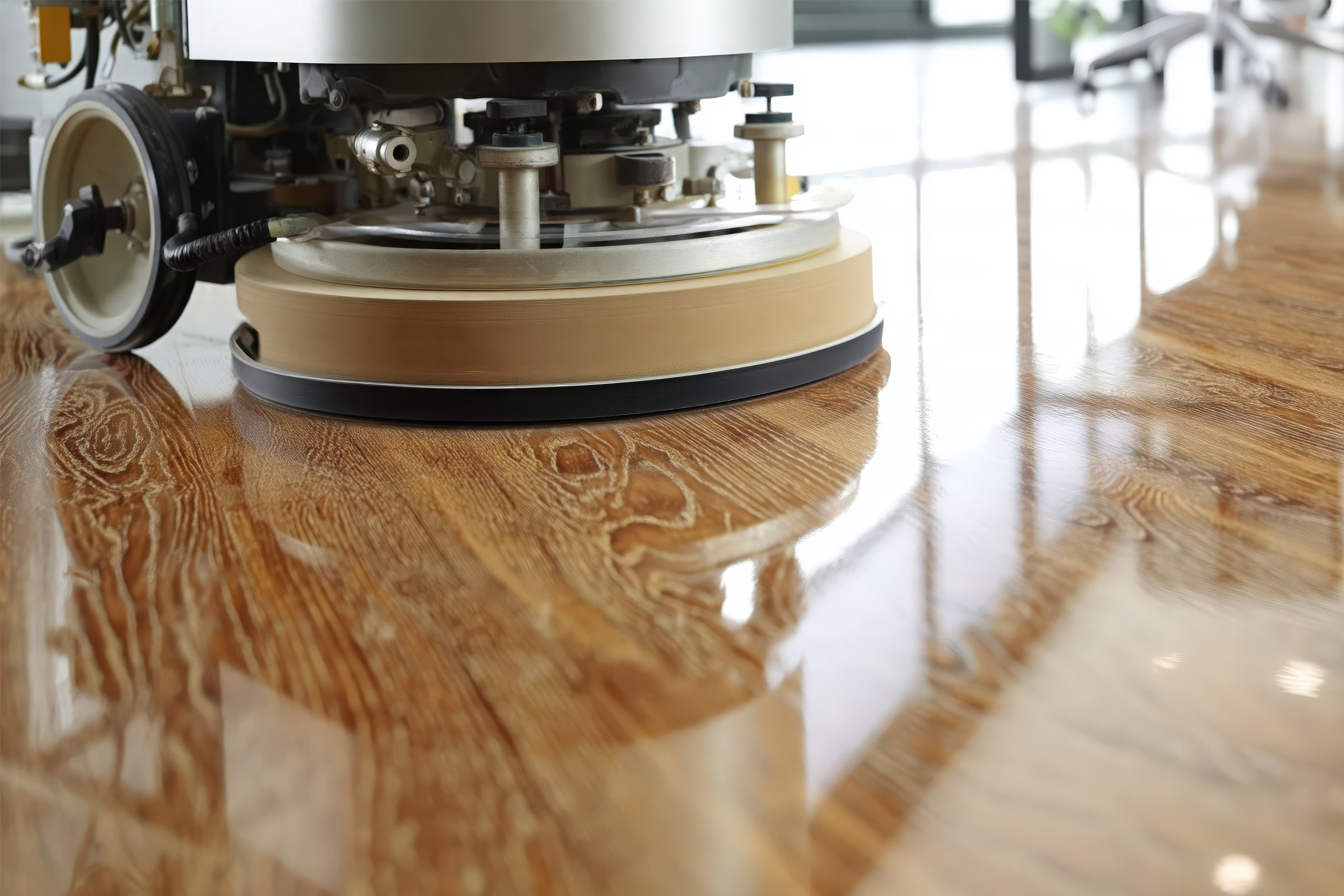
Commercial parking garage floor cleaning helps protect concrete, reduce slip hazards, remove stains, and improve the first impression of your property. For many facilities, parking garage cleaning is not just about appearance. It is part of safety, maintenance, tenant satisfaction, and long-term property care.
A garage floor deals with vehicles, oil stains, tire marks, dirt, salt, grease, debris, and moisture every day. Without regular garage floor cleaning, these contaminants settle into the surface, wear down concrete, and make a commercial parking garage look neglected. For property managers, the goal is simple: keep the parking structure clean, safe, and easier to maintain.
Why Commercial Parking Garage Floor Cleaning Matters for Your Property
A parking garage is often the first area tenants, visitors, customers, and employees see when they arrive. If the parking garage is dirty, stained, dusty, or full of debris, that impression carries into the rest of the property.
Commercial cleaning services for parking structures help remove buildup before it turns into deeper staining, surface wear, odor issues, or safety complaints. Concrete surfaces are durable, but they are not maintenance-free. Bare concrete can absorb oil, grease, rust stains, salt residue, and other contaminants if they are left too long.
The bigger the facility, the more important a consistent cleaning schedule becomes.
How Parking Garage Cleaning Supports Safety, Appearance and Long-Term Floor Protection
Parking garage cleaning supports three major goals: safety, appearance, and protection.
From a safety standpoint, oil stains, wet areas, loose grit, and residue can create slip hazards for pedestrians. Ramps, walkways, stairwell entries, elevator landings, and payment areas need special attention because people move through those zones on foot.
From an appearance standpoint, a clean garage helps the property feel more professional. It shows tenants and visitors that the facility is being maintained, not ignored.
From a protection standpoint, cleaning helps reduce wear. Dirt, sand, salt, and grit act like abrasive material under vehicle tires. Over time, that can affect the surface of the concrete and any protective coatings applied to the floor.
What Makes a Commercial Parking Garage Different From Regular Parking Lots
A commercial parking garage is different from open parking lots because it has enclosed or semi-enclosed spaces, structural columns, low-clearance zones, drains, walls, ramps, and pedestrian walkways.
Parking lots usually have more open air, easier runoff, and more room for equipment to operate. A parking structure typically requires more planning because water, chemicals, wastewater, and debris must be controlled carefully.
That is why professional garage cleaning is not the same as a quick rinse. The cleaning company needs to determine the right pressure, equipment, access points, drainage areas, and schedule before the job begins.
Next, it helps to understand the most common garage floor problems that cleaning is meant to solve.
Common Problems Found on a Parking Garage Floor
Most parking garage floors collect the same types of soil, but the severity depends on traffic, weather, vehicle volume, ventilation, and the age of the concrete. A garage serving office tenants may have different cleaning needs than a healthcare facility, retail center, apartment building, or mixed-use property.
The main issue is buildup. What starts as dust, dirt, and a few stains can turn into grime, residue, odor, and surface discoloration when it sits for months.
Oil Stains, Tire Marks, Dirt, Salt and Fluid Leaks
Oil stains are one of the most visible problems in a parking garage. They usually come from slow leaks, parked vehicles, delivery traffic, or poorly maintained cars. Grease, transmission fluid, brake fluid, and other vehicle contaminants can also settle into the floor.
Tire marks are another common issue. They appear around turns, ramps, entry lanes, tight corners, and high-traffic parking areas. Some marks are light surface scuffs, while others need stronger concrete cleaning methods.
Salt is a major concern in many USA markets during winter. Vehicles carry salt, slush, and road chemicals into the garage. When that residue dries, it leaves a dusty film that can spread through the air, collect on floors, and accelerate wear on concrete surfaces.
Common garage floor contaminants include:
| Problem | Where it usually appears | Why it matters |
| Oil stains | Parking spaces, drive lanes | Can darken concrete and create slick spots |
| Tire marks | Ramps, turns, entrances | Makes the garage look worn and poorly maintained |
| Salt residue | Winter traffic areas | Leaves dust, film, and abrasive buildup |
| Rust stains | Near drains, metal fixtures, leaks | Can create deep discoloration |
| Dirt and grit | Drive lanes, corners, walkways | Adds wear and affects cleanliness |
| Grease and grime | Loading areas, trash zones | Can attract more dirt and odor |
Drainage Areas, Corners, Ramps, Stairwells and High-Traffic Garage Floor Zones
Some parts of a parking structure get dirty faster than others. Drainage areas often collect standing water, residue, and fine debris. Corners hold dust and trash because sweeping equipment may not reach them easily.
Ramps need extra attention because tires grip, turn, and brake there. Entry and exit lanes also collect more dirt because every vehicle passes through them. Stairwell doors, elevator lobbies, and walkways matter because pedestrians use those areas daily.
A professional team should inspect these zones before cleaning so the process matches the actual condition of the garage floor.
Once the problem areas are clear, the next step is understanding what professional garage floor cleaning usually includes.
What Professional Garage Floor Cleaning Includes
Professional garage floor cleaning is usually a staged process. The team does not simply apply high pressure water and hope for the best. A proper job starts with inspection, debris removal, stain treatment, cleaning, rinsing, and wastewater control.
For commercial properties, timing also matters. Cleaning often needs to happen during low-traffic hours, after business operations, or in sections so tenants and vehicles can still move safely.
Sweeping, Debris Removal and Pre-Treatment Before Pressure Washing
Before pressure washing, the garage should be swept or mechanically cleaned to remove loose debris. This includes trash, leaves, dust, grit, broken glass, and other material that can clog drains or interfere with cleaning.
Pre-treatment comes next. This may include applying degreasers or cleaning solutions to oil stains, grease spots, heavy tire marks, and grime. The product needs time to work before the surface is rinsed.
Skipping this step can leave behind shadow stains, uneven cleaning, and residue.
Degreasing Oil Stains and Vehicle Fluid Buildup
Oil stains and vehicle fluid buildup usually need targeted treatment. Concrete is porous, so oil can sink below the surface if it sits too long.
Degreasing helps break down oil and grease so the cleaning process can remove more of the stain. Older stains may not disappear completely, especially on bare concrete, but professional cleaning can usually reduce their appearance and remove the slick surface residue.
The best result depends on:
- Age of the stain
- Type of fluid
- Whether the concrete is sealed or bare
- Heat and ventilation in the garage
- Prior cleaning attempts
- Amount of buildup around the stain
Cleaning Ramps, Entry Lanes, Walkways and Commercial Parking Areas
Ramps, entry lanes, walkways, and commercial parking areas should be cleaned with traffic patterns in mind. These are the places where vehicles and pedestrians create the most wear.
A good cleaning plan may divide the parking garage into zones. This allows the cleaning company to manage access, control water, protect occupants, and reduce disruption to the business.
If the garage connects to interior flooring, lobby tile, retail floors, or other shared surfaces, a broader custom floor maintenance plan can help property teams manage both interior and exterior-facing floor care together.
After pre-treatment and zone planning, pressure washing becomes the main cleaning method for many parking structures.
Pressure Washing for Parking Structure Cleaning
Pressure washing is one of the most common methods used for parking garage cleaning because it can remove dirt, grime, tire residue, salt film, and surface contaminants from concrete. But pressure washing must be handled correctly.
Too little pressure may not clean the surface well. Too much pressure, or the wrong technique, can damage concrete, coatings, expansion joints, sealants, or nearby surfaces.
When Pressure Washing Works Best for Concrete Garage Floor Cleaning
Pressure washing works best when the garage floor has surface-level dirt, tire marks, salt residue, light staining, and general grime. It is especially helpful for larger concrete surfaces where manual cleaning would take too long.
For commercial parking garages, pressure washing may be used with:
- Degreasers for oil and grease
- Surface cleaners for even results
- Hot water when needed for stubborn buildup
- Controlled rinsing near drains
- Section-by-section cleaning for active facilities
High pressure should be adjusted based on the condition of the concrete. Older concrete, cracked areas, coated surfaces, and patched areas may need a different approach than newer, stronger concrete.
Why Water Recovery and Proper Drain Management Matter
Water recovery and drain management matter because parking garage cleaning can move oil, chemicals, dirt, salt, and waste into drainage systems. A professional team should understand where the water goes and how to manage it properly.
This is especially important in a parking structure with interior drains, limited ventilation, underground levels, or areas near pedestrian entrances. Poor drain management can leave puddles, slippery residue, odor, or tracked-in dirt after the job is complete.
Good pressure washing is not only about cleaning power. It is about controlling the process from start to finish.
Once the cleaning method is understood, the next question is how often a commercial parking garage should be cleaned.
How Often Should a Commercial Parking Garage Be Cleaned?
Most commercial parking garages need a mix of routine cleaning and periodic deep cleaning. The right schedule depends on traffic, weather, property type, garage size, and how often stains or debris appear.
A garage in a busy retail center may need more frequent cleaning than a smaller office garage. A healthcare facility may need closer attention to pedestrian areas. A residential apartment garage may need a schedule that limits disruption for tenants.
Recommended Garage Cleaning Schedule for Offices, Retail Centers, Apartments and Healthcare Facilities
Here is a practical cleaning schedule for property managers:
| Facility type | Routine cleaning | Deep garage floor cleaning |
| Office parking garage | Weekly to monthly sweeping | 2 to 4 times per year |
| Retail or shopping center garage | Weekly sweeping or more | Quarterly or seasonally |
| Apartment or condo garage | Weekly to monthly cleaning | 2 to 3 times per year |
| Healthcare facility garage | Frequent pedestrian-zone cleaning | Quarterly or as needed |
| Mixed-use commercial parking | Based on traffic zones | Quarterly or seasonally |
These are general guidelines. A professional inspection can determine whether the parking garage needs monthly, quarterly, seasonal, or custom service.
Signs Your Parking Garage Needs Deep Cleaning Sooner
A garage may need cleaning sooner if the surface starts showing visible buildup or safety concerns.
Watch for these signs:
- Dark oil stains in multiple parking spaces
- Tire marks on ramps and turns
- Salt dust near entrances
- Dirt collecting in corners and drains
- Grease near trash or loading areas
- Odor in enclosed areas
- Slippery walkways
- Complaints from tenants, customers, or visitors
- Dust being tracked into interior floors
- Water not draining properly
If these problems happen often, the facility may need regular cleaning instead of one-time emergency service.
Next, it is useful to compare parking garage cleaning with parking lot cleaning, because many commercial properties need both.
Parking Garage Cleaning vs Parking Lots Cleaning
Parking garage cleaning and parking lots cleaning are related, but they are not identical. Both deal with vehicles, stains, dirt, oil, and debris. The difference is in the surface, drainage, access, and risk level.
A parking lot is open and exposed. A parking garage has levels, walls, ceilings, stairwells, drains, columns, and more pedestrian movement.
Key Differences in Soil, Drainage, Access and Safety Risks
Parking lots collect leaves, mud, storm debris, gum, oil, and surface dirt. Parking garages collect many of those same contaminants, but they may also trap fumes, dust, moisture, salt residue, and grime because air movement is more limited.
Drainage is also different. In an open lot, runoff usually moves toward storm drains or landscaped areas. In a garage, water may collect near floor drains, ramps, elevator entries, or low spots. That makes water control more important.
Access can also be harder in a garage. Low ceilings, tight turns, parked vehicles, and active tenants may limit equipment choices.
Why Commercial Parking Maintenance Should Cover Both Areas When Needed
Many commercial properties have both a parking garage and open parking areas. If only one area is cleaned, dirt and contaminants can move from one surface to another.
For example, vehicles can carry grit from parking lots into the garage. Pedestrians can track garage dust into lobbies, retail spaces, or interior floors. A more complete commercial floor cleaning services plan can help businesses manage the full path from parking to entry.
Now that the main cleaning differences are clear, the next step is knowing how to keep the garage cleaner between services.
Maintenance Tips to Keep a Parking Garage Cleaner Between Services
A cleaner parking garage does not happen from deep cleaning alone. It also depends on small maintenance habits between professional visits.
Property managers can reduce buildup by watching high-risk areas, acting quickly on stains, and keeping pedestrian zones clear.
Manage Oil Leaks, Trash, Standing Water and Seasonal Debris
Oil leaks should be addressed as soon as possible. The longer oil sits on concrete, the harder it is to remove. Trash and loose debris should also be cleared before they collect around drains, corners, and stairwell doors.
Standing water should never be ignored. It can carry residue, create slip hazards, and leave dirty film behind as it dries.
Seasonal debris also matters. In fall, leaves and organic material can collect around entrances. In winter, salt and road grit can build up quickly. In hot weather, oil and grease may spread more easily across the surface.
Create a Routine Inspection Plan for Your Parking Structure
A simple inspection plan can help teams catch problems early.
Use this checklist during routine walkthroughs:
- Check entry and exit lanes for heavy dirt
- Look for oil stains under parked vehicles
- Inspect ramps for tire marks and residue
- Review drains for debris or standing water
- Check stairwell doors and elevator landings
- Look for salt film during winter months
- Note cracks, coating wear, or damaged concrete
- Record areas with repeated tenant complaints
A written schedule helps the team decide when cleaning should happen and whether the garage needs a professional visit.
With these habits in place, it becomes easier to decide when to hire a commercial parking garage cleaning company.
When to Hire a Commercial Parking Garage Cleaning Company
A commercial parking garage should be cleaned by a professional company when stains, grime, safety concerns, or scheduling needs go beyond routine janitorial work.
Most janitorial teams can handle light sweeping and trash removal. But garage floor cleaning often requires heavier equipment, stain treatment, water control, and experience with commercial property operations.
Why Professional Equipment, Scheduling and Safety Planning Matter
Professional equipment matters because parking garages are large, dirty, and often difficult to clean with basic tools. A trained team can choose the right pressure washing method, pre-treatment, surface cleaner, and schedule for the facility.
Scheduling matters because the garage may need to stay partly open. A commercial team can work in phases, set clear zones, and reduce disruption for tenants, customers, occupants, and visitors.
Safety planning matters because wet concrete, active vehicles, ramps, and pedestrians create risk. A professional cleaning company should plan around traffic flow, walkways, visibility, and drying time.
Scher Flooring Services works with commercial properties that need practical floor cleaning, restoration, and maintenance support. For property teams managing garages, entries, lobbies, and other shared floors, that kind of planning can make the work easier to manage.
Request a Free Estimate for Commercial Parking Garage Cleaning
A free estimate helps determine the scope of work before service begins. The cleaning team can review the size of the garage, the condition of the concrete, problem stains, drainage, traffic patterns, and the best schedule.
Before requesting an estimate, gather:
- Approximate square footage or number of parking levels
- Photos of heavy oil stains or tire marks
- Notes about drainage or standing water
- Best times for cleaning access
- Tenant or customer traffic concerns
- Whether the garage connects to interior floors
- Any known coatings, cracks, or concrete repairs
This helps the company recommend a realistic cleaning plan instead of a one-size-fits-all service.
The final step is to think of parking garage cleaning as ongoing property care, not a one-time cleanup.
Final Thoughts on Parking Garage Floor Cleaning and Maintenance
A commercial parking garage takes daily abuse from vehicles, weather, oil, grease, salt, dirt, dust, and constant traffic. Over time, that buildup affects appearance, safety, and the condition of the concrete surface.
Regular parking garage cleaning helps property managers protect the garage floor, reduce slip hazards, control stains, and create a better experience for tenants, visitors, customers, pedestrians, and occupants. Pressure washing, degreasing, debris removal, and routine inspection all play a role.
The best results come from matching the cleaning schedule to the property. A busy commercial parking garage may need frequent service, while a smaller garage may only need seasonal deep cleaning and routine maintenance. What matters most is consistency.
For businesses that want cleaner commercial parking areas without adding more work to their internal team, a professional floor cleaning plan can help keep the property looking cared for from the garage to the front door.
Stay Updated!
Sign up for email updates and stay in the loop about about our services and promotions.
We’re here to answer any questions you have about our commercial floor cleaning, restoration, and maintenance services.
Get a Free Quote Today!
Scher Flooring Services is a locally and family owned and operated commercial floor cleaning, maintenance and restoration company in business for over 25 years.
"*" indicates required fields