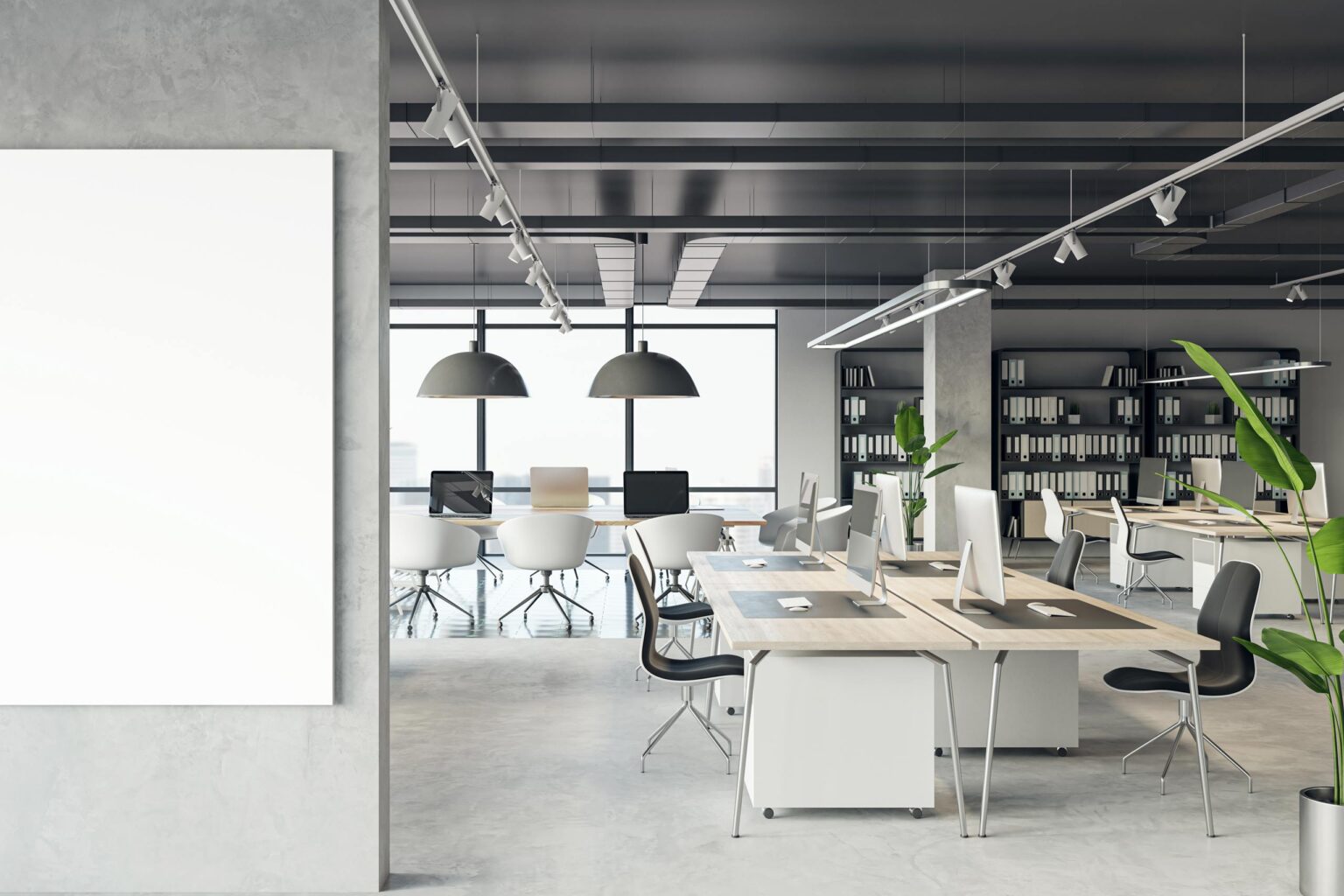
Floor cleaning for co-working spaces is different from regular office cleaning because the space is shared by many people, companies, guests, and vendors throughout the day. A coworking space needs clean floors, clean restrooms, fresh air, and a well maintained environment without interrupting business hours.
For flex offices, the floors carry the first impression. Members notice stains near reception desks, dust around shared desks, spills near coffee stations, and worn traffic lanes in carpeted areas. A clean space supports comfort, safety, a professional image, and a productive atmosphere.
Scher Flooring Services works with commercial carpet, VCT, LVT, tile, stone, rubber, and other hard floors, with custom maintenance plans built around each facility’s flooring type and traffic needs.
Why Floor Cleaning for Co Working Spaces Matters More Than Standard Office Cleaning
A shared office is not used like a traditional office. In a standard office, the same employees usually sit in the same desks each day. In a coworking space, people move between hot desks, meeting rooms, phone booths, lounge areas, restrooms, event rooms, and kitchen spaces. That movement changes the cleaning frequency and the kind of professional cleaning services the facility needs.
Floor care becomes part of the member experience. If someone walks into a flex office and sees stained carpet, dull hard floors, overflowing trash bins, or dusty surfaces, they may question how well the whole office is managed. That impression can affect tours, renewals, and daily satisfaction.
Shared Foot Traffic Makes Every Coworking Space Harder to Maintain
Foot traffic is one of the biggest reasons coworking floors wear faster. Members come in from parking lots, sidewalks, garages, restaurants, and public transit. Dirt, moisture, pollen, salt, and small debris enter through entry points and spread across shared spaces.
High traffic areas usually include:
| Area | Common floor issue | Cleaning need |
| Entryways | Dirt, water, grit | Mats, sweeping, mopping, periodic deep cleaning |
| Reception desks | Scuffs, dust, stains | Frequent attention and spot cleaning |
| Meeting rooms | Food crumbs, spills, chair marks | Vacuuming, wiping, hard floor care |
| Shared desks | Dust, debris, personal items | Desk surface cleaning and floor cleaning |
| Coffee bars | Sticky residue, spills | Daily cleaning and disinfectant wipes where needed |
| Restrooms | Moisture, odor, tracked debris | Clean restrooms and floor sanitizing |
This is why regular cleaning alone is often not enough. The floors need a schedule based on actual use.
Why a Clean Space Affects Member Experience, Safety, and First Impressions
A clean office feels easier to trust. Members may not think about floor finish or carpet fibers, but they notice when a space feels fresh, organized, and cared for.
Clean floors help create:
- A stronger first impression for visitors and new members
- A safer environment with fewer slip and trip concerns
- Better cleanliness around high touch areas
- A more professional image for businesses using the space
- A cleaner workspace that encourages team members to respect shared areas
Small details make a big difference. Clean surfaces, stocked paper towels, empty trash bins, recycling bins, and well-kept floors all signal that the space is managed with care.
How Floor Condition Supports Enhanced Focus in Flexible Work Environments
A messy space can become a distraction. Dust around desks, stains in meeting rooms, and sticky flooring near shared kitchens can pull attention away from work. Cleanliness supports enhanced focus because people are not thinking about where to sit, whether the surface is clean, or whether the room feels neglected.
This does not mean every flex office needs constant disruption from cleaners. It means the cleaning schedule should match the rhythm of the business. That leads into the main flooring challenges co-working and flex office spaces face every day.
The Main Flooring Challenges in Co-Working and Flex Office Spaces
Co-working spaces combine the cleaning problems of offices, hospitality areas, event spaces, cafés, and meeting facilities. Floors are exposed to more movement, more spills, more furniture shifting, and more shared equipment than a typical office. Because of that, each flooring material needs the right tools, the right cleaning supplies, and the right cleaning method.
The main issue is not only dirt. It is the mix of dirt, moisture, chair movement, food residue, dust, and inconsistent member habits.
Dirt and Moisture Brought in Through Entrances and Lobby Areas
The entrance is the first line of defense. When mats are too small, poorly placed, or not cleaned often, they cannot trap dust and debris properly. Dirt then spreads through the office and grinds against hard floors and carpeted areas.
A good entry plan includes:
- Walk-off mats at main entry points
- Frequent vacuuming near entrances
- Spot mopping during wet weather
- Periodic deep cleaning for embedded soil
- Regular checks during peak business hours
If entry areas are ignored, the rest of the cleaning services have to work harder.
Carpet Wear in Phone Booths, Meeting Rooms, and Shared Work Areas
Carpet softens sound and makes coworking offices feel warmer, but it also holds dust, crumbs, and stains. Phone booths, private offices, and meeting rooms often have tight layouts where chairs roll over the same areas again and again.
Professional cleaners can remove dirt from carpet fibers more effectively than basic vacuuming. Deep cleaning also helps reduce visible traffic lanes and odors, especially in rooms with heavy use.
Spills, Stains, and Food Debris Near Coffee Bars and Break Areas
Coffee stations and shared kitchens are small areas, but they create big cleaning problems. Coffee, tea, snacks, sauces, and water spills can leave sticky residue on floors. If these areas are not cleaned quickly, they can attract pests and create odor issues.
Pest prevention starts with simple habits:
- Wipe spills quickly
- Empty trash bins before they overflow
- Keep recycling bins clean
- Remove dirt and crumbs from under furniture
- Keep food storage areas organized
These tasks can be handled by in-house staff during the day, but the floor itself still needs scheduled professional cleaning.
Scuffs and Dull Finish on VCT, LVT, Tile, and Hard Surface Floors
Hard floors can look clean from a distance but still lose shine and texture over time. VCT may need stripping and waxing. LVT needs careful cleaning that protects the surface. Tile and grout can collect soil in lines and textured areas. Stone floors may need material-safe cleaning.
Scher Flooring Services lists VCT and LVT cleaning, commercial carpet cleaning, tile and stone floor cleaning, rubber floor maintenance, and wood floor treatments among its commercial floor care services.
Once you understand the floor problems, the next step is knowing how commercial cleaning supports the full coworking space.
How Commercial Cleaning Helps Protect Floors in a Coworking Space
Commercial cleaning protects the appearance, safety, and useful life of flooring. In a shared office, it also protects the experience of everyone who uses the space. The goal is not just to make floors look better for one day. The goal is to keep floors consistently clean through regular cleaning, spot care, and scheduled deep cleaning.
A strong floor program separates daily tasks from professional maintenance.
Daily Cleaning vs Periodic Deep Floor Cleaning
Daily cleaning handles what happens every day. Deep cleaning handles what builds up over time.
| Cleaning type | Best for | Common tasks |
| Daily cleaning | Visible dirt and routine mess | Vacuum, mop, wipe, empty trash bins |
| Weekly cleaning | Moderate buildup | Detail vacuuming, spot treatment, hard floor care |
| Monthly cleaning | Higher soil load | Machine cleaning, grout attention, traffic lane treatment |
| Quarterly or seasonal deep cleaning | Embedded dirt and floor restoration | Carpet extraction, VCT waxing, tile and grout cleaning |
A coworking space may need all four levels depending on square footage, member count, event use, and floor type.
Why Professional Cleaning Services Go Beyond Basic Janitorial Tasks
Office cleaning often focuses on daily visible tasks: trash bins, desks, restrooms, and basic floor cleaning. Professional cleaning services for floors go deeper. They use commercial equipment, trained methods, and material-specific products to clean without damaging the floor.
The right provider understands:
- How to clean carpeted areas without overwetting
- How to maintain VCT finish
- How to clean LVT without harsh chemicals or aggressive abrasion
- How to handle grout lines on tile
- How to plan work outside business hours
- How to match cleaning frequency with traffic patterns
This is where professional cleaning becomes more than a checklist.
How Scheduled Maintenance Extends the Life of Commercial Flooring
Floors are a business asset. Replacing commercial flooring is expensive, disruptive, and time-consuming. A scheduled maintenance plan helps reduce premature wear by removing soil before it damages surfaces.
For coworking and flex offices, tailored cleaning solutions are usually better than fixed generic packages. A small shared office with low foot traffic does not need the same plan as a large downtown coworking space with events, private offices, and daily tours.
A practical plan connects the floor type, the traffic level, the staffing model, and the hours of operation. That is why the cleaning schedule matters so much.
Building a Practical Cleaning Schedule Around Business Hours
A cleaning schedule should protect the member experience without getting in the way of work. Co-working operators need clean floors, but they also need quiet meeting rooms, open desks, and uninterrupted access during business hours.
The best plan divides work into daytime touch-ups, after-hours cleaning, and scheduled deep cleaning.
Daily Floor Care Tasks for High-Traffic Shared Areas
Daily tasks keep the space presentable and safe.
A daily coworking cleaning routine may include:
- Vacuum entry mats and carpeted areas
- Sweep and mop hard floors
- Wipe spills near coffee stations
- Check reception desks and shared desks
- Empty trash bins and recycling bins
- Refill paper towels and restroom supplies
- Clean door handles, light switches, and shared equipment
- Use disinfectant wipes on high touch surfaces where appropriate
These tasks protect the clean space members expect each day.
Weekly Cleaning Tasks for Carpets, Hard Floors, and Common Zones
Weekly work gives cleaners time to focus on areas that need more attention but may not require daily deep service.
Weekly tasks can include:
- Detail vacuuming under furniture
- Spot cleaning around meeting rooms
- Cleaning under lounge seating
- Extra care around entry points
- More detailed restroom floor cleaning
- Dust removal near baseboards and corners
- Checking drawer organizers, cabinets, and shared storage where applicable
This level of care keeps dirt from becoming a larger issue.
Monthly or Quarterly Deep Cleaning Based on Traffic and Floor Type
Deep cleaning should be planned by floor type, not guesswork. A high-traffic coworking space may need more frequent carpet cleaning or hard floor maintenance than a smaller flex office.
Factors that affect cleaning frequency include:
- Square footage
- Number of daily members
- Type of flooring
- Weather exposure
- Events and guest traffic
- Food and beverage areas
- Existing janitorial support
- Floor age and condition
Scher’s maintenance plan content emphasizes scheduling based on a business’s specific flooring needs instead of relying on a one-size-fits-all approach.
How to Plan Cleaning Without Disrupting Members During Business Hours
The best time for heavier commercial floor cleaning is usually before opening, after closing, or during low-traffic windows. For 24/7 coworking spaces, cleaning may need to be zoned so members still have access to part of the office.
A good plan should answer:
- Which areas can close temporarily?
- Which spaces must stay open?
- How long do floors need before use?
- What equipment will be used?
- Are there odor or ventilation concerns?
- Who communicates the cleaning schedule to members?
This planning helps keep operations smooth. It also shows why basic supplies and professional services both have a role.
Essential Supplies and Cleaning Supplies Every Flex Office Should Manage
Cleaning supplies are part of daily coworking operations. Even with professional cleaners, the space still needs basic essential supplies for quick touch-ups, restrooms, kitchens, and member-visible areas.
The key is knowing which products staff should use and which floor care tasks should be left to trained professionals.
Basic Cleaning Supplies for Member-Visible Touch-Ups
For simple daily issues, staff should have the right cleaning supplies available.
Useful supplies include:
- Paper towels
- Disinfectant wipes
- Neutral cleaner for approved surfaces
- Broom and dustpan
- Mop and bucket or flat mop system
- Trash bags
- Gloves
- Restroom supplies
- Spill signs
- Microfiber cloths
These supplies help staff respond quickly when a spill happens during business hours.
Essential Supplies for Restrooms, Break Areas, and Shared Kitchens
Restrooms and break areas need frequent attention because they affect comfort, hygiene, and perception. A clean restroom says a lot about the whole office.
Essential supplies for these areas include:
- Hand soap
- Paper towels or approved hand-drying options
- Toilet tissue
- Trash liners
- Odor control products
- Surface-safe cleaner
- Disinfectant wipes for high touch areas
- Clearly placed trash bins and recycling bins
Staff should also check door handles, light switches, counters, shared appliances, and nearby floors.
Why Professional-Grade Floor Care Products Should Be Handled by Trained Cleaners
Some products should not be used casually. Harsh chemicals, incorrect dilution, strong degreasers, and abrasive pads can damage floors or leave residue. A product that works on tile may not be safe for LVT, wood, rubber, or carpet.
Professional cleaners bring the right tools and the right methods. They also help decide when a floor needs routine care, deep cleaning, refinishing, or restoration. For co-working spaces, this protects the flooring and the member experience.
The next part of floor care is not only what people see. It also includes what they breathe.
Floor Cleaning, Air Quality, and a Healthier Shared Workspace
Floor cleaning can affect air quality because dust, pollen, debris, and moisture often settle on floors and carpeted areas. In shared offices, these particles can be tracked from one area to another throughout the day. Good ventilation, regular cleaning, and proper product selection all support a healthier indoor environment.
The EPA notes that indoor air quality in office buildings can be affected by dust, moisture, inadequate maintenance, ventilation issues, and emissions from cleaning products, furniture, floor coverings, and other building materials.
How Carpet, Dust, and Debris Can Affect Air Quality
Carpet can trap dust, allergens, and small debris. This is not always bad if the carpet is cleaned properly, because trapped particles are not constantly moving through the air. The problem starts when carpet is not vacuumed or deep cleaned often enough.
In busy coworking spaces, carpeted areas may need more frequent vacuuming near:
- Entry points
- Meeting rooms
- Shared desks
- Phone booths
- Lounge furniture
- Event areas
Keeping these areas clean supports comfort and well being.
Why Entry Mats, Vacuuming, and Deep Carpet Cleaning Matter
Entry mats help trap dust before it spreads. Vacuuming removes loose particles. Deep cleaning removes embedded soil that daily vacuuming cannot reach.
This three-part system works better than any single cleaning task. A coworking space that only vacuums but ignores mats will still spread debris. A space that uses mats but rarely cleans them will reintroduce dirt. A space that deep cleans but ignores daily traffic will not stay clean long.
Choosing Eco Friendly Cleaning Practices Without Sacrificing Floor Performance
Many businesses want eco friendly cleaning, but the phrase should be used carefully. The goal is to choose safer, effective, floor-appropriate products and methods without making claims that are not supported.
Practical options may include:
- Using properly diluted products
- Avoiding unnecessary harsh chemicals
- Choosing low-odor products where appropriate
- Improving fresh air and ventilation during cleaning
- Matching products to the flooring material
- Training staff not to mix chemicals
A cleaner workspace should protect both people and floors. That means knowing which parts of the coworking space need the most attention.
What Areas Need the Most Attention in Co-Working and Flex Offices?
Not every area of a coworking space gets dirty at the same rate. Some places need frequent attention because they have heavy use, food, moisture, shared equipment, or visitor traffic. A smart commercial cleaning plan gives each area the right level of care.
This keeps the space clean without wasting time or budget.
Reception Areas and Main Walkways
Reception areas carry the first impression. This is where guests, prospects, members, and delivery people enter the office. Floors near reception desks should be checked often for dirt, scuffs, and moisture.
Main walkways also need regular cleaning because they connect every part of the office. If these pathways look dirty, the entire space can feel neglected.
Hot Desks, Private Offices, and Meeting Rooms
Shared desks and hot desks need more than surface wiping. Floors under desks collect crumbs, dust, and small debris. Chairs also create marks and traffic patterns.
Meeting rooms need special attention because members often bring coffee, snacks, laptops, and personal items. A stained meeting room carpet can hurt the professional image of both the coworking space and the business using it.
Phone Booths, Lounge Areas, and Event Spaces
Phone booths and lounge areas are easy to overlook. They may be small, but they get concentrated use. Event spaces can create sudden spikes in foot traffic, spills, and furniture movement.
After events, cleaners should check:
- Floors under chairs and tables
- Corners and baseboards
- Carpet stains
- Trash bins
- High touch surfaces
- Shared equipment
- Food and beverage areas
These spaces often need flexible cleaning services because usage changes from week to week.
Restrooms, Coffee Stations, and Break Rooms
Restrooms and break rooms affect member comfort more than many operators realize. A clean office can still feel poorly managed if restrooms are dirty or coffee areas are sticky.
Clean restrooms, dry floors, stocked paper towels, wiped counters, and odor control all play a vital role in the overall experience. They also help with pest prevention because food debris and trash are removed before they become a problem.
When these areas become difficult to maintain with internal staff alone, it is time to consider professional cleaning support.
When to Hire Commercial Floor Cleaning Services Instead of Relying on In-House Staff
In-house staff can manage simple daily cleaning tasks, but commercial floor cleaning needs training, equipment, and floor-specific knowledge. Co-working and flex office spaces should not wait until floors look damaged before calling professional cleaners.
The better approach is to use professionals before floors decline.
Signs Your Floors Need Professional Cleaning
A coworking space may need professional cleaning services when you notice:
- Carpet stains that return after spot cleaning
- Dull hard floors
- Sticky residue near coffee areas
- Grout lines that look dark
- Odors in carpeted areas
- Scuffs that do not wipe away
- Dust buildup near edges and furniture
- Member complaints about cleanliness
- Floors that look dirty soon after regular cleaning
- Increased slipping concerns near entrances or restrooms
These signs usually mean dirt has moved beyond the surface.
Why Flex Offices Benefit From Custom Floor Maintenance Plans
A flex office has changing needs. Some weeks may be quiet. Other weeks may include tours, events, new tenants, or higher traffic. A custom plan lets the facility adjust without over-cleaning or under-cleaning.
A good maintenance plan should consider:
| Planning factor | Why it matters |
| Floor type | Carpet, VCT, LVT, tile, rubber, and wood need different methods |
| Traffic level | More members usually means more soil and wear |
| Business hours | Cleaning should avoid member disruption |
| Square footage | Larger offices need zone-based planning |
| Internal staff | Janitorial work and professional floor care should support each other |
| Budget | Regular maintenance can reduce larger restoration costs |
The provider should also be fully insured and able to explain the process clearly before work starts.
How Scher Flooring Services Can Support Co-Working and Shared Office Facilities
Scher Flooring Services is a practical fit for co-working and flex office spaces because the company focuses on commercial floor cleaning, maintenance, restoration, and customized plans. Their services cover commercial carpet cleaning, VCT and LVT cleaning, tile and stone floor cleaning, rubber flooring, wood floor treatments, and other hard surface cleaning needs.
For a shared office, that means the floor care plan can be built around the actual space, not a generic office cleaning checklist. A facility may need carpet cleaning in meeting rooms, VCT maintenance in hallways, tile cleaning in restrooms, and hard floor care near reception. One property may need monthly service. Another may need seasonal deep cleaning and weekly touch-ups.
A professional evaluation can help decide what needs attention first. Businesses can also request a free quote to understand what level of service fits their floors, traffic, and schedule.
Final Thoughts: A Cleaner Floor Creates a Better Coworking Space Experience
A coworking space depends on trust. Members trust the office to be clean, comfortable, safe, and ready when they arrive. Visitors trust the environment to represent their business well. Operators trust the space to stay functional even when many people use it in different ways every day.
Commercial floor cleaning supports all of that. It removes dirt, protects floors, improves first impressions, supports air quality, and helps create a cleaner workspace where people can focus. It also takes pressure off internal staff by separating simple daily tasks from professional deep cleaning and floor maintenance.
The strongest plan is not the most complicated one. It is the plan that fits the space. For co-working and flex offices, that means looking at foot traffic, shared spaces, flooring materials, cleaning frequency, business hours, and member expectations.
With the right cleaning schedule, the right cleaning supplies, and professional cleaning services when needed, a flex office can stay clean without disrupting daily work. That clean, well maintained environment boosts morale, supports enhanced focus, and helps every team member feel more comfortable in the shared office.
Stay Updated!
Sign up for email updates and stay in the loop about about our services and promotions.
We’re here to answer any questions you have about our commercial floor cleaning, restoration, and maintenance services.
Get a Free Quote Today!
Scher Flooring Services is a locally and family owned and operated commercial floor cleaning, maintenance and restoration company in business for over 25 years.
"*" indicates required fields