Dental office floor cleaning is part of a clean, organized, and safer dental office, even though floors are treated differently from dental chairs, dental equipment, light switches, and other high touch surfaces. Good dental office cleaning keeps patient areas, restrooms, and the waiting room professional while supporting infection control routines.
Most dental practices do not clean floors with the same disinfection process as clinical contact surfaces. Floors need routine cleaning and prompt attention when blood, saliva, debris, or visible soil reaches the floor.
Why dental office floor cleaning matters for infection control
A dental office gets constant traffic from patients, employees, vendors, and deliveries. Dirt moves from sidewalks into reception, hallways, operatories, break rooms, and non clinical areas. Weak floor care can make the office look neglected even when chairside protocols are strong.
How floors fit into a dental office cleaning plan
Floors support the larger cleaning process. They are not handled like instruments, but they still affect cleanliness, safety, odor, and first impressions.
A practical plan includes:
- Remove debris before wet cleaning.
- Mop floors with the right solution for the material.
- Replace mop water before it becomes visibly dirty.
- Clean spills as soon as possible.
- Keep storage cabinets organized so supplies are easy to reach.
For clinics with VCT, LVT, tile, carpet, or rubber flooring, a floor cleaning plan helps the office manager avoid guesswork.
What CDC guidance says about floors, housekeeping surfaces, and contamination
In dental settings, floors are usually housekeeping surfaces. Routine cleaning may be enough when the floor has normal dust or dirt. When a housekeeping surface is visibly contaminated with blood or other potentially infectious material, it should be cleaned and disinfected with an appropriate EPA registered hospital disinfectant.
That distinction matters. Infection control is not about spraying disinfectant everywhere. It is about using the correct method for the surface, soil, and risk.
Why clean floors still affect patient trust, staff safety, and daily operations
Patients notice floors. A dusty waiting area, stained hallway, or sticky restroom can raise doubts before a visit begins. Clean floors help create a clean and safe environment, reduce slip risks, and make daily routines easier for staff.
Next, separate clinical spaces from public and staff spaces.
Dental office cleaning: clinical areas vs non clinical areas
Dental office cleaning works best when divided into zones. Operatories, sterilization rooms, reception, break rooms, and staff areas should not share one mop and one schedule.
Operatories, sterilization rooms, and other patient care spaces
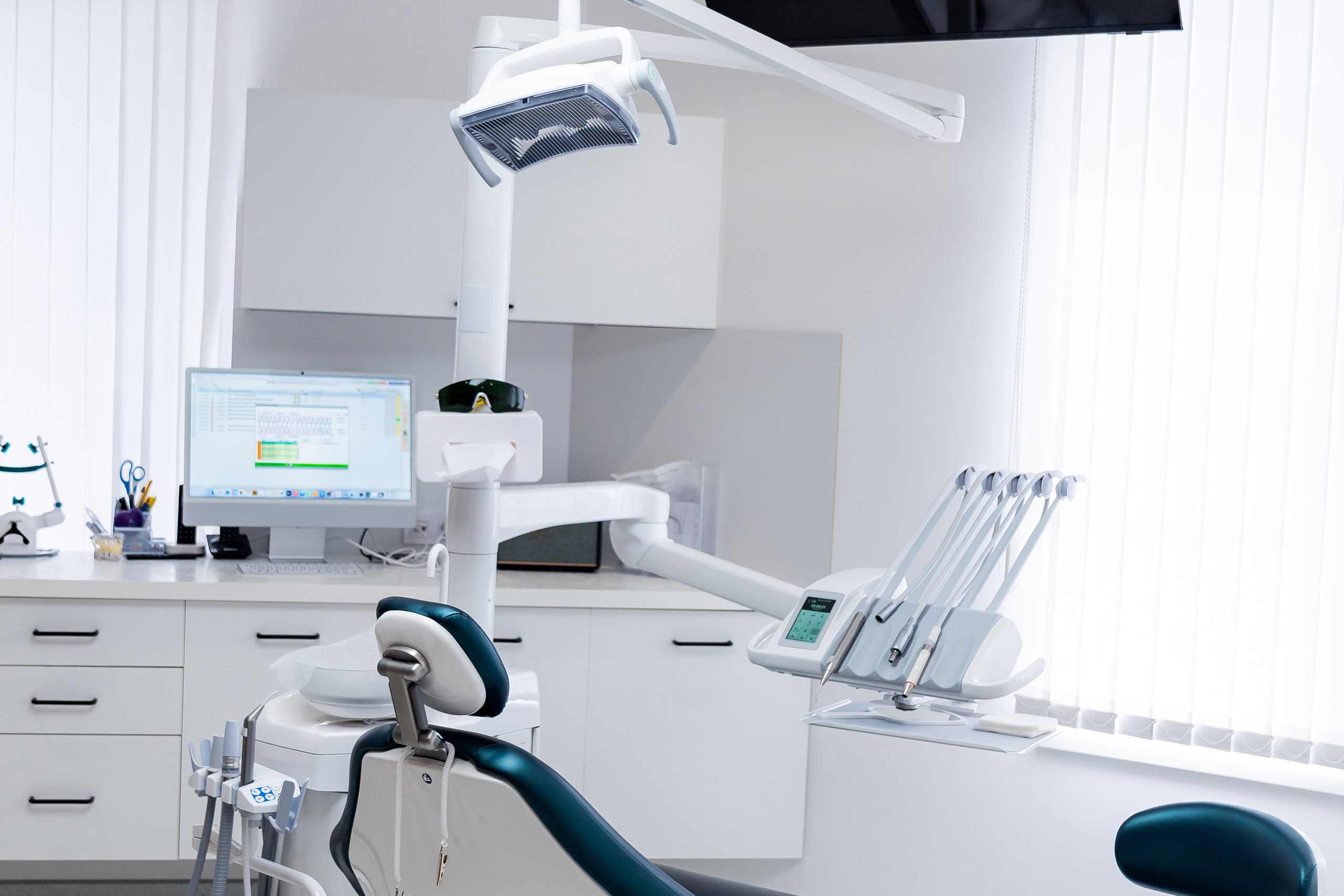
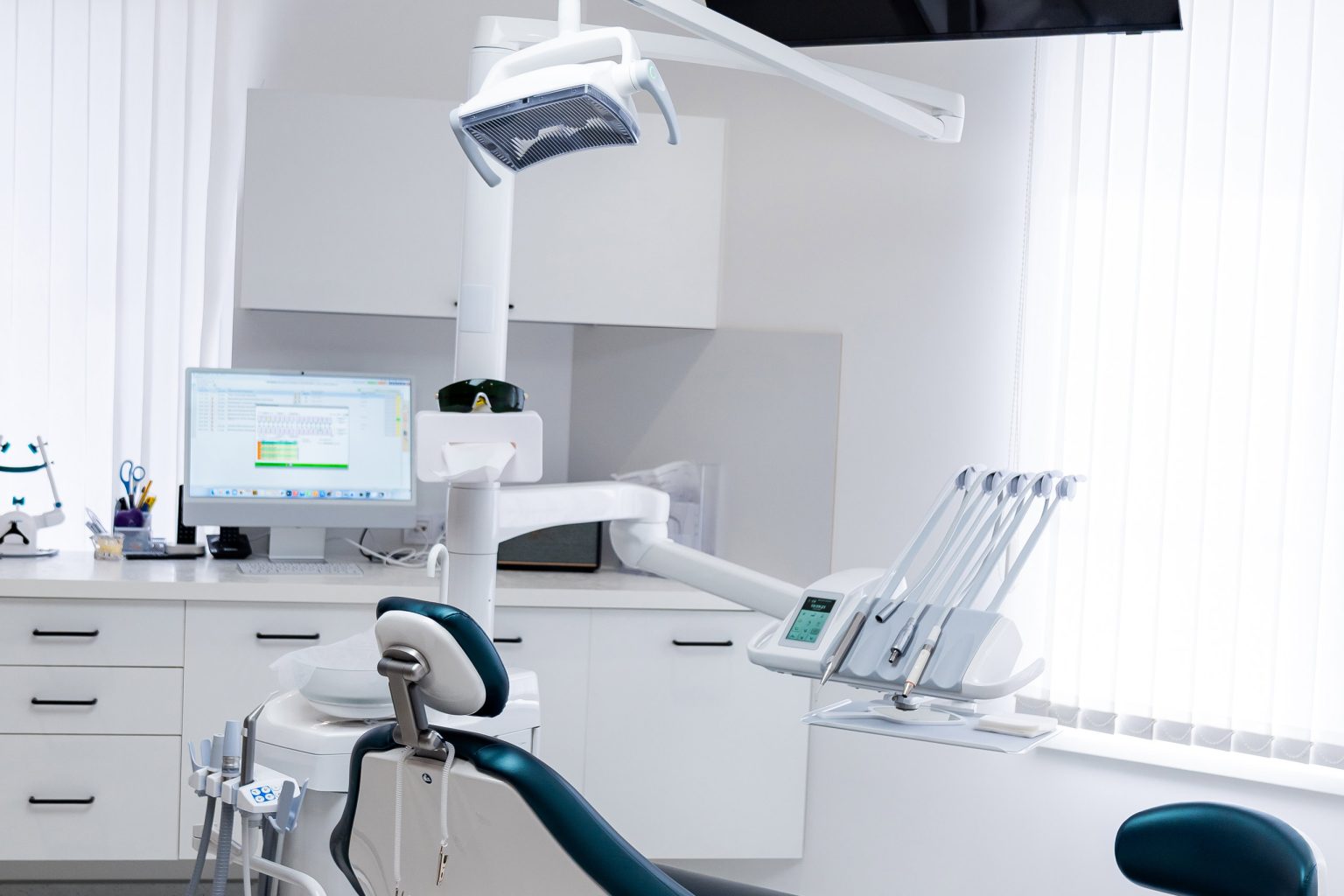
Patient care areas collect the most clinical debris. Floors near dental chairs may pick up water, polishing paste, packaging pieces, and splatter. The floor should be cleaned after visible contamination and kept free from trip hazards, cords, and loose single use items.
Clinical contact surfaces still need separate attention. Door handles, switches on dental chairs, countertops, and light switches may require disinfection between patients depending on the surface and exposure risk.
Reception area, waiting area, and public traffic zones
The reception area and waiting area carry outside soil, fingerprints near reception desks, stroller marks, winter salt, and spills. They shape the first impression.
Useful daily tasks include:
- Vacuum carpets or entry mats.
- Remove dirt near doors.
- Mop hard floors after peak traffic.
- Remove fingerprints from glass and nearby surfaces.
- Check chairs, picture frames, and walls for visible soil.
Break rooms, staff areas, restrooms, and back office spaces
Break rooms and staff areas need a separate rhythm. Food crumbs, coffee spills, paper towels, clean sinks, and restock toilet paper tasks belong in the daily routine. Restrooms also need supply checks.
This zoning turns a broad checklist into a realistic dental office cleaning checklist.
Dental office cleaning checklist for floors and high traffic spaces
A checklist should be short enough to use and detailed enough to prevent missed work. Separate daily, weekly, and monthly tasks.
Daily cleaning tasks for entrance mats, treatment room floors, and hallways
Daily tasks should focus on visible soil, safety, and patient flow.
| Area | Daily floor task |
| Entry | Vacuum mats and remove debris |
| Waiting room | Spot clean spills and mop hard floors |
| Operatories | Clean visible soil after procedures |
| Hallways | Dust mop and wet mop as needed |
| Restrooms | Mop floors and restock toilet paper |
| Break rooms | Clean spills and check trash areas |
Weekly cleaning tasks for edges, corners, grout lines, and buildup
Weekly cleaning should reach what daily work misses. Edges, corners, grout lines, under chairs, and areas near storage cabinets collect soil slowly.
If carpets or upholstered waiting room chairs hold odors, the practice may need to deep clean upholstery and extract carpets on a planned schedule.
Monthly floor care checks for wear, staining, odor, and finish damage
Monthly checks help catch damage before it becomes expensive. Look for dull traffic lanes, sticky buildup, stained grout, odor near restrooms, worn finish, loose transitions, and recurring slip complaints.
When these problems return, the cleaning products or frequency may need adjustment.
Cleaning products for dental office floors: what to consider before use
Cleaning products should match the floor material and soil. A product that works on tile may damage a floor finish. A disinfectant may leave residue if used daily without need.
Matching cleaning products to VCT, LVT, tile, carpet, and rubber flooring
Dental offices often have mixed flooring. VCT may need finish protection. LVT needs low-residue cleaning. Tile needs grout attention. Carpet needs extraction. Rubber floors can react badly to certain chemicals.
Scher Flooring Services works with commercial carpet, VCT, LVT, tile, rubber, and other hard floors.
When disinfectants are needed and when routine floor cleaning is enough
Routine floor cleaning is usually enough for normal soil. Disinfection becomes important when blood or other potentially infectious material is visible or reasonably suspected. In that case, staff should follow the practice’s exposure control plan and the product label.
Why harsh chemicals can damage floor finish, grout, and coatings
More chemical does not mean better cleaning. Strong products can dull VCT finish, leave residue on LVT, discolor grout, or affect coatings. Use the right dilution, dwell time, equipment, and recovery process.
For tile and grout problems, a professional commercial tile floor cleaning process can remove buildup without turning every day into a deep cleaning project.
Dental office cleaning services: when in-house cleaning is not enough
In-house staff can manage daily cleaning. Professional cleaning services help when floors need deeper soil removal, finish care, carpet extraction, grout cleaning, or after-hours scheduling.
Signs your dental office needs professional floor cleaning services
Call for help when floors look dull after mopping, grout stays dark, carpets smell musty, VCT loses shine, or staff spend too much time correcting the same areas.
How commercial cleaning services support infection control routines
Professional floor work supports infection control by removing soil routine mopping leaves behind. It does not replace chairside disinfection or instrument sterilization.
What a professional floor maintenance plan should include
A good plan should document floor type, traffic, cleaning equipment, frequency, safety concerns, and service timing. Scher Flooring can work around patient hours.
Floor cleaning standards for each part of the dental office
Every area needs a standard, but not the same one. Waiting areas, operatories, restrooms, and break rooms each collect different soil.
Reception area and waiting area floors
Focus on entry mats, carpets, chairs, reception desks, and visible dust. These areas need a polished look because patients judge cleanliness quickly.
Treatment room and operatory floors
Remove procedure debris, mop visible soil, and respond quickly to contamination. Floors should stay clear around dental chairs so staff can move safely.
Break rooms and staff areas
Clean crumbs, spills, sinks, counters, and floors. Restock supplies and keep trash from overflowing.
Restrooms, hallways, and non clinical areas
Restrooms need frequent checks. Hallways need traffic lane care. Non clinical areas still matter because patients and employees use them every day.
Common floor cleaning mistakes dental practices should avoid
Most floor problems come from small habits repeated for months. The fix is better zoning, better products, and a schedule that matches patient volume.
Using the same mop water across different zones
Dirty mop water can move soil from one zone to another. Change water often and separate clinical, restroom, and break room tools when possible.
Letting spills, dust, and dental debris sit too long
Soil becomes harder to remove the longer it sits. Fast cleanup protects floors and reduces tracking.
Choosing cleaning products without checking the flooring material
A product should be chosen for the surface. VCT, LVT, rubber, tile, and carpets do not respond the same way.
Waiting until floors look dirty before scheduling deep cleaning
By the time floors look bad, buildup has already settled in. Scheduled maintenance usually costs less than emergency restoration.
How Scher Flooring helps dental offices maintain cleaner commercial floors
Dental offices need clean floors without giving staff another burden. Scher Flooring Services helps by matching service to the flooring material, traffic level, and schedule.
Building a floor care schedule around patient hours and staff workflow
Dental teams need cleaning work done around appointments, not during them. A planned schedule can handle high traffic areas, restrooms, staff areas, and patient spaces.
Choosing the right cleaning services for each floor type
A dental office may need VCT and LVT cleaning, carpet extraction, tile cleaning, or hard floor maintenance in different rooms. The right mix keeps the whole facility consistent.
Keeping dental office floors presentable, safer, and easier to maintain
The goal is simple: floors that look well maintained, support a healthy workplace, and stay easier to clean between visits.
FAQs about dental office floor cleaning
How often should dental office floors be cleaned?
Most dental office floors need daily cleaning in patient areas, restrooms, waiting areas, and staff spaces. High traffic zones may need spot cleaning during the day.
Do dental office floors need to be disinfected every day?
Not always. Routine cleaning is often enough for normal dust and dirt. Disinfection is needed when floors are visibly contaminated with blood or other potentially infectious material.
What should be included in a dental office cleaning checklist?
A checklist should include floors, restrooms, paper towels, toilet paper, door handles, countertops, reception desks, sinks, break rooms, waiting areas, and patient areas.
Are reception area and waiting area floors part of infection control?
Yes, but they are handled as public housekeeping areas. They support cleanliness, safety, and patient confidence.
What cleaning products are safe for dental office floors?
Safe products depend on the floor material. Check the flooring type, finish, product label, dilution, and disinfectant need before use.
When should a dental office hire professional cleaning services?
Hire professional cleaning services when regular mopping no longer restores the floor, when carpets hold odor, when grout darkens, or when the office needs a predictable maintenance schedule.
Stay Updated!
Sign up for email updates and stay in the loop about about our services and promotions.
We’re here to answer any questions you have about our commercial floor cleaning, restoration, and maintenance services.
Get a Free Quote Today!
Scher Flooring Services is a locally and family owned and operated commercial floor cleaning, maintenance and restoration company in business for over 25 years.
"*" indicates required fields