Auto dealership showroom floor cleaning means removing grit, tire marks, and spills from polished concrete, epoxy, and tile without shortening the floor’s service life, so the showroom stays presentable, safe, and ready for customers. For dealership managers, facility maintenance teams, and commercial cleaning providers responsible for showroom upkeep, the right approach protects finishes while keeping walkways clear and attention on the vehicles instead of floor wear.
Unlike ordinary retail spaces, dealerships combine display vehicles, shoppers, and dirt tracked in from service drive lanes. Proper floor care has to match foot traffic, floor material, and business hours, and it also shapes first impressions. Below, you’ll find practical methods and products for concrete, epoxy, and tile, daily and periodic maintenance routines, spill and stain response, when to use floor scrubbers, and how to evaluate professional dealership cleaning services.
Why Showroom Floor Care Matters for First Impressions at Car Dealerships
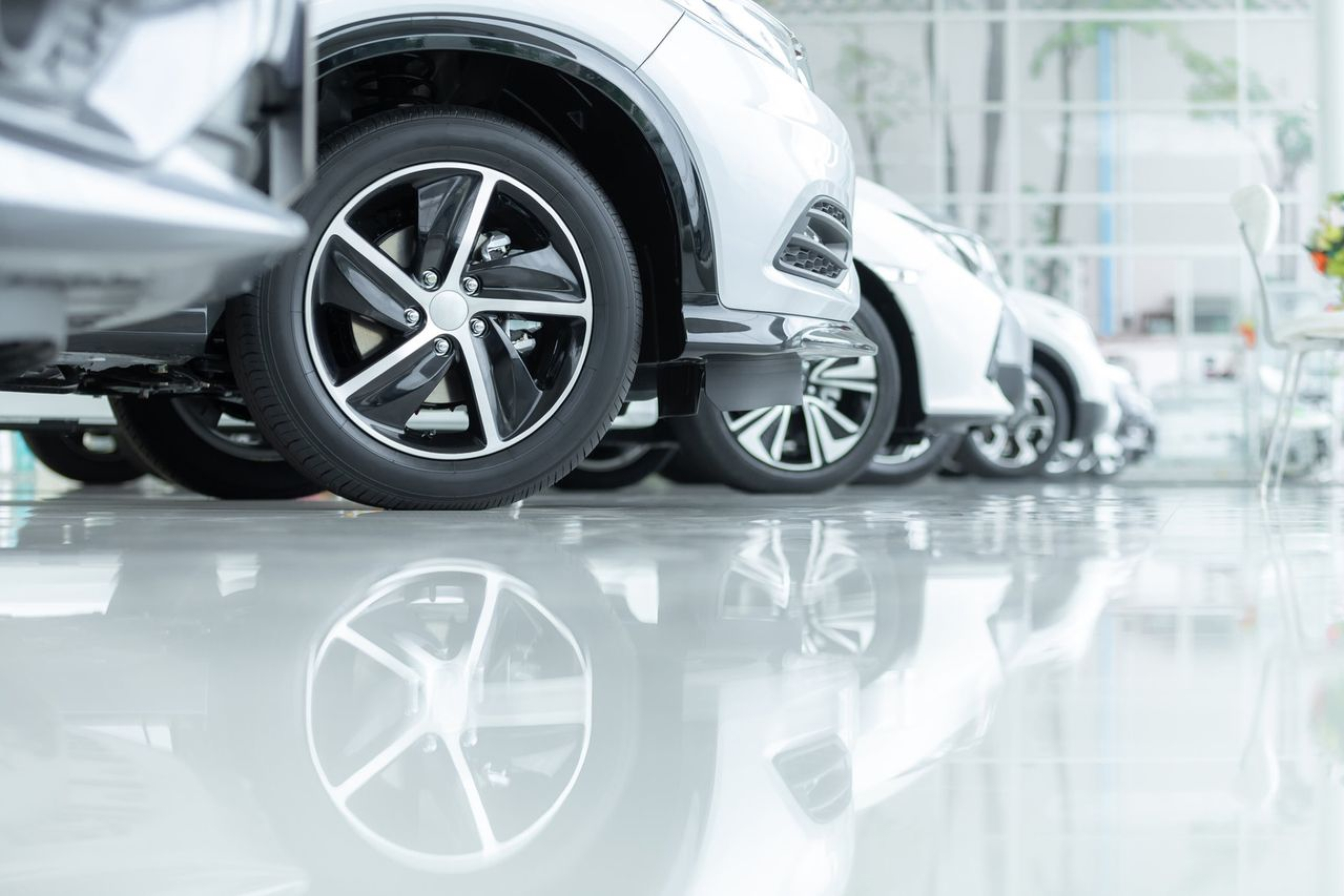
Customers notice the car first, but its surroundings influence first impressions. Clean showroom floors reflect natural light and create a welcoming environment. A spotless showroom also makes fresh stains easier to identify.
High-Traffic Trouble Spots: The Sales Floor, Entrances, and Customer Lounges
At an auto dealership, the sales floor collects grit and tire marks; entrances bring rainwater, salt, and sand. Customer lounges collect spills, while sales offices, waiting areas, and employee break rooms may mix carpet with tile.
A cleaning crew should give each zone daily attention. Dealership cleaning also involves clean glass, door handles, and restroom upkeep, but floors need dedicated methods. Spotless customer areas support customer satisfaction; shiny floors can still carry slippery residue.
Identify the surface first. Polished concrete in showroom environments needs different care from epoxy.
Polished Concrete Floor Cleaning in a Dealership Showroom
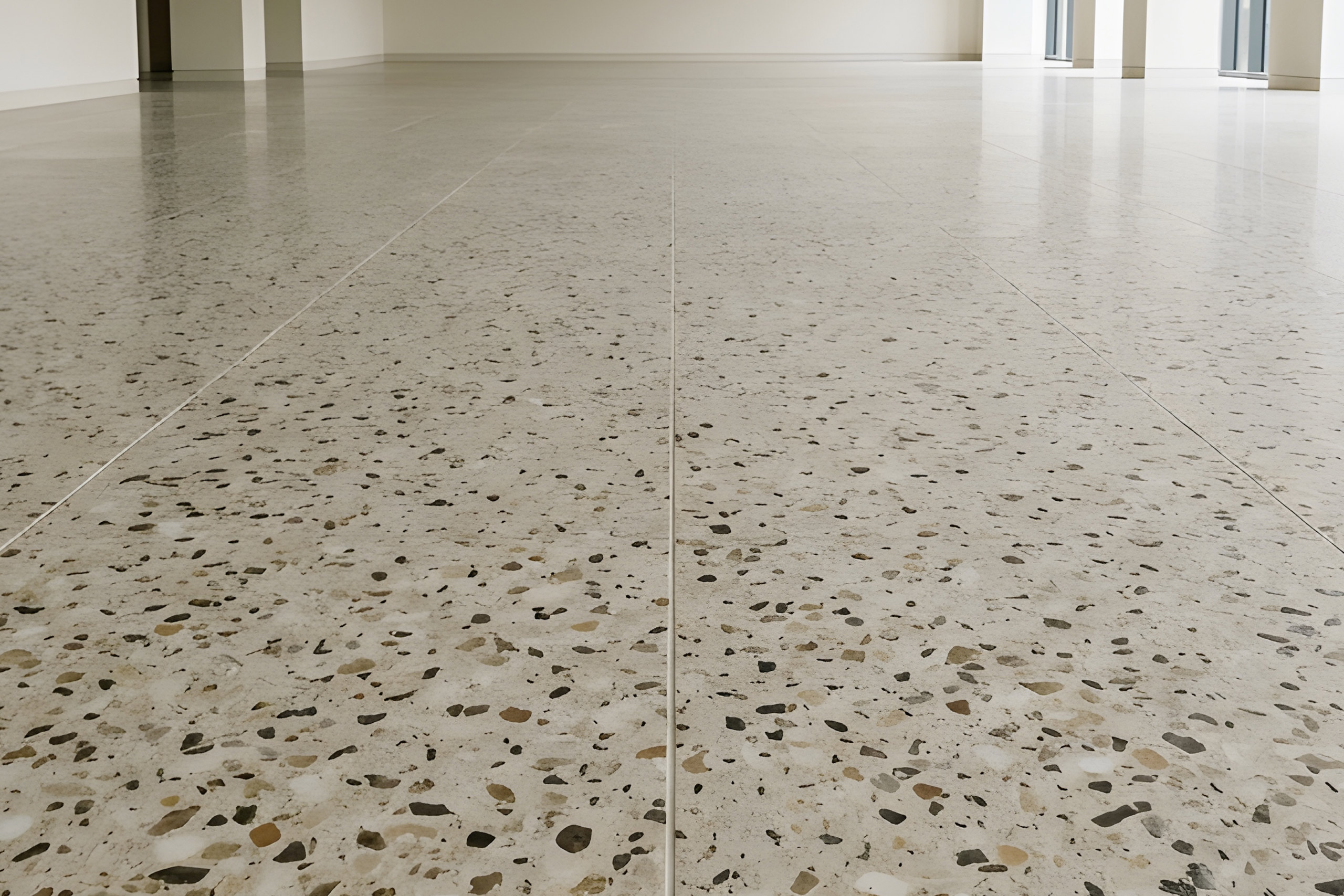
Polished concrete gives automotive dealerships a sleek finish, but abrasive soil reduces its shine. Unlike wax, its appearance comes from mechanically polishing the concrete.
Daily Dirt Removal and pH-Neutral Cleaning
Dust-mop before wet cleaning. Sand abrades the finish under shoes and wheels, making entry mats essential.
Use a pH neutral floor cleaner approved for concrete. Dilute correctly, change mop water, and recover dirty solution. Large spaces benefit from auto scrubbing with nonabrasive pads. Keep equipment clear of vehicles. Because different concrete finishing systems use different guards and densifiers, ask the installer which cleaning chemistry is approved before changing products.
Protecting Shine From Grit, Scuffs, and Chemical Damage
Address coffee, soda, and oil spills promptly. Avoid acids, harsh degreasers, abrasive pads, and wax unless the floor manufacturer specifies otherwise. These can dull the finish.
Persistent haze may indicate residue or worn polish. Restoration may require a polishing specialist, not stronger detergent.
Epoxy looks similar, but its coating requires different products.
Epoxy Floor Care for Automotive Dealerships
Smooth decorative epoxy suits showrooms; textured systems may appear near the service department, where traction matters.
Removing Tire Marks, Spills, and Surface Residue Safely
Sweep, then use a coating-compatible neutral detergent. Tire marks may need agitation; aggressive solvents or brushes can damage epoxy. Test approved spot cleaners in hidden areas. Some coatings are glossy and smooth; others have an aggregate texture. A method that cleans one without marks may leave soil trapped in the other.
For grease or spill clean up, follow safety procedures and remove contamination promptly. Soft brushes reach textured epoxy better than flat mops; recover dirty water.
Peeling, gouges, or reduced traction need inspection, not harder scrubbing. Change equipment settings where epoxy meets tile.
Tile and Grout Cleaning at an Auto Dealership
Ceramic and porcelain tile suit entrances, lounges, and restrooms. Grout often retains soil after tile looks clean.
Routine Care for Ceramic and Porcelain Tile
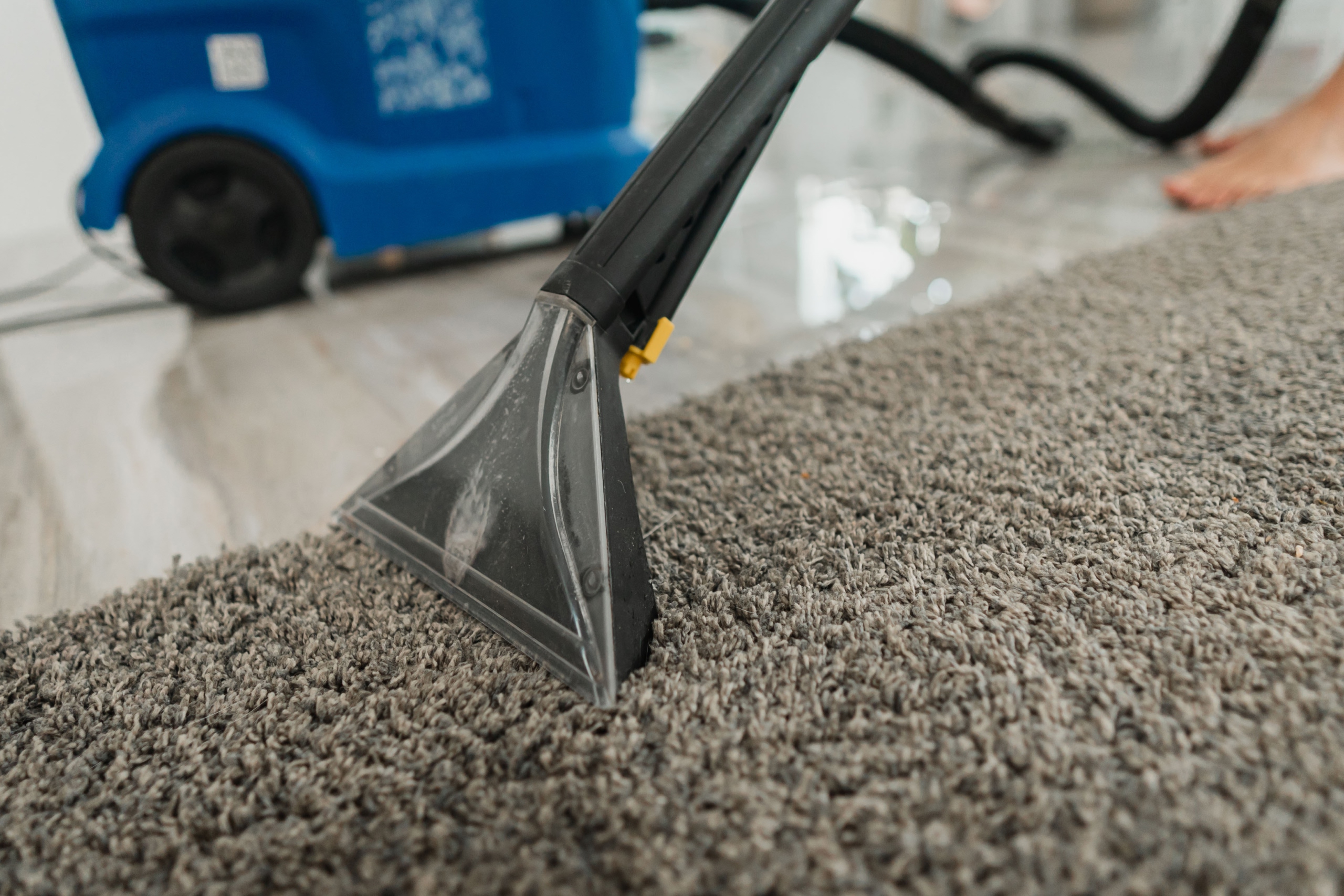
Remove grit first. Mop with a tile-safe neutral cleaner and extract dirty water. Check transitions to carpet and coated floors. On porous cement-based grout, mopping alone often pushes dirty water into joints, so periodic wet extraction is especially useful.
Marble needs stone-safe products; acids can etch these delicate surfaces.
Managing Dirty Grout Lines and Slippery Cleaning Residue
Dark grout may contain soil or permanent stains. Professional cleaners use suitable agitation and extraction; compatible sealers may ease later maintenance.
Detergent residue attracts dirt and can increase slipperiness. Dry floors before reopening. Next, set cleaning frequency.
How Often Should Car Dealership Cleaning Be Scheduled?
Regular cleaning does not follow a single schedule for every facility. A dealership with a busy service entrance may need several entrance checks a day, while low-traffic offices and the service area can often be handled during closing rounds depending on traffic levels. Car dealerships with steady walk-ins, frequent vehicle movement, or winter road salt need more attention than lower-traffic locations. The best dealership cleaning services adjust frequency by exposure and floor condition.
Daily Dealership Cleaning for High-Traffic Areas
Daily cleaning should focus on entrances, the sales floor, customer areas, and service drive lanes. A day porter or trained employee can address spills during business hours while the main cleaning crew handles wider floor sections when traffic slows.
Typical daily priorities include:
- Remove grit and moisture from entrances and mats.
- Sweep high-traffic paths and inspect around display vehicles.
- Handle spills immediately and post wet-floor signs when needed.
- Check customer lounges, waiting areas, and break rooms for tracked soil.
Weekly and Periodic Floor Maintenance Based on Traffic
Use this schedule as a starting point, then refine it after monitoring wear and soil levels:
| Frequency | Main floor-care task | Areas to prioritize |
| Daily | Dust removal, spot cleaning, spill response | Entrances, sales floor, lounges |
| Weekly or as needed | Machine scrubbing with approved products | Open concrete, epoxy, and tile areas |
| Periodically | Grout extraction, finish assessment, specialist restoration | Soiled grout and worn traffic lanes |
Schedule deeper work around vehicle deliveries, promotions, and business hours. Frequency alone is not enough: the right floor scrubbers and pads also determine whether cleaning preserves or damages the surface.
How to Use Floor Scrubbers Without Damaging the Sales Floor
Floor scrubbers can improve consistency over large showroom spaces, but they are not interchangeable across materials. Incorrect pad pressure, chemical concentration, or water recovery can create haze, scratches, and slip hazards.
Matching Pads, Brushes, and Cleaning Products to Each Surface
For polished concrete, use approved nonabrasive pads and a suitable cleaner. Smooth epoxy often needs gentle pads, while textured epoxy may need a compatible brush. Tile requires attention to grout joints and dirty-water extraction. Always follow the flooring and equipment manufacturers’ instructions rather than relying on pad color alone.
Before machine cleaning, move loose mats, protect cords, mark pedestrian routes, and confirm clearance around vehicles and displays. Test an inconspicuous section, then inspect it after drying. Auto scrubbing should leave the floor clean and dry, not covered with a thin layer of residue.
Good equipment works best within a documented maintenance program, which is what facilities should compare when selecting a provider.
What to Look for in Dealership Cleaning Services
Car dealership cleaning is more than assigning a crew to mop at closing time. A strong provider should identify floor finishes, understand showroom access restrictions, and explain how the work will protect the floor over time.
Why Surface-Specific Commercial Cleaning Plans Matter
Ask prospective providers how they choose chemicals, manage spill response, protect display vehicles, and document recurring trouble spots. Confirm whether their commercial cleaning scope covers only floors or also sales offices, employee break rooms, and customer lounges. Cleaning windows, high touch surfaces, and restrooms may require separate janitorial arrangements. Ask how the provider will avoid blocking accessible routes, protect nearby merchandise, and verify that all cleaned areas are dry before staff or customers enter.
A practical floor cleaning plan identifies surfaces, establishes daily and periodic tasks, and schedules deeper work without disrupting customers. Scher Flooring Services provides practical, custom, surface-specific commercial floor maintenance planning in Maryland, Virginia, and Washington, DC, including ceramic and porcelain tile care and other hard-surface maintenance. Confirm specific epoxy or concrete restoration needs during a site assessment.
These checks also help answer common questions about products and professional service intervals.
Frequently Asked Questions About Auto Dealership Showroom Floor Cleaning
The right method depends on the installed floor system, not simply the name of the material. These answers cover two decisions dealership managers face when planning consistent care.
Can the Same Cleaner Be Used on Polished Concrete, Epoxy, and Tile?
Sometimes a neutral cleaner is compatible with all three, but one product should never be assumed safe for every finish. Confirm compatibility with the flooring manufacturer, follow dilution directions, and test a small hidden area. Specialty treatments for tire marks, grout, or stone may require different products. Never combine cleaning chemicals, and keep manufacturer care instructions available to the team.
When Should a Dealership Schedule Professional Deep Floor Cleaning?
Arrange a professional assessment when routine mopping no longer removes soil, grout stays dark, tire marks remain, or a floor looks uneven after drying. Also consider periodic deep cleaning before major sales events or seasonal traffic increases. Professional maintenance should correct soil buildup; damaged coatings or worn concrete polish may require restoration by an appropriate specialist.
Clean showroom floors are easier to maintain when daily pickup, prompt spill response, and periodic work support one another. For an auto dealership, that consistency protects the appearance of the space, supports safer circulation, and allows the vehicles—not neglected flooring—to hold customers’ attention.
Stay Updated!
Sign up for email updates and stay in the loop about our services and promotions.
We’re here to answer any questions you have about our commercial floor cleaning, restoration, and maintenance services.
Get a Free Quote Today!
Scher Flooring Services is a locally and family owned and operated commercial floor cleaning, maintenance and restoration company in business for over 25 years.
"*" indicates required fields