
An auto floor scrubber buying guide should help you choose equipment that fits your building, not simply the machine with the biggest tank. The right floor scrubber depends on floor type, square footage, cleaning frequency, obstacles, and the hours your team can work.
For facility managers, the biggest decision is how to balance cleaning performance with labor, safety, and long-term cost. Here is how the main options compare.
What Is an Automatic Floor Scrubber and How Does It Work?
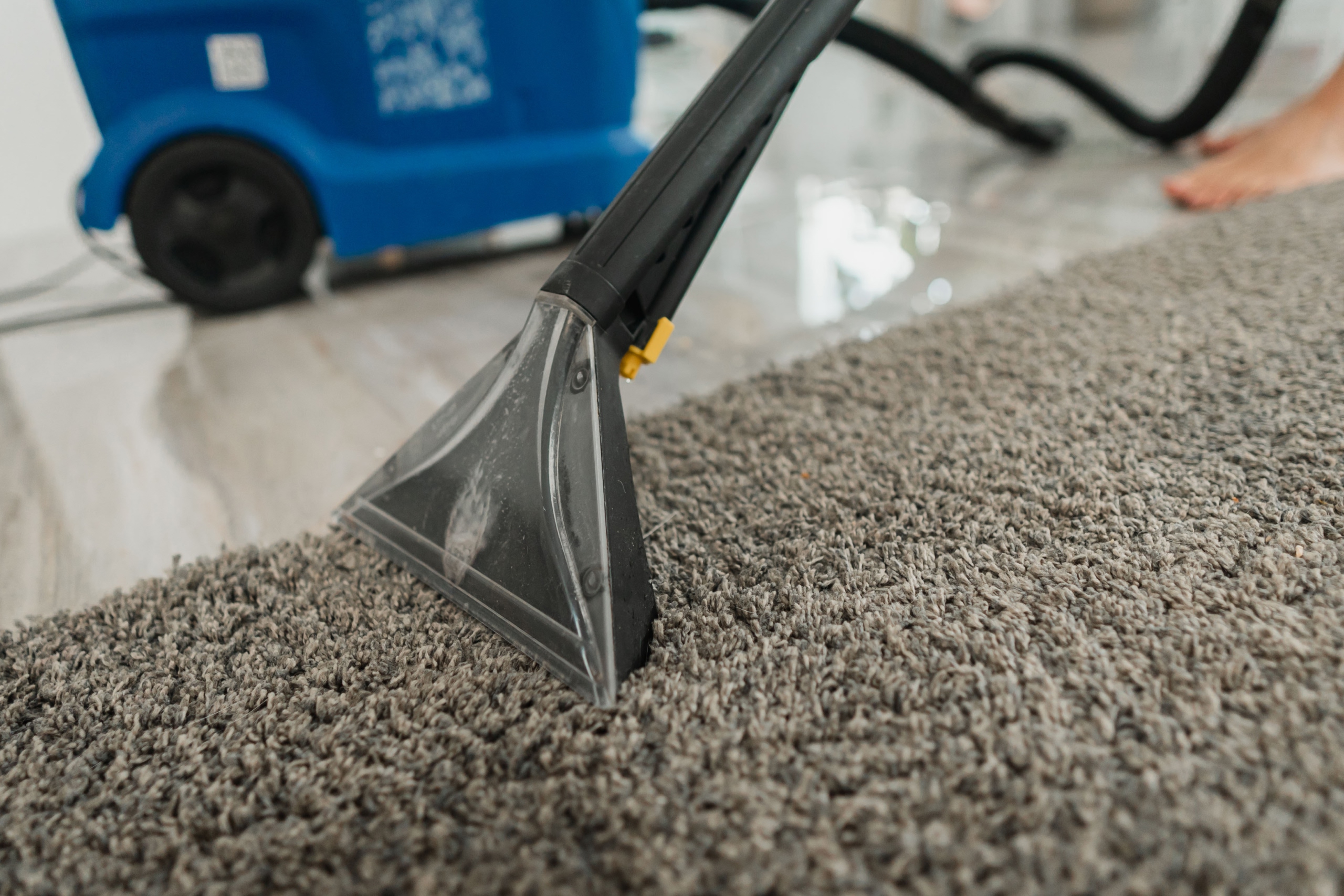
An automatic floor scrubber washes hard surfaces and collects wastewater in the same pass. Unlike a traditional mop, an auto scrubber distributes clean water and cleaning solution, agitates soil with brushes or pads, then uses a vacuum and squeegee to recover the dirty water.
Most machines have a solution tank and a separate recovery tank. This separation helps prevent operators from spreading water mixed with soil across the commercial floor. However, dry debris such as grit and packaging should be swept up first unless the machine has an integrated sweeping function.
Understanding that basic recovery system makes the next decision easier: selecting a suitable power source.
Commercial Floor Scrubbers Compared: Battery, Corded, and Propane
Commercial floor scrubbers differ in mobility, operating time, ventilation needs, and upkeep. These power options are separate from whether an operator walks or rides.
| Power source | Best fit | Main trade-off |
| Battery | Occupied buildings and flexible routes | Charging time and battery replacement |
| Corded | Compact areas near outlets | Cable management and limited reach |
| Propane/LPG | Selected heavy industrial applications | Exhaust exposure, noise, and engine service |
Battery-Powered Floor Scrubbers: Runtime, Mobility, and Charging
Battery units move freely around furniture, elevators, and tight spaces without trailing cords. Compare battery life under normal scrubbing pressure, not just advertised maximum runtime. Lead acid batteries may need watering and controlled charging; sealed AGM and lithium-ion battery types have different care requirements and costs.
A battery-powered walk behind floor scrubber often suits schools and retail properties with changing layouts. Confirm that charging space, electrical access, and replacement batteries fit your operation.
Corded Floor Scrubbers: Continuous Power for Smaller Spaces
A corded floor scrubber can run without charging breaks, often at a lower purchase cost. Compact size and simple controls appeal to small facilities. However, cables create routing and trip concerns around employees and customers. Check outlet placement before buying.
Propane-Powered Floor Scrubbers: Industrial Uses and Ventilation Risks
Propane machines can support extended heavy-duty scrubbing in some manufacturing plants and warehouses. But propane burnishers, designed primarily to polish floors, should not be confused with scrubbers that wash and recover wastewater.
Tennant Company+1
Combustion produces exhaust, including potentially dangerous carbon monoxide. Use only equipment approved for the setting, following manufacturer requirements for ventilation, emissions monitoring, maintenance, and trained operators. Battery models are generally preferable in occupied indoor spaces.
OSHA+1
After choosing a power source, decide whether staff should walk behind the machine or ride on it.
Ride-On vs. Walk-Behind Auto Scrubber: Which Is Better for Your Facility?
The two main types of operator configuration are walk behind scrubbers and ride on scrubbers. Either may use battery power; some industrial ride-on units use LPG. Layout and operator workload matter more than square footage alone.
Walk-Behind Models for Tight Layouts and Moderate Floor Areas
A walk behind model is easier to steer around desks, doorways, and crowded stockrooms. Compare walk behind machines by propulsion assistance, turning radius, visibility, and handle comfort. A smaller cleaning width may actually improve productivity where frequent turns are unavoidable.
Ride-On Models for Large, Open Commercial Floors
Ride on machines cover open aisles faster and can reduce operator fatigue on long shifts. They need room to turn, park, refill, and move between zones. Measure elevators, door openings, and loading areas before ordering.
Once the configuration fits your building, compare the specifications that determine real cleaning output.
Key Specs to Compare in Commercial Floor Cleaning Equipment
The best commercial floor scrubbers are not necessarily the fastest on paper. Tank capacity, water pickup, surface compatibility, and downtime determine how much usable floor gets cleaned during a shift.
Cleaning Path Width, Turning Radius, and Productivity
Cleaning path is the width scrubbed in one pass; cleaning width alone does not reveal actual hourly output. Compare rated square feet per hour with realistic travel speed, overlapping passes, obstacles, and refill stops. A 20-inch machine may outperform a wider unit in narrow corridors.
Floor Type, Brush Pressure, and Pad Compatibility
Select brushes and pads for the surface and finish. Sealed concrete may tolerate stronger agitation than polished marble or coated tile. VCT, LVT, rubber, and natural stone each have different manufacturer requirements. Excessive pressure or the wrong chemical can dull finishes or cause damage.
Dirty Water Recovery, Tank Capacity, and Drying Performance
A good recovery system leaves minimal moisture behind. Inspect squeegee contact, vacuum performance, and access to the recovery tank for cleaning. Larger tanks reduce refill trips but add machine weight. Check where staff can legally and safely empty wastewater.
Battery Life, Noise Levels, Storage, and Maintenance
Ask about usable runtime, charge duration, replacement battery costs, and noise level during business hours. Daily maintenance tips include rinsing tanks, clearing filters, checking squeegees, and inspecting brushes. These habits protect performance and extend machine life.
With the specifications defined, match the equipment to the activity and floor surfaces in each building.
How to Choose the Best Commercial Floor Scrubbers for Your Building
Facility type affects soil load, traffic patterns, operating schedules, and acceptable noise. The same scrubber will not suit every property.
Offices, Schools, Healthcare Facilities, and Retail Spaces
A quiet battery-powered walk behind scrubber often works well where occupants move between rooms. Prioritize maneuverability, controlled water use, and dry floors before reopening areas. Healthcare settings also require facility-specific cleaning and infection-control protocols; scrubbing alone is not disinfection.
Warehouses, Factories, and Distribution Centers
Large distribution centers benefit from wider paths and generous tanks, provided aisles permit turning. Manufacturing plants may have tire marks, oily residue, or abrasive grit that require appropriate detergents and brush selection. Pre-sweep dry debris and evaluate chemical compatibility before increasing pressure.
The best match should now be evaluated against the full cost of ownership, not the advertised sticker price.
Purchase Price vs. Total Cost: Does Factory Direct Pricing Save Money?
Factory direct pricing may reduce dealer markup, but it does not guarantee the lowest total cost. Compare warranty support, shipping, parts availability, staff training, and repair response times before purchasing commercial floor cleaning equipment.
A practical total cost calculation includes:
- Purchase or lease payments and financing.
- Batteries, chargers, pads, brushes, and cleaning solution.
- Water use, wastewater disposal, and regular maintenance.
- Labor hours, operator training, and unexpected downtime.
Labor savings from a larger machine matter only if it can navigate the building efficiently. Test candidate machines on your actual floors, ideally with the workers who will operate them.
Even a well-priced scrubber is not always the most economical approach when specialized floor care is needed.
Commercial Floor Maintenance: Buy an Auto Scrubber or Hire a Professional?
Buying makes sense when your team performs routine hard-floor cleaning frequently and has time to maintain equipment. Outsourcing can be more practical for periodic deep cleaning, finish restoration, or buildings with several sensitive floor surfaces.
A scrubber removes everyday soil; it does not replace every service. Coated VCT may need stripping and refinishing, while marble or terrazzo can require surface-specific restoration. A machine cannot compensate for an incorrect chemical or maintenance schedule.
Scher Flooring Services develops commercial floor maintenance programs for properties in Maryland, Virginia, Washington, DC, and nearby service areas. For facilities managing multiple finishes, a tailored floor maintenance plan can coordinate routine cleaning with periodic professional care.
Consider a hybrid approach: train onsite staff for daily scrubbing and schedule specialists for tasks beyond their equipment or expertise. This keeps floors consistent without putting every responsibility on one machine.
Before committing, resolve two common questions about compatibility and size.
FAQs About Choosing a Floor Scrubber
A purchasing decision is easier when you separate what the machine can clean from what your facility actually needs.
Can One Auto Scrubber Clean Every Hard Floor Type?
No. Floor type, protective finish, brush pressure, and approved detergent determine compatibility. Some machines can clean multiple surfaces with different pads, but sensitive marble, wood, and specialty flooring may require alternative methods. Always confirm the flooring manufacturer’s maintenance guidance.
Is a Ride-On Floor Scrubber Worth It for a Mid-Size Facility?
Sometimes. A ride-on can improve productivity when routes are open and cleaning takes several hours. A walk-behind may offer lower cost and better access in compartmentalized buildings. Compare actual cleaning time, labor savings, storage, and service support before choosing.
During a live demonstration, ask operators where turning feels awkward, whether the squeegee leaves damp streaks, and how quickly they can refill and empty tanks.
The right purchase supports clean floors without creating new safety or maintenance problems. Map your routes, test water recovery, and calculate ongoing costs before deciding whether to buy, rent, or supplement in-house cleaning with professional service.
Stay Updated!
Sign up for email updates and stay in the loop about our services and promotions.
We’re here to answer any questions you have about our commercial floor cleaning, restoration, and maintenance services.
Get a Free Quote Today!
Scher Flooring Services is a locally and family owned and operated commercial floor cleaning, maintenance and restoration company in business for over 25 years.
"*" indicates required fields