Bonnet cleaning vs encapsulation vs hot water extraction is a choice between quick appearance maintenance, low-moisture soil control, and deeper cleaning. For commercial facilities, the right method depends on carpet construction, traffic patterns, soil levels, dry time, and manufacturer instructions. A cleaner-looking surface is not always a cleaner carpet.
How Do the Three Commercial Carpet Cleaning Methods Compare?
Unlike marble or tile, carpet holds dirt between fibers, not just on its surface. That difference matters when choosing equipment for offices, hotels, schools, and high traffic areas.
| Method | Main action | Typical role | Main limitation |
| Bonnet cleaning | Rotating absorbent pad wipes the top layer | Limited surface appearance work, if permitted | May abrade fibers or affect a carpet warranty |
| Encapsulation | Cleaning chemistry surrounds soil for later vacuum removal | Interim low moisture cleaning | Cannot remove all deeply embedded contamination |
| Hot water extraction | Water rinses soil; powerful suction recovers it | Periodic deep cleaning | Longer drying and careful moisture control |
For most facilities, the decision is not which carpet cleaner is fastest. It is which method removes the relevant soil without unnecessary wear. Start by understanding what the bonnet does.
What Is Bonnet Cleaning?
Bonnet cleaning uses a floor machine fitted with an absorbent pad to wipe exposed carpet fibers. It can improve appearance quickly, but it is generally a surface-focused technique rather than a substitute for extraction.
How Bonnet Cleaning Works on Commercial Carpet
After vacuuming, a technician applies a compatible cleaning solution and moves a rotating bonnet across the carpet. The pad picks up loosened dirt from the upper pile. It must be turned or replaced frequently; a dirty pad can spread soil instead of removing it.
The machine does not rinse and recover material deep in the backing. Excess solution, aggressive pressure, or repeated passes may distort the pile, especially in certain carpet constructions.
Benefits, Limitations, and Manufacturer Warranty Concerns
It uses less water and dries quickly. The problem is mechanical action. The Carpet and Rug Institute’s CRI 204 commercial standard does not recommend horizontally rotating rotary equipment for carpet cleaning, while some manufacturers explicitly discourage bonnet cleaning. Always check the exact carpet warranty before approving a treatment.
Carpet and Rug Institute+1
When bonnet cleaning is unsuitable, encapsulation offers a way to refresh traffic lanes between deep cleans.
What Is Encapsulation Carpet Cleaning?
Encapsulation is an interim carpet cleaning method designed to manage visible soil with limited moisture. It works well when a facility needs frequent appearance care but cannot close its floors for extended periods.
How Low Moisture Cleaning Captures Dirt
A technician applies an encapsulating solution and distributes it with approved equipment, often a counter-rotating brush machine. As the solution dries, its polymers surround loosened particles, making that residue easier to remove during subsequent vacuuming.
This chemistry works best after thorough dry-soil removal. You cannot simply vacuum away oily stains or tracked-in grime, but daily vacuuming prevents more soil from collecting between scheduled visits. Using too much product can leave unwanted residue.
When Encapsulation Works Best for Busy Facilities
Encapsulation can maintain carpet appearance in office corridors, meeting rooms, and hotel passageways in busy buildings. It is useful for treating traffic patterns before they become permanent-looking dark lanes. It is not designed to restore carpet that is soaked, heavily contaminated, or saturated with spills.
When dirt reaches deeper into the pile, hot water extraction provides deeper cleaning.
What Is Hot Water Extraction Carpet Cleaning?
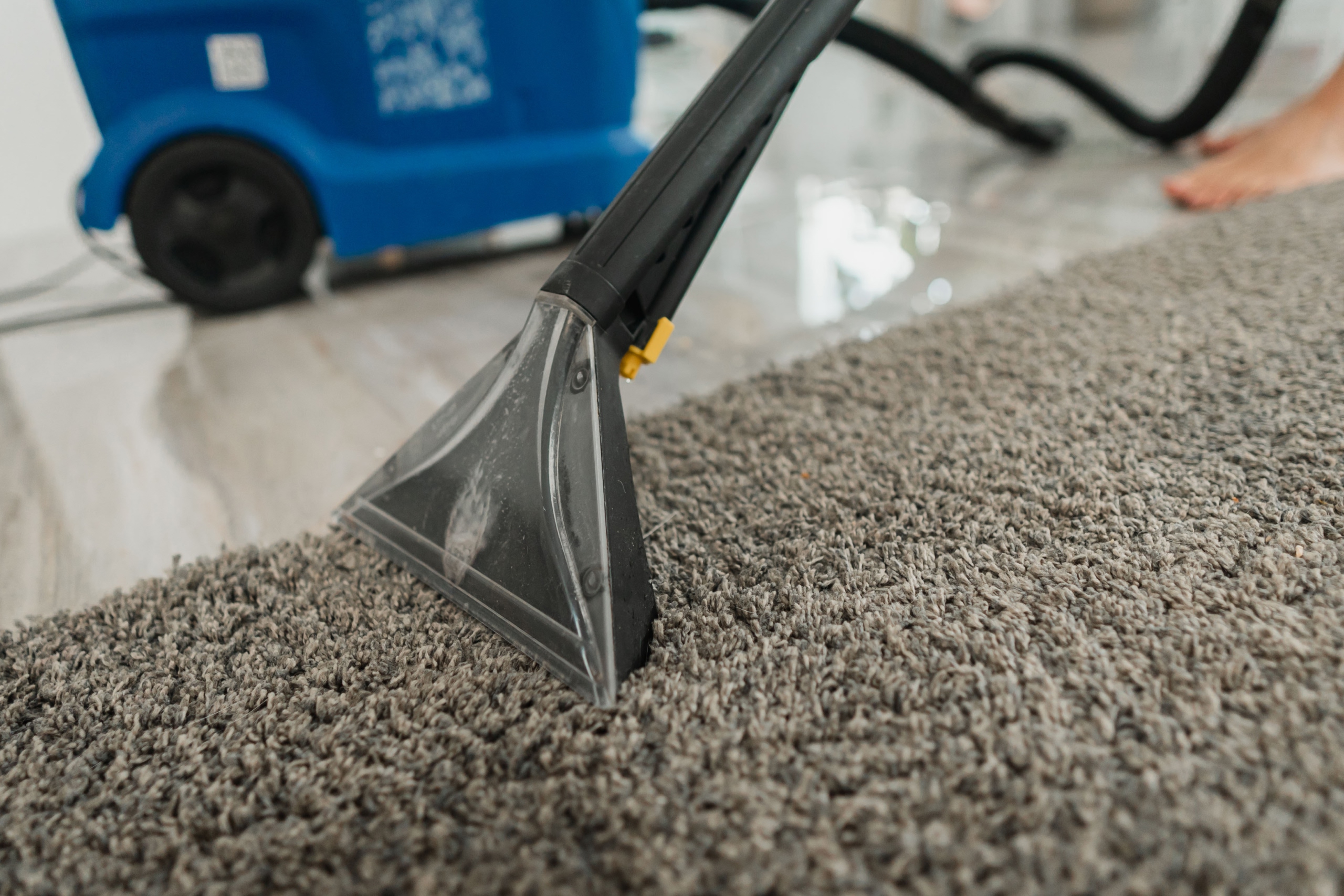
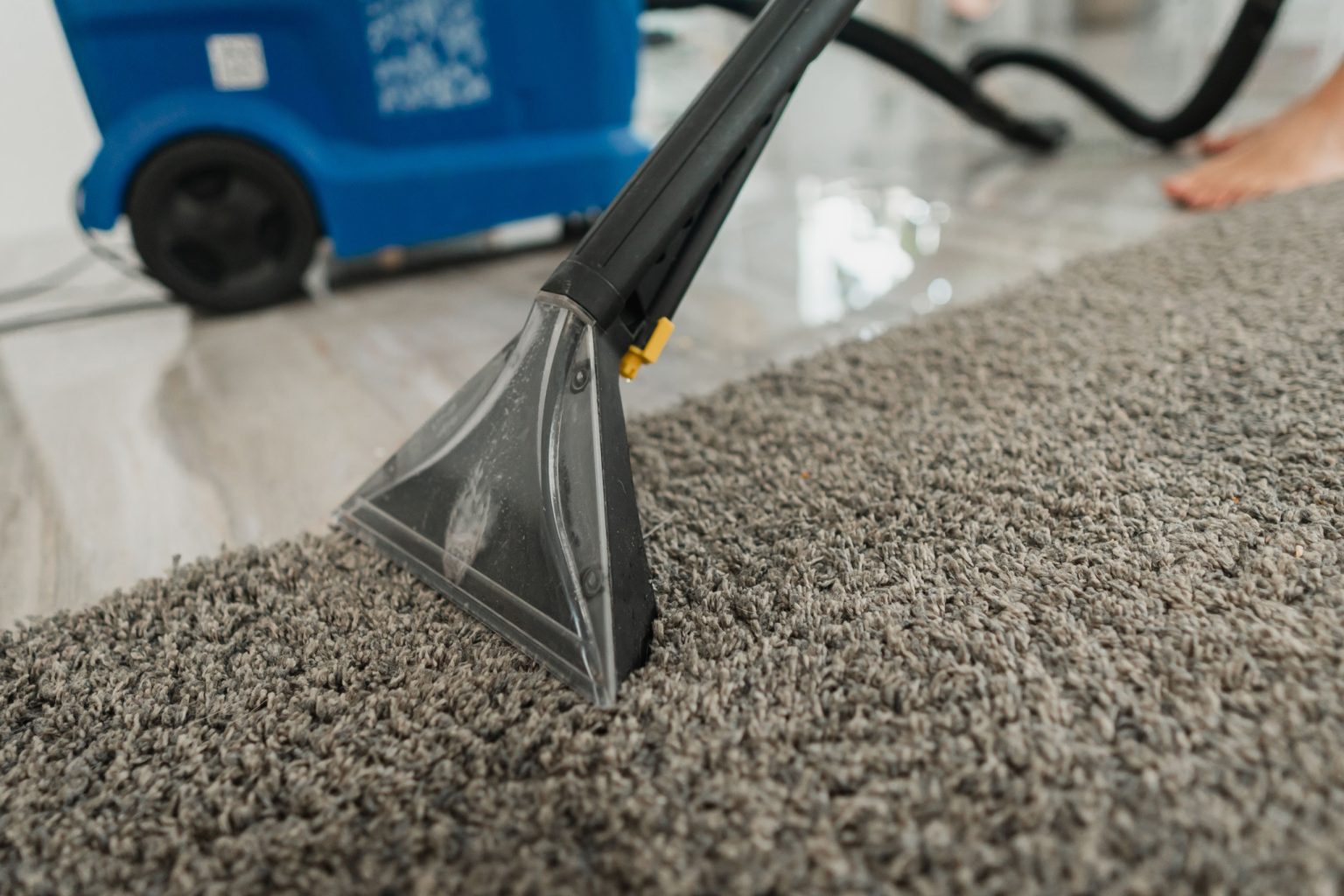
Hot water extraction combines controlled water application, cleaning chemistry, and strong suction. Unlike surface wiping, this process rinses suspended soil from deeper within the carpet pile and recovers it into the machine.
How Water Extraction Removes Deeply Embedded Soil
Technicians pre-vacuum, treat stains, allow the prespray to work, and then make controlled extraction passes. The equipment flushes soil and debris from the fibers while vacuum suction removes water and residue. Extra dry passes and air movers help prevent prolonged moisture in the backing.
Performed correctly, this method deep cleans commercial carpet more thoroughly than interim appearance methods. Poor technique can leave carpets wet or attract new dirt through detergent residue, so equipment settings and technician judgment matter.
Is Hot Water Extraction the Same as Steam Cleaning?
People often call hot water extraction steam cleaning, but most machines use heated liquid water rather than cleaning primarily with vapor. True steam and carpet extraction are not interchangeable processes. Ask a provider how much water is applied, how it is recovered, and when the area can reopen.
With those differences clear, the best approach depends on how each commercial space is used.
Which Method Is Best for Your Commercial Carpet?
There is no universal winner. Carpet type, manufacturer requirements, the kind of soil, and the time available for drying should guide the choice.
For High-Traffic Offices, Hallways, and Lobbies
Entrances collect grit, moisture, and outdoor debris, while corridors develop distinct wear paths. Daily vacuuming and entry mats are the foundation. Encapsulation may refresh compatible carpet between scheduled extraction visits; bonnet cleaning should only be considered where expressly permitted.
For Hotels, Schools, and Healthcare Facilities
Hotels need fast room turnover and clean public areas. Schools can schedule deeper work during breaks. Healthcare facilities may require stricter access controls and cleaning protocols. Low-moisture work can reduce disruption, but facility-specific infection-control rules and flooring guidance still take priority.
For Stains, Heavy Soil, and Carpet Restoration
Food spills, tracked grease, and embedded grit often need targeted spotting followed by hot water extraction. No method can reverse fiber wear, permanent discoloration, or damaged backing. Where carpets have been waterlogged, first identify the water source and determine whether restoration is appropriate.
The practical choice also changes when drying windows, budget, and cleaning frequency are considered together.
How Do Drying Time, Cost, and Cleaning Frequency Compare?
A method that looks inexpensive per visit may cost more if it leaves soil behind or requires repeat work. Facility managers should compare the full maintenance cycle, not invoices.
Drying Time and Business Disruption
Encapsulation generally allows faster reopening because it uses less liquid. Bonnet cleaning can also dry relatively quickly when approved and controlled. Extraction usually needs several hours, although airflow, humidity, pile density, and equipment performance can change the result substantially. Never reopen a damp area simply because a standard time estimate has passed.
Cost per Cleaning vs. Long-Term Carpet Maintenance
Price depends on square footage, furniture, stains, access, and soil severity. Interim cleaning may carry a lower immediate cost, while extraction can be the better investment when deep soil is present. Compare proposals by preparation, spotting, extraction, drying support, and documented results, not just a price per square foot.
How Often Should Commercial Carpets Receive Deep Cleaning?
There is no single calendar for every building. High-use entrances may need frequent spot treatment and interim cleaning, while quieter rooms can follow a lighter schedule. The Carpet and Rug Institute recommends a program built around vacuuming, interim care, and periodic deep cleaning. Track recurring stains, dark traffic lanes, and how fast the floor looks dirty again.
Carpet and Rug Institute+1
These intervals work best as parts of one plan rather than competing services.
Can Low Moisture Cleaning Replace Hot Water Extraction?
Usually, no. Low moisture cleaning helps maintain appearance between visits, but it does not provide the same rinsing and recovery as hot water extraction. Even a carpet that looks fresh may contain deeper soil that ordinary vacuuming cannot reach.
Building a Maintenance Plan with Vacuuming, Encapsulation, and Deep Cleaning
A workable routine connects daily care with periodic professional service:
- Vacuum entrances and busy routes daily, with less frequent service where traffic is lighter.
- Treat new spots promptly using carpet-compatible products.
- Use approved encapsulation where appearance declines between extraction visits.
- Schedule hot water extraction based on soil loading and manufacturer guidance.
- Keep a cleaning log noting methods, products, problem areas, and dry time.
This layered strategy helps maintain appearance without unnecessary wet cleaning. It also makes it easier to identify when the program needs adjustment, which is where professional assessment adds value.
How Scher Flooring Services Helps Businesses Choose the Right Carpet Cleaning Method
Scher Flooring Services provides commercial carpet cleaning and scheduled maintenance across Maryland, Virginia, and Washington, DC. Its published service information describes customized combinations of methods, while a restaurant case study documents hot water extraction as part of recurring care.
Scher Flooring+1
Rather than treating every room alike, a practical commercial carpet cleaning assessment should consider traffic, carpet construction, spills, access, and the manufacturer’s instructions. A scheduled floor maintenance plan can then assign different frequencies to entrances, corridors, and low-use spaces.
The goal is floor appearance, appropriate soil removal, and fewer surprises during business hours. Before approving a proposal, facility managers should ask three final questions.
Frequently Asked Questions About Commercial Carpet Cleaning
The answers below help distinguish a convenient short-term technique from a responsible long-term maintenance decision.
Does Bonnet Cleaning Damage Commercial Carpets?
It can. Rotary friction may distort or abrade certain carpet fibers, and some manufacturers prohibit the method. Confirm the carpet warranty and obtain written approval of equipment and cleaning chemistry before proceeding.
Is Encapsulation Good for Heavily Soiled Carpets?
Encapsulation is usually better for interim maintenance than restoration. Heavy grease, deep grit, or widespread stains may require spotting and extraction, provided the flooring manufacturer approves that method.
What Should Facility Managers Check Before Scheduling Carpet Cleaning?
Confirm carpet construction, warranty conditions, soil level, approved products, drying time, and which areas can be closed. Ask how the team will protect furniture, manage moisture, and document completed work. The strongest program is one that fits your building’s actual use, not a blanket promise that any single machine can solve every carpet problem.
Stay Updated!
Sign up for email updates and stay in the loop about our services and promotions.
We’re here to answer any questions you have about our commercial floor cleaning, restoration, and maintenance services.
Get a Free Quote Today!
Scher Flooring Services is a locally and family owned and operated commercial floor cleaning, maintenance and restoration company in business for over 25 years.
"*" indicates required fields