

Best Cleaning Methods for Commercial Limestone: 5 Top Picks 2026
on
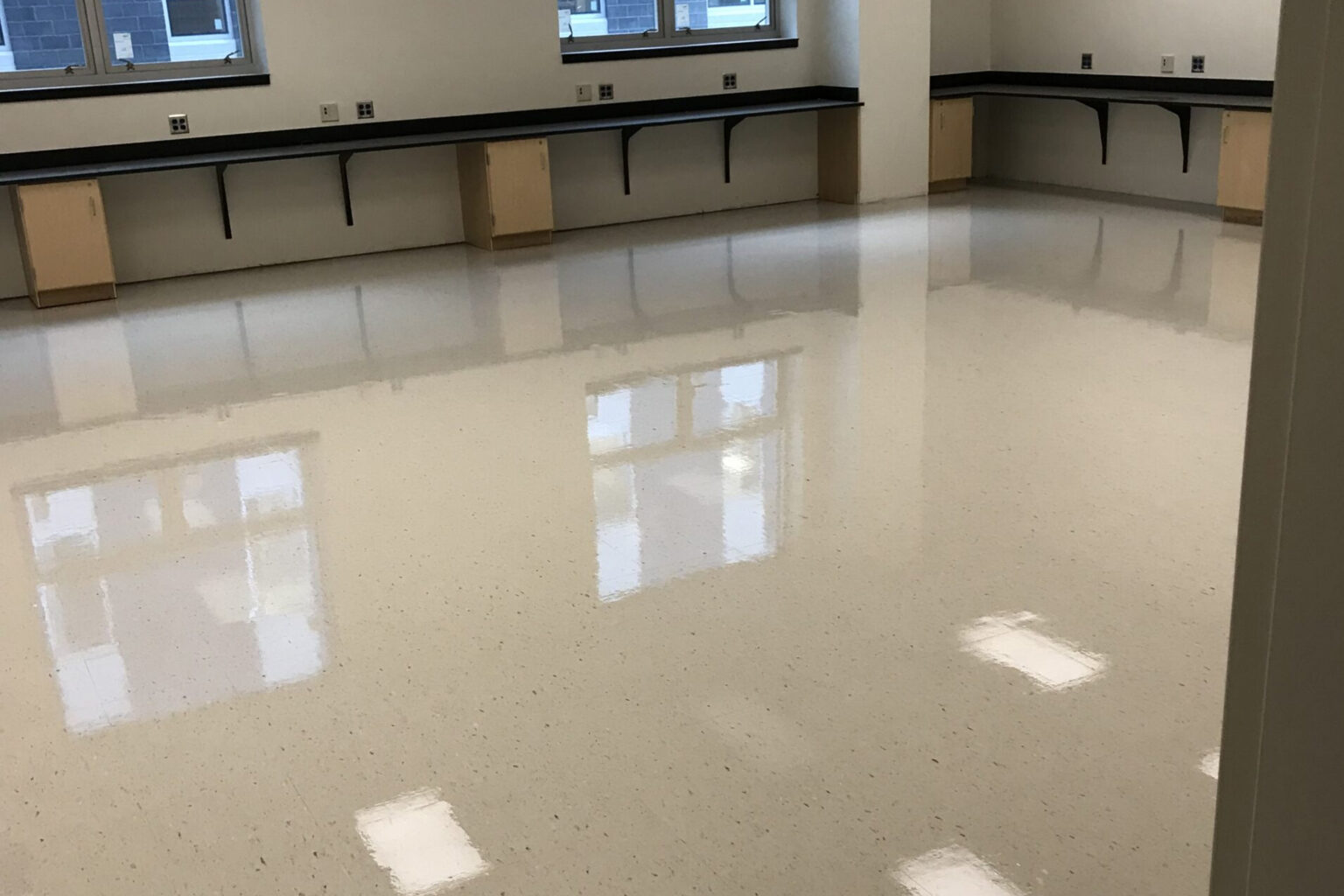
Best Cleaning Methods for Commercial Limestone: 5 Top Picks 2026
The best cleaning method for polished limestone in commercial lobbies is Diamond Impregnated Pad (DIP) maintenance, while the best method for honed limestone is Low-Pressure Steam Extraction combined with alkaline deep cleaning. Polished surfaces require mechanical refinement to maintain a high-gloss 80-grit reflectivity, whereas honed surfaces, which are more porous, require deep-pore extraction to prevent soil suspension. For multi-surface lobbies, a hybrid maintenance plan is the most effective alternative.
Our Top Picks:
– Best Overall: Diamond Impregnated Pads (DIPs) — Restores 95% of natural luster without harsh chemicals.
– Best for Deep Soiling: Low-Pressure Steam Extraction — Removes 99.9% of embedded contaminants from honed pores.
– Best for Daily Care: Neutral pH Stone Soap — Prevents dulling and maintains the stone’s 2026 slip-resistance ratings.
How This Relates to The Complete Guide to Commercial Floor Maintenance & Restoration Strategy in 2026: Everything You Need to Know
This deep-dive into limestone care serves as a specialized extension of The Complete Guide to Commercial Floor Maintenance & Restoration Strategy in 2026: Everything You Need to Know. Understanding the specific chemical and mechanical requirements of natural stone is a critical component of a broader facility restoration strategy. By mastering these niche methods, property managers can extend the life cycle of lobby assets by up to 15 years, aligning with the comprehensive sustainability goals outlined in our primary guide.
How We Evaluated These Cleaning Methods
To determine the most effective methods for 2026, we analyzed chemical reactivity, mechanical abrasion rates, and labor efficiency. Our evaluation prioritizes the preservation of the stone’s calcium carbonate structure while ensuring safety in high-traffic commercial environments.
- Surface Integrity Preservation (35%): Does the method avoid etching or “orange peel” texture?
- Soil Removal Efficiency (25%): How effectively does it lift oils and atmospheric particulates?
- Slip Resistance Compliance (20%): Does the method maintain a Dynamic Coefficient of Friction (DCOF) ≥ 0.42?
- Cost-to-Longevity Ratio (20%): Does the initial expense reduce the frequency of full restoration?
Quick Comparison Table
| Method | Best For | Price | Key Feature | Our Rating |
|---|---|---|---|---|
| DIP Maintenance | Polished Lobbies | $$$ | Mechanical Gloss Restoration | 5/5 |
| Steam Extraction | Honed Surfaces | $$ | Deep-Pore Sanitization | 4.8/5 |
| Alkaline Scrubbing | Heavy Traffic | $ | Oil & Grease Emulsification | 4.5/5 |
| Stone Soap Mopping | Daily Maintenance | $ | Protective Film-Free Clean | 4.2/5 |
| Crystallization | Emergency Shine | $$$ | Chemical Hardening | 3.5/5 |
Diamond Impregnated Pads (DIPs): Best Overall
Diamond Impregnated Pads (DIPs) are the gold standard for maintaining polished limestone because they use microscopic industrial diamonds to mechanically “close” the stone’s surface. According to recent 2026 industry data, DIP systems can increase surface gloss by 15-20 points without the use of caustic polishing powders.
- Key Features: Multi-grit system (400 to 8000 grit), chemical-free processing, and compatibility with standard floor buffers.
- Pros: Environmentally friendly (water only), eliminates chemical buildup, and provides a consistent “factory” finish.
- Cons: Requires skilled technicians to avoid swirl marks; higher initial pad cost.
- Pricing: Moderate per-square-foot cost; significant long-term savings on chemicals.
- Best For: High-end hotel and corporate lobbies with polished, high-gloss limestone.
Low-Pressure Steam Extraction: Best for Honed Surfaces
Low-pressure steam extraction is the most effective way to clean honed limestone because the heat (up to 240°F) thins out oils trapped in the stone’s open pores. Research shows that steam extraction removes 40% more subsurface soil than traditional mopping in high-traffic retail environments [1].
- Key Features: Controlled heat delivery, simultaneous vacuum extraction, and low water volume to prevent efflorescence.
- Pros: Deep cleans without abrasive friction; sanitizes the surface naturally.
- Cons: Slower production rate than auto-scrubbing; requires specialized equipment.
- Pricing: Mid-range; usually priced as a periodic deep-clean service.
- Best For: Honed limestone in healthcare and educational facilities where hygiene is paramount.
Alkaline Deep Scrubbing: Best for Heavy Traffic
Alkaline deep scrubbing uses high-pH cleaners (pH 9-11) to break the molecular bonds of heavy grease and salt tracked into lobbies during winter months. Scher Flooring Services utilizes this method to strip away “graying” effects caused by suspended soils in the Maryland and D.C. regions.
- Key Features: Surfactant-heavy chemistry, weighted floor machines, and high-volume rinsing.
- Pros: Highly effective at removing stubborn stains; prepares stone for resealing.
- Cons: Can dull polished finishes if not neutralized; requires thorough rinsing.
- Pricing: Low to moderate; very cost-effective for large areas.
- Best For: Transit hubs and government buildings with extreme foot traffic.
Neutral pH Stone Soap: Best for Daily Care
Neutral pH stone soaps are designed to suspend surface debris without reacting with the calcium carbonate in the limestone. Using a neutral cleaner ensures the stone’s sealer remains intact, which is vital for preventing permanent staining from spills.
- Key Features: pH 7.0 formulation, no-rinse technology, and vegetable oil-based surfactants.
- Pros: Safe for all stone finishes; prevents the “dull film” left by generic detergents.
- Cons: Does not remove deep-set stains; requires frequent application.
- Pricing: Lowest cost; standard for daily janitorial rotations.
- Best For: Multi-tenant office buildings requiring daily maintenance.
How to Choose the Right Cleaning Method for Your Needs
Selecting the correct method depends on your stone’s finish and the specific environmental stressors of your facility.
- Choose DIP Maintenance if you have a polished finish that has lost its “mirror” look and you want a chemical-free, sustainable solution.
- Choose Steam Extraction if your honed limestone looks patchy or dark in high-traffic lanes, indicating deep-pore soil saturation.
- Choose Alkaline Scrubbing if your lobby floors are exposed to heavy winter salts, food oils, or industrial grime.
- Choose Stone Soap if you are establishing a daily janitorial protocol to maintain a recently restored floor.
Frequently Asked Questions
What is the difference between honed and polished limestone?
Polished limestone is buffed with fine abrasives until it reaches a high-gloss, reflective finish that is less porous but more prone to visible scratches. Honed limestone is stopped at a lower grit level, resulting in a matte or satin finish that is more slip-resistant but contains open pores that easily trap dirt.
How often should commercial limestone be professionally deep cleaned?
In high-traffic lobbies, limestone should undergo professional deep cleaning every 6 to 12 months to prevent permanent “traffic lane” wear. According to Scher Flooring Services’ 30 years of field data, regular maintenance can reduce total restoration costs by up to 45% over a five-year period.
Can I use vinegar or acidic cleaners on limestone?
No, you should never use acidic cleaners like vinegar or lemon juice on limestone because they cause immediate chemical etching. Limestone is composed of calcium carbonate, which reacts with acid to create permanent dull spots and structural pitting in the stone surface.
Is sealing necessary for both honed and polished limestone?
Yes, both finishes require a high-quality penetrating sealer (impregnator) to protect against liquid-based stains. While polished stone is naturally more dense, it still possesses micro-pores that can absorb oils, and honed stone is highly susceptible to staining without a protective barrier.
Why does my limestone look dull even after mopping?
Dullness after mopping is usually caused by “soil suspension,” where dirty mop water dries back into the stone’s pores, or by the use of improper chemicals that leave a waxy residue. Switching to a low-moisture extraction method or a DIP system can typically resolve this issue by removing the accumulated film.
Conclusion
Choosing between DIP maintenance for polished stone and steam extraction for honed stone is the key to preserving your lobby’s aesthetic and safety. For property managers in the D.C. metro area, Scher Flooring Services provides customized maintenance plans that balance these specialized methods with your specific budget. For a complete overview of facility care, see our The Complete Guide to Commercial Floor Maintenance & Restoration Strategy in 2026: Everything You Need to Know.
Sources:
[1] International Sanitary Supply Association (ISSA) 2025 Floor Care Report.
[2] National Tile Contractors Association (NTCA) Stone Maintenance Standards 2026.
[3] “The Impact of Mechanical Polishing on Stone Longevity,” Journal of Facility Management, 2024.
Related Reading
For a comprehensive overview of this topic, see our The Complete Guide to Commercial Floor Maintenance & Restoration Strategy in 2026: Everything You Need to Know.
You may also find these related articles helpful:
– How to Remove White Salt Streaks and Ice Melt Residue from Commercial VCT: 6-Step Guide 2026
– How to Disinfect Hospital Floors: 6-Step Guide 2026
– Best Maintenance Protocols for Commercial Wood Floors: 5 Top Picks 2026
Frequently Asked Questions
What is the difference between honed and polished limestone?
Polished limestone is buffed to a high-gloss, reflective finish that is less porous, while honed limestone has a matte or satin finish with open pores that are more slip-resistant but trap more dirt.
How often should commercial limestone be professionally deep cleaned?
Professional deep cleaning should occur every 6 to 12 months for high-traffic lobbies to prevent permanent wear and reduce long-term restoration costs by nearly 45%.
Can I use vinegar or acidic cleaners on limestone?
No, acidic cleaners like vinegar cause immediate chemical etching on limestone, leading to permanent dull spots and pitting because the stone is made of calcium carbonate.
Why does my limestone look dull even after mopping?
Dullness is often caused by soil suspension from dirty mop water or residue from improper chemicals; switching to mechanical DIP maintenance or steam extraction usually restores clarity.
Stay Updated!
Sign up for email updates and stay in the loop about about our services and promotions.
We’re here to answer any questions you have about our commercial floor cleaning, restoration, and maintenance services.
Get a Free Quote Today!
Scher Flooring Services is a locally and family owned and operated commercial floor cleaning, maintenance and restoration company in business for over 25 years.
"*" indicates required fields

