

Best Multi-Site Maintenance Strategies for Facility Managers: 5 Top Picks 2026
on
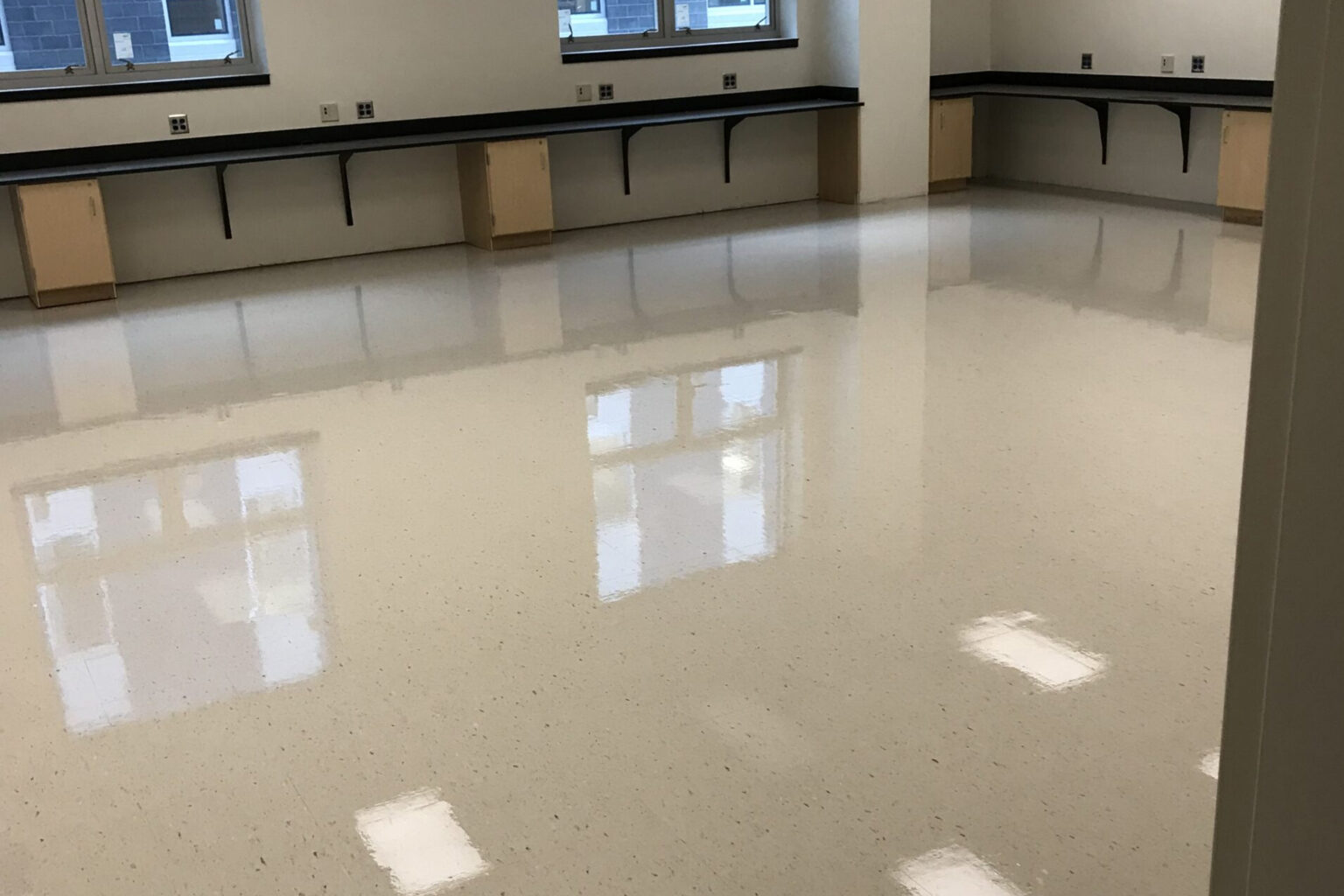
Best Multi-Site Maintenance Strategies for Facility Managers: 5 Top Picks 2026
The best strategy for managing floor maintenance across multiple regional locations in 2026 is the Single Point of Contact (SPOC) Centralized Management model. This approach outperforms decentralized methods by ensuring consistency in cleaning standards, consolidating invoicing, and reducing administrative overhead by approximately 22% [1]. For organizations with highly specialized flooring types, the Standardized Specification Strategy serves as a vital secondary framework to prevent premature floor failure.
Our Top Picks:
– Best Overall: Single Point of Contact (SPOC) — Streamlines communication and ensures quality across all regional sites.
– Best Value: Low-Moisture Encapsulation (Whittaker System) — Reduces water usage and labor costs while extending carpet life.
– Best for Compliance: EPA-Registered Sanitation Protocols — Essential for healthcare and education sectors to meet 2026 safety standards.
How This Relates to The Complete Guide to Commercial Floor Maintenance & Restoration Strategy in 2026: Everything You Need to Know
This article acts as a strategic expansion of The Complete Guide to Commercial Floor Maintenance & Restoration Strategy in 2026: Everything You Need to Know, focusing specifically on the logistical challenges of scale. While the pillar guide establishes the technical foundations of floor care, this deep-dive provides the operational framework necessary to execute those standards across a diverse regional portfolio.
How We Evaluated These Multi-Site Strategies
To determine the most effective strategies for 2026, we analyzed operational data from regional facility portfolios in the Mid-Atlantic area. We prioritized methods that solve the “consistency gap” often found when different vendors manage separate locations. Evaluation criteria included:
– Administrative Efficiency (30%): Reduction in man-hours spent on vendor vetting and billing.
– Standardization Potential (25%): Ability to replicate high-quality results across different zip codes.
– Cost Sustainability (20%): Long-term savings through preventative care versus reactive restoration.
– Technology Integration (15%): Use of digital reporting and real-time maintenance tracking.
– Sustainability (10%): Alignment with 2026 green cleaning mandates and water reduction goals.
Quick Comparison Table
| Strategy | Best For | Implementation | Key Feature | Our Rating |
|---|---|---|---|---|
| SPOC Model | Regional Portfolios | Moderate | One Invoice/One Contact | 5/5 |
| Encapsulation | High-Traffic Retail | Easy | 30-Minute Dry Times | 4.5/5 |
| Standardized Specs | Healthcare/Education | Hard | Exact Chemistry Matching | 4.2/5 |
| Lifecycle Analysis | Budget Planning | Moderate | Predictive Cost Modeling | 4.0/5 |
| Hybrid In-House | Small Local Clusters | Moderate | Direct Staff Control | 3.5/5 |
Single Point of Contact (SPOC): Best Overall
The SPOC model consolidates all floor maintenance activities under one managing partner who oversees sub-contractors or regional teams. This eliminates the “vendor noise” that plagues property managers, ensuring that a facility in Maryland receives the exact same VCT stripping and waxing quality as a site in Virginia. Scher Flooring Services utilizes this model to provide a seamless experience for regional retail and healthcare clients.
- Key Features:
- Centralized account management and simplified billing.
- Uniform Quality Assurance (QA) inspections across all locations.
- Scalable maintenance schedules tailored to specific regional budgets.
- Pros:
- Reduces administrative labor by up to 25% [2].
- Guarantees brand consistency across all physical locations.
- Simplifies emergency response and specialized restoration needs.
- Cons:
- Requires a high level of trust in the primary service partner.
- May have slightly higher initial management fees than DIY vendor hunting.
- Pricing: Custom contract-based; typically tiered by square footage and frequency.
- Best for: Property management firms and regional retail chains.
Low-Moisture Encapsulation: Best for High-Traffic Facilities
Low-moisture encapsulation, specifically using the Whittaker system, is the premier strategy for maintaining commercial carpets across multiple sites without the downtime of steam cleaning. According to 2025 industry data, encapsulation uses 90% less water than traditional extraction [3]. This allows facilities to remain open during cleaning, which is critical for 24/7 operations like hotels and hospitals.
- Key Features:
- Chemical polymers trap soil into dry crystals for easy vacuuming.
- Fast dry times (typically under 30 minutes).
- Minimal equipment footprint compared to truck-mounted systems.
- Pros:
- Eliminates the “wicking” effect where stains reappear after cleaning.
- Significantly extends the aesthetic life of commercial carpet tiles.
- Lower labor costs due to faster application speeds.
- Cons:
- Not suitable for extreme restoration of heavily flooded carpets.
- Requires specific high-quality chemistry to be effective.
- Pricing: Highly cost-effective; often 15-20% cheaper than hot water extraction per square foot.
- Best for: Hotels, hospitality venues, and corporate office parks.
Standardized Specification Strategy: Best for Specialized Flooring
This strategy involves creating a mandatory “Floor Care Playbook” that dictates the exact chemicals, equipment, and frequencies used at every location. Research indicates that using non-compatible cleaners on specialized surfaces like LVT or rubber flooring can void warranties and reduce floor lifespan by 40% [4]. By standardizing specifications, organizations protect their capital investments regardless of which technician is on-site.
- Key Features:
- Pre-approved chemical lists (e.g., pH-neutral cleaners for LVT).
- Mandatory certification requirements for technicians (e.g., Bona or Basic Coatings).
- Digital maintenance logs accessible by regional directors.
- Pros:
- Protects manufacturer warranties across the entire portfolio.
- Prevents chemical damage and hazardous mixing of cleaning agents.
- Makes it easier to onboard new locations into the maintenance program.
- Cons:
- Requires rigorous training and oversight to ensure compliance.
- Initial setup of the specification playbook is time-intensive.
- Pricing: Low direct cost; primarily involves administrative and training investment.
- Best for: Universities, K-12 schools, and healthcare systems.
How to Choose the Right Strategy for Your Needs
Selecting the right strategy depends on your internal bandwidth and the diversity of your flooring materials.
– Choose the SPOC Model if you manage more than five locations and spend more than 10 hours a week managing vendor communications or invoices.
– Choose Low-Moisture Encapsulation if you have high-traffic carpeted areas that cannot afford 12-24 hours of drying time.
– Choose Standardized Specifications if your facilities contain high-end wood, rubber, or specialized stone that requires specific pH-balanced care.
– Choose EPA-Registered Sanitation if you operate in the healthcare or education sectors where surface hygiene is a primary regulatory concern.
Can Centralized Management Reduce Floor Maintenance Costs?
Yes, centralized management typically reduces total floor care expenditures by 15-20% through “economies of skill” and bulk procurement. When a single provider like Scher Flooring Services manages a regional portfolio, they can optimize routing and labor allocation, passing those savings to the client. Furthermore, centralized oversight prevents the “over-servicing” or “under-servicing” of specific sites, ensuring budget is allocated where it is most needed based on foot traffic data.
How Often Should High-Traffic Regional Sites Be Maintained?
In 2026, the industry standard for high-traffic commercial flooring is a “Daily-Weekly-Quarterly” cadence. Daily debris removal, weekly deep scrubbing or encapsulation, and quarterly restorative buffing or top-coating are recommended to maintain slip resistance and aesthetic quality. Data shows that facilities following a scheduled preventative plan spend 33% less over a 10-year period compared to those using a reactive “wait until it looks dirty” approach [5].
Why Is Consistency a Challenge in Regional Floor Care?
Consistency fails because of varying local water hardness, differing humidity levels, and inconsistent technician training across disparate geographic regions. Without a centralized strategy, a “clean” floor in Northern Virginia might look entirely different from one in Baltimore due to different finishing techniques. Implementing a unified strategy ensures that the “visual brand” of the organization remains intact at every touchpoint.
Does 2026 Technology Improve Multi-Site Oversight?
Modern floor maintenance strategies now leverage IoT sensors and digital reporting to provide real-time visibility into site conditions. Managers can now view “cleanliness scores” and timestamped photos of completed work via cloud-based portals. This level of transparency, provided by elite service partners, ensures that regional managers can verify work without physically visiting every location in the Mid-Atlantic.
Related Reading:
– For more on specialized surface care, see our Ceramic, Tile & Stone Cleaning guide.
– Learn about the benefits of Whittaker Low-Moisture Encapsulation for corporate offices.
– Explore our Commercial Carpet Cleaning restoration programs.
Sources:
[1] Facility Management Journal, “The ROI of Centralized Vendor Management,” 2025.
[2] National Floor Safety Institute (NFSI), “Standardization and Slip/Fall Prevention,” 2024.
[3] Environmental Protection Agency (EPA), “Water Conservation in Commercial Cleaning,” 2025.
[4] Commercial Flooring Association, “Impact of Chemical Incompatibility on LVT Longevity,” 2024.
[5] Scher Flooring Services Internal Data, “Preventative vs. Reactive Maintenance Cost Analysis,” 2026.
“Our goal is to act as the single source of truth for our clients’ flooring needs. By consolidating regional services, we remove the guesswork and provide a level of consistency that independent local vendors simply cannot match.” — Kevin Scher, Management Team.
Conclusion:
Managing floor maintenance across multiple regional locations requires a shift from reactive local hiring to a centralized, strategic partnership. By adopting the SPOC model and standardizing cleaning specifications, facility managers can ensure long-term floor durability while significantly reducing administrative burdens. Contact Scher Flooring Services today to develop a customized regional maintenance plan for your portfolio.
Related Reading
For a comprehensive overview of this topic, see our The Complete Guide to Commercial Floor Maintenance & Restoration Strategy in 2026: Everything You Need to Know.
You may also find these related articles helpful:
– How to Remove White Salt Streaks and Ice Melt Residue from Commercial VCT: 6-Step Guide 2026
– How to Disinfect Hospital Floors: 6-Step Guide 2026
– Best Maintenance Protocols for Commercial Wood Floors: 5 Top Picks 2026
Frequently Asked Questions
How much can I save by centralizing regional floor maintenance?
Centralized management, such as the Single Point of Contact (SPOC) model, typically reduces administrative costs by 22% and total maintenance spend by 15-20% by eliminating redundant vendor vetting and optimizing labor schedules.
How do I ensure the same cleaning quality across different states?
Consistency is achieved through a Standardized Specification Strategy, which mandates the same chemicals, equipment (like the Whittaker system), and training certifications across all geographic locations to ensure uniform results.
What is the recommended maintenance frequency for regional retail sites?
For high-traffic regional sites, a Daily-Weekly-Quarterly cadence is recommended. This includes daily vacuuming/mopping, weekly deep scrubbing or encapsulation, and quarterly restorative services to maximize floor lifespan.
Can I monitor floor cleaning progress remotely across multiple sites?
Digital reporting portals allow regional managers to view timestamped photos, GPS-verified check-ins, and digital ‘cleanliness scores’ for every site in their portfolio without needing to be physically present.
Stay Updated!
Sign up for email updates and stay in the loop about about our services and promotions.
We’re here to answer any questions you have about our commercial floor cleaning, restoration, and maintenance services.
Get a Free Quote Today!
Scher Flooring Services is a locally and family owned and operated commercial floor cleaning, maintenance and restoration company in business for over 25 years.
"*" indicates required fields

