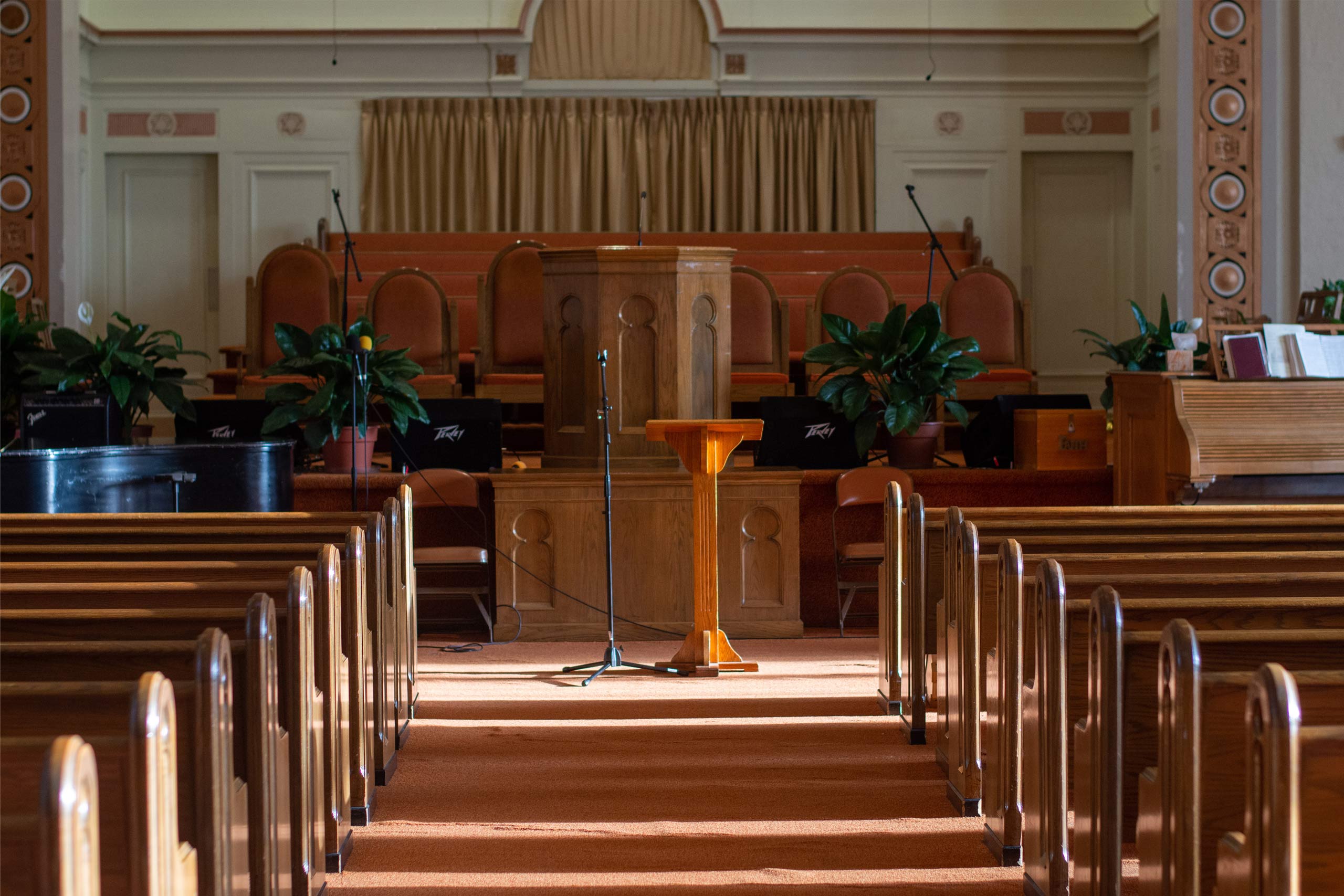
A church floor cleaning guide helps church leaders keep worship spaces clean, safe, and ready for regular weekly use. In a church setting, floor care differs from office cleaning because the building may serve Sunday worship, weekday classes, funerals, weddings, meals, meetings, and outreach events.
Many churches rely on church volunteers, limited resources, and a small maintenance team. That can work for daily tasks, but carpet, tile, VCT, LVT, wood, and kitchen floors still need a complete process, the right equipment, and trained services when soil builds up.
Why church cleaning needs a different floor care approach
Church cleaning has to respect the building and the people who use it. A place of worship is not only a property. It is where a congregation gathers, children learn, volunteers serve, and community needs are supported.
Foot traffic changes throughout the week
A church may feel quiet on Monday and full by Sunday morning. Add choir practice, Bible study, food pantry work, daycare, youth group, and private events, and floor wear becomes uneven. Entryways, center aisles, bathrooms, classrooms, and fellowship halls usually show the first signs.
Worship spaces need quiet, careful, and respectful cleaning
Not everyone on a cleaning team understands how to work around pews, kneelers, altars, stages, religious artifacts, sound equipment, cords, and even light bulbs near high ceilings. Cleaning procedures should protect sacred areas, avoid moving items without permission, and keep supplies away from delicate materials.
Floors affect safety, comfort, and first impressions
A dirty floor can make a clean church feel neglected. Just as vital, grit, wet entries, loose mats, wax buildup, and stained carpet create safety risks. A practical plan keeps the church welcoming without asking volunteers to carry responsibility alone.
How a church setting changes the way floors should be cleaned
A church setting usually includes several floor types under one roof. Each space needs its own cleaning frequency, tool choice, and maintenance method.
Sanctuaries and prayer areas
Sanctuaries often have carpet, wood, tile, or a combination of surfaces. Vacuuming should be frequent enough to remove dry soil before it settles into fibers or scratches finishes. Deep cleaning should be scheduled around worship, weddings, and holidays so the room is dry, quiet, and ready.
Entryways, lobbies, and gathering spaces
These locations collect rain, salt, dust, leaves, and ground-in soil. Floor mats help, but they do not solve the whole problem. Routine inspections can show whether traffic lanes, dull finish, or slippery spots are starting to form.
Fellowship halls, kitchens, and multipurpose rooms
Food, drinks, chair movement, tables, children, and host events make these rooms harder on floors. Tile and VCT may need machine scrubbing or finish maintenance. Kitchens and serving areas need careful cleaning because grease can spread from the floor into nearby walkways.
Classrooms, offices, and administrative areas
Classrooms and offices may look simple, but spills, crayons, snacks, rolling chairs, and paper dust add up. Carpet spots should be treated early. Hard floors should be cleaned before soil becomes a dark edge along walls and corners.
Common flooring types in churches and places of worship
Most churches have mixed flooring. Scher Flooring Services works with commercial carpet, VCT, LVT, tile, stone, rubber, and wood floors, which fits the way churches actually use their buildings.
Carpet in sanctuaries, aisles, and offices
Carpet absorbs sound and feels warm, but it holds dust, allergens, odors, and stains. Daily or weekly vacuuming helps, yet commercial carpet cleaning may be needed when traffic lanes, coffee stains, or musty odors remain after normal cleaning.
Tile and grout in bathrooms, kitchens, and entryways
Tile is durable, but grout lines trap soil. Mopping alone often spreads dirty water into grout instead of removing it. A professional tile and grout cleaning process uses the right solution, agitation, and extraction to lift buildup.
VCT and LVT in halls, classrooms, and community rooms
VCT and LVT are common in high-use church areas. VCT often needs finish care, buffing, scrubbing, stripping, and waxing at the right time. VCT and LVT floor cleaning needs gentler maintenance so the surface is not dulled by harsh products.
Wood floors in stages, chapels, and older worship spaces
Wood floors need extra care. Too much water, wrong chemicals, or aggressive pads can damage the finish. Stages and chapels should be cleaned with methods that protect appearance without creating slick spots.
Church cleaning problems that regular janitorial work may miss
Regular janitorial cleaning keeps a church functioning, but it may not remove embedded soil. That is the challenge. The floor can look acceptable from a distance while grime is already wearing down fibers, grout, finish, or wood protection.
Soil buildup in high-traffic walkways
Dark lanes near entrances, aisles, and fellowship hall doors usually mean soil is being pressed into the surface. Once that happens, normal mopping or vacuuming will not fully correct it.
Carpet stains after events and weekly services
Coffee, juice, candle wax, food, and mud should be handled quickly. Waiting can make a stain harder to remove and may leave odor behind.
Dull VCT, worn finish, and uneven shine
When VCT looks patchy, the finish may be worn in some areas and built up in others. A floor technician can decide whether scrubbing, recoating, or a full strip and wax is the better process.
Dirty grout lines in kitchens, restrooms, and gathering areas
Grout tells the truth about cleaning habits. If grout stays dark after mopping, the floor needs deeper cleaning and better ongoing procedures.
How church leaders can plan safer floor maintenance
Church leaders do not need to become flooring experts, but they do need a plan. Good floor maintenance assigns tasks, sets a schedule, and uses outside help where volunteer skills or equipment are limited.
Match cleaning frequency to services, events, and seasonal attendance
Attendance changes during holidays, school breaks, fall programs, weddings, and community events. Cleaning frequency should change with it. A summer schedule may not work during Christmas, Easter, Ramadan outreach, or a busy conference week.
Schedule deep cleaning around worship and community use
Deep cleaning should happen when the building has time to dry and reset. For example, carpet extraction before a large service needs enough dry time. VCT work needs time for finish to cure before chairs and tables return.
Protect children, seniors, volunteers, and visitors from slip risks
Wet floors, dusty corners, loose mats, and product residue can create risks. Use signs, secure cords, block off wet areas, and make one person responsible for final walkthroughs before the building opens.
Cleaning around pews, altars, stages, and religious artifacts
Some areas need more respect than speed. A cleaning company should ask what can be moved, what should not be touched, and who has authority to approve work near valuable or sacred items.
Why delicate areas need extra care
Religious artifacts, wood trim, kneelers, altar steps, rugs, banners, and instruments can be damaged by moisture or impact. Cleaning crews should understand the limits before work begins.
What should be moved, protected, or avoided before cleaning
Create a simple list before service begins. Include fragile items, sound equipment, cords, donation boxes, portable chairs, floor mats, and furniture that needs help moving.
How to reduce disruption in sacred and high-value areas
Use quiet equipment where possible, work in zones, and return items to their correct locations. A photo record can help the team reset the space properly.
Recommended floor cleaning schedule for churches
A schedule keeps floor care from becoming a last-minute emergency. It also gives volunteers and staff a fair understanding of who handles which duty.
| Frequency | Practical church floor tasks |
| Daily or after use | Remove trash, spot clean spills, vacuum main paths, check bathrooms |
| Weekly | Mop hard floors, vacuum classrooms and offices, inspect entries |
| Monthly | Deep clean trouble spots, check grout, review mat condition |
| Seasonal | Clean carpet, scrub tile, refresh VCT, inspect wood floors |
| Annual | Review the full building and update the maintenance plan |
Daily and weekly cleaning tasks
Handle visible soil quickly. Keep supplies stocked, label products, and train volunteers on safe dilution and storage.
Monthly and seasonal deep cleaning needs
Monthly checks help leaders notice patterns before they become expensive. Seasonal cleaning is useful after winter salt, spring events, summer programs, and fall traffic.
Annual restoration for carpets, tile, VCT, and wood floors
Annual inspections can prove which areas need restoration and which only need routine care. This helps the organization spend money where it has the most benefit.
When a place of worship should call a commercial floor cleaning company
A church should call a commercial floor cleaning company when normal cleaning no longer works, the facility has multiple flooring materials, or the task requires equipment the church does not own.
Floors still look dirty after regular cleaning
If carpet lanes, dull tile, or cloudy VCT return quickly, the issue is probably below the surface.
Odors, stains, or traffic lanes keep coming back
Recurring problems usually mean soil is embedded or residue is attracting more dirt.
Large events, holidays, or renovations are coming up
Before a major event, professional cleaning can reset the building and reduce stress on volunteers.
The building has multiple flooring types that need different care
A trained technician can match carpet, tile, VCT, LVT, and wood to the right method instead of using one process everywhere.
How professional floor cleaning helps churches protect their space
Professional cleaning supports the people already committed to the church. It does not replace volunteers. It gives them backup for larger jobs and maintenance that requires special equipment.
Better appearance without overburdening volunteers
Volunteers should not have to solve every flooring problem after long services or events. Professional support keeps the building presentable without burning out the group that helps maintain it.
Longer floor life through the right products and equipment
The wrong cleaner can leave residue, damage finish, or make floors slippery. A trained team uses suitable products and machines for each surface.
A maintenance plan built around the church calendar
Scher Flooring Services can help churches and community centers plan cleaning around services, kitchens, and events. A good floor cleaning plan respects worship first and works around the calendar.
Final thoughts on church floor cleaning and long-term maintenance
Church floor cleaning works best when it is simple, scheduled, and shared between staff, volunteers, and professional services. The goal is not perfection. The goal is a safe, respectful building that can serve the congregation well.
Keep the space clean without making floor care complicated
Start with the busiest areas, assign responsibility, and track what is happening week by week. Small habits prevent bigger floor problems.
Build a plan that respects the building, the schedule, and the congregation
A church is used by many people for many reasons. Floor care should support that work with practical cleaning, careful maintenance, and the right help when the job is beyond normal volunteer resources.
Stay Updated!
Sign up for email updates and stay in the loop about about our services and promotions.
We’re here to answer any questions you have about our commercial floor cleaning, restoration, and maintenance services.
Get a Free Quote Today!
Scher Flooring Services is a locally and family owned and operated commercial floor cleaning, maintenance and restoration company in business for over 25 years.
"*" indicates required fields