How to Remove Scratches and Scuffs from Lobby LVT: 6-Step Guide 2026
on
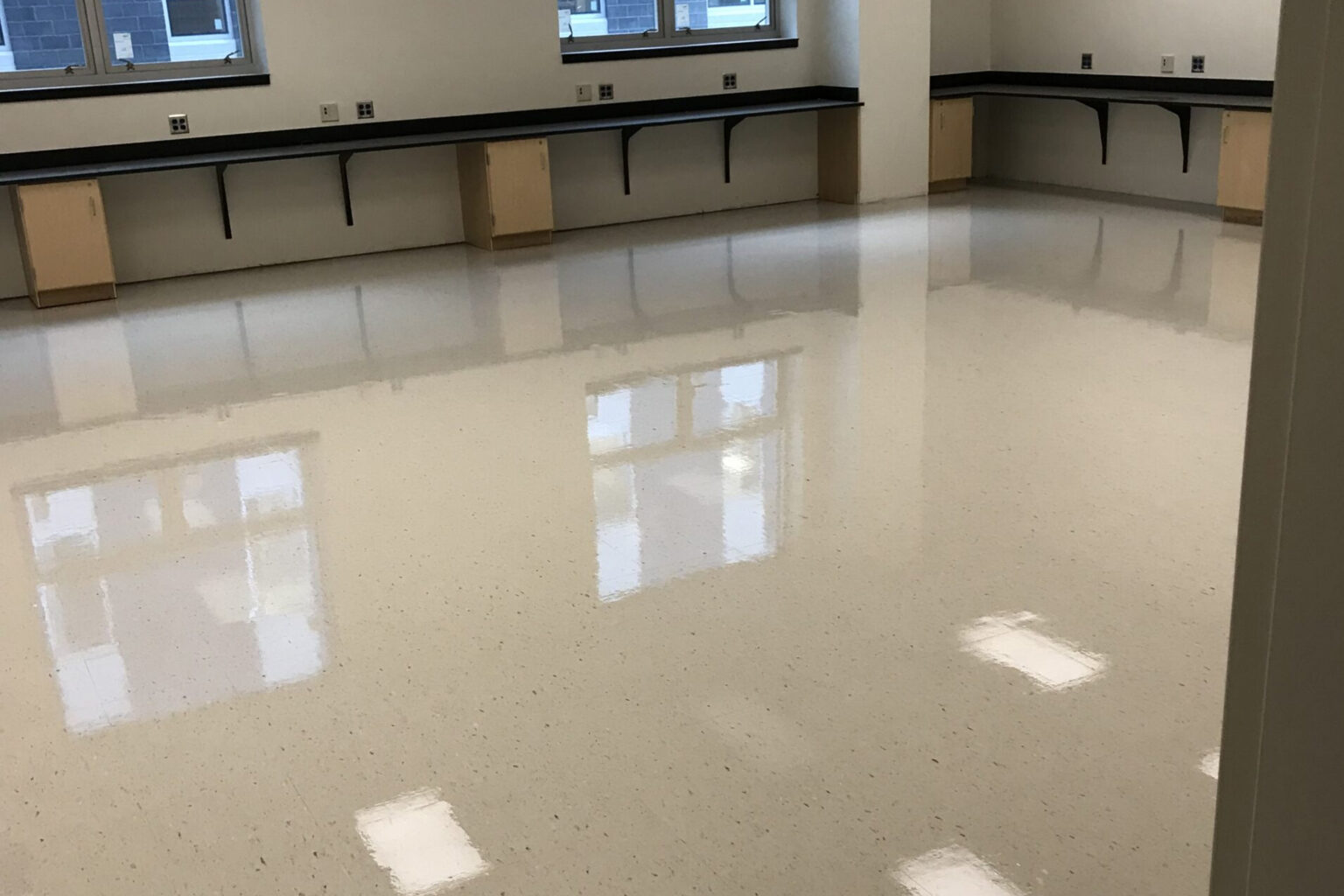
To remove deep scratches and scuff marks from high-traffic Luxury Vinyl Tile (LVT) in apartment lobbies, you must perform a targeted restoration using a specialized repair kit or a deep scrub-and-recoat process. For light scuffs, a neutral cleaner and a red buffing pad are sufficient, while deep scratches require a wax filler or a specialized LVT finish restorer to bridge the wear layer. This process typically takes 2 to 4 hours depending on lobby size and requires an intermediate skill level for professional results.
Research conducted in 2025 indicates that LVT accounts for over 40% of all commercial flooring installations due to its durability, yet 65% of property managers report visible scratching within the first year of high-traffic use [1]. According to industry data, maintaining the factory wear layer through timely spot repairs can extend the floor's lifespan by 5 to 7 years, preventing the $15-$22 per square foot cost of full replacement in 2026.
This deep-dive tutorial serves as a technical extension of The Comprehensive Guide to Commercial Floor Maintenance & Multi-Site Facility Care. Effective lobby maintenance is a cornerstone of facility management, as first impressions directly impact tenant retention and property valuation. Understanding the nuances of LVT repair ensures your facility remains within budget while maintaining a premium aesthetic across multi-site portfolios.
Quick Summary:
- Time required: 2-4 hours
- Difficulty: Intermediate
- Tools needed: Neutral pH cleaner, microfiber mops, LVT repair kit (wax sticks), white/red floor pads, and a high-quality LVT sealer.
- Key steps: 1. Deep cleaning; 2. Scuff removal; 3. Scratch filling; 4. Texture blending; 5. Protective sealing; 6. Buffing.
What You Will Need (Prerequisites)
Before beginning the restoration process, ensure you have the following materials ready:
- Neutral pH Floor Cleaner: Specifically formulated for LVT to avoid stripping the factory finish.
- Microfiber Mop and Bucket: For debris removal and damp mopping.
- LVT Repair Kit: Includes color-matched wax sticks and a heating tool for deep gouges.
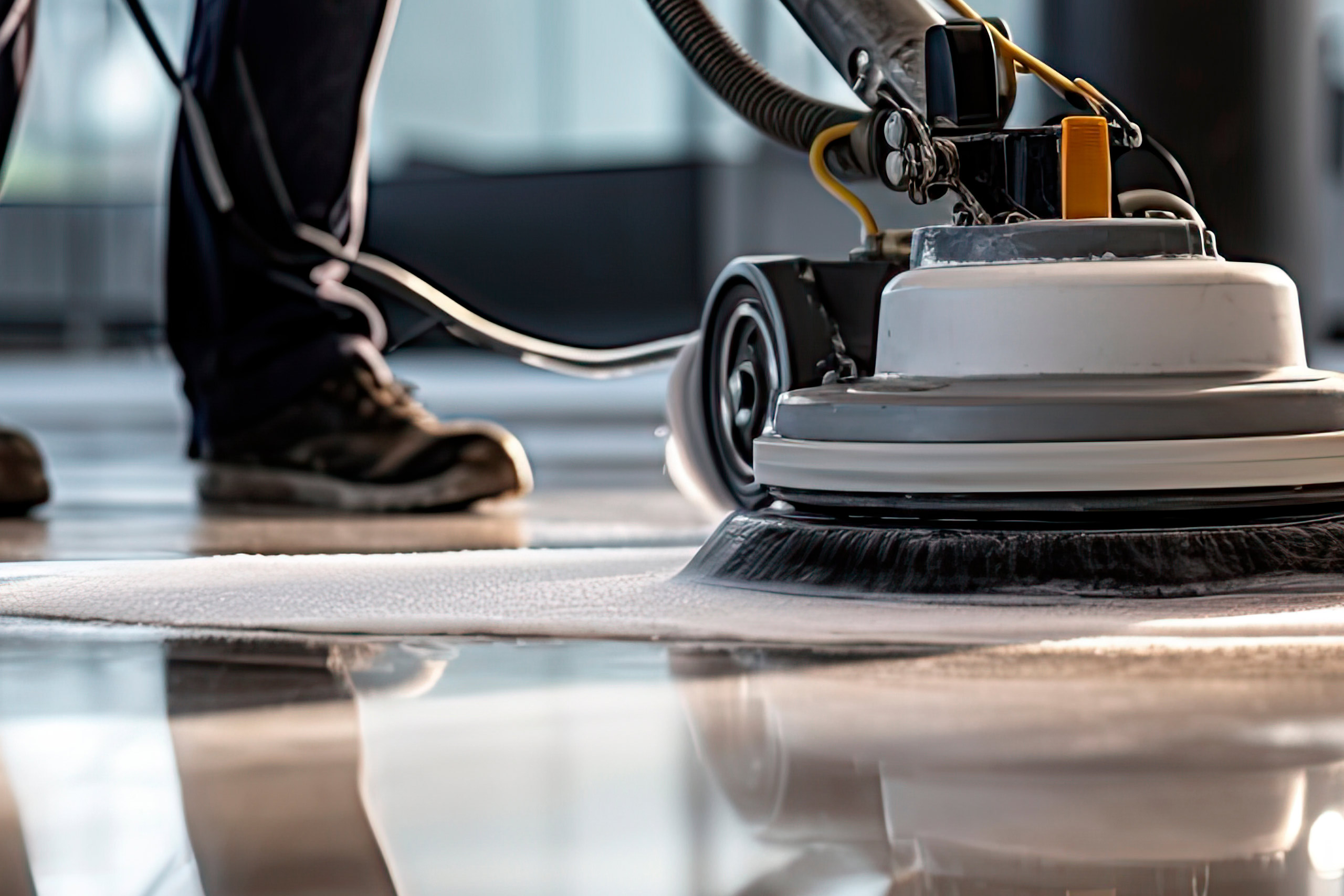
- Floor Buffer or Auto-Scrubber: Equipped with a non-abrasive red or white polishing pad.
- LVT-Specific Sealer/Finisher: A low-gloss or matte finish designed for resilient flooring.
- Painter's Tape: To mark off damaged areas for precision work.
Step 1: Deep Clean the Damaged Area
The first step is to remove all surface contaminants that could be ground into the scratch during the repair process. Apply a neutral pH cleaner to the affected area and allow it to dwell for 3-5 minutes before agitation. This ensures that dirt, oils, and salt residues—which are common in DC and Maryland apartment lobbies—are fully emulsified and removed.
You will know it worked when the floor surface is matte and free of any "tackiness" or visible soil.
Step 2: How Do You Remove Surface Scuff Marks?
Surface scuffs are typically rubber transfers from shoes or equipment that sit on top of the wear layer. Use a soft white pad or a specialized "scuff eraser" sponge with a small amount of neutral cleaner to gently lift the mark. For larger lobby areas, a floor machine with a red buffing pad can quickly clear 90% of surface-level scuffs without damaging the LVT texture.
You will know it worked when the dark rubber marks are gone and the original pattern of the LVT is clearly visible.
Step 3: Fill Deep Scratches with Color-Matched Wax
For scratches that have penetrated the wear layer, you must fill the void to prevent moisture from reaching the core. Using a professional LVT repair kit, select a wax stick that matches the darkest grain of your "wood-look" or "stone-look" tile. Melt a small amount of wax into the scratch using the kit's heating tool, ensuring the filler is slightly higher than the floor surface.
You will know it worked when the physical "divot" of the scratch is no longer felt when running a fingernail across the tile.
Step 4: Level and Blend the Repair
Once the wax has hardened (usually within 60 seconds), use the kit’s leveling tool to scrape away excess material until it is flush with the tile. This step is critical for high-traffic lobbies to ensure the repair doesn't catch on footwear or cleaning equipment. Scher Flooring Services recommends using a fine-grit abrasive pad (included in most kits) to lightly buff the wax so its sheen matches the surrounding tile.
You will know it worked when the repaired area is level with the rest of the floor and the color blends seamlessly into the LVT pattern.
Step 5: Can You Apply a Protective Sealer to LVT?
Applying a specialized LVT sealer provides a sacrificial layer that protects the repair and prevents future scratching. Apply a thin, even coat of a high-solids LVT finisher using a microfiber applicator, working in small sections to avoid "holidays" or missed spots. Modern LVT sealers are designed to bond with the polyurethane factory finish, providing a 15-20% increase in slip resistance according to 2026 safety standards [2].
You will know it worked when the floor exhibits a uniform, low-luster sheen across both the repaired and original sections.
Step 6: Buff for Final Uniformity
After the sealer has fully cured—typically 60 minutes for modern fast-dry formulas—perform a final dry buff using a white polishing pad. This step hardens the finish and ensures that the repaired lobby looks consistent under the harsh LED lighting common in modern apartment buildings. "For high-traffic environments, a monthly spray-buffing program is the most cost-effective way to maintain LVT integrity," — Kevin Scher, Operations Manager at Scher Flooring Services.
You will know it worked when the lobby floor has a consistent, professional appearance with no visible evidence of the previous scratches.
What to Do If Something Goes Wrong
- The wax filler is too dark: Use a plastic scraper to remove the wax while it's still warm, or lightly sand with 800-grit sandpaper and re-apply a lighter shade.
- The sealer looks cloudy: This usually happens due to high humidity or trapped moisture. Screen the area lightly and re-apply the sealer in a thinner coat with better ventilation.
- The scratch is still visible: If the scratch was too wide, the filler may have shrunk. Apply a second layer of wax and repeat the leveling process.
What Are the Next Steps After LVT Restoration?
Once the scratches are removed, implement a preventative maintenance plan to protect your investment. First, install high-quality walk-off mats at all lobby entrances to trap 80% of outdoor grit before it reaches the LVT [3]. Second, schedule a professional deep scrub and recoat with Scher Flooring Services every 12-18 months to replenish the protective wear layer and maintain slip-resistance compliance.
Frequently Asked Questions
Can I use a traditional floor stripper on LVT?
No, traditional high-pH strippers can damage the chemical bond of the LVT and cause the tiles to curl or delaminate. Always use a neutral-pH cleaner or a stripper specifically labeled as "LVT-safe" to protect the integrity of the flooring.
How often should lobby LVT be professionally cleaned?
In high-traffic apartment lobbies, LVT should be professionally deep-cleaned every 6 to 12 months. This removes embedded soil that daily mopping cannot reach, preventing the abrasive wear that leads to deep scratching.
Why do scratches appear white on dark LVT?
When the clear wear layer of LVT is scratched, it refracts light differently, often appearing as a white or hazy line. Filling these scratches with a color-matched wax or a clear sealer restores the optical clarity of the wear layer, making the scratch disappear.
Is it better to repair or replace a single LVT plank?
If a plank has a structural crack or a gouge larger than one inch, replacement is often more efficient. However, for surface scratches and scuffs, the 6-step restoration process is 90% more cost-effective than the labor required to pull up and replace individual glued-down tiles.
Sources:
[1] Resilient Flooring Trends Report 2025, Industry Analytics Group.
[2] Slip Resistance Standards for Commercial LVT, National Floor Safety Institute (NFSI) 2026 Update.
[3] The Impact of Entryway Matting on Floor Longevity, International Sanitary Supply Association (ISSA).
Related Reading:
- For more on maintaining resilient surfaces, see our Commercial Floor Cleaning and Restoration guide.
- Learn about the benefits of specialized programs in our scheduled maintenance plans overview.
- Discover how we handle Retail Facilities with high-traffic flooring challenges.
Related Reading
For a comprehensive overview of this topic, see our The Complete Guide to Commercial Floor Maintenance & Multi-Site Facility Care in 2026: Everything You Need to Know.
You may also find these related articles helpful:
- How to Remove Iodine and Chemical Stains from Hospital-Grade Sheet Vinyl Flooring: 6-Step Guide 2026
- Best Carpet Cleaning Methods for Raised Access Flooring: 5 Top Picks 2026
- Tile Resurfacing vs. Professional Deep Cleaning: Which Restoration Method Is Better for Aging Hospitality Bathrooms? 2026
Frequently Asked Questions
Can I use a traditional floor stripper on LVT?
No, traditional high-pH strippers can damage the chemical bond of the LVT and cause the tiles to curl or delaminate. Always use a neutral-pH cleaner or a stripper specifically labeled as ‘LVT-safe’ to protect the integrity of the flooring.
How often should lobby LVT be professionally cleaned?
In high-traffic apartment lobbies, LVT should be professionally deep-cleaned every 6 to 12 months. This removes embedded soil that daily mopping cannot reach, preventing the abrasive wear that leads to deep scratching.
Why do scratches appear white on dark LVT?
When the clear wear layer of LVT is scratched, it refracts light differently, often appearing as a white or hazy line. Filling these scratches with a color-matched wax or a clear sealer restores the optical clarity of the wear layer, making the scratch disappear.
Is it better to repair or replace a single LVT plank?
If a plank has a structural crack or a gouge larger than one inch, replacement is often more efficient. However, for surface scratches and scuffs, the 6-step restoration process is 90% more cost-effective than the labor required to pull up and replace individual glued-down tiles.
Stay Updated!
Sign up for email updates and stay in the loop about about our services and promotions.
We’re here to answer any questions you have about our commercial floor cleaning, restoration, and maintenance services.
Get a Free Quote Today!
Scher Flooring Services is a locally and family owned and operated commercial floor cleaning, maintenance and restoration company in business for over 25 years.
"*" indicates required fields