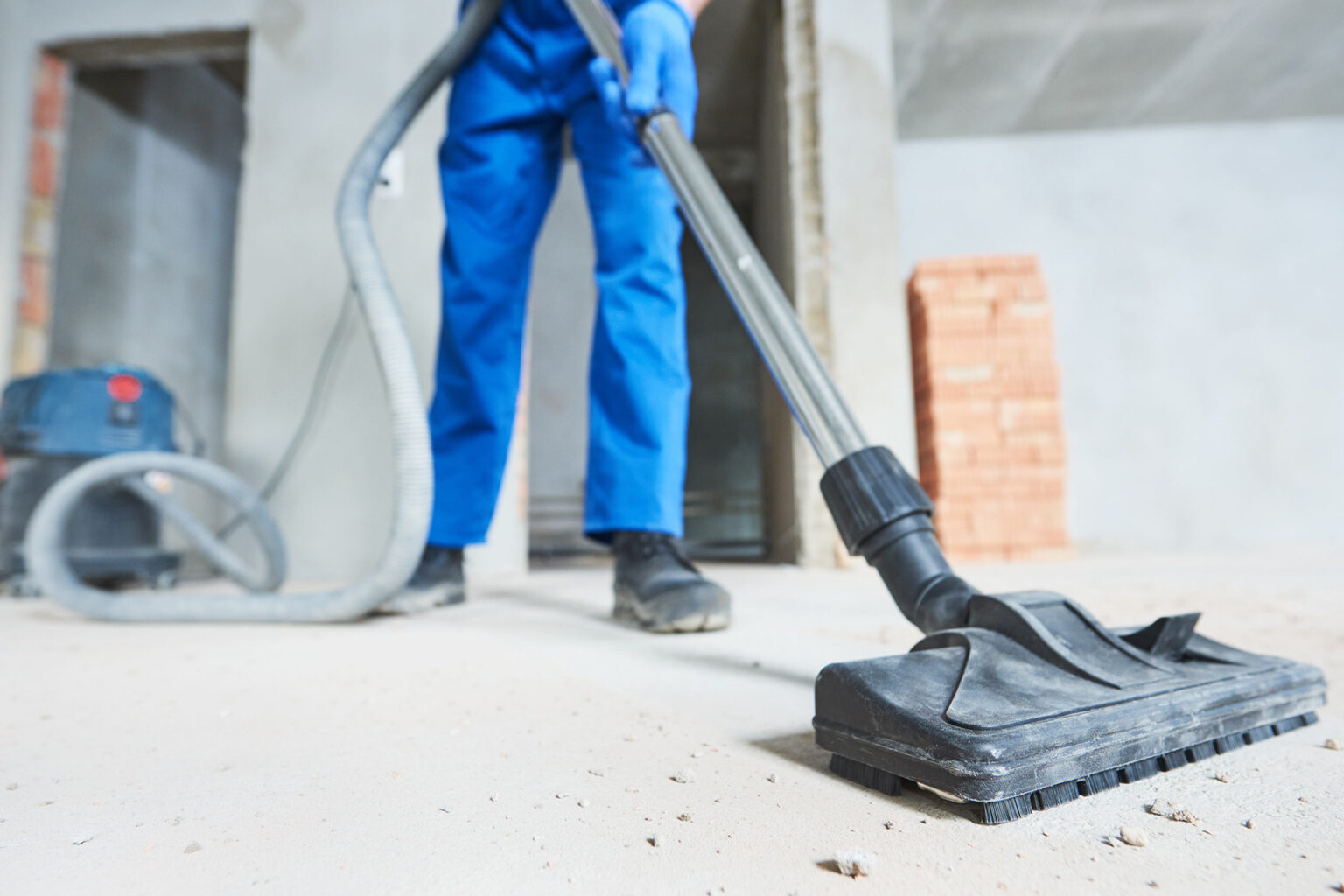
Post construction floor cleaning helps remove construction dust, drywall dust, dirt, debris, and leftover materials from floors after a renovation or building project.
For commercial spaces, post construction cleaning is more than basic cleanup. It prepares the renovated space for employees, customers, tenants, inspections, and daily use. Without thorough cleaning, fine dust can settle into vents, baseboards, cabinets, light fixtures, windows, doors, appliances, and other surfaces long after the construction company leaves the site.
What Is Post Construction Floor Cleaning and Why Is It Critical After Construction Cleanup?
Post construction floor cleaning is a detailed cleaning process used after construction, remodeling, or renovation work. It removes large debris, leftover dust, drywall dust, paint marks, dirt, and construction residue from floors and nearby surfaces.
Unlike regular janitorial cleaning, post construction cleanup often requires cleaning equipment, a HEPA filter vacuum, wet mopping, detailed cleaning, and the right tools for each flooring type. The goal is to make the space dust free, safe, and move in ready.
Post construction floor cleaning is important because construction dust can:
- Make floors look dull or dirty
- Scratch wood, vinyl, tile, and concrete floors
- Create safety issues for people walking through the space
- Spread into vents, walls, furniture, and light fixtures
- Delay the final handover of a new space
For commercial properties, a professional cleaning service helps protect the flooring investment and gives the finished project a cleaner appearance. Scher Flooring Services understands how different flooring types respond to dust, moisture, and cleaning chemicals, which is especially important in offices, healthcare facilities, schools, retail stores, and other commercial buildings.
Once the purpose is clear, the next step is understanding what post construction cleaning includes beyond the floor itself.
What Does Post Construction Cleaning Include for Floors and Other Surfaces?
Post construction cleaning includes cleaning floors, walls, windows, baseboards, vents, cabinets, doors, appliances, light fixtures, and other surfaces affected by dust and debris. The floor may be the main focus, but dust settles everywhere during and after construction.
A complete cleaning process often includes:
| Area | What Needs Cleaning |
| Floors | Dust, dirt, adhesive residue, paint spots, debris, scuff marks |
| Baseboards | Fine dust, paint splatter, leftover dust |
| Walls | Drywall dust, handprints, light marks |
| Windows | Dust, tape residue, fingerprints |
| Vents | Construction dust and fine particles |
| Cabinets and doors | Dust, sawdust, dirt, fingerprints |
| Light fixtures | Dust, leftover materials, fingerprints |
| Other surfaces | Counters, trim, shelves, appliances, furniture |
Post construction cleaning services are usually more detailed than everyday cleaning because the space has gone through active construction. Workers may leave behind dust, loose wires, wet paint areas, leftover materials, and large debris. Some sites may also include hazardous materials that require special handling.
A professional cleaning service uses the right tools and equipment to clean without damaging the floors or finished surfaces. This is especially important when a newly renovated space includes VCT, LVT, tile, grout, hardwood, concrete, or specialty commercial flooring.
Because construction cleaning is usually done in stages, it helps to understand the three phases of cleanup.
What Are the Key Stages of Post Construction Cleanup for Floors?
Post construction cleanup usually happens in three phases: rough clean, light clean, and final clean. Each phase has a different purpose, and together they turn a construction site into a clean, safe, move in ready space.
The first phase focuses on removing large debris. The second phase handles deep cleaning and detailed cleaning. The last phase prepares the space for final presentation, touch ups, and occupancy.
What Is a Rough Clean for Removing Large Debris and Construction Dust?
The rough cleaning phase happens after major construction work is complete but before the final finishing work is fully done. During this first phase, cleaners remove large debris, leftover materials, trash, packaging, loose dust, and obvious dirt from the site.
A rough clean may include:
- Removing large debris from floors
- Collecting leftover construction materials
- Sweeping or vacuuming loose dust
- Clearing walkways for safety
- Removing dirt from major floor areas
- Identifying loose wires or safety issues
This phase is not meant to make the space perfect. It creates a safer and more workable site for the next cleaning phase.
What Is a Light Clean Before Final Cleaning Begins?
A light clean is the second phase of post construction cleaning. This phase is more detailed than rough cleaning because most major construction work is already done. Cleaners begin addressing fine dust, drywall dust, leftover dust, surfaces, cabinets, windows, baseboards, doors, and floors.
During a light clean, professional cleaners may:
- Vacuum floors with proper equipment
- Wipe walls, cabinets, and fixtures
- Clean windows and glass
- Mop hard floors
- Remove dust from vents and trim
- Prepare floors for deeper cleaning
The light clean helps remove the dust that settles after the rough clean. Since dust often continues to fall from walls, ceilings, vents, and fixtures, this phase is important before the last phase begins.
What Is a Final Clean in Professional Post Construction Cleaning?
The final clean is the last phase of post construction cleanup. This is the stage where the space is cleaned for presentation, inspection, move-in, or public use.
A final clean often includes:
- Detailed floor cleaning
- Final vacuuming and mopping
- Dust removal from other surfaces
- Cleaning touch ups
- Spot cleaning doors, walls, and windows
- Polishing or buffing floors when needed
- Confirming the space looks dust free and ready
For commercial spaces, the final clean matters because it affects first impressions. A newly renovated space can still look unfinished if the floors are covered in fine dust, streaks, paint marks, or construction residue.
After understanding the phases, it becomes easier to see how the full floor cleaning process works step by step.
How Does the Post Construction Floor Cleaning Process Work Step by Step?
The post construction floor cleaning process starts with debris removal and ends with final floor presentation. Each step should match the floor type, level of dust, type of construction work, and condition of the space.
For commercial properties, Scher Flooring Services uses practical cleaning methods that help protect the floor surface while removing dirt, dust, and residue left behind by construction.
Remove Large Debris and Construction Dust from Floor Surfaces
The first step is removing large debris, loose materials, and visible dirt from the floor. This may include wood scraps, packaging, tape, plastic, drywall pieces, and leftover construction materials.
Once the large debris is removed, cleaners use a vacuum or dust-control equipment to remove construction dust. A HEPA filter vacuum is often useful because drywall dust and fine dust can easily spread into the air and settle again.
Perform Deep Cleaning Based on Floor Type
Deep cleaning depends on the flooring type. VCT, LVT, tile, grout, hardwood, and concrete all need different cleaning methods.
For example:
| Flooring Type | Cleaning Focus |
| VCT and LVT | Remove dust, dirt, scuffs, and residue without damaging finish |
| Tile and grout | Remove dust from grout lines and textured areas |
| Hardwood | Use controlled moisture and avoid harsh chemicals |
| Concrete | Remove dust, stains, and construction residue |
| Rubber flooring | Clean without damaging the surface texture |
Using the wrong mop, cleaning chemical, or wet process can create damage. This is why professional cleaners should match the tools to the floor.
Clean Edges, Corners, and Hard-to-Reach Areas
Construction dust often collects along edges, corners, baseboards, under cabinets, near doors, and around vents. These areas need detailed cleaning because they are easy to miss during basic mopping.
This step may include:
- Wiping baseboards
- Vacuuming corners
- Cleaning around door frames
- Removing dust near vents
- Wiping under cabinets and fixtures
- Cleaning floor edges before the final mop
These details help prevent dust from spreading back across the clean floor.
Polish, Buff, or Seal Floors for Final Presentation
Some commercial floors may need polishing, buffing, or sealing after the cleaning process. This depends on the floor material and the condition of the finish.
For example, VCT floors may need professional floor care after construction dust is removed. Tile floors may need grout attention. Wood floors may need careful cleaning and touch ups. Concrete may need dust removal and surface treatment.
This final step helps the space look clean, finished, and ready for use. It also connects directly to the next important factor: different floors need different cleaning methods.
How Does Post Construction Floor Cleaning Differ by Floor Type?
Post construction floor cleaning changes based on the material. The same process that works for tile may damage wood, and the same mop method used for concrete may not be right for VCT or LVT.
Professional cleaners look at the flooring type, surface condition, finish, and amount of dust before choosing tools and cleaning products.
How Is Post Construction Cleaning Done for VCT and Vinyl Floors?
VCT and vinyl floors can hold fine dust, scuffs, adhesive residue, and dirt after construction. Cleaners usually remove loose dust first, then mop and scrub using safe products made for resilient flooring.
The cleaning process may include:
- Dust removal
- Damp mopping
- Machine scrubbing when needed
- Scuff removal
- Finish inspection
- Buffing or maintenance if required
Because VCT floors often use floor finish, harsh chemicals or rough tools can damage the surface.
How Are Tile and Grout Floors Deep Cleaned After Construction?
Tile and grout need detailed cleaning because grout lines collect drywall dust, dirt, and construction residue. A regular mop may clean the tile surface but leave fine dust inside grout lines.
Tile floor cleaning may include:
- Vacuuming loose dust
- Scrubbing grout lines
- Wet cleaning with suitable products
- Removing residue from textured areas
- Final rinse and drying
This helps prevent the floor from looking cloudy or dirty after the dust settles.
How Are Hardwood Floors Protected During Construction Cleaning?
Hardwood floors need controlled cleaning because too much water, harsh tools, or abrasive dust can cause damage. Construction dust can act like sandpaper if dragged across the surface.
For hardwood floors, cleaners should:
- Vacuum carefully before mopping
- Avoid soaking the wood
- Use products made for wood
- Wipe with controlled moisture
- Avoid abrasive pads
- Check for paint, dust, and surface marks
This careful approach protects the wood while removing dust and dirt from the renovation.
Floor cleaning is the main focus, but post construction dust rarely stays only on the floor. Other surfaces also need attention.
Why Is Cleaning Other Surfaces Important During Post Construction Cleanup?
Cleaning other surfaces is important because construction dust settles on walls, windows, vents, cabinets, doors, light fixtures, appliances, furniture, and baseboards. If these surfaces are skipped, dust can fall back onto clean floors.
A commercial space may look clean after mopping, but hidden dust can continue spreading through the air. That is why post construction cleaning should include both floors and nearby surfaces.
How Does Construction Dust Affect Walls, Fixtures, and Air Quality?
Construction dust can settle on walls, fixtures, vents, and high surfaces. When HVAC systems turn on, dust can move through the space again. This can affect indoor air quality and make the space feel unfinished.
Drywall dust and fine dust are especially difficult because they are light, powdery, and easy to spread. They can land on:
- Light fixtures
- Vents
- Window frames
- Baseboards
- Cabinets
- Doors
- Appliances
- Furniture
- Floors
Removing dust from these areas helps keep the floor cleaner for longer.
What Other Surfaces Should Be Included in a Final Clean?
A final clean should include all visible and commonly touched surfaces. This includes walls, doors, cabinets, counters, light fixtures, baseboards, windows, vents, and appliances.
For commercial buildings, these details matter because employees, tenants, and visitors notice dust on surfaces quickly. A clean floor next to dusty walls or dirty windows does not create a finished look.
Once the full scope is clear, the next question is whether the job should be handled in-house or by professional cleaners.
Should You Hire Professional Cleaners for Post Construction Floor Cleaning?
Hiring professional cleaners is usually the better choice for commercial post construction floor cleaning because the job requires more than a mop and vacuum. Construction cleaning involves dust control, floor protection, safety awareness, detailed cleaning, and the right equipment.
A professional cleaning service also helps reduce delays before opening, moving in, or handing the space over to the client.
What Do Professional Cleaners Do Differently in Construction Cleaning?
Professional cleaners follow a multi phase cleaning process. They understand how to remove construction dust without spreading it across the space. They also know how to clean different flooring types without damaging the surface.
Professional cleaners may use:
- HEPA filter vacuum equipment
- Commercial mops and floor machines
- Dust-control tools
- Safe cleaning products
- Floor-specific cleaning methods
- Detailed inspection checklists
They also know how to handle construction-related safety issues such as loose wires, wet areas, leftover materials, and sharp debris.
Is DIY Post Construction Cleaning Effective for Commercial Spaces?
DIY post construction cleaning may work for a small home project, but it is usually not enough for a commercial space. Commercial properties often have larger floor areas, more dust, more surfaces, and stricter presentation needs.
DIY cleaning may miss:
- Fine dust in vents and corners
- Drywall dust in grout lines
- Residue on floors
- Dust on light fixtures and baseboards
- Safety issues caused by leftover debris
- Floor-specific cleaning requirements
For commercial spaces, hiring a professional team can save time and reduce the risk of damaging new or existing floors.
Professional cleaning also provides several benefits that go beyond appearance.
What Are the Benefits of Professional Post Construction Floor Cleaning?
Professional post construction floor cleaning helps make a newly built or renovated space safer, cleaner, and more presentable. It also protects floors from damage caused by dust, dirt, and leftover materials.
The main benefits include:
- Better dust removal
- Safer walking surfaces
- Cleaner indoor environment
- Improved appearance
- Protection for flooring materials
- Faster move-in readiness
- More professional final presentation
For businesses, this matters because the condition of the floor affects how customers, staff, and tenants experience the space. A clean floor makes the renovation feel complete.
Scher Flooring Services provides commercial floor cleaning and maintenance solutions for different industries. This experience helps ensure that each cleaning method matches the floor type and business environment.
Cost is another common question because every construction cleanup project is different.
How Much Does Post Construction Floor Cleaning Cost in the USA?
Post construction floor cleaning costs in the USA vary based on the size of the space, amount of dust, flooring type, cleaning phases needed, and whether specialty equipment is required. There is no single fixed price because every project has different conditions.
For commercial properties, it is best to request a free estimate based on the actual space and scope of work.
What Factors Affect Post Construction Cleaning Costs?
The main cost factors include:
| Cost Factor | Why It Matters |
| Square footage | Larger spaces take more time and labor |
| Dust level | Heavy drywall dust requires deeper cleaning |
| Flooring type | Wood, VCT, tile, and concrete need different methods |
| Number of phases | Rough clean, light clean, and final clean affect labor |
| Debris amount | Large debris and leftover materials add cleanup time |
| Detail level | Windows, vents, cabinets, and fixtures increase scope |
| Equipment needed | Floor machines or HEPA vacuums may be required |
A basic cleanup costs less than a detailed multi phase cleaning project.
How Do Floor Type and Space Size Impact Pricing?
Floor type affects pricing because each surface needs different tools, products, and time. A large concrete floor may require heavy dust removal, while a VCT floor may need careful cleaning to protect the finish. Tile may need grout cleaning, and wood may need low-moisture methods.
Space size also matters. A small renovated office may only need a light clean and final clean, while a large commercial building may need all three phases.
Understanding the cost factors helps property managers plan better, but avoiding mistakes is just as important.
What Mistakes Should Be Avoided During Post Construction Cleanup?
Post construction cleanup mistakes can damage floors, spread dust, delay move-in, or create safety issues. The biggest problems usually come from rushing the process or using the wrong tools.
A good cleaning plan should protect the floor, remove fine dust, and make sure the space is ready for use.
Ignoring Fine Construction Dust During Cleaning
Fine construction dust is one of the most common problems after renovation. If it is not removed properly, it can settle again after cleaning. It may also collect in vents, corners, cabinets, and light fixtures.
The solution is to use proper vacuum equipment, wipe surfaces carefully, and clean in phases instead of relying on one quick mop.
Using Incorrect Cleaning Methods for Floor Types
Using the wrong cleaning method can damage floors. Too much water can harm wood. Harsh chemicals can affect vinyl or VCT. Abrasive pads can scratch finished surfaces.
Each floor should be cleaned based on its material, condition, and finish.
Skipping Final Clean Before Handover
Skipping the final clean can make the space look unfinished even after construction is complete. Dust, fingerprints, streaks, paint marks, and floor residue can hurt the final presentation.
The final clean gives the space its finished look and helps confirm that floors, walls, windows, doors, baseboards, and other surfaces are clean.
These common mistakes lead directly into the most common questions property owners and managers ask before scheduling service.
Frequently Asked Questions About Post Construction Floor Cleaning
Post construction floor cleaning can involve many moving parts, especially when a commercial space has multiple flooring types, construction dust, leftover materials, and tight move-in timelines. These direct answers help clarify what to expect.
How long does post construction floor cleaning take?
Post construction floor cleaning can take a few hours to several days depending on the size of the space, amount of dust, floor type, debris level, and number of cleaning phases needed. A small office may need one day, while a large commercial property may require a multi phase cleaning schedule.
Is deep cleaning necessary after construction?
Yes, deep cleaning is necessary after construction because drywall dust, fine dust, dirt, and construction residue often remain after the visible debris is removed. Deep cleaning helps remove dust from floors, baseboards, vents, walls, windows, fixtures, and other surfaces.
Can construction dust damage floors permanently?
Yes, construction dust can damage floors if it is left untreated or dragged across the surface. Fine dust can scratch wood, dull floor finish, settle into grout lines, and make resilient flooring look cloudy. Proper vacuuming and cleaning reduce this risk.
What is included in a final clean?
A final clean includes detailed floor cleaning, vacuuming, mopping, dust removal, surface wiping, touch ups, window cleaning, baseboard cleaning, and final inspection. The purpose is to make the space clean, presentable, and move in ready.
Do professional cleaners clean other surfaces as well?
Yes, professional cleaners often clean other surfaces during post construction cleanup, including walls, windows, cabinets, doors, vents, light fixtures, appliances, baseboards, and counters. Cleaning these surfaces helps prevent dust from falling back onto the floors.
Post construction floor cleaning is the final step that turns a construction project into a usable commercial space. When the cleaning process is planned correctly, floors look better, surfaces stay cleaner, and the entire space feels ready for employees, visitors, tenants, or customers. For commercial facilities in need of practical floor cleaning support, Scher Flooring Services can help evaluate the space, flooring type, and cleaning needs before recommending the right solution.
Stay Updated!
Sign up for email updates and stay in the loop about about our services and promotions.
We’re here to answer any questions you have about our commercial floor cleaning, restoration, and maintenance services.
Get a Free Quote Today!
Scher Flooring Services is a locally and family owned and operated commercial floor cleaning, maintenance and restoration company in business for over 25 years.
"*" indicates required fields