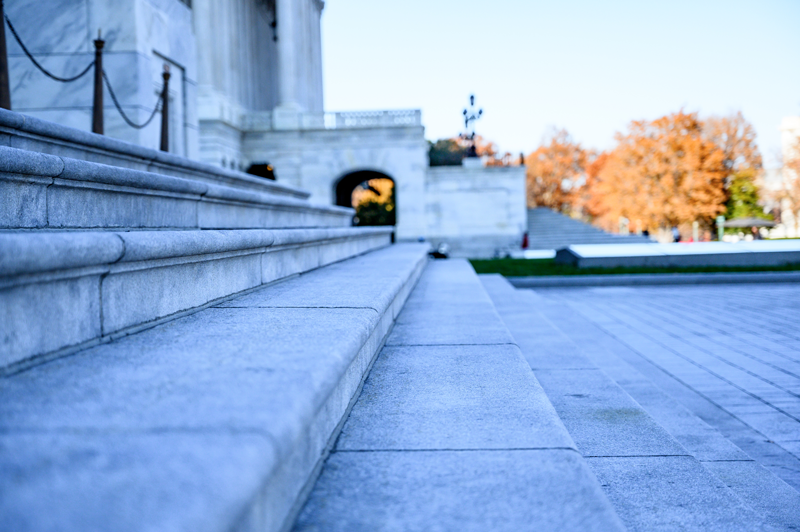
Federal building floor cleaning requires consistent daily cleaning, scheduled deep cleaning, safe cleaning solutions, and documented floor care routines that support government operations without disrupting public services.
In government buildings, clean floors are not just about appearance. They help protect government employees, visitors, contractors, and the public who move through lobbies, offices, conference rooms, restrooms, service counters, and common areas every day.
Why Federal Building Floor Cleaning Matters in Government Buildings
Government buildings are public-facing spaces where safety, cleanliness, and professionalism are closely connected. A dirty lobby, stained carpet, slippery hard floor, or neglected restroom hallway can affect how people view the facility before they ever reach the front desk.
Federal building floor cleaning also plays a practical role in daily operations. Government agencies need floors that can handle heavy foot traffic, weather, soil, moisture, and frequent use without becoming unsafe or looking worn out too soon.
Clean Floors Support Safety, Public Trust and Daily Operations
Government offices and municipal buildings often welcome a mix of employees, citizens, delivery staff, vendors, and visitors. That means the floors in public areas are exposed to more dirt, debris, salt, spills, and moisture than a private office with controlled access.
Clean floors help support:
- safer walking surfaces
- better hygiene in shared spaces
- a more professional appearance
- fewer visible stains and scuff marks
- better daily operations for staff and visitors
- stronger public trust in the facility
OSHA’s walking-working surface rule requires workplaces to keep walking-working surfaces clean, orderly, sanitary, and, as much as feasible, dry. It also requires surfaces to be maintained free of hazards such as spills, leaks, snow, and ice.
How Government Agencies Should Think About Long-Term Floor Care
Government agencies should look at floor care as a maintenance program, not a one-time cleaning task. Hard floors, tile, VCT, LVT, carpet, rubber flooring, and wood surfaces all age differently. Each floor type needs the right cleaning techniques, schedule, and products.
For example, a federal office lobby with VCT may need routine dust removal, wet mopping, periodic machine scrubbing, and scheduled stripping and waxing. A carpeted administrative facility may need vacuuming, spot treatment, hot water extraction, and stain prevention. A tile restroom corridor may need grout cleaning and odor control.
Scher Flooring Services works with commercial facilities across Maryland, Virginia, and Washington, DC, and lists government buildings as one of its served industries. Its government building cleaning page specifically mentions large federal campuses, small municipal buildings, customized plans, and trained technicians for government facility floors.
That long-term view leads directly into standards because government facilities need cleaning practices that are repeatable, safe, and easy to document.
Cleaning Standards for Government Facilities and Government Offices
Government facilities do not need vague cleaning routines. They need clear standards that connect cleanliness, safety, public health, and operational efficiency. That does not mean every building needs the same service schedule. It means every facility should know what gets cleaned, how often, with which cleaning solutions, and by whom.
The goal is to maintain cleanliness while respecting security, access rules, government operations, and sensitive environments.
OSHA-Informed Floor Safety, Slip Prevention and Housekeeping Practices
Floor cleaning in government buildings should begin with safe walking surfaces. That includes removing soil, cleaning spills quickly, placing wet-floor signage when needed, managing entrance mats, and keeping walkways clear.
A practical OSHA-informed floor safety routine may include:
| Area | Common risk | Best Practice |
|---|---|---|
| Main entrance | rain, snow, salt, tracked-in soil | matting, frequent spot cleaning, moisture checks |
| Corridors | scuffs, debris, spills | daily dust removal and wet mopping |
| Restroom entrances | water and slippery spots | regular inspections and fast spill response |
| Conference rooms | food spills, stains, chair marks | spot cleaning after meetings |
| Public waiting areas | heavy traffic and dirt buildup | routine vacuuming or hard floor cleaning |
| Service counters | high touch surfaces nearby | floor cleaning plus surface cleaning coordination |
OSHA also notes that wet floors caused by weather conditions may require more than regular scheduled housekeeping, depending on the circumstances.
CDC-Aligned Cleaning, Deep Cleaning and Disinfection Basics
CDC guidance separates cleaning from sanitizing and disinfecting. Cleaning removes germs, dirt, and impurities from surfaces. Sanitizing reduces germs to safer levels. Disinfecting kills remaining germs after cleaning. CDC also states that surfaces should be cleaned before they are sanitized or disinfected because dirt can make chemicals less effective.
For government offices, this matters because floor care is often part of a larger cleaning plan. High touch surfaces such as door handles, stair rails, elevator buttons, touchpads, restroom fixtures, and desks need regular cleaning, while floors need the right method based on material, traffic, and soil level. CDC recommends cleaning high touch surfaces regularly and cleaning other surfaces when visibly dirty.
Deep cleaning is useful when regular cleaning is no longer enough to remove buildup, embedded soil, stains, dullness, or odor. It may include machine scrubbing, carpet extraction, grout cleaning, floor finish restoration, or stripping and waxing.
Why Public-Sector Buildings Need Documented Cleaning Services
Government cleaning services should be documented because many agencies must show that maintenance is being handled consistently. Documentation also protects the facility team when a concern comes up.
A simple floor care record can include:
- daily cleaning tasks
- inspection notes
- deep cleaning dates
- products or cleaning solutions used
- areas completed
- safety concerns foundfollow-up maintenance needs
Documentation is especially important in sensitive environments such as federal offices, administrative facilities, courts, public service buildings, and municipal buildings where security and public access must be balanced.
Once cleaning standards are clear, the next challenge is matching those standards to the real conditions inside government facilities.
Floor Care Challenges in Municipal Buildings and Federal Facilities
Municipal buildings and federal facilities are rarely simple cleaning environments. One building may have carpeted offices, tile restrooms, VCT corridors, rubber flooring in service areas, and polished hard floors in public entrances.
Each space has its own floor care needs, and each one affects the overall clean environment.
Heavy Foot Traffic in Lobbies, Corridors and Public Waiting Areas
Lobbies, corridors, and public waiting areas often carry the heaviest traffic. These spaces collect dirt quickly because they sit between the outdoors and the controlled areas of the building.
Common problems include:
- dull hard floors
- black heel marks
- worn walk paths in carpet
- soil buildup near entrances
- salt stains during winter
- gum, spills, and sticky residue
- moisture near doors and vestibules
Daily cleaning helps maintain cleanliness, but high-traffic areas usually need periodic deep cleaning to restore the floor’s appearance and protect the surface.
Mixed Flooring Types Across Offices, Restrooms, Courtrooms and Service Areas
Government offices and administrative facilities often have mixed floors because each space serves a different purpose. Carpet may be used in offices and conference rooms. Tile may be used in restrooms. VCT or LVT may be used in corridors and public areas. Rubber may appear in fitness, utility, or service spaces.
The wrong method can damage the floor. Too much water can affect some surfaces. Harsh cleaning solutions can dull finish. The wrong pad can scratch hard floors. Carpet may hold soil and odor if it is only vacuumed but never extracted.
This is where professional cleaning services help. A trained commercial floor care team can match the method to the material instead of treating every floor the same.
Weather, Soil, Salt and Moisture Control in Public Entrances
Public entrances are one of the most important floor care zones in government buildings. Rain, snow, mud, sand, and ice melt products can move quickly from the entrance into lobbies and corridors.
A good entrance plan may include:
- quality walk-off mats
- frequent mat cleaning
- wet floor inspections
- prompt moisture removal
- seasonal deep cleaning
- extra attention during storms
- finish protection for hard floors
When entrances are maintained well, the rest of the building stays cleaner for longer. That naturally connects to best practices for daily janitorial services and scheduled professional floor cleaning.
Best Practices for Government Cleaning Services and Janitorial Services
Government cleaning services work best when daily cleaning, janitorial services, and specialized cleaning are planned together. Daily crews may handle routine cleaning, trash, restrooms, and basic floor work. Professional floor care teams handle deeper restoration, machine cleaning, carpet extraction, and finish work.
The best plan protects health, appearance, safety, and efficiency without interfering with government operations.
Daily Dust Removal, Spot Cleaning and Wet Mopping
Daily cleaning is the base layer of any government facility maintenance plan. It keeps visible dirt under control and prevents soil from grinding into floors.
Daily floor care may include:
- dust mopping hard floors
- vacuuming carpeted offices and common areas
- wet mopping restrooms and corridors
- cleaning spills quickly
- removing debris from entrances
- checking for moisture near doors
- spot cleaning stains
- wiping nearby high touch surfaces as part of the broader cleaning program
CDC facility guidance notes that cleaning with commercial cleaners containing soap or detergent decreases germs on surfaces and reduces infection risk from surfaces in a facility.
Scheduled Deep Cleaning for High-Traffic Government Facilities
Daily cleaning cannot remove every layer of buildup. Over time, floors need deep cleaning to restore cleanliness and professional appearance.
Deep cleaning may include:
| Floor type | Deep cleaning need |
|---|---|
| VCT | machine scrubbing, stripping and waxing, finish renewal |
| LVT | scrub and recoat when appropriate, residue removal |
| Tile and grout | grout line cleaning, soil extraction, odor control |
| Carpet | hot water extraction, stain treatment, traffic lane cleaning |
| Rubber flooring | proper cleaning and refinishing without damaging the surface |
| Wood floors | surface-specific cleaning and protective treatments |
Scher Flooring Services lists carpet cleaning, VCT and LVT stripping and waxing, rubber floor cleaning, ceramic and stone floor cleaning, wood floor treatments, and custom floor maintenance plans as part of its commercial floor cleaning services.
Using the Right Cleaning Solutions for Each Floor Type
Cleaning solutions should be selected based on the floor material, soil type, safety requirements, and manufacturer guidance. A product that works well on tile may not be right for rubber flooring. A strong cleaner used too often on finished VCT may affect shine and durability. A carpet product must be appropriate for the fiber, backing, and stain type.
Government agencies should also consider worker safety. CDC recommends following product labels, using proper ventilation, wearing recommended protective equipment, and making Safety Data Sheets available for cleaning products when applicable.
The next decision is when routine janitorial services are enough and when professional cleaning should be brought in.
Where Professional Cleaning Fits Into Public Building Maintenance
Professional cleaning is not meant to replace daily janitorial services. It supports them. In many government offices, the daily team keeps the facility functional, while a specialized cleaning team handles the deeper floor care tasks that require equipment, training, and the right techniques.
This helps maintain a clean environment while reducing minimal disruption to public services.
When In-House Janitorial Services Are Not Enough
In-house janitorial services are important for daily operations, but they may not be equipped for restorative floor care. A government facility may need professional cleaning when:
- carpet traffic lanes stay dark after vacuuming
- VCT looks dull even after mopping
- tile grout has heavy buildup
- hard floors show scuffs and finish wear
- rubber floors look stained or uneven
- restrooms have persistent odor near floor areas
- entrances track soil deeper into the building
- cleaning crews do not have specialized equipment
Professional cleaning services can also help when flexible scheduling is needed after business hours, during weekends, or around public-facing operations.
How Professional Cleaning Protects VCT, LVT, Tile, Carpet, Rubber and Wood Floors
Each floor type has a cost attached to it. Replacement is usually more expensive than maintenance. Good floor care helps protect that investment.
Professional floor care can help:
- extend floor life
- restore professional appearance
- reduce embedded soil
- improve public areas
- support sanitation goals
- keep hard floors easier to maintain
- reduce long-term maintenance issues
- help janitorial services work more efficiently
For federal offices, municipal buildings, and administrative facilities, this matters because floors must hold up under constant use without making the building look neglected.
Building a Floor Maintenance Plan Around Access, Security and Operating Hours
Government facilities also have security and access concerns. Cleaning crews may need badges, escorts, background checks, approved work windows, or restricted access to secure spaces.
A practical floor maintenance plan should address:
- which areas can be cleaned during business hours
- which areas require after-hours access
- where secure zones begin
- who approves access
- whether thorough background checks are needed
- how crews communicate with facility staff
- where equipment can be stored
- how to avoid disruption to government employees and visitors
The best cleaning partner will work closely with facility managers to meet specific needs instead of applying the same plan to every building.
How Government Agencies Can Choose the Right Cleaning Services Partner
Choosing a cleaning partner for government facilities should be based on more than price. Government agencies need a team that understands commercial floor care, sensitive environments, security expectations, documentation, and long-term maintenance.
A trusted partner should support daily cleaning needs, deep cleaning, specialized cleaning, and professional floor care planning.
Look for Experience With Commercial Floor Care and Public-Sector Environments
Government buildings need cleaners who understand high standards and public-sector expectations. That includes working around offices, common areas, conference rooms, restrooms, hallways, service counters, and secure areas.
A qualified provider should be trained, equipped, and able to explain how they maintain different floor types. They should also understand that government operations cannot stop just because floors need service.
Ask About Scheduling, Safety Procedures, Equipment and Cleaning Solutions
Before choosing a provider, facility managers should ask practical questions:
- What floor types do you service?
- Do you offer flexible scheduling?
- Can you work after hours or on weekends?
- What cleaning solutions do you use for each surface?
- How do you manage wet-floor safety?
- What equipment will be used?
- How do you reduce disruption?
- Are your team members trained for commercial environments?
- Can you work around security requirements?
- Do you provide routine care and restorative deep cleaning?
These questions help government agencies choose cleaning services that match the facility, not just the budget.
Choose a Partner That Supports Routine Care and Restorative Deep Cleaning
The strongest cleaning plans combine routine maintenance with deeper restoration. A floor may look fine today, but traffic, moisture, soil, and poor cleaning techniques can wear it down over time.
Scher Flooring Services positions its work around commercial floor cleaning, restoration, and maintenance, with custom floor maintenance plans tailored to facility needs and budget. That approach fits government offices and municipal buildings where floors must stay safe, clean, and professional through regular public use.
With the right partner, floor cleaning becomes part of a larger facility strategy instead of a last-minute repair task.
Final Takeaway: Better Floor Care Helps Government Buildings Stay Safe, Clean and Professional
Government and federal building floor cleaning should support safety, hygiene, public trust, and operational efficiency. The best results come from a clear plan: daily cleaning for visible soil and routine upkeep, janitorial services for common areas and restrooms, and professional cleaning for deep cleaning, floor restoration, and specialized floor care.
Government facilities serve employees, citizens, vendors, contractors, and visitors every day. Their floors carry that traffic quietly, but they show the results quickly when maintenance falls behind. Clean, well-maintained floors help government offices and municipal buildings present a professional appearance while supporting a safe environment.
For government agencies, the right floor care plan should be practical, documented, secure, and flexible. It should account for flooring type, traffic level, public access, weather, security, and long-term maintenance needs. When routine janitorial services and professional cleaning work together, government buildings are easier to maintain and better prepared for the people they serve.
Stay Updated!
Sign up for email updates and stay in the loop about about our services and promotions.
We’re here to answer any questions you have about our commercial floor cleaning, restoration, and maintenance services.
Get a Free Quote Today!
Scher Flooring Services is a locally and family owned and operated commercial floor cleaning, maintenance and restoration company in business for over 25 years.
"*" indicates required fields