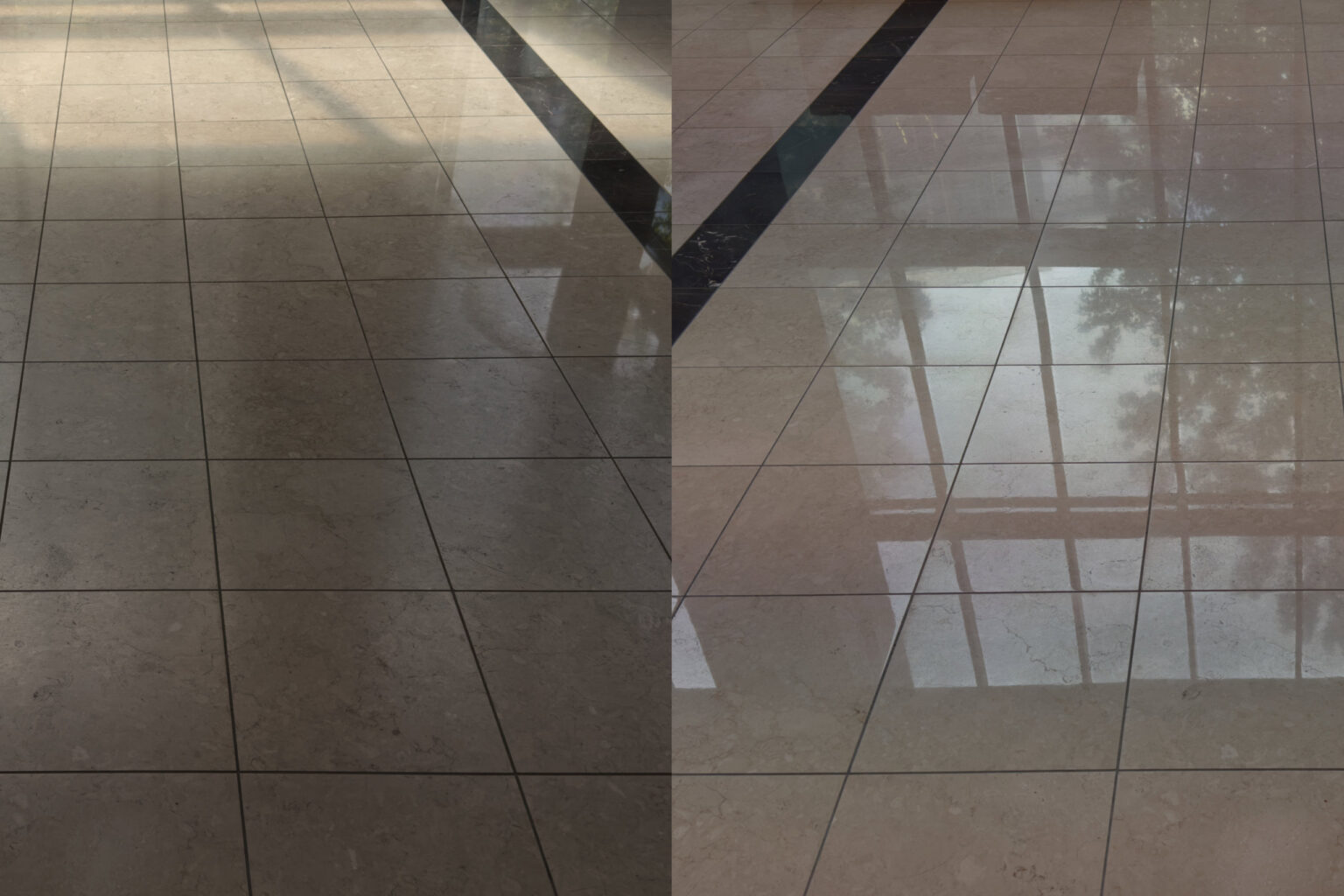
To prepare your space for a commercial floor cleaning, clear the work area, remove loose items, protect sensitive materials, communicate flooring concerns, and plan around business foot traffic. Good preparation helps the cleaning crew work safely, use the right equipment, and deliver better results on commercial floors.
Commercial floor cleaning is not just about making floors look clean for the day. It protects flooring material, reduces wear, supports safety, and helps your business make better first impressions. For facility managers, property managers, office teams, schools, restaurants, hotels, healthcare buildings, and retail stores, a little planning before the floor cleaning team arrives can make the job smoother from start to finish.
Why Proper Preparation Matters Before Commercial Floor Cleaning
Commercial spaces deal with more dirt, grime, dust, spills, shoes, carts, chairs, equipment, and foot traffic than most residential spaces. That daily use slowly affects the surface, floor finish, carpet fibers, grout lines, wood floors, tile, rubber flooring, concrete, and other flooring materials. If the area is not ready before the cleaning crew arrives, the team may spend extra time moving items instead of focusing on proper cleaning.
Preparation also helps reduce safety risks. Wet floors, damp mop areas, cords, clutter, loose mats, and blocked entrances can increase the chance of slips and falls. The National Floor Safety Institute is often connected with floor safety conversations because walkway safety, slip resistance, and safe maintenance practices matter in busy facilities.
A prepared space helps the crew:
- Access the full floor surface
- Remove dirt more effectively
- Treat stains and contaminants properly
- Avoid damaging furniture, walls, or equipment
- Use cleaning solutions safely
- Protect employees, customers, and visitors
- Finish the job with fewer delays
When the area is ready, the cleaning process becomes more predictable. The next step is checking the current condition of your commercial floors so the service team knows what they are working with.
Start by Understanding the Condition of Your Commercial Floors
Before a professional team starts commercial cleaning, it helps to walk through the facility and look at the floor the way a cleaning technician would. This does not need to be complicated. You are simply looking for wear patterns, stains, moisture issues, scratches, dirt buildup, dull areas, loose edges, odors, and flooring types that need special care.
This walkthrough gives the cleaning company better information and helps you choose the correct service. For example, VCT may need scrubbing, stripping, waxing, or refinishing. Carpet may need vacuuming, spot treatment, and deeper extraction. Tile and grout may need scrubbing to remove grime from porous lines. Wood floors may need careful maintenance with controlled moisture and proper products.
Check for Stains, Scratches, Wax Buildup, and High-Traffic Wear
Start with high traffic areas such as entrances, hallways, reception areas, break rooms, kitchens, restrooms, classrooms, elevators, waiting rooms, and checkout areas. These areas collect dirt faster because people track in soil, moisture, salt, dust, and contaminants from outside.
Look for:
- Dark paths in carpet
- Yellowing or dull floor finish
- Sticky spots near food or drink areas
- Scratches from chairs, carts, or pads
- Dirt packed into grout lines
- Moisture near entrances or sinks
- Odors in carpets or upholstery
- Areas that no longer smell fresh after daily cleaning
Neglected floors usually show signs before they fail. Small scratches, stains, dullness, and grime can become bigger maintenance problems if ignored. Preparing this information before the appointment helps the crew decide whether the floor needs routine cleaning, scrubbing, stain treatment, refinishing, or a longer-term maintenance plan.
Identify Different Types of Flooring Before the Cleaning Team Arrives
Different types of commercial floors need different cleaning methods. What works for ceramic tile may not be right for hardwood, natural oil finished wood, rubber flooring, carpet, LVT, VCT, or concrete. Using excessive water on the wrong surface can cause damage. Using harsh chemicals on sensitive materials can leave residue, affect the finish, or shorten the life of the floor.
Here is a simple preparation guide:
| Flooring type | What to check before service | Why it matters |
| Carpet | Stains, odor, gum, heavy soil, loose furniture | Helps plan spot treatment and vacuuming |
| VCT/LVT | Dull finish, scratches, wax buildup, sticky residue | Helps decide if scrubbing, stripping, or refinishing is needed |
| Tile/stone | Dirty grout, stains, cracks, residue | Helps protect grout and restore appearance |
| Wood floors | Moisture marks, scratches, worn areas | Wood needs special care and controlled cleaning |
| Rubber flooring | Scuffs, sweat residue, gym dust, dull areas | Rubber needs the right cleaners and equipment |
| Concrete | Oil, dust, stains, surface wear | May require heavier scrubbing or specialty cleaning |
Scher Flooring Services works with many of these surfaces through services like commercial carpet cleaning, VCT and LVT cleaning, stripping, and waxing, ceramic, tile, and stone floor cleaning, rubber floor cleaning, and engineered wood floor cleaning.
Once you know what condition your floors are in, the next step is clearing the space so the cleaning team can work without obstacles.
Clear the Area So the Floor Cleaning Team Can Work Efficiently
A clean space starts before the equipment is turned on. The more open the work area is, the easier it is for the cleaning team to reach corners, edges, entryways, baseboards, hallways, and high-use areas. This is especially important in larger spaces where machines, cords, hoses, mop buckets, pads, scrubbers, vacuums, and drying equipment may be used.
Clearing the space also protects your items. Office chairs, product displays, trash bins, rugs, small furniture, cables, and storage boxes can slow down the job or block the cleaning path.
Move Furniture, Small Equipment, Rugs, and Loose Items
Before the crew arrives, remove anything that can be moved safely by your staff. This may include:
- Floor mats and rugs
- Trash cans and recycling bins
- Rolling chairs
- Small tables
- Product displays
- Brochure stands
- Floor signs
- Plants
- Boxes
- Personal items
- Loose cords
- Lightweight equipment
For offices, ask employees to lift bags, files, and small electronics off the floor. For retail facilities, move portable displays and sale racks. For schools, clear classroom items from walkways. For restaurants and bars, stack chairs or move dining items based on the cleaning schedule.
Heavy furniture or fixed equipment may need to stay in place. If that is the case, tell the cleaning company ahead of time so they can plan around it.
Create Open Access for Larger Spaces and Heavy Cleaning Machines
Commercial floor cleaning often requires more than a mop and bucket. Depending on the surface, technicians may use auto scrubbers, rotary machines, carpet extractors, burnishers, vacuums, wet floor tools, neutral cleaners, floor pads, and specialized cleaning solutions.
Larger spaces need clear access so the equipment can move safely. Narrow paths, blocked doors, tight hallways, and crowded storage areas can reduce cleaning quality. If possible, create clear routes from the entrance to the cleaning area.
Before the appointment, check:
- Main building entrance
- Service entrance
- Loading area
- Freight elevator
- Hallways
- Stair access
- Parking access
- Storage or janitorial closets
- Electrical outlets
- Water access
This type of planning saves time and helps the cleaning team focus on the actual floors. After the area is cleared, the next step is protecting the sensitive items that should not be exposed to moisture, dust, movement, or cleaning products.
Protect Sensitive Items Before Commercial Cleaning Begins
Commercial cleaning can involve moisture, scrubbing, vacuuming, dust movement, equipment vibration, and temporary floor closures. Most professional cleaning crews work carefully, but the facility should still protect items that could be damaged, misplaced, or contaminated during service.
This is especially important in healthcare buildings, schools, offices, property management spaces, restaurants, and retail facilities where daily operations involve paperwork, electronics, displays, inventory, and customer-facing materials.
Secure Electronics, Paperwork, Displays, and Breakable Items
Move or protect items that should not be near water, cleaning solutions, or equipment. These may include:
- Computers and monitors
- Power strips and cords
- Printers and scanners
- Medical or office paperwork
- Product inventory
- Retail displays
- Glass décor
- Awards, plaques, or signage
- Breakroom appliances
- Personal belongings
If your facility has display cases, floor-level outlets, server areas, or wall-mounted equipment near the floor, point them out before the work begins. This helps the team avoid unnecessary risk.
For carpeted spaces, remove small items from the floor before vacuuming or extraction. For hard floors, remove anything that could block scrubbing or polishing. For wood floors, extra care should be taken around moisture-sensitive items and baseboards.
Mark Areas That Need Extra Care or Should Not Be Moved
Not every area should be treated the same way. Some spaces may need special care because of loose tile, damaged grout, worn hardwood, moisture concerns, fragile equipment, or recently repaired flooring.
Use notes, painter’s tape, or a quick walkthrough to identify:
- Loose or cracked tile
- Areas with moisture problems
- Spots with recurring stains
- Floor sections with deep scratches
- Recently refinished floors
- Rooms with restricted access
- Areas where furniture should not be moved
- Spaces with sensitive equipment
This simple step helps prevent confusion and protects both the facility and the cleaning crew. Once sensitive areas are marked, the next major concern is foot traffic during and after the cleaning service.
Plan Around Foot Traffic in Busy Commercial Spaces
Foot traffic is one of the biggest challenges in commercial floor cleaning. Floors cannot be cleaned properly if people are walking through the area every few minutes. Wet surfaces, damp areas, open cords, equipment, and freshly treated floor finish can also create safety concerns.
Facility managers should plan service times around the natural rhythm of the business. The goal is to reduce disruption while giving the floor enough time to dry, cure, or settle before normal use resumes.
Choose a Cleaning Time That Reduces Business Disruption
The best cleaning time depends on the facility. Some businesses prefer evening service. Others need weekend work. Some healthcare, hotel, or government facilities may require section-by-section cleaning because they operate around the clock.
Consider scheduling around:
- Business hours
- Employee shift changes
- Customer traffic patterns
- Deliveries
- School breaks
- Hotel check-in and checkout times
- Restaurant meal periods
- Medical appointment schedules
- Retail peak shopping hours
For example, a hotel may clean hallways in sections to avoid guest disruption. A school may schedule deeper cleaning during breaks. A restaurant may need service after closing and enough drying time before staff returns. A healthcare facility may need controlled access and extra coordination for patient safety.
Scher’s industry-specific experience with spaces like healthcare and assisted living facilities and hotels and hospitality properties makes this kind of scheduling important because each facility has different safety and access needs.
Set Up Temporary Walkways, Signs, or Restricted Areas
During floor cleaning, not every area may be available. Clear communication prevents employees, customers, tenants, or visitors from walking across wet or freshly finished floors.
Use:
- Wet floor signs
- Temporary barriers
- Caution tape
- Alternate routes
- Door signs
- Email or staff notices
- Lobby notices
- Cones near entrances
This matters most around entrances, restrooms, elevators, break rooms, kitchens, and reception areas. These locations often have the highest number of people moving through them.
Once you have a foot traffic plan, the next step is making sure the cleaning provider understands the floor concerns, timing, access, and expectations before the job begins.
Communicate Floor Cleaning Needs Clearly With the Service Provider
Clear communication helps the cleaning team show up prepared. Even an experienced crew needs to know what has happened to the floor, what daily cleaning methods are being used, and what results you expect.
A quick conversation before service can prevent delays, missed areas, wrong assumptions, and unnecessary damage.
Share Problem Areas, Spills, Odors, or Previous Floor Treatments
Tell the cleaning company about anything that may affect the work. This includes old spills, wax buildup, unknown stains, prior cleaning attempts, recurring odors, and areas where floors never seem to stay clean.
Share details such as:
- When the stain happened
- What caused the spill, if known
- Whether harsh chemicals were used before
- Whether staff used a damp mop or dry mop only
- Whether neutral cleaners are part of daily cleaning
- Whether the floor was recently refinished
- Whether there are moisture issues
- Whether a floor finish is peeling or yellowing
This helps the technician choose the right process. For example, stains from food, oil, ink, adhesive, salt, or cleaning residue may need different treatment. Carpet odor may need deeper cleaning than surface vacuuming. VCT with dull finish may need scrubbing or refinishing instead of basic mopping.
Ask What the Team Needs Before Arriving With the Right Equipment
Before service day, ask what the crew needs from your facility. This may include power, water, parking, restroom access, elevator access, after-hours entry, a building contact, or space for equipment.
A few questions can make the visit smoother:
- Do you need access to water?
- Do you need a specific electrical outlet?
- How much space do you need for equipment?
- Should we move furniture before you arrive?
- How long should the floors remain unused?
- Will there be any odor from cleaning products?
- Should HVAC or air movement stay on?
- Are there areas we should close off?
Professional teams bring the right equipment, but they still need the right access. That leads into the next preparation step: confirming building utilities and entry details.
Prepare Utility Access for a Smooth Commercial Floor Cleaning Visit
Commercial floor cleaning depends on more than the floor itself. Crews may need water, electricity, parking, elevator access, waste disposal instructions, and a safe way to move equipment in and out of the building.
If these details are not ready, the job can slow down before it starts.
Confirm Water, Power, Parking, and Entry Access
Before the appointment, decide who will let the team into the building and where they should park. If the work is scheduled after hours, confirm key cards, alarm codes, security check-in, and lock-up instructions.
Prepare:
- Water source
- Working outlets
- Parking or loading space
- Building entry instructions
- Security desk notice
- Restroom access
- Emergency contact
- Areas that are off-limits
For larger buildings, give the cleaning team a map or simple directions. This is helpful for campuses, multi-floor offices, schools, hospitals, property management buildings, and government facilities.
Make Sure Elevators, Loading Areas, and Service Doors Are Available
Heavy machines may not fit through every doorway or elevator. If the cleaning team needs to bring in scrubbers, carpet extractors, buffers, burnishers, hoses, or drying equipment, they need enough room to move safely.
Check:
- Freight elevator availability
- Service door clearance
- Loading dock schedule
- Hallway width
- Stair limitations
- Floor-by-floor access
- Rules for equipment movement
When access is handled early, the crew can begin the work faster and avoid interrupting your staff. After the logistics are set, it helps to know how preparation changes for different types of floors.
What to Do Before Cleaning Different Types of Commercial Floors
Each flooring material reacts differently to water, pressure, pads, cleaners, and machines. That is why preparation should match the floor type. A carpeted office needs different prep than a VCT hallway, rubber gym floor, ceramic tile kitchen, or natural oil finished wood floor.
This is where a professional commercial floor cleaning company adds value. They understand which products, pads, scrubbing methods, and moisture levels are appropriate for the surface.
Preparing Carpeted Areas for Commercial Carpet Cleaning
Before carpet cleaning, remove small items, vacuum if requested, and identify stains. If there are odor problems, tell the crew where they are strongest. In commercial carpets, dirt and dust settle deep into the fibers. Regular sweeping does not help carpet the way daily vacuuming does, so heavy soil may require deeper cleaning.
Prepare carpeted spaces by:
- Removing floor items
- Lifting cords
- Marking stains
- Moving lightweight furniture
- Noting odor issues
- Pointing out high traffic paths
- Keeping people off damp carpet after cleaning
Scher’s commercial carpet cleaning services are built around protecting carpet appearance, comfort, and service life, which makes proper prep important before cleaning begins.
Preparing VCT and LVT Floors for Stripping, Waxing, or Maintenance
VCT and LVT are common in commercial spaces because they are durable, but they still need regular maintenance. VCT may have a protective floor finish that wears down from shoes, dirt, pads, moisture, and daily traffic. If the finish becomes dull or uneven, deeper service may be needed.
Before VCT or LVT service:
- Remove mats and furniture
- Clear edges and corners
- Identify sticky residue
- Mark scratches or worn areas
- Keep foot traffic away during drying
- Ask how long the finish needs before use
If stripping and waxing is planned, the area may need to stay closed longer than a standard cleaning. Scher’s VCT and LVT floor cleaning services include cleaning, refinishing, and protection for commercial vinyl floors.
Preparing Tile, Stone, Rubber, and Wood Floors for Professional Cleaning
Tile, stone, rubber, and wood floors all need special preparation.
For tile and stone, remove items from grout lines and point out stained or cracked areas. Grout can hold dirt, germs, grime, and moisture, especially in restrooms, kitchens, lobbies, and entrances.
For rubber flooring, especially in gyms or fitness centers, remove loose equipment, mats, and items near the edges. Rubber can collect dust, sweat residue, shoe marks, and scuffs.
For wood floors and hardwood surfaces, avoid excessive water before the crew arrives. Do not pre-soak, over-mop, or apply harsh chemicals. Wood floors need controlled moisture and proper cleaning products.
Scher provides specialty options for ceramic, tile, and stone floor cleaning, rubber floor cleaning, and engineered wood floor cleaning.
After each floor type is prepared, safety should be reviewed before anyone starts cleaning.
Safety Steps to Take Before the Cleaning Team Arrives
Safety preparation protects your employees, customers, tenants, visitors, and cleaning technicians. Commercial floor cleaning can temporarily change how people move through the facility. Wet areas, equipment, cords, hoses, blocked entrances, and drying floors all need attention.
A simple safety plan reduces confusion and keeps the job moving.
Notify Employees, Tenants, Customers, or Building Staff
People should know when cleaning is happening and which areas will be unavailable. Send a short message or post a notice before the service date.
Include:
- Cleaning date and time
- Areas being cleaned
- Alternate entrances or walkways
- Expected drying time
- Contact person for questions
- Safety reminders
For shared commercial spaces, notify tenants. For offices, notify employees. For schools, notify teachers and administrators. For retail or hospitality, notify managers and front-desk staff. For healthcare, coordinate with the correct department leaders.
Remove Trip Hazards and Keep Cleaning Areas Clear
Before the crew arrives, remove trip hazards from the floor. These include cords, boxes, loose mats, bags, uneven items, temporary displays, tools, and furniture legs sticking into walkways.
Also check entrances. This is where dirt, moisture, and debris usually enter the building. Entrance mats can help protect clean floors, but loose or curled mats can create a trip risk. Make sure they are stable, clean, and placed correctly.
Safety preparation naturally leads into the service itself, where the cleaning team begins the actual process.
What Happens During the Commercial Floor Cleaning Process?
During commercial floor cleaning, the team usually starts with a walkthrough. They confirm the work area, floor type, problem spots, access points, and safety needs. Then they prepare the surface by removing loose soil, dust, and dirt before using the main cleaning method.
The exact process depends on the floor:
| Floor type | Common process |
| Carpet | Vacuuming, spot treatment, agitation, extraction or low-moisture cleaning |
| VCT/LVT | Dust removal, scrubbing, stripping if needed, rinsing, finish application |
| Tile/stone | Scrubbing, grout cleaning, residue removal, surface protection if needed |
| Rubber | Soil removal, cleaning with suitable products, scuff treatment |
| Wood | Careful cleaning with controlled moisture and compatible products |
Professional crews also watch for moisture, drying time, residue, and safety. The goal is not only to make the floors clean but to protect the surface and help the facility maintain cleanliness after the service.
Scher’s broader commercial floor cleaning services are designed around these different surface needs, from one-time cleaning to scheduled maintenance. After the cleaning is complete, the facility still has a few important steps to protect the result.
What to Do After the Cleaning Is Finished
The job is not fully complete when the equipment leaves the room. Floors may need time to dry, cure, settle, or air out before regular use begins again. Using the floor too early can create marks, moisture issues, dullness, or safety risks.
Post-cleaning care helps protect the money you just spent on professional cleaning.
Allow Floors to Dry, Cure, or Set Before Reopening the Area
Ask the cleaning team when employees, customers, or tenants can walk on the floor again. Drying time can vary based on the floor type, humidity, air movement, cleaning method, and whether a finish was applied.
General examples:
- Carpet may feel damp for a period after cleaning.
- VCT with new floor finish may need more time before heavy traffic.
- Tile and grout may need time to dry fully.
- Wood floors should not be exposed to moisture or heavy use too quickly.
- Rubber floors may need time before equipment is placed back.
Do not rush this step. Wet or damp floors can increase slip risk, and newly treated floors can show marks if used too soon.
Inspect the Results and Ask About a Maintenance Schedule
Once the floor is ready, inspect the results with the cleaning provider if possible. Look at high traffic areas, corners, edges, stains, scratches, grout lines, entrances, and areas that previously looked dirty or dull.
Ask:
- Which areas need regular maintenance?
- How often should we schedule cleaning?
- What should our staff use for daily cleaning?
- Are neutral cleaners recommended for this floor?
- Should we avoid harsh chemicals?
- How can we prevent staining?
- When should floor finish be restored?
- What signs show the floor needs professional service again?
For many facilities, a one-time cleaning helps, but a recurring plan protects the floor for the long term. That connects directly to keeping the space cleaner after the service.
How Regular Preparation Helps Keep Clean Floors Longer
Regular preparation and regular maintenance work together. When employees remove dirt daily, use the right mop, dry mop hard surfaces, vacuum carpets, avoid excessive water, and report spills early, professional cleaning results last longer.
Clean floors are not only about appearance. They support cleanliness, indoor air quality, customer comfort, employee pride, and facility safety. A clean facility also helps customers feel more confident about the business.
Daily cleaning habits may include:
- Regular sweeping at entrances and hallways
- Vacuuming carpets in high traffic areas
- Using a dry mop for dust on hard floors
- Using a damp mop only when appropriate
- Cleaning spills quickly
- Avoiding harsh chemicals
- Using neutral cleaners where recommended
- Keeping mats clean and flat
- Removing dirt before it scratches the surface
- Checking for moisture near entrances
This is where a custom floor maintenance plan can help. Instead of waiting until floors look neglected, facility managers can schedule service based on traffic, flooring type, business hours, and budget.
With preparation and regular maintenance in place, the final question is knowing when to call a professional.
When to Schedule Professional Commercial Floor Cleaning for Your Facility
You should schedule professional commercial floor cleaning when regular daily cleaning no longer restores the floor, when stains keep returning, when the floor looks dull, or when high traffic areas start affecting the appearance of your facility.
Common signs include:
- Floors look dirty after mopping
- Carpet paths stay dark after vacuuming
- Tile grout looks black or stained
- VCT finish looks dull, scratched, or yellowed
- Rubber floors show scuffs or residue
- Wood floors look dry, worn, or scratched
- Entrances collect moisture and dirt quickly
- Customers or employees notice odors
- Spills are becoming harder to remove
- The space no longer feels clean
Professional floor cleaning is also smart before inspections, events, tenant move-ins, seasonal openings, school breaks, hotel peak seasons, restaurant refreshes, or facility upgrades.
Scher Flooring Services brings practical commercial experience to flooring maintenance across Maryland, Virginia, and Washington, D.C. For businesses with multiple floor types, larger spaces, or heavy daily use, a professional plan can help protect the floor surface and reduce long-term repair or replacement costs.
Final Thoughts on Preparing Your Commercial Space for Floor Cleaning
Preparing your commercial space before floor cleaning does not have to be difficult. Clear the area, protect sensitive items, mark problem spots, reduce foot traffic, confirm access, and communicate with the cleaning team. These simple steps help the service go smoothly and help your floors look better after the work is done.
For facility managers and business owners, preparation is an integral part of floor care. It protects the building, supports safety, improves cleanliness, and helps professional cleaners do a more complete job.
Scher Flooring Services can help businesses plan commercial floor cleaning around real facility needs, whether the space includes carpet, VCT, LVT, tile, rubber, concrete, hardwood, or engineered wood floors. With the right preparation and a practical maintenance plan, your floors can stay cleaner, safer, and more presentable for employees, customers, and visitors.
FAQs About Preparing for Commercial Floor Cleaning
What should I move before commercial floor cleaning?
Move small furniture, rugs, mats, trash cans, rolling chairs, boxes, displays, cords, and personal items before the crew arrives. Heavy or fixed items can usually be discussed with the cleaning provider during the walkthrough.
Do employees need to leave during commercial floor cleaning?
Employees may not need to leave the whole building, but they should avoid the cleaning area. Wet floors, cords, machines, and drying surfaces can create safety concerns, so temporary walkways or restricted areas are helpful.
How long should floors stay unused after cleaning?
It depends on the flooring material and cleaning method. Carpet may need drying time, VCT finish may need time to set, and tile or wood may need controlled use until fully dry. Always ask the cleaning team before reopening the area.
Should I mop before a professional floor cleaning service?
Basic dry soil removal can help, but avoid over-mopping or using unknown chemicals before professional service. Excessive water, harsh chemicals, or residue can interfere with proper cleaning.
How often should commercial floors be professionally cleaned?
It depends on the floor type, foot traffic, business use, and appearance goals. High traffic areas may need more frequent service, while lower-use areas may need periodic maintenance. A custom maintenance plan is usually the best approach.
Stay Updated!
Sign up for email updates and stay in the loop about about our services and promotions.
We’re here to answer any questions you have about our commercial floor cleaning, restoration, and maintenance services.
Get a Free Quote Today!
Scher Flooring Services is a locally and family owned and operated commercial floor cleaning, maintenance and restoration company in business for over 25 years.
"*" indicates required fields