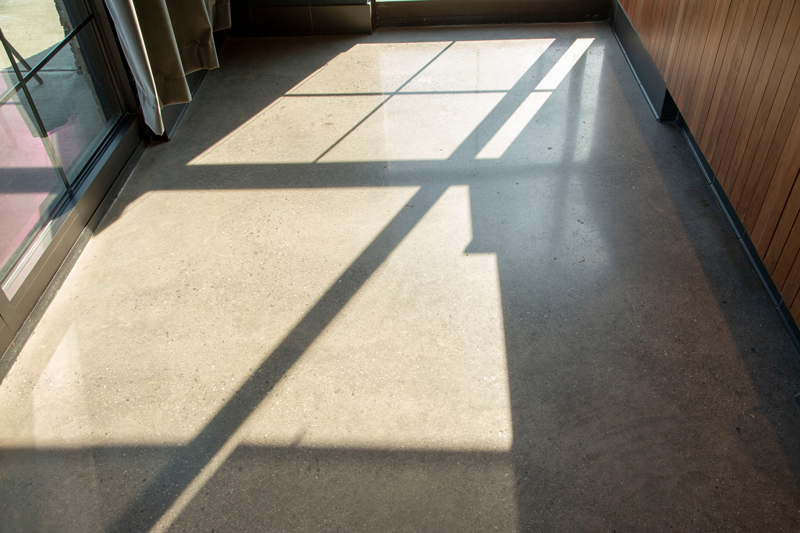
Polished concrete floor cleaning is the process of removing dust, dirt, stains, and debris from polished concrete floors without damaging the shine, concrete surface, or long-term protection of the floor.
For commercial spaces, the best way to maintain polished concrete is to use consistent daily cleaning, clean water, safe cleaning products, and scheduled professional maintenance based on foot traffic, soil load, and the type of business using the space.
Polished concrete is common in retail stores, offices, restaurants, schools, warehouses, showrooms, and industrial facilities because it is durable, low maintenance, and clean-looking. But even a strong concrete floor can become dull when dirt, chemicals, spills, and poor cleaning methods are allowed to build up over time.
Why Polished Concrete Floors Need the Right Commercial Cleaning Plan
Polished concrete floors are built for daily use, but they still need a planned maintenance routine. In a commercial building, floors deal with people walking in from outside, carts, equipment, food spills, moisture, dust, and constant traffic patterns.
A good cleaning plan protects the polished concrete surface before it starts showing visible wear. It also helps facility managers avoid the common problem of cleaning the floor every day but still seeing haze, dull spots, or streaks.
Before choosing a cleaner or machine, it helps to understand how commercial traffic affects polished concrete floors.
How polished concrete floors handle daily foot traffic in commercial spaces
Polished concrete can perform well in high traffic areas because the concrete surface is refined and finished to create a smooth, dense floor. This makes it a practical option for many commercial environments.
Common spaces that use polished concrete include:
| Commercial space | Common floor stress |
| Retail stores | Customer traffic, carts, tracked-in dirt |
| Restaurants | Food spills, grease, water, stains |
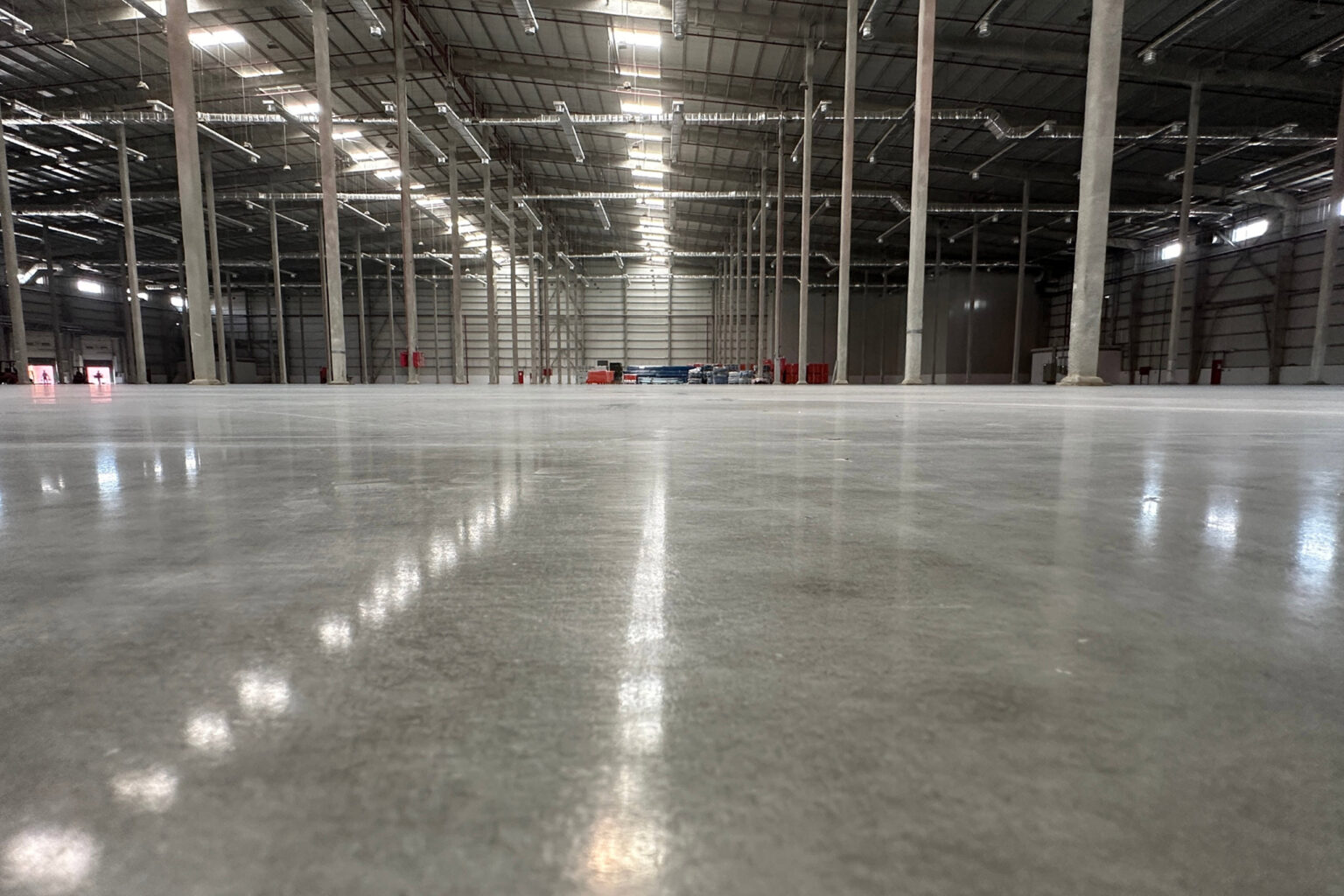
| Warehouses | Dust, equipment, pallet movement |
| Offices | Foot traffic, entryway soil, scuffs |
| Schools | Hallway traffic, spills, daily cleaning needs |
| Industrial facilities | Debris, abrasion, machine traffic |
Even though polished concrete is resistant to many forms of wear, small particles of dirt and grit can act like sandpaper under shoes, carts, or equipment. Over time, that abrasion can reduce the shine and create dull walk paths.
Why a polished concrete floor can lose shine, clarity, and surface protection over time
A polished concrete floor usually loses shine because of repeated small issues, not one major event. The surface may become dull from dirty mop water, harsh chemicals, residue from the wrong cleaning products, or aggressive scrubbing.
Common causes include:
- Dust and debris left on the floor before wet cleaning
- Dirty mop water spread across the surface
- Acidic or high-alkaline chemicals
- Bleach or vinegar-based cleaners
- Cleaning products that leave film
- Pads that are too aggressive for polished concrete
- Spills that sit too long
- Lack of regular professional maintenance
The floor may still be structurally strong, but the polished surface can look cloudy, scratched, or uneven.
The difference between regular janitorial cleaning and commercial floor maintenance
Regular janitorial cleaning is usually focused on daily appearance. That may include sweeping, mopping, trash removal, and spot cleaning.
Commercial floor maintenance goes further. It considers the type of floor, the cleaning solution, the equipment, the traffic level, and the long-term condition of the surface. For a polished concrete floor, this difference matters because the wrong cleaning method can slowly reduce the finish.
A scheduled commercial floor maintenance plan can help businesses match cleaning frequency to the floor type, traffic level, and building use instead of relying on one routine for every surface.
Once the purpose of the cleaning plan is clear, the next step is understanding what makes polished concrete different from other concrete floor surfaces.
What Makes Polished Concrete Different From Other Concrete Floor Surfaces?
Polished concrete is not the same as raw concrete, sealed concrete floors, or coated concrete. Each concrete floor type has a different surface, and each one responds differently to water, chemicals, mopping, and scrubbing.
The main goal with polished concrete is not only to clean the floor. The goal is to clean it while preserving the polished finish, sheen, and surface clarity.
Polished concrete vs sealed concrete vs unfinished concrete floor surfaces
A concrete surface can look similar from a distance, but the maintenance needs may be very different.
| Floor type | What it means | Cleaning concern |
| Polished concrete | Mechanically refined concrete with a smooth finish | Protect shine and avoid residue |
| Sealed concrete floors | Concrete protected by a sealer | Avoid damaging the sealer |
| Unfinished concrete | Raw or lightly treated concrete | More likely to absorb stains |
| Coated concrete | Concrete covered with epoxy or another coating | Cleaning must match the coating system |
Cleaning polished concrete floors requires more care than cleaning unfinished concrete because the surface appearance is part of the value of the floor.
Why surface densification, finish level, and traffic patterns matter
Polished concrete may have a satin, semi-gloss, or high-gloss finish. A higher shine can make a space look cleaner and brighter, but it can also show dust, streaks, scratches, and dull spots more easily.
Traffic patterns also affect maintenance. Entrances, hallways, checkout areas, elevator zones, and pathways between departments usually need more attention than low-use corners.
A good maintenance plan should focus more effort on the areas where the floor works hardest.
Common commercial spaces that use polished concrete floors
Polished concrete is often used in spaces where businesses want a durable floor that is easy to maintain and attractive enough for customers or visitors.
It is common in:
- Retail stores
- Grocery stores
- Office lobbies
- Restaurants and breweries
- Warehouses
- Industrial facilities
- Schools and universities
- Showrooms
- Fitness centers
- Property-managed common areas
When businesses are still comparing surface options, a broader look at commercial flooring options can help explain why polished concrete is often selected for durability, longevity, and ease of maintenance.
After identifying the surface type, the next step is building the right cleaning process.
The Best Way to Approach Polished Concrete Floor Cleaning
The best way to handle polished concrete floor cleaning is to remove dry soil first, clean with a suitable solution, use clean water, and avoid leaving residue behind.
In commercial spaces, polished concrete should be cleaned in a sequence. Dry soil removal comes first. Wet cleaning comes second. Professional maintenance supports the floor when routine cleaning is no longer enough to restore shine.
Start with dry soil removal before wet cleaning
Dust, dirt, and debris should be removed before damp mopping or machine scrubbing. If loose soil is left on the floor, the mop or machine can drag it across the polished surface.
Useful tools include:
- Microfiber dust mop
- Soft bristle broom
- Hard-floor vacuum
- Entrance mats
- Dust control systems in larger facilities
This simple step reduces abrasion and helps the floor stay clean longer after mopping.
Use clean water to prevent haze, streaks, and residue buildup
Clean water is one of the most important parts of cleaning polished concrete floors. Dirty water can spread soil and chemicals across the surface, leaving a dull film.
For better results:
- Change mop water often
- Rinse mop heads regularly
- Avoid flooding the floor
- Use a light mist for small spot cleaning
- Remove dirty solution instead of letting it dry
- Let the surface dry without standing water
A floor that looks cloudy after cleaning is often not dirty because it was ignored. It may be dirty because the wrong water, mop, or solution was used.
Match cleaning frequency to traffic, spills, and business type
A quiet office does not need the same cleaning schedule as a busy restaurant, retail store, or warehouse. Cleaning frequency should match how the space is used.
| Traffic level | Recommended approach |
| Low traffic | Daily dust removal, damp mop as needed |
| Moderate traffic | Daily dust removal, weekly damp mop or auto-scrub |
| High traffic areas | Daily dust removal, regular machine cleaning |
| Spill-prone areas | Immediate spot cleaning and more frequent wet cleaning |
Facilities with steady customer movement may also benefit from ideas used in retail floor maintenance, especially around entryway soil control, traffic paths, and routine professional care.
Once the cleaning method is set, daily and weekly routines become easier to follow.
Daily and Weekly Cleaning Polished Concrete Floors in Commercial Buildings
Daily and weekly cleaning polished concrete floors is about consistency. The floor usually does not lose its appearance overnight. It becomes dull when soil, residue, scratches, and stains are allowed to build up over time.
A steady routine helps maintain the surface and reduces the need for heavier corrective work later.
Daily dust mopping and debris removal
Daily cleaning should begin with dry soil removal. This is especially important near entrances, lobbies, production areas, hallways, and customer paths.
A simple daily routine may include:
- Dust mop main walkways
- Remove visible debris
- Spot clean spills
- Check entrance mats
- Look for sticky or dull areas
- Report stains, scratches, or damage early
This routine is easy, but it protects the polished surface from repeated abrasion.
Weekly auto-scrubbing for high-traffic polished concrete floors
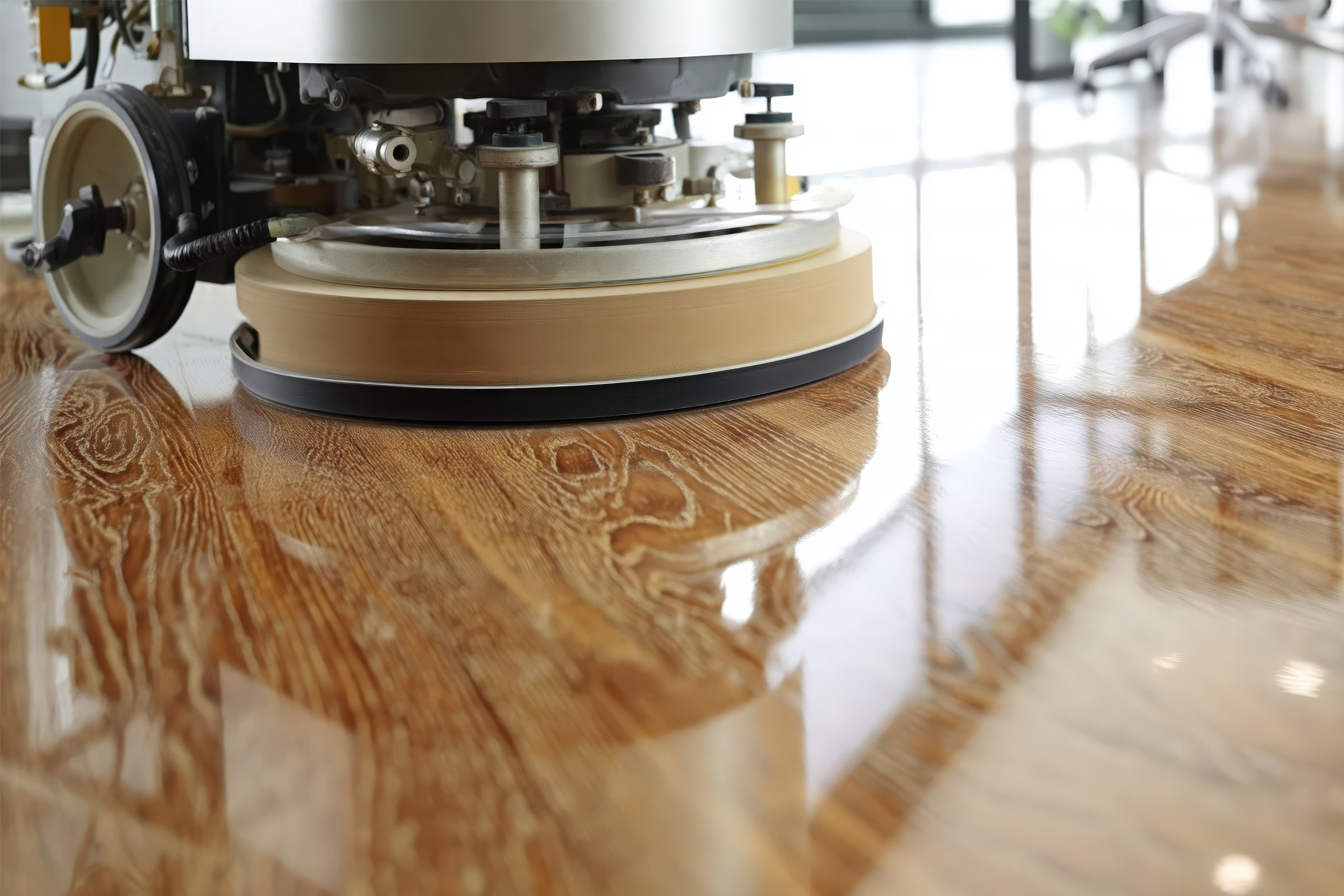
In larger commercial spaces, a damp mop may not be efficient enough. Auto-scrubbing can clean more evenly and remove dirty solution from the surface before it dries.
The machine should use the right pad and cleaning solution for polished concrete. A pad that is too aggressive can create fine scratches and reduce sheen.
Auto-scrubbing is especially useful for:
- Retail aisles
- School hallways
- Warehouse traffic lanes
- Grocery stores
- Large office lobbies
- Industrial facilities
The goal is to clean efficiently without over-scrubbing the finish.
Spot cleaning spills before they stain or dull the surface
Spills should be cleaned quickly, even on polished concrete. Some liquids can leave stains, sticky residue, or dull marks if they sit too long.
Common spill risks include:
- Coffee
- Soda
- Sauces
- Grease
- Wine
- Oil
- Cleaning chemicals
- Hand sanitizer
- Food residue
For most small spills, start with clean water and a clean cloth or damp mop. If residue remains, use a pH neutral cleaner approved for polished concrete. Do not let the solution dry on the floor.
The success of this routine depends heavily on choosing the right cleaning products.
Choosing the Right Cleaning Products for Polished Concrete
Cleaning products can protect polished concrete or slowly damage it. For routine maintenance, a pH neutral cleaner is usually the safest option when used correctly.
The cleaner should remove dirt without leaving residue, dulling the shine, or affecting the polished concrete surface.
Why pH-neutral cleaning products are usually the safer choice
A pH neutral cleaner is balanced enough for regular use on many finished hard floors. It helps remove soil without being too acidic or too alkaline.
A good cleaner should:
- Be suitable for polished concrete
- Work with a damp mop or machine scrubber
- Leave little to no residue
- Be used at the correct dilution
- Rinse cleanly when needed
- Support the floor’s appearance over time
Using extra chemical does not make the floor cleaner. Too much solution can leave film, which attracts more dust and makes the floor look dull.
Cleaning products to avoid on polished concrete floors
Some cleaning products can damage or dull polished concrete. Avoid using:
- Bleach
- Vinegar
- Citrus-based cleaners
- Pine-based cleaners
- Strong degreasers unless approved
- Abrasive powders
- Oil soaps
- Ammonia-heavy products
- Random all-purpose cleaners with unknown pH levels
If a product is not clearly safe for polished concrete, test it in a small hidden area or ask a professional before applying it across the floor.
How residue from the wrong cleaner can reduce shine and traction
Residue forms a thin film over the surface. That film catches dust, shows footprints, reduces clarity, and can make the floor feel sticky.
It can also affect traction because the floor is no longer truly clean at the surface level. This is one reason some floors look worse after mopping. The issue may not be the concrete. It may be the product, dilution, water, or mop.
The next section covers the cleaning mistakes that cause many polished concrete floors to lose their appearance.
Common Polished Concrete Floor Cleaning Mistakes That Damage Appearance
Most polished concrete cleaning problems come from repeated habits. A floor can be cleaned daily and still look dull if the method is wrong.
Correcting these mistakes can improve the floor’s appearance and reduce the need for heavy restoration.
Using dirty mop water instead of clean water
Dirty mop water spreads soil across the floor. It can leave streaks, haze, and residue that reduce shine.
To prevent this:
- Change mop water before it becomes cloudy
- Use clean mop heads
- Rinse tools after use
- Avoid spreading dirty solution from one area to another
- Use an auto-scrubber for larger floor areas when possible
Clean water is simple, but it makes a major difference.
Overusing harsh chemicals, degreasers, or acidic cleaners
Harsh chemicals may remove a stubborn stain, but they can also dull the polished concrete surface. Acidic cleaners can etch the floor. Strong alkaline products can leave residue or affect surface protection.
For routine cleaning, the better approach is usually dry soil removal, a properly diluted pH neutral cleaner, clean water, and proper drying.
Scrubbing with pads that are too aggressive for the finish
A polished concrete floor should not be scrubbed like raw concrete. Aggressive pads can create micro-scratches. These scratches may not be obvious at first, but over time they reduce clarity and sheen.
Use pads designed for polished concrete and match the pad to the floor’s finish level.
Ignoring entry mats and tracked-in grit
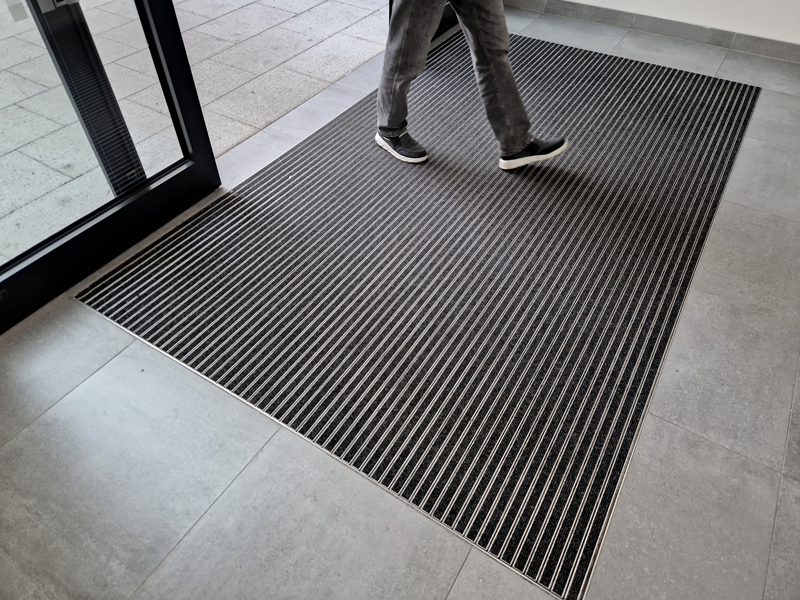
Entry mats help reduce the amount of dirt, dust, and moisture that reaches the floor. They are especially important in rainy or winter conditions when shoes track in grit, salt, and water.
A dirty mat can become a source of soil, so mats should be cleaned, replaced, or rotated as needed.
When these mistakes have already caused dullness, scheduled professional maintenance can help bring the floor back to a cleaner and more consistent appearance.
Professional Maintenance for Polished Concrete Floors
Professional maintenance helps protect polished concrete when daily cleaning is no longer enough. This may include machine cleaning, burnishing, residue removal, gloss improvement, or adjustments to the floor care process.
For commercial buildings, professional help is useful because polished concrete often covers large areas and has different wear zones across the same property.
When polished concrete needs more than routine cleaning
A polished concrete floor may need professional attention when:
- The floor looks dull after cleaning
- Traffic lanes are visible
- Stubborn stains keep returning
- The surface feels sticky
- Shine is uneven
- Scratches are becoming noticeable
- Cleaning products leave residue
- The space has heavy foot traffic or equipment movement
These signs do not always mean the floor is permanently damaged. Often, the cleaning method needs to be corrected or the surface needs a deeper maintenance process.
How professional maintenance helps restore gloss and surface consistency
Professional maintenance can help remove buildup, improve clarity, restore sheen, and make the floor look more consistent from one area to another.
This may involve:
- Using the right machine
- Selecting the right pads
- Removing residue
- Adjusting cleaning solution strength
- Burnishing the surface when appropriate
- Improving the daily cleaning plan
The goal is not to use the strongest method. The goal is to use the safest effective method for the floor’s condition.
Why commercial equipment matters for large floor areas
Large commercial floors require consistent pressure, clean solution flow, soil recovery, and proper drying. A mop may work for small areas, but it is not always efficient for thousands of square feet.
Commercial equipment can clean more evenly and remove dirty water from the surface instead of spreading it around. This is especially important in high traffic areas where dirt builds up quickly.
A full commercial floor cleaning service can support buildings that need more than basic mopping, especially when floor appearance affects customers, tenants, employees, or visitors.
After deciding whether professional maintenance is needed, the next question is how often the floor should be cleaned.
How Often Should a Commercial Concrete Floor Be Cleaned and Maintained?
A commercial concrete floor should be cleaned based on traffic, soil, stains, equipment use, and the level of appearance the business wants to maintain.
There is no single schedule for every polished concrete floor. A warehouse, restaurant, office lobby, and retail store may all use polished concrete, but their cleaning needs are different.
Suggested schedule for offices, retail stores, restaurants, schools, and warehouses
| Facility type | Daily cleaning | Weekly cleaning | Professional maintenance |
| Office lobby | Dust mop and spot clean | Damp mop or auto-scrub | Quarterly or as needed |
| Retail store | Dust mop, remove debris, clean spills | Auto-scrub traffic paths | Monthly or quarterly |
| Restaurant | Clean spills, remove food debris | Deeper cleaning for residue | Scheduled based on grease and traffic |
| School | Dust mop hallways, spot clean | Machine clean corridors | Seasonal or scheduled service |
| Warehouse | Remove dust and debris | Auto-scrub traffic lanes | Based on equipment and soil load |
| Industrial facility | Control dust, spot clean spills | Machine clean work zones | More frequent service if soil load is heavy |
Facilities that need help preparing for scheduled service can reduce disruption by clearing access, moving small items, and planning work around business hours. A practical floor cleaning preparation process can make maintenance easier for both the cleaning team and the business.
Signs your polished concrete floor needs professional attention
Watch for:
- Dull walk paths
- Haze after mopping
- Streaks
- Sticky residue
- Stubborn stains
- Visible scratches
- Loss of shine near entrances
- Dust returning quickly after cleaning
- Uneven sheen between high-use and low-use areas
The sooner these signs are addressed, the easier it is to protect the floor.
How seasonal weather, salt, moisture, and foot traffic affect maintenance needs
Maintenance needs can change during the year. Rain brings moisture and mud. Winter conditions can bring salt, grit, and slush. Busy retail seasons can increase customer traffic. Schools and offices may need deeper cleaning during breaks or slower periods.
A flexible plan works better than one fixed schedule for the entire year.
The value of this planned approach becomes clearer when looking at appearance, longevity, and daily building operations.
Benefits of a Scheduled Polished Concrete Maintenance Plan
A scheduled maintenance plan helps keep polished concrete floors clean, consistent, and easier to manage. Instead of waiting until the floor looks dull, the building receives care before problems become harder to fix.
This is especially useful for commercial spaces with customer traffic, large floor areas, or limited in-house cleaning staff.
Better appearance for customers, staff, and visitors
Floors affect how a business feels. Customers may not think about polished concrete directly, but they notice when a space looks clean, bright, and well maintained.
A clean polished floor can support a better first impression in:
- Retail stores
- Office lobbies
- Restaurants
- Showrooms
- Schools
- Property-managed buildings
When the floor is dull or streaked, the whole space can look less professional.
Longer floor life and fewer expensive restoration needs
Regular maintenance helps reduce abrasion, residue buildup, and long-term dullness. This may help extend the useful life of the polished concrete surface and reduce the need for more intensive restoration later.
It is usually easier to maintain shine than to recover it after months or years of poor cleaning methods.
Cleaner, safer, and more consistent commercial spaces
Scheduled cleaning also creates consistency. The team knows what needs to be cleaned, which products to use, how often the floor should be serviced, and when professional help is required.
A clear plan can support:
- Facility managers
- Property managers
- Retail operators
- Restaurant teams
- School maintenance staff
- Warehouse managers
- Industrial facility teams
This is where commercial cleaning becomes more than a task. It becomes part of protecting the building.
The final step is choosing the right floor cleaning partner for the space.
Why Work With a Commercial Floor Cleaning Company for Polished Concrete?
A commercial floor cleaning company can help identify the right cleaning methods, products, equipment, and schedule for polished concrete floors. This is important because polished concrete is durable, but the wrong maintenance process can still damage its appearance.
A good provider should understand floor type, traffic level, cleaning chemistry, equipment, and long-term maintenance planning.
Site-specific cleaning plans for your building and traffic level
Every building uses its floors differently. A retail store may need frequent cleaning near entrances and checkout areas. A warehouse may need more attention in traffic lanes. A restaurant may need better spill response and residue control.
A site-specific plan should consider:
- Type of business
- Foot traffic
- Soil load
- Spill risk
- Floor finish
- Cleaning frequency
- Available cleaning windows
- Budget and long-term goals
This prevents the common mistake of treating every floor the same way.
Proper equipment, cleaning products, and maintenance methods
The right equipment and products can make polished concrete cleaning more efficient and safer for the surface.
This may include:
- Microfiber dust mops
- Soft bristle broom options
- pH neutral cleaner
- Auto-scrubbing equipment
- Non-aggressive pads
- Burnishing equipment when appropriate
- Clean water processes
- Spot cleaning methods
The right method should clean the floor without leaving residue, scratches, or dull patches.
How Scher Flooring Services can support polished concrete floor cleaning and ongoing maintenance
Scher Flooring Services works with commercial spaces that need reliable floor cleaning and maintenance support. For polished concrete, that means helping businesses keep the surface clean, presentable, and easier to maintain through practical cleaning methods and scheduled service.
The right plan can reduce dullness, improve day-to-day appearance, and help commercial floors hold up better under real business conditions.
FAQs About Polished Concrete Floor Cleaning
Polished concrete floor cleaning is simple when the right method is used, but many problems come from using the wrong cleaner, too much water, or aggressive scrubbing. These FAQs answer the common questions commercial property owners and facility managers ask.
What is the best way to clean polished concrete floors?
The best way to clean polished concrete floors is to remove dust and debris first, then clean with a damp mop or auto-scrubber using clean water and a pH neutral cleaner when needed. Avoid harsh chemicals, dirty mop water, and aggressive scrub pads.
Can you mop polished concrete with only clean water?
Yes, clean water can be used for light daily cleaning or spot cleaning. However, water alone may not remove oily soil, sticky residue, or stubborn stains. In those cases, a properly diluted pH neutral cleaner is usually a better option.
What cleaning products are safe for polished concrete floors?
A pH neutral cleaner designed for finished hard floors is usually the safest choice for polished concrete. Avoid bleach, vinegar, citrus cleaners, abrasive powders, and strong degreasers unless they are approved for polished concrete.
How often should polished concrete floors be professionally maintained?
Professional maintenance depends on traffic level and floor condition. Busy retail stores, restaurants, warehouses, and industrial facilities may need more frequent service than low-traffic office spaces. Many commercial buildings benefit from scheduled monthly, quarterly, or seasonal maintenance.
Why do polished concrete floors look dull after cleaning?
Polished concrete floors may look dull after cleaning because of dirty mop water, chemical residue, harsh cleaners, aggressive pads, or leftover dust and debris. If the dullness continues after proper cleaning, the floor may need professional maintenance.
Conclusion
Polished concrete is a strong, attractive, and low maintenance flooring option for commercial spaces, but it still needs the right care. The floor’s shine, cleanliness, and longevity depend on daily dust removal, clean water, safe cleaning products, quick spill response, and scheduled professional maintenance.
The best way to protect polished concrete floors is to treat cleaning as a system. Dry soil should be removed before wet cleaning. Mop water should stay clean. Cleaning products should match the surface. High traffic areas should receive more attention. Stubborn stains, dullness, and residue should be addressed before they become bigger problems.
For offices, retail stores, restaurants, warehouses, schools, and industrial facilities, a practical maintenance plan can help keep polished concrete clean, professional, and easier to manage over the long term.
Stay Updated!
Sign up for email updates and stay in the loop about about our services and promotions.
We’re here to answer any questions you have about our commercial floor cleaning, restoration, and maintenance services.
Get a Free Quote Today!
Scher Flooring Services is a locally and family owned and operated commercial floor cleaning, maintenance and restoration company in business for over 25 years.
"*" indicates required fields