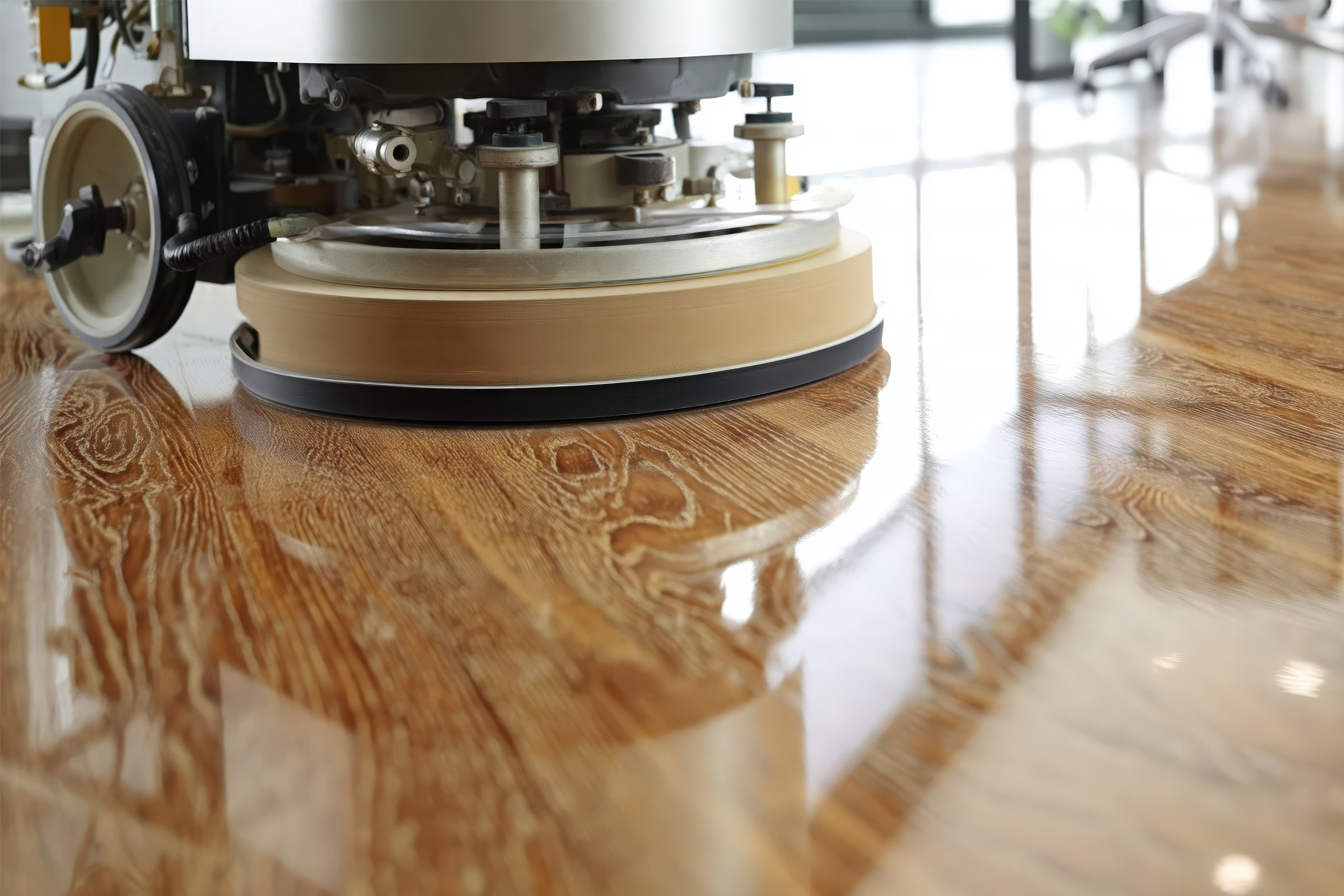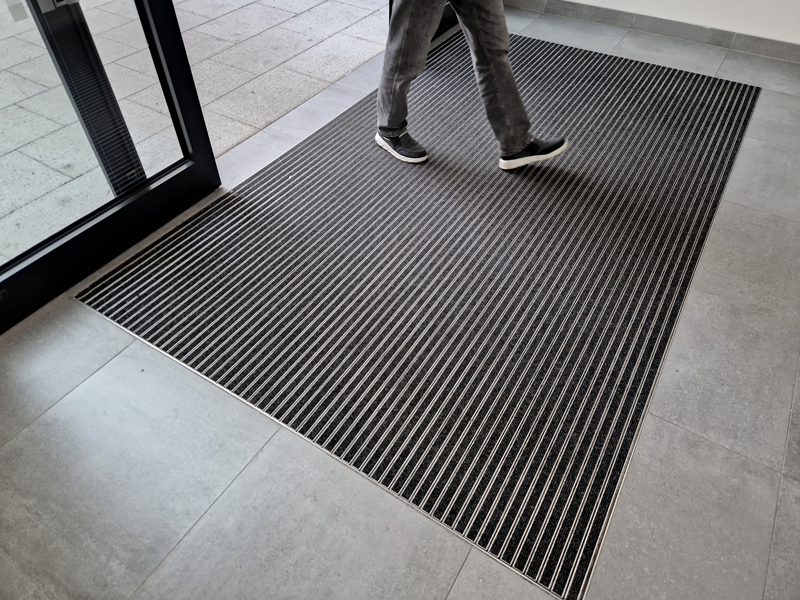
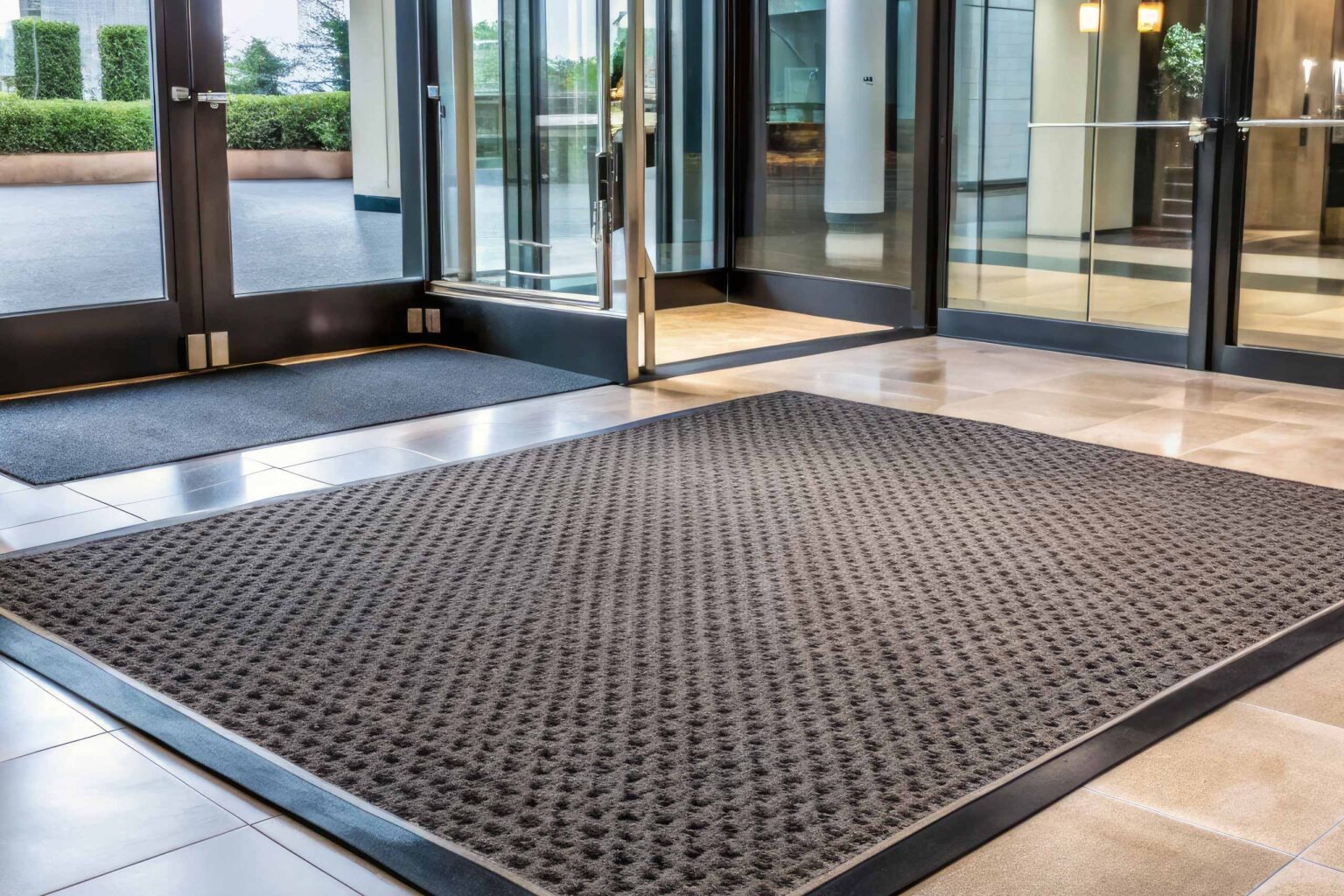
If you need to choose a commercial floor cleaning company in Maryland, the right provider should understand your flooring type, traffic level, building schedule, safety needs, and long-term maintenance goals.
The best commercial cleaning services for floors are not limited to basic commercial cleaning. A strong floor care company should evaluate the site, recommend the correct cleaning method, protect your flooring investment, and help your building maintain a clean, safe, professional appearance across every season.
One quick search-intent note: this guide is about Virginia as a Mid-Atlantic service area. It is not related to Virginia Woolf, Vita Sackville-West, or their love affair, which sometimes appear in mixed keyword exports when the word “Virginia” is pulled without local service context. Here, the focus remains on cleaning, buildings, maintenance, safety, facility needs, Maryland, DC, and Virginia commercial floors.
Why Choosing the Right Commercial Floor Cleaning Company Matters
Choosing a commercial floor cleaning company is not just a maintenance decision. It affects how your building looks, how safe your floors feel, how long your flooring lasts, and how much money you spend over time. For offices, schools, restaurants, healthcare facilities, government buildings, gyms, retail stores, theaters, music venues, apartment communities, and houses of worship, floors handle constant foot traffic, dust, spills, moisture, salt, scuffs, and daily wear.
A good provider helps you maintain floors before they become expensive problems. A poor provider may use the wrong tools, rush the job, damage floor finish, leave residue behind, or create more work for your employees after the cleaning crew leaves.
Before comparing companies, it helps to understand why commercial floor cleaning is different from ordinary janitorial work.
Clean Floors Affect Safety, Appearance, and Long-Term Flooring Costs
Commercial floors are part of the customer experience. Visitors often notice dull floors, stained carpet, sticky tile, or dirty grout before they notice wall paint, furniture, or signage. Clean floors make a building feel managed. Dirty floors can make even a well-run operation look neglected.
Floor condition also affects safety. Dirt, moisture, old finish, loose debris, and improper cleaning products can increase slip risks. In a facility with employees, customers, patients, students, tenants, or guests, safety cannot be treated as an afterthought.
There is also a cost issue. Flooring replacement is expensive. Regular cleaning, deep scrubbing, carpet extraction, polishing, refinishing, stripping and waxing, and scheduled maintenance can help extend the useful life of the floor. Over a long time period, the right maintenance plan usually costs less than neglect, emergency restoration, or premature replacement.
Why Commercial Floors Need More Than Basic Janitorial Cleaning
Janitorial teams handle daily responsibilities such as trash removal, restroom cleaning, dusting, spot mopping, and light vacuuming. That work is important, but it is not the same as professional floor care.
Commercial floors often need:
- Soil removal below the surface level
- Grout cleaning and residue extraction
- Carpet cleaning methods matched to fiber and soil load
- VCT stripping, waxing, burnishing, and recoating
- Rubber floor restoration
- Wood floor cleaning and finish-sensitive care
- Equipment that can handle large square footage
- Work scheduled around business operations, sometimes at night
- A separate plan for high-traffic areas, entrances, hallways, kitchens, and restrooms
A janitorial team may keep the building presentable day to day, while a floor care company protects the flooring system itself.
How the Wrong Cleaning Method Can Damage VCT, LVT, Carpet, Tile, Rubber, and Wood Floors
Every floor type reacts differently to moisture, chemicals, abrasion, heat, and equipment pressure. Using one cleaning method on every surface is one of the fastest ways to shorten floor life.
For example:
| Floor type | Common mistake | Possible result |
| VCT | Skipping finish maintenance | Dull appearance, exposed tile, heavier restoration |
| LVT | Using overly aggressive pads | Scratches, haze, surface wear |
| Carpet | Over-wetting or poor extraction | Odor, residue, wick-back stains |
| Tile and grout | Mopping without extraction | Dirty grout lines, residue buildup |
| Rubber | Using incompatible chemicals | Sticky feel, discoloration, loss of appearance |
| Wood | Excess moisture or wrong cleaner | Swelling, dull finish, surface damage |
The right commercial floor cleaning company should understand the form and function of each flooring material before recommending a process.
Next, it helps to separate general commercial cleaning from specialized commercial floor cleaning.
What Does a Commercial Floor Cleaning Company Actually Do?
A commercial floor cleaning company cleans, restores, protects, and maintains flooring surfaces in business and institutional buildings. The work may include one-time deep cleaning, scheduled maintenance, restorative cleaning, finish removal, finish application, carpet extraction, grout cleaning, and floor care planning.
The best companies do not simply arrive with a mop and machine. They inspect the facility, identify floor types, review traffic patterns, ask about business hours, and recommend a cleaning plan based on use, soil level, safety needs, and budget.
Commercial Cleaning vs Commercial Floor Cleaning: What Is the Difference?
Commercial cleaning is a broad service category. It may include offices, restrooms, break rooms, windows, trash, surfaces, and general building cleanliness.
Commercial floor cleaning is more specialized. It focuses on the condition, appearance, protection, and maintenance of flooring materials.
Here is the difference in simple terms:
| Service type | Main focus | Typical work |
| Commercial cleaning | Overall building cleanliness | Dusting, trash, restrooms, surface cleaning, light mopping |
| Commercial floor cleaning | Floor condition and long-term floor care | Carpet cleaning, tile cleaning, VCT stripping and waxing, rubber floor cleaning, wood floor care, maintenance plans |
A facility may need both. The janitorial company may handle daily upkeep, while the floor care company handles deep and restorative work.
Common Commercial Cleaning Services for Floors
Floor-related commercial cleaning services may include:
- Commercial carpet cleaning
- Carpet spot treatment
- VCT stripping and waxing
- LVT cleaning and maintenance
- Tile and grout cleaning
- Stone floor cleaning and protection
- Rubber floor cleaning
- Hardwood and engineered wood cleaning
- Urethane finished wood floor care
- Floor buffing and burnishing
- Floor scrubbing and recoating
- Ongoing maintenance plans
When reviewing a provider, look for a service list that matches your building. Scher Flooring’s commercial floor cleaning services page is a good example of how commercial floor care can be organized by surface type and maintenance need.
Floor Maintenance, Deep Cleaning, Restoration, and Scheduled Care Explained
These terms are often used together, but they mean different things.
| Term | Meaning | Example |
| Maintenance | Routine care that keeps floors in good condition | Monthly burnishing, quarterly deep scrubbing |
| Deep cleaning | Cleaning beyond daily janitorial work | Carpet extraction, tile and grout cleaning |
| Restoration | Bringing a worn floor closer to its original condition | Stripping and waxing VCT, refinishing rubber |
| Scheduled care | A planned service calendar | Weekly, monthly, quarterly, or annual maintenance |
A professional company should be able to explain where your floor sits today and what level of care it needs next.
Once you understand what these services include, the next step is knowing when your building actually needs them.
Key Signs Your Business Needs Professional Commercial Floor Cleaning
Commercial floors usually show signs of trouble before they fail. A floor may still be usable, but it may no longer look clean, feel safe, or respond well to normal cleaning. Facility managers often notice these signs in entrances, hallways, restrooms, cafeterias, lobbies, elevators, classrooms, patient areas, and employee work zones.
The goal is to act before a small issue becomes a large restoration project.
Dull, Worn, or Uneven Floor Finish
A dull floor often means the protective layer has worn down. On VCT and some other resilient flooring, finish protects the surface from traffic, dust, grit, and moisture. When the finish becomes thin or uneven, the floor may look patchy even after mopping.
Signs include:
- Cloudy appearance
- Uneven shine
- Traffic lanes through hallways
- Scratches near entrances
- Finish buildup around edges
- Floors that look dirty shortly after cleaning
This is often a sign that the floor needs deep scrubbing, recoating, burnishing, or a full strip and wax service.
Stains, Odors, and Embedded Soil in Carpeted Areas
Commercial carpet traps soil, dust, allergens, moisture, and spills. Vacuuming is important, but it cannot always remove deeply embedded soil or odors.
Professional carpet cleaning may be needed when:
- Stains keep returning
- Carpet smells musty
- Traffic lanes look darker
- Carpet feels sticky or stiff
- Employees complain about dusty rooms
- Entrance mats are no longer controlling soil
- Spot cleaning creates rings or uneven patches
For buildings with office carpet, carpet tile, hallways, classrooms, or common areas, scheduled commercial carpet cleaning can help maintain appearance and reduce premature wear.
Dirty Grout Lines, Slippery Tile, or Cloudy Hard Surfaces
Tile and grout often look clean after mopping, but grout lines can hold soil and detergent residue. Over time, this creates dark lines, unpleasant odors, and a floor that never looks fully clean.
Common warning signs include:
- Grout lines turning dark
- Sticky or slippery tile
- Dull ceramic or porcelain
- Residue near kitchens, restrooms, and entrances
- Soil buildup in textured tile
A professional commercial tile floor cleaning process can remove buildup more effectively than repeated mopping.
High-Traffic Wear Near Entrances, Hallways, Lobbies, and Restrooms
Traffic patterns tell a clear story. The areas used most often will wear faster. In Maryland, DC, and Virginia buildings, seasonal moisture, rain, salt, leaves, dust, and outside soil often enter through main doors and loading areas.
High-risk areas include:
- Building entrances
- Reception areas
- Elevator lobbies
- Long corridors
- Restroom entrances
- Cafeterias and break rooms
- Checkout lanes
- Gym walkways
- Hotel lobby paths
- School hallways
These areas may need a different frequency than low-traffic rooms.
Floor Problems That Keep Coming Back After Regular Cleaning
If the same stains, odors, slippery spots, dull areas, or dust problems keep returning, daily cleaning may not be enough. The problem may be residue, worn finish, embedded soil, improper chemicals, or poor dry soil removal.
A professional floor cleaning company should identify why the problem keeps coming back. That response is more valuable than simply cleaning the same area again and again.
After noticing these signs, the next question becomes how to choose the right provider in your region.
How to Choose a Commercial Floor Cleaning Company in Maryland
To choose a commercial floor cleaning company in Maryland, look for commercial experience, local service coverage, floor-specific knowledge, clear communication, and a maintenance plan that matches your facility. Maryland businesses often operate in buildings with mixed flooring, heavy seasonal traffic, and tight scheduling needs, so the company should be able to plan ahead instead of offering a one-size-fits-all service.
This is especially important for businesses that also manage locations in DC or Virginia, where one reliable regional partner can simplify scheduling and service consistency.
Look for Experience With Local Commercial Facilities
Commercial buildings in Maryland, DC, and Virginia face different conditions than residential homes. A local provider should understand:
- Salt and moisture tracked in during winter
- Pollen and dust during spring
- Rainy-day entrance issues
- Heavy office traffic in business corridors
- Healthcare and school safety needs
- After-hours scheduling in active buildings
- Multi-site property management needs
A company that works in local commercial settings will usually ask better questions during the estimate.
Check Whether They Serve Maryland, DC, and Virginia Businesses
Service coverage matters, especially if you manage more than one location. Scher Flooring’s service areas include Maryland, Virginia, and Washington DC, which is useful for regional facilities that want consistent standards across sites.
This can help businesses in places such as Rockville, Bethesda, Gaithersburg, Frederick, Baltimore, Alexandria, Arlington, Fairfax, Reston, Tysons, Leesburg, and Washington DC keep one floor care process instead of managing separate vendors for every location.
Ask About Experience With Your Specific Flooring Type
Do not hire a floor cleaning company only because they clean buildings. Ask if they have direct experience with your flooring material.
Your building may include:
- Carpet tile in offices
- VCT in corridors
- LVT in retail areas
- Tile and grout in restrooms
- Rubber flooring in gyms
- Wood flooring in lobbies
- Urethane finished floors in activity spaces
- Stone floors in hospitality or government buildings
The right company should explain the correct method for each surface in clear language.
Review Their Commercial Service Range Before Comparing Prices
Price matters, but the service range matters first. A company that only offers general cleaning may not be equipped for floor restoration, stripping, waxing, burnishing, or scheduled maintenance.
Before comparing quotes, review whether the company provides:
- Floor inspection
- Surface-specific recommendations
- Cleaning and restoration options
- Preventive maintenance
- Flexible scheduling
- Safety planning
- Communication before and after work
- Support for one facility or multiple buildings
A cheap quote that excludes key work may cost more later.
Make Sure They Understand High-Traffic Building Needs
High-traffic floors need a different plan than low-use spaces. A professional company should ask about:
- Daily visitor volume
- Employee count
- Peak operating hours
- Weather exposure
- Entry matting
- Food service areas
- Restroom traffic
- Delivery routes
- Special events
- Cleaning responsibilities handled by internal staff
The provider should build a plan around real building use, not just square footage.
Once you know what to look for in a company, the next step is matching their expertise to your exact floor types.
Commercial Floor Types a Cleaning Company Should Know How to Maintain
A strong commercial floor cleaning company should understand the full life cycle of different flooring materials. The right method for carpet may be wrong for rubber. The right process for VCT may damage wood. Even two hard floors can require different chemicals, pads, dwell times, drying methods, and finish systems.
Before you sign a contract, make sure the company can maintain the surfaces in your building.
Commercial Carpet and Carpet Tile
Commercial carpet needs regular vacuuming, spot treatment, and periodic deep cleaning. Dirt and grit can settle into fibers and act like sandpaper under foot traffic. Over time, this can flatten carpet, create traffic lanes, and reduce its life.
Ask the company:
- Which carpet cleaning methods do you use?
- Do you offer low-moisture or extraction options?
- How do you handle stains and recurring spots?
- How long will the carpet need to dry?
- Can you clean after hours or by section?
For office buildings, schools, hotels, and property management spaces, carpet care should be part of a larger maintenance plan.
Vinyl Composition Tile, VCT, and Strip and Wax Floors
VCT is common in commercial facilities because it is durable and cost-effective, but it depends on finish protection. When the finish wears down, the tile can become dull, stained, scratched, or harder to clean.
A professional provider should understand:
- Dry soil removal
- Scrubbing
- Buffing
- Burnishing
- Stripping
- Waxing or finish application
- Recoating
- Dry time and traffic control
If your facility has VCT or LVT, review the company’s VCT and LVT cleaning, stripping, and waxing experience before approving the work.
Luxury Vinyl Tile and Luxury Vinyl Plank
LVT and LVP are popular in offices, retail spaces, healthcare areas, and multi-family buildings. They often look like wood or stone, but they still need professional cleaning methods that protect the surface layer.
A floor cleaning company should avoid overly aggressive pads and harsh chemicals unless the manufacturer allows them. Ask how the provider removes buildup, restores appearance, and maintains the floor without damaging the surface.
Ceramic Tile, Porcelain Tile, Stone, and Grout
Tile can be durable, but grout is porous and can collect soil, moisture, grease, detergent residue, and bacteria. Restaurants, restrooms, locker rooms, healthcare areas, and building entrances often need deeper cleaning than a mop can provide.
A proper tile and grout cleaning plan may include:
- Pre-treatment
- Agitation
- Soil suspension
- Extraction
- Rinsing
- Drying
- Protective treatments where appropriate
The goal is not only to make tile shine, but to remove buildup from grout lines and textured areas.
Rubber Flooring for Gyms, Healthcare, Schools, and Fitness Facilities
Rubber flooring is common in gyms, fitness centers, schools, therapy areas, and healthcare buildings. It is durable, but it can collect body oils, sweat, dust, scuffs, and embedded soil.
A commercial rubber floor cleaning company should know how to clean rubber without leaving it sticky, dull, or slippery. Rubber may need routine cleaning, deep scrubbing, extraction, and sometimes finish or restoration work depending on the product.
Hardwood, Engineered Wood, and Specialty Commercial Floors
Wood floors need careful moisture control and finish-aware cleaning. A product that works on tile may damage wood. A process that works on residential hardwood may not be right for a large commercial space.
For lobbies, offices, event spaces, restaurants, and specialty interiors, ask whether the company has experience with engineered wood floor cleaning or urethane finished wood floor maintenance.
After confirming surface expertise, the next step is asking the right questions before hiring.
Questions to Ask Before Hiring a Commercial Floor Cleaning Company
The questions you ask before hiring a company will tell you a lot about how they operate. A reliable provider should answer clearly, explain trade-offs, and show interest in your building’s actual needs. A vague answer may be a sign that the company is selling labor, not floor care expertise.
Use these questions during the walkthrough, estimate, or vendor review process.
Do You Provide an On-Site Floor Evaluation?
A phone estimate may be useful for a rough range, but commercial floor cleaning should usually begin with a site visit. The company should inspect the floor type, soil level, damage, layout, edges, traffic patterns, access points, and scheduling restrictions.
A good evaluation should consider:
- Square footage
- Flooring material
- Existing finish condition
- Stains, scuffs, and buildup
- Moisture exposure
- Furniture or equipment
- Business hours
- Safety barriers
- Drying time
- Access to water and power
Without a proper evaluation, the quote may not match the real work.
What Cleaning Methods Do You Recommend for Our Flooring?
The company should explain the method in simple terms. You do not need a technical lecture, but you should understand what will happen to your floor.
Ask:
- Will the floor be scrubbed, extracted, polished, burnished, stripped, or recoated?
- What products will be used?
- How will residue be removed?
- How will corners and edges be handled?
- What results should we expect?
- What limitations should we know about?
A professional answer should sound specific to your facility, not copied from a script.
Do You Offer Customized Maintenance Plans?
One-time cleaning can help, but many buildings need scheduled care. Scher Flooring’s custom floor maintenance plans are a useful model because floor care should be based on traffic, floor type, budget, and operating schedule.
A maintenance plan may include:
- Daily recommendations for in-house staff
- Weekly or monthly floor care
- Quarterly deep cleaning
- Annual restoration
- Seasonal entrance care
- Service reminders
- Documentation by location
- Adjustments after busy seasons
The goal is to prevent avoidable damage rather than react after the floor looks worn.
Can You Work Around Business Hours or After Hours?
Many commercial facilities cannot shut down during the day. Restaurants, clinics, offices, schools, hotels, and retail stores may need cleaning at night, early morning, weekends, or during planned closures.
Ask the provider:
- Do you offer night work?
- Can you clean in phases?
- How long before floors can reopen?
- How do you block off work zones?
- Can you coordinate with security or building management?
- What happens if an area is not ready?
Scheduling should be part of the plan, not an afterthought.
What Equipment, Products, and Safety Steps Do You Use?
The company should use professional-grade equipment and safe work practices. This includes the right machines, pads, extractors, vacuums, chemicals, signage, barriers, and drying procedures.
Important safety questions include:
- How do you prevent slip hazards during work?
- How do you manage wet areas?
- What ventilation is needed?
- How do you protect walls, baseboards, furniture, and elevators?
- Do you train employees on commercial floor work?
- How do you handle occupied buildings?
Safety matters for the cleaning team, your employees, and visitors.
How Do You Handle Large Facilities or Multiple Locations?
If you manage several buildings, one location should not look clean while another falls behind. A regional company should be able to handle site-by-site planning.
Ask:
- Can you create a service calendar for every location?
- Will we have one point of contact?
- Can you provide separate reporting by site?
- How do you handle urgent requests?
- Can you standardize methods across locations?
- Can you manage Maryland, DC, and Virginia facilities together?
For property managers and regional operations, this can save time, reduce confusion, and create consistency.
Can You Explain the Expected Results Before Work Begins?
A trustworthy company will tell you what is realistic. Some floors can be restored beautifully. Others may have permanent damage, deep stains, worn finish, adhesive problems, or age-related issues.
Before approving the job, ask:
- What improvement should we expect?
- What may not come out?
- Will the floor need follow-up service?
- How long should the results last?
- What should our team do after the service?
Clear expectations prevent frustration later.
After asking these questions, you can evaluate the quality of the actual service offer.
What to Look for in Commercial Cleaning Services for Floors
A good commercial floor cleaning proposal should be clear, specific, and practical. It should explain what will be cleaned, how it will be cleaned, when it will be cleaned, and what your team needs to do before and after the service.
The best providers make the process easier for facility managers, not more complicated.
A Clear Scope of Work
A scope of work should explain:
- Which areas are included
- Which surfaces are included
- What method will be used
- Whether furniture moving is included
- Whether stain treatment is included
- Whether finish or protective coating is included
- Drying or curing time
- Access needs
- Exclusions
- Price and schedule
If the quote only says “floor cleaning,” ask for more detail.
Proper Equipment for Commercial Spaces
Commercial facilities need equipment that can handle larger spaces, heavier soil, and tighter timelines. This may include:
- Commercial vacuums
- Automatic scrubbers
- Extractors
- Burnishers
- Floor machines
- Wet vacuums
- Low-moisture systems
- Specialty pads and brushes
- Safety signage and barriers
The equipment should match the floor, not just the contractor’s convenience.
Knowledge of Floor Finish, Soil Load, Moisture, and Foot Traffic
A good provider thinks about the full floor system. The issue is not only dirt. It may be soil load, finish wear, moisture intrusion, poor matting, heavy traffic, improper chemical use, or a cleaning schedule that does not match the building.
During the walkthrough, listen for questions about:
- Where traffic enters
- Which areas wear first
- How often the floor is mopped
- What products are used now
- Whether the floor has been sealed or finished
- When it was last deep cleaned
- Whether there are recurring stains or odors
These details help create a better plan.
Reliable Scheduling and Communication
Commercial floor cleaning affects operations. A company should communicate before, during, and after the job.
Good communication includes:
- Confirmed service dates
- Arrival windows
- Preparation instructions
- Contact person
- After-hours access details
- Work zone plans
- Completion updates
- Follow-up recommendations
If a company is hard to reach before the contract, it may be harder to reach after the work begins.
Before-and-After Expectations
Before-and-after expectations matter because not every floor can look new after one cleaning. Ask whether the company can provide a demo, sample area, or written explanation of expected results.
This is especially helpful for:
- Old VCT
- Heavily stained carpet
- Rubber gym flooring
- Tile with deep grout staining
- Worn wood surfaces
- High-traffic retail floors
- Restaurant kitchen or bar areas
A small test area can help you understand the likely outcome.
Maintenance Recommendations After Cleaning
A good company should not leave you guessing after the work is complete. They should recommend how to maintain the floor between professional visits.
Recommendations may include:
- Daily vacuuming
- Dust mopping
- Entry mat care
- Spot cleaning process
- Proper mop solution
- Burnishing frequency
- Deep cleaning schedule
- When to call for service again
Strong aftercare advice is often the difference between a short-term clean and long-term floor performance.
Once you know what a good service should include, it becomes easier to avoid common mistakes.
Commercial Cleaning Mistakes That Can Shorten the Life of Your Floors
Many floor problems come from small mistakes repeated over months or years. A business may believe it is saving money with quick cleaning, but the wrong process can create dull floors, damaged finish, carpet odor, sticky tile, or premature replacement.
Knowing these mistakes helps you choose a company that prevents them.
Using the Same Cleaning Process on Every Floor Type
No single product, pad, or machine is right for every commercial floor. VCT, carpet, tile, rubber, LVT, and wood all need separate cleaning logic.
A company that treats every floor the same may create problems such as:
- Scratches
- Haze
- Residue
- Finish damage
- Color changes
- Poor drying
- Sticky surfaces
- Reduced floor life
The provider should match the method to the material.
Over-Wetting Carpet or Wood Surfaces
Too much water can be a serious problem. In carpet, over-wetting may lead to odor, wick-back stains, slow drying, and residue. In wood, excess moisture may affect the surface or seams.
Ask how the company controls moisture, drying time, ventilation, and extraction. This is especially important in occupied buildings where rooms need to reopen quickly.
Using Harsh Chemicals on Sensitive Flooring
Harsh chemicals may seem effective at first, but they can damage surfaces or leave residue. Sensitive floors such as rubber, LVT, and finished wood need compatible products.
A professional company should understand:
- pH levels
- Manufacturer guidance
- Finish compatibility
- Residue control
- Rinse requirements
- Safety data
- Ventilation needs
The goal is to clean effectively without damaging the asset.
Skipping Regular Deep Cleaning in High-Traffic Areas
Daily cleaning helps, but it may not remove embedded soil. Entrances, hallways, cafeterias, elevators, lobbies, and restrooms often need deeper care on a planned schedule.
Skipping deep cleaning can lead to:
- Worn finish
- Dark traffic lanes
- Dirty grout
- Carpet odor
- Slip concerns
- Expensive restoration
- Lower visitor confidence
A plan should focus more attention where the floor works hardest.
Waiting Until Floors Look Damaged Before Calling a Professional
Many businesses wait until floors look bad before calling for help. By then, the floor may need more aggressive restoration.
A better approach is preventive maintenance. If your floors are still in decent condition, a scheduled care plan can help preserve them. If they are already worn, a professional can recommend restoration and then help you avoid the same problem again.
Next, you need to compare quotes without falling into the lowest-price trap.
How to Compare Commercial Floor Cleaning Quotes
Comparing quotes is not only about price. It is about scope, method, timing, materials, labor, results, safety, and long-term value. Two quotes may look similar but include very different levels of service.
A fair comparison starts with understanding what each company is actually offering.
Why the Lowest Price Is Not Always the Best Option
The cheapest quote may leave out important steps. It may not include edge work, spot treatment, proper extraction, finish application, drying time, or follow-up recommendations.
A low quote can become expensive if it leads to:
- Poor results
- Floor damage
- Repeat cleaning
- Business disruption
- Faster finish wear
- Carpet replacement
- Safety complaints
- Frustrated employees or visitors
The best value is a company that protects your floor, not just one that charges less today.
What Should Be Included in a Floor Cleaning Estimate?
A strong estimate should include:
- Areas to be cleaned
- Square footage or room list
- Flooring types
- Cleaning method
- Product or finish details when relevant
- Furniture moving details
- Schedule
- Drying or curing time
- Safety steps
- Price
- Payment terms
- Maintenance recommendations
If anything is unclear, ask before signing.
Comparing One-Time Cleaning vs Ongoing Maintenance Plans
One-time cleaning is useful for special events, seasonal cleanup, move-ins, move-outs, or visible buildup. Ongoing maintenance is better for buildings that need consistent floor appearance and safety.
| Option | Best for | Limitation |
| One-time cleaning | Immediate improvement, event prep, neglected floors | Results may fade if daily care is poor |
| Ongoing maintenance | High-traffic buildings, multi-site facilities, long-term floor protection | Requires planning and budget commitment |
| Restoration plus maintenance | Worn floors that need reset and ongoing care | Higher initial service need |
For many facilities, the smartest plan is a restoration service followed by scheduled maintenance.
How Facility Size, Flooring Type, Soil Level, and Scheduling Affect Cost
Commercial floor cleaning cost depends on several factors:
- Total square footage
- Floor type
- Soil level
- Stain severity
- Furniture and equipment
- Number of rooms or floors
- Access restrictions
- Night or weekend scheduling
- Product and finish requirements
- Frequency of service
- Travel between locations
A company should explain why the price is what it is. That transparency helps you plan your budget.
Red Flags in a Commercial Floor Cleaning Quote
Be cautious if a company:
- Gives a quote without asking about floor type
- Cannot explain its method
- Offers one process for every surface
- Avoids discussing drying time
- Uses vague language
- Does not mention safety
- Cannot provide a clear scope
- Pushes unnecessary services
- Has no plan for recurring maintenance
- Does not ask about business hours
The right company should make you feel informed before work begins.
After comparing quotes, think about the type of facility you operate because each environment has different floor care needs.
Choosing a Company for Different Commercial Facilities
Different buildings need different floor care plans. A restaurant does not have the same flooring challenges as a law office. A school does not operate like a hotel. A healthcare facility has different cleaning and safety concerns than a retail store.
A good commercial floor cleaning company should understand your industry, not just your floor material.
Office Buildings and Corporate Spaces
Office buildings often include carpet tile, hard surface corridors, restrooms, break rooms, elevators, and lobby flooring. The main priorities are appearance, dust control, odor control, safety, and low disruption.
Look for a company that can:
- Clean carpet after hours
- Maintain lobbies and hallways
- Protect conference room flooring
- Reduce dust and soil buildup
- Coordinate with building management
- Work around employees and visitors
Office floor cleaning should be quiet, organized, and predictable.
Restaurants, Cafeterias, and Food Service Areas
Restaurants and food service spaces deal with grease, spills, crumbs, moisture, employee traffic, and customer expectations. Floors need to look clean and feel safe.
A floor cleaning company serving restaurants should understand:
- Dining room appearance
- Kitchen and service-area soil
- Grease and residue
- Tile and grout buildup
- After-hours scheduling
- Safety around wet floors
- Odor control
For food service buildings, restaurant and bar floor maintenance should support both presentation and daily operations.
Healthcare Facilities and Senior Living Communities
Healthcare facilities, clinics, assisted living communities, and senior care buildings require careful planning. Floors may include rubber, LVT, sheet vinyl, carpet, tile, and specialty surfaces.
Important needs include:
- Safety perimeters
- Infection-sensitive work zones
- Low-disruption scheduling
- Cleanliness expectations
- Patient and resident comfort
- Staff movement
- Slip prevention
- Odor control
A provider with healthcare floor cleaning experience will usually be better prepared for occupied clinical or assisted living environments.
Schools, Universities, and Daycare Facilities
Schools and universities may have nearly every floor type in one campus: VCT, carpet, tile, rubber, gym flooring, cafeteria floors, classrooms, restrooms, offices, and entryways.
The provider should be able to plan around:
- School calendars
- Summer maintenance
- Winter break cleaning
- September back-to-school preparation
- Student safety
- Heavy hallway traffic
- Classroom furniture
- Cafeteria soil
- Gym and activity spaces
A campus-focused education floor maintenance plan can help keep floors cleaner during the school year and easier to restore during breaks.
Gyms, Fitness Centers, and Recreation Clubs
Gyms and fitness centers often have rubber flooring, turf, carpet, tile, locker rooms, and high-moisture areas. Sweat, body oils, dust, and constant movement make floor cleaning more demanding.
A provider should understand:
- Rubber flooring care
- Odor control
- Locker room tile
- Fitness equipment zones
- High foot traffic
- Safe reopening times
- Member experience
For fitness facilities, the wrong cleaning product can make rubber floors sticky or dull, so surface-specific knowledge matters.
Retail Stores, Showrooms, and Customer-Facing Spaces
Retail floors influence first impressions. Customers may not consciously study the floor, but they notice whether the store feels clean, bright, and well maintained.
Retail floor care should focus on:
- Entrances
- Checkout lanes
- Aisles
- Fitting rooms
- Display areas
- Seasonal traffic
- Cart marks
- Scuffs
- Slip concerns
- Brand appearance
A retail floor maintenance strategy should support customer experience and operational efficiency.
Apartment Buildings, Condos, and Property Management Portfolios
Property managers need consistency across lobbies, hallways, elevators, leasing offices, stairwells, clubhouses, gyms, and shared spaces. Tenants and prospects judge the property by its common areas.
A property management floor care provider should offer:
- Recurring schedules
- Site-by-site service planning
- Quick response for problem areas
- Carpet and hard surface care
- Entryway maintenance
- Communication with managers
- Support for multiple buildings
For portfolios, one reliable partner can reduce vendor management work.
Different facilities need different plans, and local conditions also affect how those plans should be built.
Why Local Experience Matters in Maryland, DC, and Virginia
Local experience matters because floors in Maryland, DC, and Virginia buildings face regional weather, traffic, building types, and scheduling demands. A company that works in this area will better understand seasonal soil, moisture, salt, pollen, dense urban buildings, suburban campuses, government spaces, and regional property portfolios.
A local provider can also respond faster and plan service around real operating conditions.
Regional Weather, Moisture, Salt, Dirt, and Seasonal Floor Wear
Floors in this region deal with changing seasons. Winter can bring salt and moisture. Spring can bring pollen and mud. Summer can increase humidity and foot traffic. Fall can bring leaves, rain, and outdoor debris.
These conditions affect:
- Entry mats
- Lobby floors
- Carpet traffic lanes
- Tile grout
- VCT finish
- Rubber flooring
- Wood surfaces
- Stairways and corridors
A good company should adjust the plan based on seasonal conditions, not treat every month the same.
Busy Metro-Area Buildings Need Flexible Scheduling
DC, Maryland, and Northern Virginia include offices, schools, hospitals, government sites, apartment communities, restaurants, hotels, and retail centers with busy schedules.
The provider may need to work:
- At night
- Early morning
- On weekends
- During school breaks
- Between tenant move-ins
- Before inspections
- Ahead of events
- In separate phases
Flexible scheduling helps keep buildings open while floors are maintained.
Multi-Location Businesses Benefit From One Reliable Floor Care Partner
Companies with locations in Maryland, DC, and Virginia often waste time managing multiple vendors. One company may clean the Maryland site, another may clean Virginia, and another may handle DC. That creates inconsistent results.
A single regional floor care partner can help with:
- Consistent service standards
- One contact
- Easier scheduling
- Better documentation
- Standard methods
- More predictable budgeting
- Clear accountability
This matters for schools, healthcare groups, retail chains, property managers, and businesses with multiple offices.
Why a Local Commercial Floor Cleaning Company Can Respond Faster
Local companies understand the roads, neighborhoods, building types, and service expectations in the area. They are often better positioned for site visits, urgent floor issues, seasonal planning, and recurring schedules.
Fast response is valuable when a floor issue affects:
- Safety
- Customer experience
- Tenant complaints
- Inspection readiness
- Event preparation
- Business operations
Local experience becomes even more valuable when paired with the right service frequency.
How Often Should Commercial Floors Be Professionally Cleaned?
The right cleaning frequency depends on floor type, traffic, industry, weather, soil load, and appearance standards. Some floors need monthly attention. Others may need quarterly, semi-annual, or annual service. High-traffic zones may need more frequent care than private rooms or low-use offices.
The best schedule is based on observation, not guesswork.
Recommended Frequency for Commercial Carpet Cleaning
Commercial carpet should be vacuumed often, usually daily in high-traffic areas. Professional cleaning frequency depends on use.
| Facility type | Suggested professional carpet cleaning frequency |
| Low-traffic office | 1 to 2 times per year |
| Busy office or property common areas | 2 to 4 times per year |
| Schools and daycare spaces | Quarterly or during breaks |
| Healthcare or senior living | Quarterly or as needed |
| Hotels and hospitality | Monthly to quarterly in high-use areas |
| Entrances and lobbies | More frequent spot or extraction service |
Traffic lanes and entrances often need extra attention.
Recommended Frequency for VCT Stripping, Waxing, and Burnishing
VCT needs daily dust control and periodic professional maintenance. The schedule depends on finish condition and traffic.
Common patterns include:
- Burnishing: weekly, bi-weekly, or monthly
- Scrub and recoat: quarterly or semi-annually
- Full strip and wax: annually or as needed
- High-traffic corridors: more frequent maintenance
- Low-use rooms: less frequent service
A professional should inspect the finish before recommending full stripping. Sometimes deep scrubbing and recoating may be enough.
Recommended Frequency for Tile and Grout Cleaning
Tile and grout should be cleaned daily in many commercial settings, but professional deep cleaning may be needed periodically.
Suggested frequency:
- Restrooms: quarterly or more often
- Restaurants and food areas: monthly to quarterly
- Office tile: 1 to 2 times per year
- Healthcare tile: quarterly or as needed
- Retail entrances: quarterly or seasonally
Grout condition is often the best visual clue.
Recommended Frequency for Rubber Floor Maintenance
Rubber flooring in gyms, clinics, schools, and fitness centers may need daily cleaning and periodic deep cleaning.
Suggested frequency:
- Daily dust and debris removal
- Weekly or monthly machine cleaning depending on use
- Quarterly deep cleaning for busy gyms
- Semi-annual or annual restorative care as needed
Rubber floors should be evaluated carefully because cleaning needs vary by manufacturer and surface texture.
How Foot Traffic Changes the Cleaning Schedule
Foot traffic is often more important than the building size. A small lobby with hundreds of visitors may need more service than a large private office with limited use.
Ask the company to separate your building into traffic zones:
| Zone | Example | Typical need |
| High traffic | Entrance, lobby, main hall | Frequent cleaning and finish care |
| Medium traffic | Offices, meeting rooms | Scheduled periodic cleaning |
| Low traffic | Storage, private rooms | Less frequent cleaning |
| Specialty zones | Kitchens, restrooms, gyms | Surface-specific cleaning |
A traffic-based schedule is usually more effective than one flat schedule for the entire building.
Once frequency is clear, your company can build a maintenance plan that protects the floor throughout the year.
What a Good Commercial Floor Maintenance Plan Should Include
A floor maintenance plan should give your business a clear path for keeping floors clean, safe, and presentable. It should not be a vague promise to “clean when needed.” It should identify surfaces, traffic zones, service frequency, responsibilities, communication, and long-term goals.
The best plans support daily cleaning while adding professional care at the right intervals.
Initial Floor Inspection and Condition Review
Every maintenance plan should begin with an inspection. The company should document:
- Floor types
- Approximate square footage
- Current condition
- Existing finish
- Stains and damage
- High-traffic zones
- Safety concerns
- Furniture and equipment challenges
- Current cleaning routine
- Budget priorities
This creates a starting point and helps avoid unnecessary services.
Daily, Weekly, Monthly, and Quarterly Floor Care Recommendations
A maintenance plan should separate tasks by frequency.
| Frequency | Example tasks |
| Daily | Vacuuming, dust mopping, spill cleanup, mat care |
| Weekly | Detailed edge cleaning, restroom floor attention, spot treatment |
| Monthly | Machine scrubbing, carpet touch-up, burnishing |
| Quarterly | Deep cleaning, scrub and recoat, grout cleaning, rubber floor care |
| Annual | Restoration, full strip and wax, major carpet extraction |
This helps the in-house team and professional provider work together instead of duplicating tasks.
Deep Cleaning and Restoration Planning
Not every floor needs restoration right away. Some need deep cleaning. Others need finish removal, recoating, or a full reset.
A professional plan should identify:
- What can be maintained
- What needs restoration
- What should be monitored
- What may need replacement in the future
- Which areas should be prioritized first
This helps you spend money where it matters most.
Seasonal Floor Maintenance for Maryland, DC, and Virginia Businesses
Seasonal planning is especially useful in this region.
A practical seasonal plan may include:
| Season | Floor care focus |
| Winter | Salt, moisture, entry mats, lobby floors |
| Spring | Pollen, dust, carpet cleaning, tile buildup |
| Summer | School breaks, deep restoration, humidity control |
| September | Back-to-school and post-summer building reset |
| Fall | Rain, leaves, entry areas, pre-winter finish protection |
This type of planning keeps your building ahead of seasonal wear.
Documentation, Communication, and Long-Term Floor Care Goals
A maintenance plan should also include communication. This may involve service reminders, completion notes, photos, site-specific details, and recommendations.
For larger facilities, documentation helps with:
- Budgeting
- Vendor management
- Quality control
- Employee responsibilities
- Safety records
- Future planning
- Multi-location consistency
With a clear plan in place, it becomes easier to see why a specialized provider like Scher Flooring Services can be a strong fit.
Why Scher Flooring Services Is a Strong Choice for Commercial Floor Cleaning
Scher Flooring Services focuses on commercial floor cleaning, restoration, and maintenance for businesses in Maryland, Virginia, and Washington DC. For companies that need more than basic janitorial cleaning, that specialization matters.
The brand’s service model fits facilities that need practical floor care, surface-specific cleaning, scheduled maintenance, and support for different commercial environments.
Commercial Floor Cleaning Experience Across Maryland, Virginia, and Washington DC
Scher Flooring serves businesses across Maryland, DC, and Virginia. That regional coverage is helpful for facility managers, property managers, and business owners who want one team familiar with local buildings and seasonal conditions.
Their service areas page gives businesses a clear way to check coverage by location.
Services for Carpet, VCT, Rubber, Wood, Tile, and Other Hard Surfaces
Scher’s commercial services cover a wide range of floor types, including:
- Carpet
- VCT and LVT
- Ceramic, tile, and stone
- Rubber flooring
- Engineered wood
- Urethane finished wood
- Custom maintenance plans
This is useful for commercial buildings with mixed flooring surfaces. Instead of hiring one company for carpet, another for VCT, and another for tile, a facility can work with one floor care provider that understands multiple materials.
Custom Maintenance Plans for Different Commercial Buildings
Commercial buildings do not all need the same schedule. A gym with rubber flooring, a restaurant with tile and grout, a school with VCT hallways, and an office with carpet tile each need a different plan.
Scher’s maintenance approach is built around scheduled care, traffic level, budget, and building needs. That makes it easier to maintain floors consistently instead of waiting for visible damage.
Free Demo and Floor Care Evaluation Options
A free demo or walkthrough can help businesses understand what is possible before committing to a larger project. This is especially useful when floors are worn, stained, dull, or uneven.
A demo can show:
- Expected improvement
- Whether stains are permanent
- Whether finish can be restored
- Which process works best
- What long-term maintenance may look like
For decision-makers, seeing a real sample area can make the choice clearer.
Before selecting any company, use a final checklist to confirm the provider is a good long-term fit.
Final Checklist: How to Choose the Right Commercial Floor Cleaning Company
Choosing the right commercial floor cleaning company comes down to fit. The company should fit your flooring, building type, location, schedule, safety expectations, budget, and long-term maintenance goals.
Use this checklist before signing a contract.
Confirm They Understand Your Floor Type
Ask whether the provider has experience with your exact surfaces. Do not accept a general answer if your building has specialty floors.
Check for experience with:
- Carpet and carpet tile
- VCT
- LVT
- Tile and grout
- Rubber flooring
- Wood floors
- Stone floors
- Urethane finished floors
The company should explain how each floor will be cleaned and maintained.
Confirm They Provide Commercial Cleaning Services, Not Just Basic Janitorial Work
General cleaning is useful, but commercial floor care requires deeper knowledge. Ask if the company provides restoration, stripping and waxing, carpet extraction, grout cleaning, rubber floor care, and scheduled maintenance.
A provider that only offers basic mopping and vacuuming may not be the right choice for long-term floor protection.
Confirm They Can Build a Maintenance Plan Around Your Building
The provider should consider your:
- Business hours
- Traffic levels
- Floor types
- Seasonal issues
- Safety needs
- Employee responsibilities
- Budget
- Location
- Special events
- Long-term goals
A customized plan is usually better than a fixed package.
Confirm They Communicate Clearly Before, During, and After Service
Good communication reduces stress. Before hiring, check whether the company provides clear estimates, scheduling details, preparation instructions, and aftercare guidance.
You should know:
- What will happen
- When it will happen
- What areas are included
- How long drying or curing will take
- What your team needs to do
- Who to contact with questions
Confirm They Can Support Your Business Long Term
The best commercial floor cleaning company is not only a vendor for one night. It is a maintenance partner that helps your building stay clean, safe, and professional over time.
Look for a company that can grow with your needs, support multiple locations, adjust schedules, and provide honest guidance as your floors age.
FAQs About Choosing a Commercial Floor Cleaning Company
These questions help summarize the main decisions business owners, facility managers, property managers, and office teams often have before hiring a commercial floor cleaning company.
How do I choose a commercial floor cleaning company in Maryland?
Choose a company with commercial floor experience, local Maryland service coverage, knowledge of your flooring type, clear estimates, flexible scheduling, and maintenance planning. The company should inspect your floor before recommending a service and should explain the expected results.
What is included in commercial cleaning services for floors?
Commercial floor cleaning services may include carpet cleaning, VCT stripping and waxing, LVT maintenance, tile and grout cleaning, rubber floor cleaning, wood floor cleaning, polishing, burnishing, deep scrubbing, restoration, and scheduled floor maintenance.
How often should a business schedule commercial floor cleaning?
Frequency depends on floor type and traffic. High-traffic areas may need monthly or quarterly care. Lower-traffic offices may need professional cleaning once or twice per year. Restaurants, schools, healthcare buildings, hotels, and gyms often need more frequent service.
Is commercial cleaning different from floor maintenance?
Yes. Commercial cleaning usually refers to general building cleaning. Floor maintenance focuses specifically on protecting, restoring, and extending the life of flooring surfaces. A building may need both services.
Should I hire a floor cleaning company or use my janitorial team?
Use your janitorial team for daily upkeep such as vacuuming, dust mopping, spill cleanup, and light mopping. Hire a professional floor cleaning company for deep cleaning, restoration, finish work, carpet extraction, grout cleaning, rubber floor care, and scheduled maintenance.
What questions should I ask before hiring a commercial floor cleaner?
Ask about floor inspections, cleaning methods, products, equipment, drying time, safety procedures, scheduling, experience with your floor type, maintenance plans, and expected results. A good company should answer clearly and provide a detailed scope of work.
Do commercial floor cleaning companies work after business hours?
Many professional commercial floor cleaning companies offer after-hours, night, weekend, or phased scheduling. This is important for offices, restaurants, healthcare buildings, schools, hotels, and retail facilities that cannot close during normal business hours.
What types of businesses need professional floor cleaning most often?
Businesses with heavy foot traffic need professional floor cleaning most often. This includes offices, schools, universities, restaurants, hotels, healthcare facilities, gyms, retail stores, government buildings, apartment communities, churches, and property management portfolios.
Stay Updated!
Sign up for email updates and stay in the loop about about our services and promotions.
We’re here to answer any questions you have about our commercial floor cleaning, restoration, and maintenance services.
Get a Free Quote Today!
Scher Flooring Services is a locally and family owned and operated commercial floor cleaning, maintenance and restoration company in business for over 25 years.
"*" indicates required fields