
Floor cleaning for mixed use commercial buildings is not the same as cleaning a single office suite or a small retail shop. These properties combine lobbies, corridors, retail storefronts, office buildings, restrooms, break rooms, elevators, and sometimes medical office or food-service areas under one roof.
That mix creates a real floor care challenge. Commercial floors in one part of the building may need daily maintenance, while another area may only need regular cleaning, periodic deep cleaning, or scheduled commercial floor maintenance. A good plan protects appearance, safety, indoor air quality, and the long-term flooring investment without disrupting tenants, visitors, customers, or staff.
Why floor cleaning for mixed use commercial buildings needs a different approach
Mixed-use commercial buildings need a zone-by-zone cleaning plan because every space has a different job. A lobby welcomes people from outside. A retail area handles shoppers, product displays, spills, and rolling loads. Office spaces collect loose dirt, coffee stains, dust, and soil from daily foot traffic. Using one routine across the entire property usually leaves some areas under-cleaned and others over-treated.
The goal is not just to make the building look neat. The goal is proper cleaning that matches the flooring materials, soil loading, traffic volume, and business use of each area.
Mixed-use buildings have more than one type of foot traffic
A building lobby may see hundreds of people each morning, especially in high traffic areas near entrances and elevators. Retail spaces may have shoppers moving in different directions all day. Office tenants may create concentrated traffic lanes between desks, conference rooms, restrooms, and break rooms.
This matters because foot traffic carries:
- Loose dirt
- Moisture
- Salt and grit
- Food particles
- Outdoor debris
- Oil from parking lots
- Dust from sidewalks
- Embedded soil that settles into carpet fibers
If soil removal is not handled early, it starts acting like sandpaper. It can dull floor finish, scratch hard floors, darken grout lines, and make commercial carpets look older than they are.
Lobbies, retail areas, and offices create different cleaning challenges
Each space has its own floor cleaning concerns.
| Area | Common floor issue | Cleaning priority |
| Lobby | Tracked-in dirt, moisture, dull finish | Appearance, slip resistance, daily maintenance |
| Retail | Spills, stains, sticky residue, rolling loads | Clean floors during business hours |
| Office | Dust, carpet wear, traffic lanes | Comfort, appearance, indoor air quality |
| Restrooms | Wet floors, grout discoloration, odor | Hygiene and slip hazard control |
| Break rooms | Food spills, stains, sticky hard floors | Frequent attention and proper cleaning |
| Corridors | Heavy traffic patterns | Scheduled floor care program |
A single damp mop routine cannot solve all of these issues. Carpet tile, vinyl composition tile, rubber flooring, natural stone, commercial carpets, hardwood floors, and tile surface areas all need different cleaning methods.
Why one cleaning routine rarely works for the entire property
A routine that works for VCT floors may damage hardwood floors. A cleaner that works on tile may be too harsh for natural stone. Excess water may be manageable on some hard floors but risky on wood, carpet tile, and certain adhesives.
That is why commercial floor cleaning should start with a floor inspection. A trained provider looks at flooring types, traffic patterns, stains, finish condition, cleaning chemistry, cleaning equipment, and the cleaning frequency needed for each zone.
Once the building is separated by use and floor type, the next step is understanding why commercial floors affect the property’s image, safety, and value.
How commercial floors affect the appearance, safety, and value of a mixed-use property
Floors are one of the first building features people notice, even when they do not realize it. Clean floors help a mixed-use property feel organized, maintained, and professionally managed. Dirty floors can make the same property feel neglected, even if the building itself is in good condition.
For property managers and business owners, commercial floor care is not cosmetic only. It supports safety, tenant satisfaction, customer experience, and flooring life.
First impressions start in the lobby
The lobby sets the tone for the entire property. People bring in rainwater, dust, leaves, salt, and grit from outside. If the lobby is not cleaned often enough, the floor can quickly show dull traffic lanes, scuff marks, and wet areas.
A strong lobby floor cleaning plan usually includes:
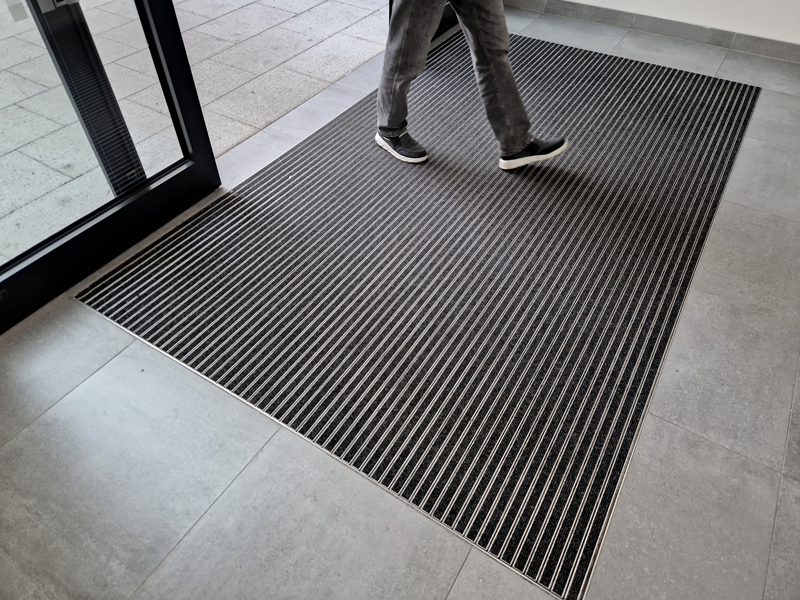
- Walk-off mats at entrances
- Frequent vacuuming or dust mopping
- Damp mop cleaning where appropriate
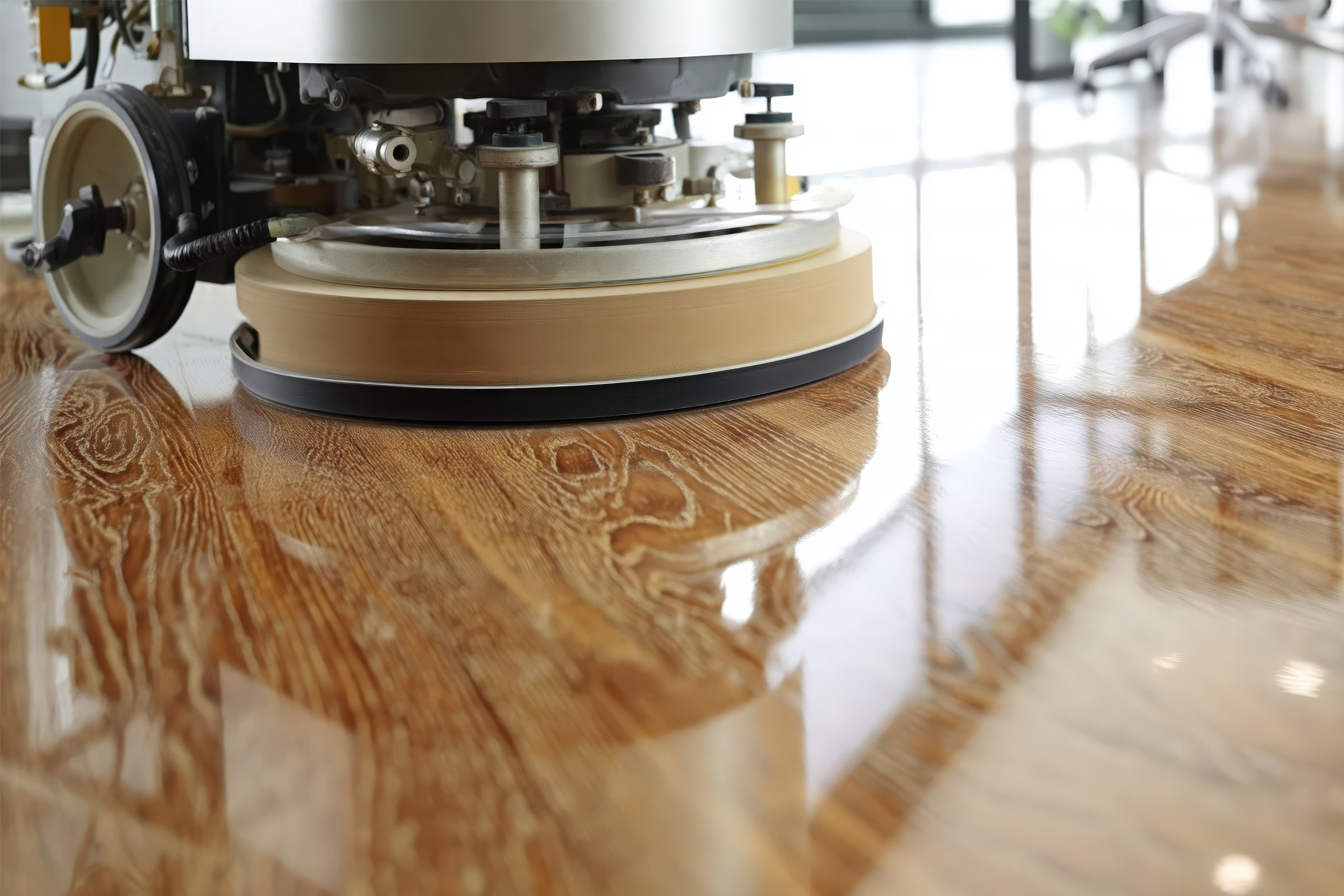
- Auto scrubbing for larger hard floors
- Periodic buffing or burnishing for finished VCT floors
- Spot treatment for stains or residue
If the lobby has tile or natural stone, grout lines need special attention. If it has carpet tile or walk-off carpet, vacuum regularly and schedule professional carpet cleaning before soil becomes embedded.
Retail floors need to stay clean without disrupting customers
Retail areas inside mixed-use buildings face a different problem. They need clean floors while people are actively shopping. Cleaning work has to be planned around customer hours, displays, product shelves, and employee movement.
Retail commercial floor cleaning often needs:
- Quick spill response
- Low-odor cleaning solutions
- Controlled wet mopping
- Cleaning equipment that fits tight aisles
- After-hours deep cleaning
- Floor finish protection in checkout areas
- Extra attention near entrances and fitting rooms
If you manage a retail space, the safest approach is usually a mix of regular cleaning during the day and deeper commercial floor maintenance after hours.
Office floors must support daily use, comfort, and professional appearance
Office floors may not always look as dirty as lobbies, but they collect plenty of soil. Commercial carpets can hold dust, allergens, and fine particles. Carpet fibers can flatten in traffic lanes. Carpet tile may shift in appearance when some sections age faster than others.
Hard floors in conference rooms, kitchens, and corridors may also show chair marks, coffee spills, or dull finish. Keeping these commercial spaces clean protects the daily work environment and helps tenants feel that the building is being cared for.
That connection between space, traffic, and material is why the next step is identifying the flooring types inside the property.
Common flooring types found in commercial facilities
Mixed-use commercial facilities rarely have one floor material throughout the building. A typical property may have tile in the lobby, carpet tile in office suites, VCT floors in corridors, rubber flooring in fitness rooms, and hard floors in restrooms or service areas.
Each material reacts differently to moisture, harsh chemicals, cleaning equipment, and daily wear.
VCT and LVT flooring in high-traffic common areas
Vinyl composition tile and luxury vinyl tile are common in large commercial facilities because they are durable, practical, and cost-effective. VCT often has a protective floor finish that helps guard the tile surface from foot traffic and damage.
For daily maintenance, dry soil removal and wet mopping may be enough for light surface dirt. But over time, VCT floors can become dull, scratched, or uneven. Periodic scrubbing, stripping, waxing, and refinishing may be needed to restore shine and rebuild protective layers.
If your property has aging vinyl floors, a planned commercial floor maintenance program can help avoid waiting until the floor looks worn out.
Carpet tile in offices, corridors, and shared workspaces
Carpet tile is popular in office buildings because damaged sections can often be replaced more easily than broadloom carpet. It also helps with sound control in conference rooms, shared workspaces, and tenant areas.
But carpet tile still needs proper cleaning. Vacuuming removes loose dirt from the surface, while deeper methods help remove embedded soil from the fibers. Low moisture extraction may be useful when areas need to reopen quickly. Hot water extraction may be better when soil is heavier and deeper cleaning is needed.
For offices with heavy use, commercial carpet cleaning should be part of the larger floor care program instead of being treated as an occasional emergency service.
Tile, stone, and grout in entrances, restrooms, and food-service areas
Tile and natural stone appear in many mixed-use buildings because they can handle moisture and heavy use. Still, grout lines are porous and can darken when soil, spills, and residue settle into them.
A standard mop may clean the top of the tile surface but miss the soil inside grout. Over time, this can make the floor look dirty even after regular cleaning.
Tile and stone floor cleaning may involve:
- Soil removal from grout lines
- pH neutral cleaning for sensitive surfaces
- Agitation with the right equipment
- Controlled rinsing
- Sealing or protection where appropriate
When tile, stone, and grout need more than daily cleaning, a service focused on commercial tile floor cleaning can help restore a cleaner appearance.
Commercial carpets in tenant suites, conference rooms, and lounge areas
Commercial carpets help make offices, waiting areas, and tenant lounges feel more comfortable. They also trap dust and particles that might otherwise stay airborne, which can support indoor air quality when the carpets are cleaned correctly.
The problem is that commercial carpets can hide soil until wear becomes visible. By the time traffic lanes look gray, embedded soil may already be abrading the fibers.
To keep commercial carpets clean, a plan should include:
- Backpack vacuums or commercial-grade vacuums
- Spot cleaning for spills
- Regular cleaning based on traffic
- Hot water extraction or other professional carpet cleaning methods
- Drying controls to avoid moisture problems
Once the property manager understands each material, the next question is how commercial floor cleaning fits into daily and long-term building maintenance.
The role of commercial floor cleaning in mixed-use building maintenance
Commercial floor cleaning is the day-to-day and scheduled process of removing soil, protecting floor materials, and keeping floors safe and presentable. In a mixed-use property, it works best when routine janitorial cleaning and professional commercial floor care support each other.
Daily tasks keep the building usable. Periodic deep cleaning protects the flooring investment.
Daily cleaning vs periodic deep cleaning
Daily cleaning usually includes vacuuming, dust mopping, damp mop work, spill cleanup, and restroom attention. These tasks remove loose dirt before it spreads across the building.
Periodic deep cleaning is different. It may involve hot water extraction for commercial carpets, machine scrubbing for hard floors, grout cleaning, VCT stripping and waxing, rubber floor restoration, or finish maintenance.
Both matter. Daily cleaning without periodic care lets soil build up. Deep cleaning without daily maintenance allows floors to get dirty again too quickly.
Removing soil before it damages flooring surfaces
Soil damage often happens slowly. Fine grit enters the building, gets walked across hard floors, settles into carpet fibers, and collects along edges and corners. Rolling loads from carts, chairs, deliveries, and equipment can press that soil deeper into the surface.
Good soil removal starts at the entry and continues through the building.
A basic soil control plan includes:
- Entrance matting
- Frequent vacuuming
- Dust mopping before wet mopping
- Microfiber mop systems
- Spot cleaning spills quickly
- Using the right equipment for each floor
- Adjusting frequency during rain, snow, or heavy tenant activity
Why professional commercial floor cleaning protects long-term flooring investment
Floor replacement is expensive. Cleaning is usually far more manageable when it is planned in advance. Professional cleaning helps extend the useful life of flooring materials by removing damaging soil, choosing the right cleaning chemistry, and applying the right process for each surface.
Scher Flooring Services works with businesses that need commercial floor cleaning, restoration, and maintenance across different materials, including carpet, VCT, LVT, tile, rubber, and wood. For mixed-use buildings, that matters because one provider can help coordinate the entire property instead of treating each area as a separate problem.
That coordination becomes especially important in the lobby, where outside soil enters first.
Commercial floor maintenance for lobbies and main entrances
Lobbies and main entrances need more frequent attention than most interior spaces. These areas collect dirt, moisture, salt, leaves, and debris before it moves into elevators, hallways, retail spaces, and offices.
A clean lobby is both an appearance issue and a safety issue.
How outside soil, moisture, and salt get tracked indoors
Every person entering the building brings something in on their shoes. On rainy days, that may be moisture. In winter climates, it may be salt and grit. Near parking lots, it may include oil residue or fine asphalt particles.
If these materials stay on the floor, they can:
- Scratch hard floors
- Wear down floor finish
- Stain carpet fibers
- Darken grout lines
- Create slip hazards
- Increase soil loading in nearby areas
That is why entrance areas often need frequent attention, especially during seasonal weather changes.
Matting, vacuuming, and hard-surface cleaning for entry zones
A good lobby plan starts before the soil reaches the finished floor. Proper matting captures a large amount of loose dirt and moisture. But mats only work when they are cleaned, rotated, and replaced as needed.
Daily lobby tasks may include:
- Vacuuming entry mats
- Removing loose dirt from corners
- Dust mopping hard floors
- Damp mop cleaning with the right solution
- Watching for wet spots
- Cleaning elevator thresholds
- Spot cleaning visible spills or shoe marks
The cleaning method should match the floor. For example, VCT may need a neutral cleaner and controlled wet mopping. Natural stone may need pH neutral cleaners. Hardwood floors should not receive excessive water.
When lobby floors need polishing, scrubbing, stripping, or refinishing
If a lobby floor looks dull even after cleaning, it may not be dirty at the surface level. The finish may be worn. In that case, stronger mopping will not fix the problem and may even damage flooring.
Signs the lobby may need restorative maintenance include:
- Uneven shine
- Gray traffic lanes
- Scuffs that return quickly
- Sticky residue
- Finish buildup near edges
- Worn paths near doors and elevators
For VCT and LVT areas, stripping, waxing, and scheduled maintenance can help restore appearance and protect the floor surface.
From the lobby, soil often moves into retail spaces, where cleaning must be balanced with customer traffic.
Commercial floor care for retail spaces inside mixed-use buildings
Retail floors inside mixed-use buildings have to look clean while supporting active business. Customers notice dirty floors, sticky surfaces, odors, and visible stains. Employees also need safe walking paths during busy hours.
This means commercial floor care for retail areas should focus on appearance, safety, scheduling, and fast response.
Managing spills, stains, and product-area debris
Retail spaces deal with many types of messes. Food and drink spills, product dust, packaging debris, tracked-in moisture, and adhesive residue can all affect the floor.
Spills should be handled quickly because they can create slip hazards and stain carpet or grout. Product-area debris should be removed before it gets crushed into the floor by foot traffic or rolling loads.
A retail floor care checklist may include:
- Daily vacuuming or dust mopping
- Spot cleaning spills
- Damp mop cleaning where appropriate
- More frequent cleaning near entrances and checkout areas
- Regular deep cleaning based on traffic
- After-hours machine cleaning for larger spaces
Cleaning around operating hours, displays, and customer traffic
Retail cleaning cannot always happen at a convenient time. Some work may need to happen before opening, after closing, or during low-traffic periods.
A good plan considers:
- Store hours
- Customer movement
- Fixture placement
- Product displays
- Drying time
- Odor control
- Noise from cleaning equipment
- Slip resistance after cleaning
For retail tenants and property managers, retail floor and carpet maintenance should be scheduled in a way that protects business operations.
Keeping clean floors without creating slip or odor issues
More cleaning is not always better if the wrong products are used. Harsh chemicals, harsh chemistry, excessive water, or leftover residue can make floors sticky, slippery, or unpleasant.
Proper cleaning uses the right cleaning solutions for the surface. In many hard floor areas, pH neutral cleaning is safer for routine maintenance. For carpet, the method must remove soil without overwetting the carpet or leaving residue behind.
Retail cleaning connects directly to tenant satisfaction, but office spaces need their own plan because their soil patterns are different.
Floor cleaning methods for office spaces and tenant areas
Office areas may not receive the same public traffic as lobbies or retail floors, but they are still high-use environments. People eat at desks, roll chairs over carpet tile, move between conference rooms, and bring in soil from hallways and parking areas.
The right cleaning methods depend on whether the office uses carpet, VCT, LVT, tile, wood, or a combination of surfaces.
Vacuuming and spot cleaning for commercial carpets
Commercial carpets and carpet tile should be vacuumed regularly. Vacuuming removes loose dirt before it settles deeper into the fibers.
High-use office areas may need backpack vacuums because they are efficient in tight spaces, corridors, and cubicle layouts. Spot cleaning should be done quickly, especially for coffee, ink, food, and tracked-in mud.
To keep commercial carpets clean, focus on:
- Daily or frequent vacuuming in traffic lanes
- Spot cleaning spills as soon as possible
- Edge cleaning where dust collects
- Entry mat cleaning
- Periodic professional carpet cleaning
Low-moisture and hot-water extraction options for carpeted offices
Different cleaning methods can be used for office carpet depending on soil level and drying needs.
| Carpet cleaning method | Best use | Main benefit |
| Low moisture extraction | Occupied offices, faster reopening | Shorter drying time |
| Hot water extraction | Heavier soil, deeper cleaning | Better soil removal |
| Encapsulation | Maintenance between deeper cleaning | Helps manage recurring soil |
| Spot treatment | Localized spills or stains | Targets problem areas |
Hot water extraction is often useful for deeper soil removal, while low moisture extraction may fit spaces that cannot stay offline for long. Steam cleaning is a common phrase people use, but commercial providers may use different cleaning methods depending on the carpet and facility needs.
Hard-floor cleaning methods for break rooms, hallways, and conference areas
Hard floors in office spaces often need a mix of dust mopping, damp mop cleaning, auto scrubbing, and periodic finish maintenance. Break rooms may need more frequent attention because food spills and sticky residue can build up quickly.
Hardwood floors and natural oil finished wood require controlled moisture. Steam mops and excessive water can damage flooring, especially when moisture reaches seams or edges. Natural stone also needs the right cleaning chemistry, not harsh chemicals.
Now that the cleaning methods are clear, the property manager needs to decide how often each area should be cleaned.
How to set the right cleaning frequency for each area
Cleaning frequency should be based on floor type, traffic, visibility, soil loading, weather, tenant use, and safety risk. A mixed-use building should not use the same schedule for a lobby, a medical office, a retail storefront, and a private office suite.
Frequency should also change during the year. Rain, snow, holiday shopping, tenant move-ins, and construction work can all increase soil levels.
Daily cleaning for entrances, restrooms, and visible traffic paths
Some areas need daily maintenance because they affect safety and first impressions.
Daily or frequent cleaning often applies to:
- Entrances
- Lobbies
- Elevators
- Main corridors
- Restrooms
- Retail entry points
- Food-service areas
- Break rooms
- High traffic environments
Daily tasks may include vacuuming, dust mopping, removing loose dirt, damp mop cleaning, spot cleaning, and checking for slip hazards.
Weekly and monthly cleaning for office and retail zones
Office suites and retail spaces often need weekly or monthly cleaning routines in addition to daily spot work. For example, carpet tile may need routine vacuuming each week and professional cleaning on a set schedule. VCT floors may need buffing or burnishing to maintain appearance.
The right schedule depends on square foot area, flooring type, tenant expectations, and how quickly soil returns after cleaning.
A simple starting point:
| Area | Suggested frequency |
| Lobby | Daily cleaning, periodic machine care |
| Retail space | Daily spot care, scheduled deep cleaning |
| Office carpet | Frequent vacuuming, periodic extraction |
| Restrooms | Daily cleaning, periodic grout attention |
| VCT corridors | Daily dust control, scheduled finish care |
| Rubber flooring | Routine wet mopping, periodic restoration |
Seasonal commercial floor maintenance for winter, rain, and peak traffic periods
Seasonal maintenance cycles are important in the USA because many buildings deal with rain, snow, salt, humidity, pollen, and seasonal traffic.
During wet or winter months, entrances and lobbies may need more frequent attention. During peak retail periods, storefront floors may need additional after-hours cleaning. During tenant turnover, office floors may need deep cleaning before the next occupant moves in.
A flexible cleaning frequency keeps the property from falling behind. It also helps avoid emergency cleaning when floors suddenly look worn, stained, or unsafe.
After frequency is set, the next decision is which cleaning equipment should be used in each part of the building.
Cleaning equipment used for mixed-use commercial buildings
Cleaning equipment should match the floor material and the job. The wrong equipment can damage flooring, leave residue, spread soil, or create unsafe conditions.
Professional commercial floor cleaning teams use different tools for different surfaces because carpet, VCT, tile, rubber, stone, and wood do not respond the same way.
Vacuums, extractors, auto scrubbers, and floor machines
Common equipment for mixed-use properties may include:
- Backpack vacuums for office areas and stairs
- Upright commercial vacuums for carpeted areas
- Carpet extractors for hot water extraction
- Low moisture extraction equipment
- Auto scrubbers for larger hard floors
- Rotary machines for scrubbing or buffing
- Microfiber mop systems
- Wet floor signs and drying tools
Each tool serves a purpose. A vacuum removes dry soil. An extractor reaches deeper into carpet fibers. An auto scrubber cleans large hard floors efficiently. A floor machine can help with scrubbing, polishing, or finish maintenance.
Why equipment choice depends on flooring material and building use
Flooring materials determine how aggressive the cleaning process can be. VCT floors may need machine scrubbing and floor finish care. Carpet fibers need extraction and drying control. Rubber flooring may require specific pads and cleaning chemistry. Natural stone may require pH neutral cleaners and careful surface protection.
Building use also matters. Healthcare facilities, school hallways, commercial kitchens, medical offices, and retail areas may all have different safety and cleaning needs.
The risk of using the wrong cleaning equipment on commercial floors
The wrong equipment can create expensive problems.
Examples include:
- Steam mops damaging sensitive flooring
- Excess water affecting wood floors or carpet backing
- Harsh chemicals dulling finish or stone
- Abrasive pads scratching floor surfaces
- Poor extraction leaving carpet too wet
- Dirty mop water spreading residue
This is where professional experience matters. Scher Flooring Services can evaluate the surface, traffic, and condition before recommending the right equipment and process.
When equipment and method are wrong, the floor usually shows warning signs. Those signs tell you when professional cleaning is needed.
Signs your mixed-use property needs professional commercial floor cleaning
Floors usually show problems before they fail. The earlier these signs are addressed, the easier it is to protect the material and avoid larger maintenance costs.
Professional commercial floor cleaning is often needed when regular cleaning no longer produces clean floors.
Dull floors, traffic lanes, and uneven shine
Hard floors may need professional attention when they look dull right after mopping. This can mean soil is bonded to the surface, the finish is worn, or the wrong cleaner has left residue.
Watch for:
- Gray traffic lanes
- Uneven shine
- Scuffed entry areas
- Worn floor finish
- Sticky surfaces
- Dull VCT floors
- Slippery hard floors
These signs often point to the need for scrubbing, finish maintenance, or restorative care.
Carpet stains, odors, and recurring soil buildup
Commercial carpets and carpet tile need professional cleaning when stains keep returning, traffic lanes stay dark, or odors remain after regular cleaning.
Recurring stains may mean soil or moisture is deeper in the carpet. Odor can point to spills, moisture, or trapped contaminants. Vacuuming helps, but it cannot remove everything from deep in the carpet fibers.
Dirty grout lines, sticky floors, or slippery hard surfaces
Tile floors often look dirty because the grout lines hold soil. Sticky floors may come from product residue, food spills, improper cleaner dilution, or dirty mop water. Slippery surfaces may result from moisture, residue, or worn finish.
These issues affect appearance and safety, especially in commercial facilities with visitors, tenants, and employees.
Once these signs appear, the best solution is not a one-time reaction. It is a planned commercial floor maintenance program.
Building a commercial floor maintenance plan for mixed-use facilities
A commercial floor maintenance plan brings the building’s floor care into a predictable routine. It helps property managers know what will be cleaned, when it will be cleaned, which method will be used, and how often deeper work should happen.
A plan also helps prevent the common cycle of waiting until floors look bad and then paying for emergency restoration.
Start with a floor inspection by area and material
A useful plan starts with a walkthrough. Each zone should be documented by floor type, square foot area, traffic level, condition, and current cleaning problems.
The inspection should look at:
- Flooring types
- Soil loading
- Traffic paths
- Stains and odors
- Grout condition
- Floor finish wear
- Slip hazards
- Tenant schedules
- Service areas and access points
This gives the cleaning provider enough information to recommend the right process.
Match cleaning methods to traffic, tenant use, and floor type
After the inspection, the plan should match each area with the correct cleaning method. For example, a carpeted office may need vacuuming and periodic extraction. A VCT corridor may need dust mopping, damp mop cleaning, buffing, and occasional stripping and waxing. A tile restroom may need grout cleaning and pH neutral cleaning.
The goal is not to over-clean. The goal is to clean correctly.
Schedule work to reduce disruption for tenants, customers, and staff
Mixed-use buildings need careful scheduling. Some cleaning can happen during business hours, but deeper services usually work better after hours or during lower-traffic periods.
Scheduling should account for:
- Drying time
- Noise
- Odor
- Tenant access
- Customer traffic
- Elevator use
- Safety signage
- Reopening times
A clear schedule helps everyone know what to expect and keeps floor care from interfering with building operations.
The final decision is whether to manage all of this internally or work with a professional floor cleaning partner.
Why mixed-use buildings benefit from a professional floor cleaning partner
A mixed-use building has too many floor conditions for guesswork. A professional partner brings consistency, planning, equipment, cleaning chemistry, and experience across different flooring materials.
This is especially helpful when the property includes lobbies, retail tenants, office spaces, restrooms, and specialty areas.
Consistent results across lobbies, retail spaces, and offices
Consistency matters because the whole building is judged as one property. A clean lobby does not help much if the retail corridor is sticky or the office carpet smells stale.
A professional provider can create one coordinated floor care program that still respects the needs of each area.
Better planning for high-traffic seasons and tenant turnover
Mixed-use buildings change throughout the year. Tenants move in and out. Retail traffic rises during certain seasons. Weather changes the amount of soil brought inside. Construction or renovation may add dust and debris.
A professional maintenance plan can adjust to these changes instead of using the same schedule all year.
How Scher Flooring Services supports ongoing commercial floor care
Scher Flooring Services focuses on commercial floor cleaning, restoration, and maintenance for businesses that need practical, long-term floor care. Their services include carpet cleaning, VCT and LVT cleaning, stripping and waxing, tile and stone cleaning, rubber floor cleaning, wood floor care, and scheduled maintenance plans.
For a mixed-use property, that range matters. It allows a property manager or business owner to build one floor care program across multiple surfaces instead of hiring separate providers for each issue.
If you are looking for a better floor cleaning plan, the most useful first step is a walkthrough of the building. From there, the right cleaning frequency, equipment, and maintenance cycles can be matched to the actual floors in the property.
FAQs about floor cleaning for mixed-use commercial buildings
Mixed-use buildings create questions because every space has different traffic, materials, and cleaning needs. These answers give property managers and business owners a practical starting point.
How often should mixed-use commercial buildings schedule floor cleaning?
Most mixed-use buildings need daily cleaning in entrances, lobbies, restrooms, and main traffic paths. Office spaces may need frequent vacuuming and periodic professional cleaning. Retail areas may need daily spot cleaning and scheduled deep cleaning based on customer traffic. The best cleaning frequency depends on flooring type, square foot area, soil loading, season, and tenant use.
What is the best way to clean carpet tile in office spaces?
Carpet tile should be vacuumed regularly to remove loose dirt before it settles into the fibers. Spot cleaning should happen quickly after spills. For deeper soil, low moisture extraction or hot water extraction may be used depending on the carpet condition, drying needs, and traffic level.
How do you keep commercial floors clean during business hours?
Use a daytime routine focused on visible soil, spills, entrance mats, trash-related debris, and slip hazards. Save noisy, wet, or equipment-heavy work for after hours when possible. During business hours, microfiber mop systems, spot cleaning tools, backpack vacuums, and quick-response spill procedures can help keep clean floors without disrupting tenants or customers.
What cleaning methods work best for lobbies and retail floors?
Lobbies often need matting, dust mopping, damp mop cleaning, auto scrubbing, and periodic finish care. Retail floors need spill response, regular cleaning, and scheduled deep cleaning around store hours. The right method depends on whether the surface is VCT, LVT, tile, stone, carpet tile, rubber, or another flooring material.
When should a building switch from routine cleaning to professional floor maintenance?
A building should schedule professional floor maintenance when regular cleaning no longer restores the floor’s appearance. Common signs include dull VCT floors, uneven shine, recurring carpet stains, odors, dirty grout lines, sticky surfaces, worn traffic lanes, or slip hazards. Waiting too long can allow embedded soil and surface wear to become more difficult and expensive to correct.
Stay Updated!
Sign up for email updates and stay in the loop about about our services and promotions.
We’re here to answer any questions you have about our commercial floor cleaning, restoration, and maintenance services.
Get a Free Quote Today!
Scher Flooring Services is a locally and family owned and operated commercial floor cleaning, maintenance and restoration company in business for over 25 years.
"*" indicates required fields