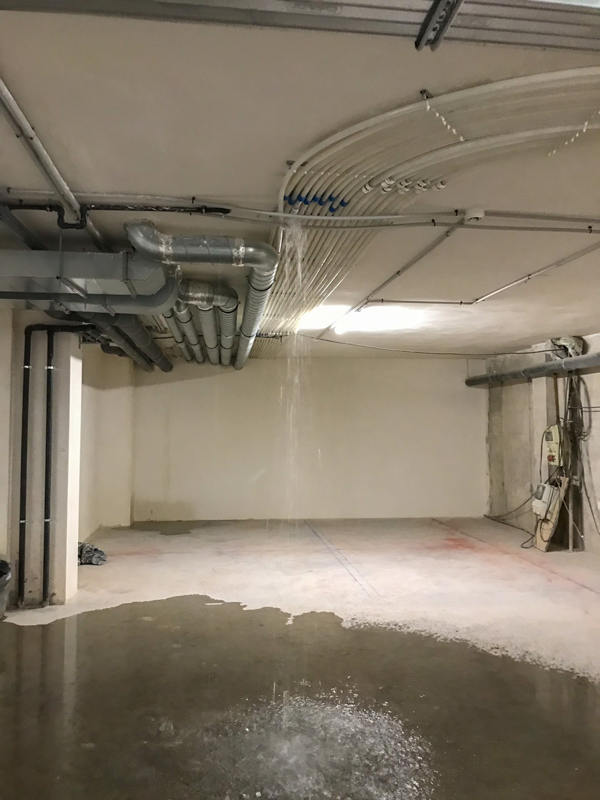
Floor care after commercial water damage should begin as soon as the water source is controlled and the building is safe to enter. Wet floors, standing water, soaked carpet, and trapped moisture can quickly turn a water emergency into mold growth, odor problems, safety risks, and permanent damage.
For businesses, the goal is not only to remove water. The larger goal is to protect employees, customers, building materials, and the long-term condition of the floors. Whether the issue started from burst pipes, heavy rain, roof leaks, plumbing backups, or an unexpected flood, the right response can make all the difference between minor damage and extensive damage.
Commercial floor cleaning comes into the recovery process after emergency water removal, structural drying, and safety checks are handled. Once the affected areas are dry enough for cleaning, floor care professionals can help remove residue, control odors, clean affected surfaces, and bring floors closer to their pre loss condition.
Floor Care After Commercial Water Damage Starts With Immediate Help
A commercial water damage situation should be treated as urgent because water spreads fast. It moves across floors, under baseboards, into wall cavities, beneath furniture legs, and into nearby rooms. Even when the surface looks manageable, moisture may already be trapped below the flooring.
Immediate help is important because the first few hours shape the rest of the restoration process. Businesses should focus on safety, stopping the water source, documenting the damage, and calling the right professionals before cleanup begins.
Why Fast Action Matters After Commercial Water Damage
Water damage occurs in layers. The visible layer is usually standing water or wet carpeting. The hidden layer is moisture under flooring, inside walls, or below equipment. If excess water remains for too long, it can weaken adhesives, stain surfaces, loosen floor finishes, and create conditions for mold.
Fast response helps reduce:
- Slip and fall hazards from wet floors
- Mold growth in wet areas
- Odors from soaked materials
- Further damage to flooring systems
- Downtime before normal operations resume
- Higher cleanup and repair costs
Commercial spaces also have more foot traffic, larger floor areas, and more building materials than most homes. That makes the timing even more important. A hallway, lobby, dining room, classroom, clinic, or retail floor can quickly become unsafe if water is not handled properly.
When to Call for 24 7 Emergency Response
A 24 7 emergency response is needed when there is standing water, active leaking, sewage backup, stormwater intrusion, or water spreading into multiple rooms. A water damage emergency should not wait until the next business day if people could be exposed to electrical hazards, contaminated water, wet floors, or structural damage.
Call for emergency water damage restoration services when:
- Water is still entering the building
- Flood waters have crossed the floor surface
- Carpet or padding is soaked
- Water has reached electrical equipment
- Moisture has spread into wall cavities
- Ceilings, drywall, or flooring feel soft
- Odor appears within hours
- Employees or customers cannot safely use the space
Emergency crews usually focus on water removal, water extraction, moisture control, and structural drying. Commercial floor cleaning comes after the immediate response, once the space is stable enough for proper cleaning and maintenance.
What to Do Before Anyone Walks on the Damaged Floor
Before staff, customers, tenants, or vendors walk across affected areas, check for safety risks. Water can hide sharp debris, electrical hazards, loose flooring, slippery residue, and contaminated materials.
A basic first response checklist includes:
| Step | What to Do | Why It Matters |
|---|---|---|
| Stop the water source | Shut off water if safe or call maintenance | Prevents additional damage |
| Restrict access | Block off wet areas | Reduces slip hazards |
| Protect records | Move documents and electronics if safe | Limits business interruption |
| Document damage | Take photos and videos before moving items | Helps the claims process |
| Call professionals | Contact emergency restoration or facility support | Speeds up water removal |
| Avoid DIY chemicals | Do not apply cleaners to unknown water damage | Prevents surface or safety issues |
Once immediate risks are controlled, the next step is understanding what caused the commercial water problem in the first place.
Common Causes of Commercial Water Damage in Buildings
Commercial water damage can come from inside the building or outside the property. The source matters because clean water from burst pipes is different from flood waters, sewer backups, or water mixed with soil and debris.
Before any floor care plan is created, the water source should be identified. This helps determine the level of cleanup, the type of drying process needed, and whether affected surfaces can be cleaned or may need replacement.
Burst Pipes, Plumbing Leaks and Sprinkler System Failures
Burst pipes are one of the most common causes of commercial water damage. They can release a large amount of water in a short time, especially in offices, restaurants, schools, healthcare spaces, hotels, and multi-tenant buildings.
Plumbing leaks may come from:
- Restroom supply lines
- Kitchen plumbing
- Utility rooms
- Water fountains
- Sprinkler systems
- Washing machines in laundry areas
- Ice machines or breakroom appliances
Clean water from burst pipes may still cause serious floor damage if it spreads under flooring or sits too long. VCT may loosen. LVT seams may allow water to seep below the surface. Wet carpeting may need extraction and controlled drying. Hardwood floors may cup, swell, or buckle.
Stormwater, Roof Leaks and Flood Damage From Outside Water
Heavy rain, roof leaks, poor drainage, and flooding can bring water into entryways, lower levels, lobbies, storage areas, and ground-floor commercial spaces. This type of flood damage often carries soil, organic matter, and outdoor contaminants.
Flood waters can wreak havoc on commercial floors because they do not stay on the surface. Water seeps into joints, transitions, grout lines, carpet backing, and cracks in older floors. Even after the visible water is gone, moisture can remain in the floor system.
Because outside flood water may be contaminated, businesses should avoid treating it like a normal spill. The cleanup may require specialized restoration services before commercial floor cleaning can safely begin.
HVAC Leaks, Sewer Backups and Moisture Under Flooring
HVAC systems can leak slowly over time, creating moisture problems behind walls, under floors, or near mechanical rooms. Sewer backups are more serious because they may involve contaminated water and higher health concerns.
Moisture under flooring is especially difficult because the floor may look dry on top. Moisture meters and thermal imaging can help professionals find hidden wet areas before repairs or cleaning begin. Without this step, flooring can fail later even if it appeared dry at first.
Once the cause is known, the next step is to understand how different floors react to water.
How Flood Damage Affects Different Commercial Floor Surfaces
Not every floor responds to water the same way. A polished tile floor, commercial carpet, hardwood floor, rubber gym floor, and VCT hallway each have different risks after commercial water damage.
This matters because the right equipment, drying method, and cleaning process depend on the flooring material. Some floors recover well after proper water extraction and cleaning. Others may suffer permanent damage if moisture reaches adhesives, backing, or the subfloor.
Carpet and Padding After Commercial Water Exposure
Commercial carpet can absorb water quickly, especially if the backing and padding are exposed. Wet carpeting may hold odors, soil, bacteria, and moisture. Even if the top fibers feel dry, the lower layers may still be damp.
Commercial carpet care after water damage may include:
- Water extraction
- Removal of excess water
- Controlled drying
- Odor control
- Deep cleaning after drying
- Inspection for staining or delamination
If water is clean and removed quickly, some commercial carpet may be restored. If flood waters, sewage, or long-term moisture are involved, replacement may be needed for safety and hygiene reasons.
VCT, LVT and Vinyl Floors After Standing Water
VCT and LVT are common in commercial buildings because they are durable and practical. Still, standing water can affect seams, adhesives, wax layers, and subfloor conditions.
Possible problems include:
- Loose tiles
- Cloudy or damaged finish
- Water trapped below flooring
- Staining around seams
- Odor from moisture below the surface
- Adhesive breakdown
After the drying process, VCT and LVT may need cleaning, stripping, waxing, or recoating depending on the damage. Scher Flooring Services provides VCT and LVT cleaning, stripping, and waxing, which can be useful once mitigation work is complete and the floor is ready for surface restoration.
Tile, Grout and Stone Floors After Flooding
Ceramic, porcelain, quarry tile, and stone floors often handle water better than carpet or wood, but grout lines and subfloor areas still need attention. Flood damage can leave soil, residue, mineral deposits, and odor in porous grout.
Tile and grout may need:
- Soil removal
- Grout cleaning
- Residue removal
- Disinfection when appropriate
- Odor treatment
- Finish or protection where applicable
Tile floors may look fine after water removal, but dirty grout can keep signs of the flood visible. A professional cleaning process helps restore appearance and reduce lingering odors.
Rubber Flooring in Gyms, Healthcare Spaces and Schools
Rubber flooring is common in fitness centers, schools, healthcare buildings, and athletic areas. It is durable, but it can still trap moisture around seams, under mats, and near wall edges.
Water damage may cause:
- Surface residue
- Odor
- Moisture below tiles or rolls
- Loose seams
- Slippery film
- Cleaning chemical imbalance
Rubber floors should be cleaned with the right tools and products. Harsh chemicals or too much water after the flood can create additional damage instead of solving the problem.
Hardwood Floors and Engineered Wood After Water Damage
Hardwood floors are among the most sensitive commercial surfaces after water damage. Water can cause swelling, cupping, crowning, staining, finish failure, and structural movement.
Engineered wood may perform better than some solid hardwood in certain conditions, but it is not immune to flood damage. When moisture reaches the core or subfloor, the damage can become permanent.
Wood floors require careful inspection before cleaning or refinishing. If the floor is refinished too early, trapped moisture can continue moving and cause new problems later.
Once each floor type is assessed, the drying process becomes the next major step.
The Drying Process for Commercial Floors After Water Damage
The drying process is more than placing fans in a room. Commercial floors need controlled drying based on the water source, floor type, moisture readings, and affected building materials.
Professional water damage restoration teams use drying equipment, moisture meters, and air movement to reduce hidden moisture. Floor care should follow that process, not replace it. Cleaning a wet floor too soon can seal in odor, spread contaminants, or hide damage.
Water Extraction and Moisture Mapping
Water extraction removes standing water and excess water from floors. In carpeted areas, extraction can remove water from fibers and backing. On hard surfaces, it helps clear wet areas so inspection can begin.
Moisture mapping is just as important. Professionals use moisture meters to identify affected areas beyond what can be seen. Water often travels behind baseboards, under thresholds, and into nearby rooms.
A good moisture map can show:
- Where water entered
- Where water spread
- Which materials are wet
- Whether wall cavities are affected
- Whether structural drying is needed
- Which floor sections may need later cleaning or repairs
Without moisture mapping, a business may reopen too soon and discover odors, mold, or flooring failure days later.
Air Movement, Dehumidification and Subfloor Drying
Drying equipment usually includes air movers, dehumidifiers, and tools designed to dry structural materials. Structural drying may be needed when water has reached the subfloor, drywall, baseboards, or other building materials.
The drying process should be monitored until the moisture level is acceptable for the flooring system. This is especially important for hardwood floors, carpet, and floors with adhesive layers.
Subfloor drying matters because surface cleaning does not solve moisture trapped below the floor. If moisture remains, mold growth, odors, and floor movement can continue after the visible cleanup is finished.
Why Floors Should Not Be Refinished Too Early
After commercial water damage, it can be tempting to refinish floors quickly so the business looks normal again. That can be risky. A floor that looks dry may still have moisture beneath the surface.
Refinishing too early may lead to:
- Finish peeling
- Cloudy coatings
- Adhesive failure
- Odor trapped under new finish
- Wood movement after refinishing
- Permanent damage that could have been avoided
Floors should be tested before recoating, waxing, screening, or refinishing. The right timing protects the floor and helps avoid paying twice for the same repair.
Signs the Drying Process Is Not Complete
A floor may need more drying time if you notice:
- Musty odor
- Dark edges or stains
- Soft or loose flooring
- Condensation near baseboards
- Warped wood
- Carpet that feels damp near seams
- Moisture readings above acceptable levels
- Odor returning after cleaning
When drying is incomplete, the next cleaning step should pause. It is better to solve the moisture problem first than to cover it with cleaning products or finish.
With drying in mind, hardwood floors deserve a closer look because they often show damage in stages.
Hardwood Floors After Commercial Water Damage
Hardwood floors need a different level of care after commercial water damage. Water affects wood slowly and unevenly. The floor may look stable on day one and show cupping, staining, or movement days later.
Businesses with hardwood floors in lobbies, offices, restaurants, hospitality spaces, or athletic areas should avoid rushing the restoration process. Inspection, moisture readings, drying, and proper floor care must work together.
Cupping, Crowning, Buckling and Surface Staining
Water changes the shape of wood. Cupping happens when board edges rise higher than the center. Crowning happens when the center rises above the edges. Buckling is more severe and occurs when boards lift from the floor.
Common signs include:
- Raised board edges
- Gaps between boards
- Dark stains
- Cloudy finish
- Loose boards
- Squeaking or movement
- Uneven reflection across the floor
These problems may mean moisture is inside the wood or below it. A microfiber mop or surface cleaning will not solve this kind of water damage. The floor needs proper drying and assessment first.
When Hardwood Floors Can Be Cleaned, Screened or Refinished
Some hardwood floors can be saved after water damage if the water source was clean, the response was fast, and the moisture did not remain too long.
After the floor is dry, professional care may include:
- Cleaning residue from the surface
- Screening the finish
- Recoating worn areas
- Addressing light staining
- Restoring appearance in high-traffic areas
Scher Flooring Services works with wood flooring maintenance, including natural oil finished wood and urethane finished wood surfaces. That makes their role valuable after the drying phase, especially when the floor is stable but needs professional cleaning or finish care.
When Water-Damaged Wood Flooring May Need Replacement
Not every hardwood floor can be restored. Replacement may be needed when there is extensive damage, long-term moisture, contaminated water, deep staining, buckling, or subfloor damage.
Warning signs include:
- Boards lifting from the floor
- Strong odor from below the surface
- Visible mold
- Soft subfloor areas
- Large sections of warped wood
- Repeated moisture readings
- Finish failure across wide areas
If the wood has structural damage or the water has reached critical layers, cleaning alone will not restore the floor to its pre damage condition.
After wood movement and moisture are addressed, odor control becomes one of the biggest concerns for commercial spaces.
Odor Control After Commercial Water Damage and Flooding
Odor control is not just about making a building smell better. Odors after flood damage can point to moisture, bacteria, mold, wet carpet backing, dirty grout, or contaminated materials.
A commercial space may look clean but still smell damp. That is a warning sign. Odor usually means something is still wet, dirty, or affected below the surface.
Why Wet Floors Hold Odors After Flood Damage
Wet floors hold odor because water carries soil and organic material into porous surfaces. Carpet backing, grout lines, wood seams, rubber flooring, and wall edges can all trap residue.
Odor is more likely when:
- Water sits for several hours
- Wet carpeting is not extracted properly
- Moisture reaches padding
- Flood waters enter from outside
- Cleanup begins before documentation and inspection
- Drying equipment is removed too soon
- Affected surfaces are cleaned only on top
Odor problems can also return when humidity rises. That usually means moisture or contamination remains somewhere in the floor system.
Mold, Bacteria and Contaminated Water Concerns
Mold growth is one of the main reasons commercial water damage needs a careful response. Mold can affect indoor air quality and damage building materials. In schools, offices, healthcare spaces, and hospitality properties, this can pose safety risks and business risks.
Contaminated water is even more serious. Sewer backups and outdoor flood waters should be handled by trained restoration professionals because affected areas may need containment, removal, and specialized cleaning before normal floor maintenance can begin.
The key point is simple: odor control should not cover up a problem. It should follow water removal, drying, cleaning, and verification.
Professional Cleaning, Deodorizing and Odor Control Steps
After the water damage restoration process is complete enough for floor care, professional cleaning can help remove odor-causing residue.
Depending on the floor type, odor control may include:
- Deep extraction for carpet
- Hot water extraction when appropriate
- Grout cleaning
- Floor scrubbing
- Residue removal
- Deodorizing treatments
- Finish removal and replacement on VCT
- Cleaning around baseboards and transitions
The right approach depends on the material. A carpeted hallway needs different tools than a tile restroom, rubber gym floor, or hardwood lobby.
Once odor and moisture concerns are controlled, the focus shifts to cleaning and restoring the floor surface.
Cleaning and Restoring Commercial Floors After the Drying Process
Commercial floor cleaning should happen after the emergency phase, not before it. Water removal and structural drying come first. Then floor cleaning helps remove residue, restore appearance, improve usability, and prepare the space for normal operations.
This is where Scher Flooring Services fits naturally. Their work focuses on commercial floor cleaning, restoration, and maintenance plans for different floor materials. For a business recovering from water damage, that kind of floor-specific care can help bring the space closer to a clean, safe, professional condition.
Deep Cleaning Floors After Water Extraction
Once water extraction is complete and the area is dry enough, floors often need deeper cleaning than usual. Flooding and leaks leave behind soil, mineral residue, cleaning challenges, and sometimes odor.
Deep cleaning may include:
- Commercial carpet cleaning
- Hard-surface scrubbing
- Tile and grout cleaning
- Rubber floor cleaning
- VCT stripping and waxing
- Wood floor cleaning or finish care
This stage helps remove what the water left behind. It also gives facility managers a better view of what is cosmetic damage and what may require repairs.
Removing Residue, Soil and Contaminants From Floor Surfaces
After an unexpected flood, floors may contain soil, dust, fine debris, and residue from building materials. A simple mop may move that residue around without removing it.
A microfiber mop can help with light cleaning in unaffected areas, but damaged commercial floors usually need the right equipment. Autoscrubbers, extraction machines, wet vacuums, neutral cleaners, and floor-specific tools may be needed.
The goal is to clean affected surfaces without causing further damage. For example, wood should not be overwet. Rubber should not be treated with harsh products. VCT may need finish correction. Carpet may need extraction and odor treatment.
Recoating, Waxing or Finishing Floors After Commercial Water Damage
Some commercial floors need finish restoration after the drying process. VCT may need stripping and waxing if the finish turns cloudy, separates, or holds odor. Wood floors may need screening and recoating if the surface finish was affected but the boards remain stable.
Recoating too early is a mistake. The floor should be dry, clean, and ready to accept finish. Otherwise, the new coating can fail.
Floor finish work may help restore:
- Shine
- Cleanability
- Wear resistance
- Professional appearance
- Protection in high-traffic areas
This is especially important for lobbies, corridors, retail spaces, schools, hospitality floors, and healthcare environments.
How Commercial Floor Cleaning Supports Safer Reopening
A business should not reopen only because standing water is gone. Floors must be dry, clean, stable, and safe to walk on.
Commercial floor cleaning supports reopening by helping with:
- Slip-resistance concerns
- Odor reduction
- Soil removal
- Visual restoration
- Cleaning after contractors finish repairs
- Maintenance planning for affected areas
Floor cleaning does not replace water damage restoration, mold remediation, or structural repairs. It supports the final recovery stage when the building is ready for floor care.
After cleaning plans are considered, businesses also need to think about insurance documentation.
Floor Care After Commercial Water Damage and the Insurance Claims Process
The claims process can affect what happens before, during, and after water damage cleanup. Many businesses are eager to clean up quickly, but documentation matters. Photos, videos, receipts, moisture readings, and damaged material samples can help support insurance claims.
Before discarding damaged flooring or personal belongings, check with the insurance company or insurance adjusters when possible. If safety requires removal, document everything first.
What to Document Before Cleaning or Repairs Begin
Before major cleanup begins, document the affected areas clearly. Take wide photos of each room, close-ups of damaged floors, and videos showing standing water or wet areas.
Document:
- The water source if visible
- Standing water depth
- Wet floors and affected surfaces
- Damaged furniture legs
- Wet carpeting and padding
- Stained walls or baseboards
- Damaged personal belongings
- Nearby rooms that may have moisture
- Equipment affected by water
This documentation can help prove the condition of the space before cleaning and repairs changed the scene.
Photos, Moisture Readings, Receipts and Damaged Material Samples
Photos show visible damage, but they do not always show hidden moisture. Moisture readings from professionals can support the claim by showing where water spread and what building materials were affected.
| Item | Why It Helps |
|---|---|
| Photos and videos | Shows visible flood damage |
| Moisture readings | Supports hidden water damage findings |
| Invoices | Shows cleanup and restoration costs |
| Receipts | Helps verify repairs and replacement |
| Damaged material samples | May support flooring claims |
| Communication notes | Tracks what the insurance company requested |
This can help during the claims process, especially if the insurance adjuster needs proof of the original condition and the steps taken after the water emergency.
Working With Your Insurance Company During Floor Recovery
Every policy is different. Commercial property insurance, flood insurance, and business interruption coverage may have different rules. Some water damage may be covered, while flood damage from outside water may require separate flood insurance.
Ask the insurance company:
- What documentation is required?
- Can cleanup begin immediately?
- Should damaged materials be saved?
- Will an adjuster inspect before removal?
- Are emergency services covered?
- Are floor cleaning and restoration services included?
- What proof is needed for pre loss condition?
The faster you understand the process, the easier it is to avoid delays and missed documentation.
How Professional Floor Cleaning Records Can Support Insurance Claims
Professional floor cleaning records may help show what services were performed after drying and restoration. These records may include service dates, affected areas, floor types, cleaning methods, and before-and-after condition notes.
This does not guarantee claim approval. The insurance company makes that decision based on the policy and damage details. Still, clear service documentation can make the recovery history easier to understand.
Once insurance documentation is handled, the business must decide whether floor cleaning is enough or whether deeper restoration is needed.
When Floor Cleaning Is Enough and When Restoration Is Needed
Floor cleaning is helpful when the floor is dry, structurally sound, and mainly affected by residue, staining, odor, or finish damage. Restoration or replacement is needed when water has damaged the floor system itself.
This decision should be made carefully. Cleaning a floor that is still wet or structurally damaged may hide the problem for a short time, but it can lead to additional damage later.
Cleanable Floors vs Permanently Damaged Flooring Materials
Some floors can return close to pre damage condition after proper drying and cleaning. Others may be too damaged to save.
| Floor Type | Cleaning May Be Enough When | Replacement May Be Needed When |
|---|---|---|
| Carpet | Clean water, fast extraction, no odor | Contaminated water, padding soaked, mold |
| VCT/LVT | Surface residue or finish damage | Loose tiles, trapped moisture, adhesive failure |
| Tile/stone | Soil or dirty grout remains | Subfloor damage or cracked tile |
| Rubber | Surface odor or residue | Moisture below seams or adhesive failure |
| Hardwood floors | Light staining, stable boards | Buckling, deep moisture, structural movement |
The more time water sits, the greater the chance of permanent damage.
Warning Signs That Moisture Has Reached the Subfloor
Subfloor moisture can turn a simple cleanup into a larger restoration project.
Look for:
- Flooring that feels soft
- Persistent odor
- Loose tiles
- Warped wood
- Damp carpet edges
- Baseboard swelling
- Mold near walls
- Repeated moisture readings
- Finish failure after cleaning
If these signs appear, the floor should be inspected before more cleaning, waxing, coating, or refinishing is done.
When to Bring in Water Mitigation, Mold or Flooring Replacement Specialists
A commercial floor cleaning company is part of the recovery process, but some situations require other specialists first.
Bring in water mitigation or mold professionals when:
- Standing water is present
- Structural drying is needed
- Mold is visible
- Flood waters entered the building
- Sewer water is involved
- Wall cavities are wet
- Building materials are deteriorating
- The floor is unstable
Bring in flooring replacement specialists when the floor system cannot be restored safely or cost-effectively.
After the building is dry, stable, and cleaned, the final step is to prevent old damage from creating future problems.
Commercial Floor Maintenance After Flood Damage
Post-flood floor care should continue after the first cleanup. A floor may look better after cleaning, but high-traffic areas can reveal hidden stains, odors, finish failure, or loose flooring over time.
A maintenance plan gives facility managers a way to monitor affected areas and keep floors performing after the disaster strikes. This is especially useful in schools, restaurants, healthcare facilities, gyms, hotels, offices, and property-managed buildings.
Post-Flood Inspection Schedule for High-Traffic Areas
After commercial water damage, inspect the affected floors more often than usual for the first few weeks.
A simple schedule may look like this:
| Timeframe | What to Check |
|---|---|
| First 24–48 hours after drying | Odor, moisture, loose flooring, staining |
| First week | Traffic wear, returning odors, finish cloudiness |
| First month | Adhesive issues, grout discoloration, carpet spots |
| 60–90 days | Long-term staining, finish failure, recurring odor |
This helps catch problems before they spread.
Preventing Staining, Odors and Finish Failure After Reopening
Once normal operations resume, floors face traffic, spills, furniture movement, rolling carts, cleaning chemicals, and daily soil. Water-damaged areas may be more vulnerable than before.
To reduce problems:
- Use walk-off mats near entries
- Keep furniture legs protected
- Clean spills quickly
- Avoid overwetting floors
- Use floor-specific cleaning products
- Watch for odor returning after humid days
- Schedule professional cleaning as needed
- Inspect transitions and edges regularly
Small signs matter. A faint odor, loose tile, or cloudy finish can point to moisture or residue that needs attention.
Building a Floor Maintenance Plan After Commercial Water Damage
A maintenance plan should be tailored to the floor type, building use, and amount of damage. Scher Flooring Services offers custom commercial floor maintenance plans, which fits well for businesses that want structured care after a water-related event.
A practical plan may include:
- Routine carpet cleaning
- VCT and LVT cleaning, stripping, and waxing
- Tile and grout cleaning
- Rubber floor care
- Wood floor maintenance
- Seasonal inspections
- High-traffic area cleaning
- Post-restoration follow-up cleaning
A tailored solution helps protect the floor after the immediate emergency is over.
That brings the article to the most practical question: where Scher fits into the recovery process.
How Scher Flooring Services Can Help With Post-Water-Damage Floor Care
Scher Flooring Services is not positioned here as a replacement for emergency water mitigation, plumbing repair, mold remediation, or structural restoration. Those services may be needed first when water damage is active or unsafe.
Scher’s role is strongest after the building is safe, the water source is fixed, excess water has been removed, and the drying process is complete enough for commercial floor care. At that point, professional cleaning and maintenance can help restore appearance, remove residue, improve odor control, and protect the floor going forward.
Commercial Floor Cleaning After Water Damage Cleanup
After water damage cleanup, commercial floors often need more than a basic janitorial pass. They may need deeper cleaning based on the floor type and the condition of the affected surfaces.
Scher can support post-cleanup floor care for:
- Commercial carpet
- VCT and LVT
- Ceramic, tile, and stone
- Rubber flooring
- Natural oil finished wood
- Urethane finished wood
This type of floor-specific cleaning helps businesses address what remains after the emergency phase.
Maintenance Plans for Carpet, Tile, VCT, LVT, Rubber and Wood Floors
A one-time cleaning may solve the visible problem, but water-damaged areas need follow-up. Stains can return. Odors can reappear. Floor finish can wear unevenly. High-traffic areas can show damage faster than expected.
Scher’s commercial floor maintenance plans can help businesses protect different floor surfaces after the restoration process. That is useful for property managers, schools, healthcare spaces, restaurants, retail facilities, hospitality buildings, and offices with multiple flooring materials.
Helping Businesses Protect Floors After Flooding, Leaks or Burst Pipes
When flooding, leaks, or burst pipes disrupt a business, the floor becomes part of the recovery plan. Clean, dry, stable floors help employees and customers return safely. Dirty, damp, or damaged floors can delay reopening and create new problems.
Scher Flooring Services can help with the floor care stage after commercial water damage by focusing on cleaning, restoration, and maintenance once the emergency response work is complete.
FAQs About Floor Care After Commercial Water Damage
Commercial water damage creates urgent questions because businesses need to protect people, property, and operations. These answers are written for general guidance. Severe flooding, contaminated water, mold, or structural damage should always be inspected by trained professionals.
What should a business do first after commercial water damage?
First, stop the water source if it is safe to do so. Then restrict access to wet floors, document the damage with photos and videos, contact the insurance company, and call for emergency water removal if standing water is present.
Do not allow staff or customers to walk through affected areas until safety risks are checked.
Can commercial floors be saved after flood damage?
Some commercial floors can be saved after flood damage, but it depends on the water source, how long the water sat, the floor material, and whether moisture reached the subfloor.
Tile and some hard surfaces may recover well after cleaning. Carpet, hardwood floors, and adhesive-backed floors are more sensitive and need closer inspection.
How long does the drying process take after water damage?
The drying process can take a few days or longer depending on the amount of water, the affected areas, the flooring type, and the building materials involved. Moisture meters should be used to confirm drying instead of relying only on how the surface looks.
Can hardwood floors recover after flooding?
Hardwood floors may recover if the response is fast, the water is clean, and the boards dry without severe cupping, buckling, or staining. If water remains under the boards or reaches the subfloor, permanent damage may occur.
Hardwood floors should not be refinished until moisture levels are checked.
What causes odors after commercial water damage?
Odors often come from wet carpeting, padding, grout, trapped moisture, contaminated water, or mold growth. Odor control should focus on removing the source, not masking the smell.
If odor returns after cleaning, hidden moisture may still be present.
Should I clean floors before contacting my insurance company?
Document the damage first when it is safe. Take photos, videos, and notes before moving items or starting major cleanup. If emergency cleanup is needed for safety, document everything as clearly as possible and keep receipts.
Does an insurance company require professional documentation for water-damaged floors?
Requirements vary by policy and insurance company. Professional documentation such as invoices, moisture readings, photos, and service records can help support the claims process, but claim approval depends on the policy and the cause of damage.
When should I call for immediate help or 24 7 emergency response?
Call for immediate help or 24 7 emergency response when there is standing water, active leaking, flood waters, sewage backup, wet electrical areas, strong odor, or water spreading into walls and nearby rooms.
Fast response reduces safety risks and helps prevent further damage.
Stay Updated!
Sign up for email updates and stay in the loop about about our services and promotions.
We’re here to answer any questions you have about our commercial floor cleaning, restoration, and maintenance services.
Get a Free Quote Today!
Scher Flooring Services is a locally and family owned and operated commercial floor cleaning, maintenance and restoration company in business for over 25 years.
"*" indicates required fields