Deep Scrub and Recoat vs. Full Strip and Wax: Which Is Better for High-Traffic Retail Checkout Lanes? 2026
on
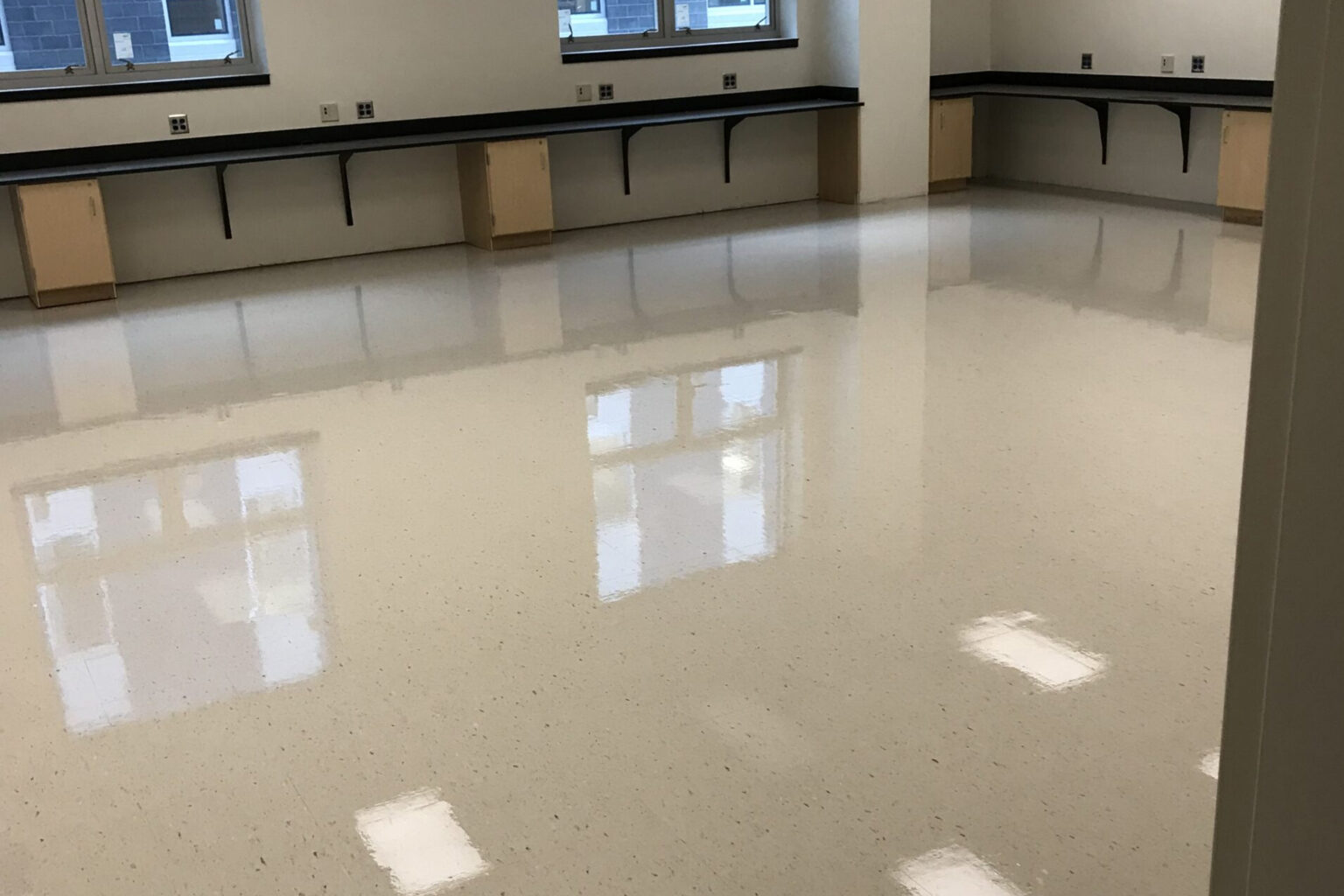
A deep scrub and recoat is the better choice for high-traffic retail checkout lanes because it restores floor protection in approximately 50% less time and at a 40-60% lower cost than a full strip. This method effectively removes surface-level soil and scuffs without dissolving the entire base layer of finish, which is essential for 24-hour retail environments. However, a full strip and wax wins if the floor finish has turned yellow, is peeling at the edges, or has reached a level of deep-seated contamination that prevents a new coat from bonding correctly.
This deep-dive into maintenance techniques is a critical component of The Complete Guide to Commercial Floor Maintenance & Multi-Site Facility Care in 2026: Everything You Need to Know. Understanding the technical nuances between scrubbing and stripping allows facility managers to optimize their lifecycle costs while maintaining high aesthetic standards across regional footprints. As part of our broader 2026 facility care framework, these procedures ensure that high-impact areas like checkout lanes remain durable under constant foot traffic and heavy equipment.
TL;DR:
- Deep Scrub and Recoat wins for routine maintenance and budget efficiency.
- Full Strip and Wax wins for restorative care and correcting finish failure.
- Both offer improved slip resistance and surface protection.
- Best overall value: Deep Scrub and Recoat performed on a quarterly basis.
Quick Comparison Table
| Feature | Deep Scrub and Recoat | Full Strip and Wax |
|---|---|---|
| Primary Goal | Surface restoration & protection | Complete finish replacement |
| Time Required | 2-4 hours per 1,000 sq. ft. | 6-10 hours per 1,000 sq. ft. |
| Average Cost | $0.25 – $0.45 per sq. ft. | $0.60 – $1.10 per sq. ft. |
| Chemical Use | Neutral or specialized cleaners | High-pH caustic strippers |
| Drying Time | 30-60 minutes per coat | 60-90 minutes (base + finish) |
| Finish Layers | 1-2 new top coats | 4-6 total coats (seal + finish) |
| Visual Result | Clean, refreshed gloss | "Like-new" high-clarity shine |
| Environmental Impact | Low (less chemical runoff) | High (caustic waste disposal) |
| Frequency | 2-4 times per year | Once every 12-24 months |
What Is a Deep Scrub and Recoat?
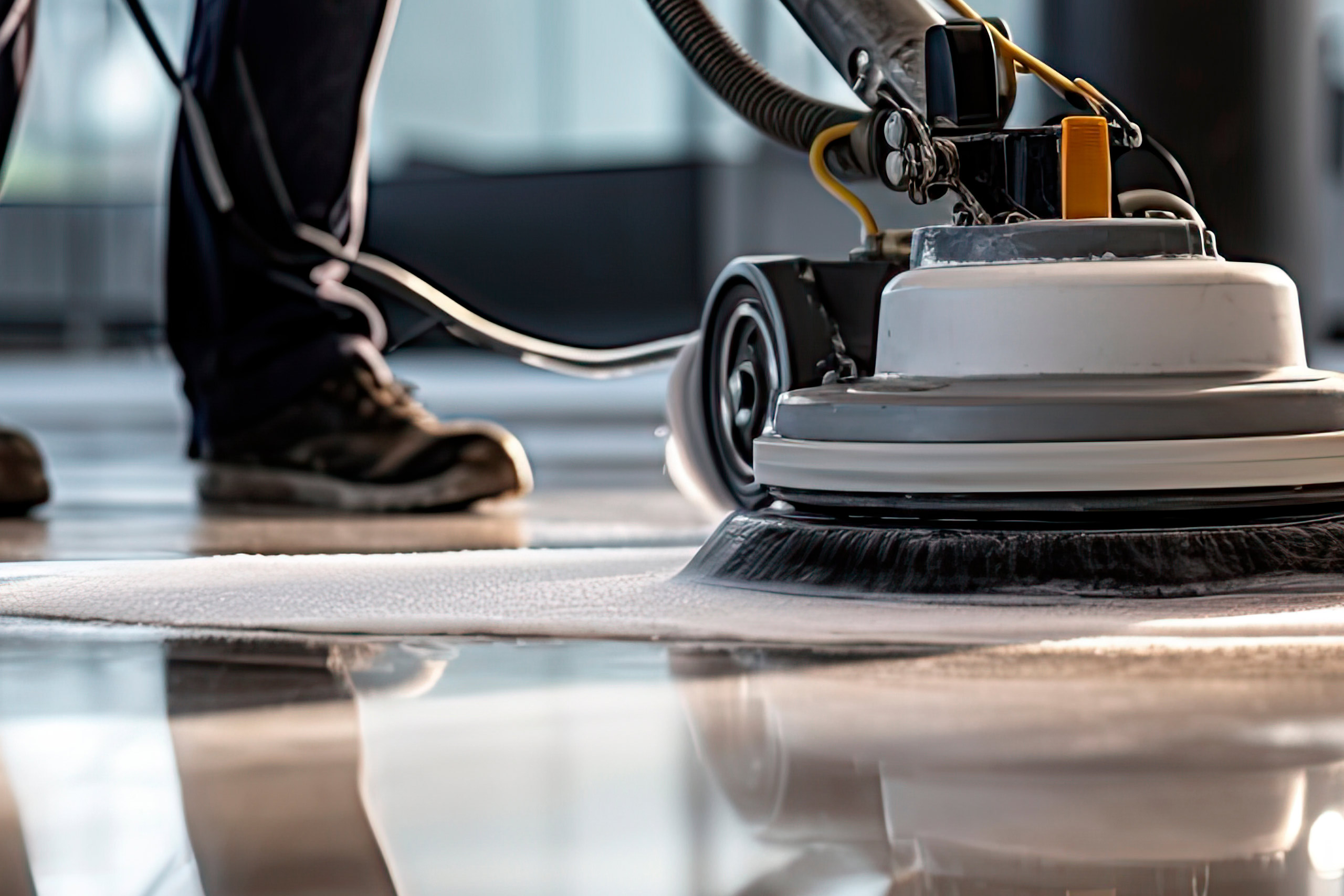
A deep scrub and recoat is a maintenance procedure that uses a heavy-duty floor machine and specialized abrasive pads to remove the top 1-2 layers of soiled floor finish. This process targets the "sacrificial" layers of wax where 90% of retail dirt and scuffs reside, leaving the bottom layers of finish intact as a protective barrier for the tile.
- Fast Turnaround: Retailers can reopen checkout lanes in half the time compared to stripping.
- Cost Efficiency: Reduces labor hours by 50% and eliminates the need for expensive stripping chemicals.
- Sustained Aesthetics: Prevents the "peaks and valleys" of floor appearance by maintaining a consistent gloss level year-round.
- Safety: Modern scrubbing techniques, like those used by Scher Flooring Services, utilize low-moisture methods to minimize slip hazards during the process.
What Is a Full Strip and Wax?
A full strip and wax is a restorative process where caustic chemical strippers are applied to dissolve every layer of old floor finish, exposing the raw Vinyl Composition Tile (VCT) or Luxury Vinyl Tile (LVT). Once the old wax is emulsified and vacuumed away, the floor is neutralized and rebuilt with a fresh sealer and multiple coats of high-solids finish.
- Total Restoration: Eliminates yellowing, "mop lines," and finish buildup in corners or under shelving.
- Maximum Protection: Applying 4-6 new coats provides a thick wear layer capable of withstanding heavy pallet jacks and high-volume traffic.
- Improved Clarity: Removing old, oxidized finish layers restores the original color and vibrancy of the flooring material.
- Longevity: A properly executed full strip provides a stable foundation that can be maintained via scrubbing for the next 18-24 months.
How Do They Compare on Labor and Downtime?
Deep scrubbing wins significantly on labor efficiency because it bypasses the most time-consuming step of floor care: chemical dwell time and slurry recovery. According to industry benchmarks in 2026, a deep scrub and recoat for a standard 10-lane checkout zone can be completed in a single 4-hour night shift, whereas a full strip often requires two consecutive nights or a massive labor surge.
Research shows that labor accounts for approximately 80% to 90% of total floor maintenance costs [1]. By choosing a deep scrub, retail managers can reduce their labor spend by nearly 55% while ensuring lanes are ready for the morning rush. Scher Flooring Services leverages high-efficiency equipment to further compress these timelines, allowing for seamless multi-site execution without disrupting store operations.
How Do They Compare on Long-Term Floor Health?
Full stripping wins for long-term structural integrity when the finish has reached its "saturation point" of embedded soil. If a facility only performs deep scrubs for several years, the remaining base layers of wax will eventually oxidize and turn amber, a phenomenon known as "yellowing." Data indicates that VCT floors that are never stripped see a 25% faster rate of tile degradation due to moisture trapping under old, brittle wax [2].
However, excessive stripping can also be harmful, as caustic chemicals may damage tile adhesives if over-applied. The ideal strategy for 2026 involves a "hybrid lifecycle": performing three deep scrubs for every one full strip. This balance protects the tile from chemical fatigue while ensuring the surface remains aesthetically pleasing and hygienic for customers in high-touch checkout areas.
How Do They Compare on Environmental Impact?
Deep scrubbing is the clear winner for sustainability-focused retail brands because it generates 70% less hazardous waste than stripping. Traditional floor strippers often contain high VOCs (Volatile Organic Compounds) and require a neutralization process to prevent the new wax from failing. In 2026, many regional regulations have tightened around the disposal of caustic floor slurry into municipal sewage systems.
According to a 2025 sustainability report, switching from annual stripping to a quarterly scrub-and-recoat program reduced chemical runoff for a 50-store retail chain by over 1,200 gallons annually [3]. By utilizing the Whittaker low-moisture encapsulation system for surrounding carpeted areas and precision scrubbing for hard floors, companies like Scher Flooring Services help facilities meet LEED and Green Seal requirements while maintaining a pristine appearance.
Which Should You Choose?
Choose a Deep Scrub and Recoat if:
- The floor has a good base of finish but looks dull or has surface-level scuffs.
- You need the checkout lanes back in service within a 4-hour window.
- Your maintenance budget is limited and you need to maximize the "bang for your buck."
- The existing finish is less than 12 months old and has not begun to yellow.
Choose a Full Strip and Wax if:
- The floor finish is peeling, flaking, or showing "black edges" near the baseboards.
- The VCT appears yellow, brown, or cloudy regardless of how much it is cleaned.
- You are taking over a new facility and the maintenance history is unknown.
- The floor has deep gouges or scratches that have penetrated through to the tile surface.
Frequently Asked Questions
Is deep scrubbing cheaper than stripping and waxing?
Yes, a deep scrub and recoat typically costs 40% to 60% less than a full strip and wax because it requires fewer labor hours and less expensive chemical supplies. In 2026, the average cost for a professional deep scrub ranges from $0.25 to $0.45 per square foot, while a full strip can exceed $1.00 per square foot depending on the number of wax layers being removed.
How often should retail checkout lanes be stripped?
Retail checkout lanes should generally undergo a full strip and wax every 18 to 24 months, provided a quarterly deep scrub and recoat program is in place. Without interim maintenance, high-traffic lanes may require stripping as often as every 6 to 9 months to maintain safety and appearance standards.
Can you deep scrub LVT floors?
Yes, Luxury Vinyl Tile (LVT) can and should be deep scrubbed, but it rarely requires a full strip because most LVT comes with a factory-applied polyurethane coating. "Deep scrubbing LVT is often the only way to remove micro-soil from the textured grain without voiding the manufacturer's warranty." — John Scher, Management Team at Scher Flooring Services.
How long does the floor need to dry before customers can walk on it?
After a deep scrub and recoat, the floor is usually dry enough for foot traffic within 60 minutes after the final coat is applied. However, for high-traffic checkout lanes, it is recommended to wait 2 to 4 hours to allow the finish to harden sufficiently against heavy shopping cart wheels and sliding feet.
Does deep scrubbing remove scratches?
Deep scrubbing removes light, surface-level scratches that exist within the top layers of the floor finish. It will not remove deep gouges that have reached the tile itself; those imperfections require a full strip and potentially tile repair or replacement to resolve.
Conclusion
For most high-traffic retail checkout lanes in 2026, a deep scrub and recoat is the superior tactical choice for maintaining a high-gloss, safe environment without the excessive downtime of stripping. While a full strip and wax remains a necessary restorative tool for aging floors, the efficiency and cost-savings of scrubbing make it the foundation of any modern multi-site maintenance plan. To ensure your facility's floors remain durable and attractive, consider a customized maintenance schedule that balances both methods. Contact Scher Flooring Services today to develop a floor care strategy tailored to your retail footprint.
Related Reading:
- Learn more about VCT & LVT Cleaning & Stripping
- Discover the benefits of Commercial Floor Maintenance Plans
- Explore our Retail Facility Floor Care Solutions
Related Reading
For a comprehensive overview of this topic, see our The Complete Guide to Commercial Floor Maintenance & Multi-Site Facility Care in 2026: Everything You Need to Know.
You may also find these related articles helpful:
- How to Remove Scratches and Scuffs from Lobby LVT: 6-Step Guide 2026
- How to Remove Iodine and Chemical Stains from Hospital-Grade Sheet Vinyl Flooring: 6-Step Guide 2026
- Best Carpet Cleaning Methods for Raised Access Flooring: 5 Top Picks 2026
Frequently Asked Questions
Is deep scrubbing cheaper than stripping and waxing?
Deep scrubbing is significantly more cost-effective, typically costing 40-60% less than a full strip and wax. This is primarily due to a 50% reduction in labor hours and lower chemical costs.
How often should retail checkout lanes be stripped?
In high-traffic retail environments, a full strip is usually necessary every 18-24 months, provided that deep scrubbing and recoating are performed quarterly to maintain the surface.
Can you deep scrub LVT floors?
Yes, but it requires specialized pads and pH-neutral cleaners. Unlike VCT, LVT often has a factory wear layer that should not be aggressively stripped, making deep scrubbing the preferred maintenance method.
Does deep scrubbing remove scratches?
While a deep scrub removes surface scuffs in the wax, it cannot fix scratches that have penetrated the tile. Deep gouges require a full strip and wax or tile replacement.
Stay Updated!
Sign up for email updates and stay in the loop about about our services and promotions.
We’re here to answer any questions you have about our commercial floor cleaning, restoration, and maintenance services.
Get a Free Quote Today!
Scher Flooring Services is a locally and family owned and operated commercial floor cleaning, maintenance and restoration company in business for over 25 years.
"*" indicates required fields