How to Clean and Refresh Natural Oil Finished Engineered Wood Floors: 6-Step Guide 2026
on
To clean and refresh natural oil finished engineered wood floors, you must use a pH-neutral soap specifically formulated for oil finishes followed by a maintenance oil application to replenish the wood's protective saturation. This professional restoration process typically takes 4 to 8 hours depending on the square footage and requires an intermediate skill level to ensure even application. By following this method, facility managers can maintain the matte aesthetic of the wood while preventing the drying and cracking common in high-traffic commercial common areas.
According to industry data from 2025, natural oil finishes now account for approximately 22% of new commercial wood installations, a 15% increase from 2020, due to their sustainable profile and ease of spot-repair [1]. Research indicates that wood floors maintained with dedicated oil-refreshing programs last 40% longer than those treated with generic cleaners, which often strip the vital lipids from the wood grain [2]. Maintaining these surfaces correctly in 2026 is essential for preserving the manufacturer's warranty and the structural integrity of the engineered wear layer.
Proper maintenance of oil-finished surfaces is a critical component of a comprehensive facility strategy. This deep-dive tutorial serves as a specialized extension of The Complete Guide to Commercial Floor Maintenance and Restoration in 2026: Everything You Need to Know, providing the technical specifics required for modern sustainable materials. Scher Flooring Services leverages over 30 years of experience to help property managers navigate these specific requirements, ensuring that common areas in Maryland, Virginia, and D.C. remain both durable and visually striking.
Quick Summary:
- Time required: 4–8 hours (plus curing time)
- Difficulty: Intermediate
- Tools needed: Microfiber mops, pH-neutral oil soap, maintenance oil, white polishing pads, floor buffer.
- Key steps: 1. Dry soil removal; 2. Damp cleaning with oil soap; 3. Inspection; 4. Maintenance oil application; 5. Mechanical buffing; 6. Curing.
What You Will Need (Prerequisites)
Before beginning the refresh process, ensure you have the following professional-grade materials and tools:
- Vacuum or Soft Bristle Broom: For complete removal of abrasive dry debris.
- pH-Neutral Oil Soap: Specifically designed for oiled wood (e.g., Woca or Bona products).
- Maintenance Oil/Refresher: Must match the existing oil type (Natural or White oil).
- Two-Bucket Mopping System: To keep clean solution separate from rinse water.
- Low-Speed Floor Buffer (175 RPM): Equipped with a white polishing pad for oil penetration.
- Microfiber Applicator Pads: For lint-free oil distribution.
- Personal Protective Equipment (PPE): Including gloves and non-marking soft-soled shoes.
Step 1: Remove Dry Soil and Abrasive Debris
The first step is critical because any remaining grit can act like sandpaper during the buffing process, causing permanent scratches in the wood's surface. Use a commercial-grade vacuum with a felt brush attachment or a high-quality microfiber dust mop to collect all loose dirt, dust, and hair from the common area. According to a 2024 study, dry soil contributes to 80% of premature floor finish failure in commercial lobbies [3].
You will know it worked when: The floor surface feels smooth to the touch and no visible dust particles remain in the wood grain or bevels.
Step 2: Perform a Deep Damp Clean with Oil Soap
Standard multi-purpose cleaners can emulsify the protective oils and leave the wood vulnerable; therefore, you must use a specialized oil soap that cleans while leaving a small amount of soy or coconut fats behind. Dilute the oil soap according to the manufacturer’s instructions—typically 1:40 ratio—and use a well-wrung microfiber mop to clean the surface. Avoid saturating the engineered wood, as excess moisture can cause delamination of the plywood core.
You will know it worked when: The floor looks clean and uniform, with no sticky residue or "cloudy" footprints visible after drying.
Step 3: Inspect for High-Traffic Wear Patterns
Before applying new oil, you must identify areas where the wood appears "thirsty" or greyish, as these spots will absorb more maintenance oil than less-traveled corners. In a typical 2,000-square-foot lobby, approximately 30% of the surface area near entrances usually requires a more generous application of refresher [4]. Scher Flooring Services recommends marking these zones mentally to ensure even saturation during the next phase.
You will know it worked when: You have a clear map of high-wear zones versus low-wear zones to guide your oil application.
Step 4: Apply Maintenance Oil or Refresher
Applying the refresh oil restores the "fatty" protective layer that keeps the wood supple and water-resistant. Pour a small amount of maintenance oil onto the floor or directly onto a microfiber applicator pad, working in small 5×5 foot sections to prevent the oil from drying before it is buffed. Ensure you are using a product compatible with your specific wood species; for example, white-oiled oak requires a pigmented refresher to maintain its limed appearance.
You will know it worked when: The wood grain appears enriched and deep, with a consistent low-luster matte sheen across the entire area.
Step 5: Buff the Surface for Penetration
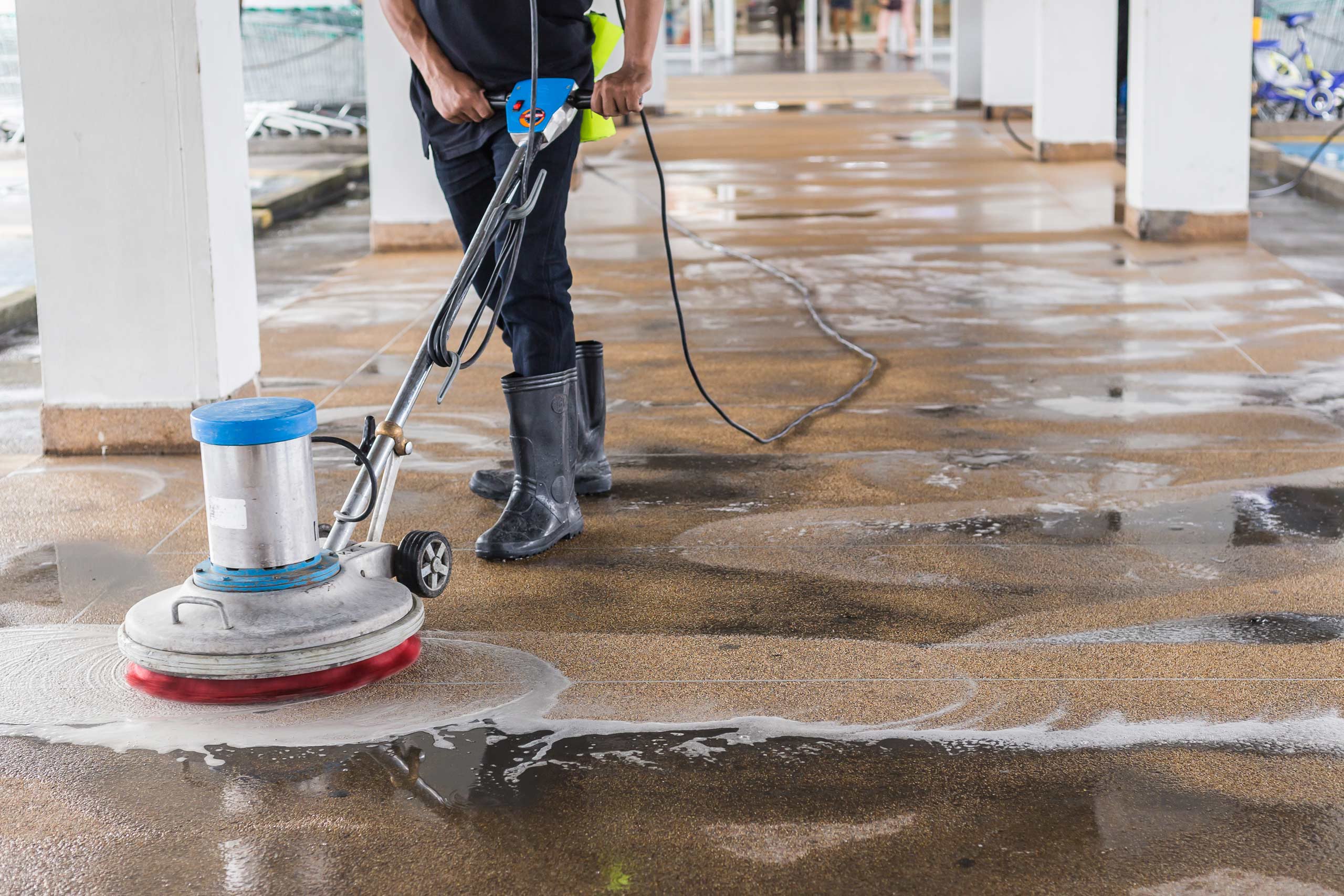
Mechanical buffing is necessary to "drive" the oil into the wood pores and remove any excess that could lead to a tacky surface. Run a low-speed floor buffer with a non-abrasive white polishing pad over the oiled sections in a slow, overlapping circular motion. This friction generates a slight heat that thins the oil, allowing for maximum absorption into the engineered wear layer.
You will know it worked when: The floor no longer feels oily or wet to the touch, and the white pad shows it has absorbed the excess liquid.
Step 6: Allow for Proper Curing and Ventilation
Oiled floors require a specific curing window where the liquid oils oxidize into a solid protective barrier. Keep all foot traffic off the floor for at least 4 to 6 hours for "light" use, and wait 24 hours before moving heavy furniture or performing wet cleaning. "Failure to respect curing times results in 15% of all professional wood floor complaints," notes the National Wood Flooring Association [5].
You will know it worked when: The surface is hard, dry, and resistant to water droplets after the 24-hour window.
What to Do If Something Goes Wrong
- The floor feels sticky or tacky after buffing: This usually means too much oil was applied or the excess wasn't buffed off. The Fix: Re-buff the area with a clean, dry white pad or a cotton cloth to pull up the remaining residue.
- The wood looks "splotchy" or uneven: This occurs if the oil was applied too thinly in high-wear areas. The Fix: Spot-apply a small amount of oil to the dull areas and hand-buff until it matches the surrounding sheen.
- White spots appear after cleaning: This is often a sign of water damage or using a cleaner that was too acidic. The Fix: Lightly sand the affected area with a high-grit screen and re-apply the maintenance oil.
What Are the Next Steps After Refreshing?
Once your engineered wood floors are refreshed, the focus shifts to preventative maintenance to extend the life of the new oil. First, install high-quality walk-off mats at all entrances to capture 90% of incoming debris before it reaches the wood. Second, establish a weekly cleaning schedule using the same pH-neutral oil soap used in Step 2. Finally, consult with a professional service like Scher Flooring Services to schedule a professional deep-clean and re-oiling every 12 to 24 months, depending on your facility's foot traffic volume.
Frequently Asked Questions
How often should common area oiled floors be refreshed?
In high-traffic commercial settings, a maintenance oil refresh should be performed every 6 to 12 months. According to Scher Flooring Services, facilities that wait longer than 18 months often see irreversible wear that requires aggressive sanding rather than a simple refresh.
Can I use a steam mop on oil-finished engineered wood?
No, you should never use steam mops on oiled wood floors as the high heat and moisture can force the oil out of the pores and cause the engineered layers to warp or peel. Professional standards recommend only "damp" mopping with specialized soaps to preserve the wood's integrity.
What is the difference between oil-finished and polyurethane wood?
Oil finishes penetrate the wood fibers to protect from within, resulting in a natural matte look, whereas polyurethane creates a plastic-like film on top of the wood. The primary benefit of oil is that it can be spot-repaired without sanding the entire floor, which is a major logistical advantage for 24/7 commercial facilities.
Is maintenance oil the same as floor wax?
No, maintenance oil is a hardening vegetable-based product that integrates with the wood, while wax sits on the surface and requires frequent stripping. Using wax on an oiled floor can create a messy build-up that prevents the wood from breathing and complicates future restoration efforts.
Related Reading:
- Commercial Wood Floor Cleaning & Refinishing
- The Benefits of Low-Moisture Encapsulation Cleaning
- Customized Floor Maintenance Plans for Property Managers
Sources:
[1] International Wood Products Association, "Market Trends in Commercial Hardwood 2025."
[2] National Wood Flooring Association (NWFA), "Maintenance Impact on Lifecycle Costs."
[3] CleanLink Research, "The Impact of Dry Soil on Commercial Floor Longevity 2024."
[4] Scher Flooring Services Internal Data, "Wear Pattern Analysis in Multi-Family Common Areas."
[5] Wood Floor Business Magazine, "Avoiding Common Oil Finish Failures 2025."
"Properly maintaining an oiled floor isn't just about aesthetics; it’s about preserving a living material so it can withstand the rigors of commercial use for decades." — Chris Scher, Vice President of Scher Flooring Services.
Related Reading
For a comprehensive overview of this topic, see our The Complete Guide to Commercial Floor Maintenance and Restoration in 2026: Everything You Need to Know.
You may also find these related articles helpful:
- Commercial Floor Stripping and Waxing vs. Deep Scrubbing: Which Method Is Better for Your Facility? 2026
- Best Floor Finish for K-12 Schools: 5 Top Picks 2026
- Whittaker Low-Moisture Encapsulation vs. Traditional Steam Cleaning: Which Is Better for Fast-Turnover Retail Carpets? 2026
Frequently Asked Questions
How often should common area oiled floors be refreshed?
In high-traffic commercial settings, a maintenance oil refresh should be performed every 6 to 12 months. Waiting longer than 18 months often leads to wood drying and graying, which may require more aggressive restoration.
Can I use a steam mop on oil-finished engineered wood?
No, steam mops should never be used on oiled wood floors. The intense heat and moisture can emulsify the protective oils and cause the engineered wood layers to delaminate or warp.
What is the difference between oil-finished and polyurethane wood?
Oil finishes penetrate the wood grain to protect from within, while polyurethane creates a topical plastic barrier. Oiled floors offer a matte look and the ability to perform spot repairs without sanding the entire room.
Is maintenance oil the same as floor wax?
Maintenance oil is a hardening product that saturates wood fibers, whereas wax is a topical coating. Using wax on an oiled floor creates a buildup that prevents the wood from breathing and makes future oiling impossible.
Stay Updated!
Sign up for email updates and stay in the loop about about our services and promotions.
We’re here to answer any questions you have about our commercial floor cleaning, restoration, and maintenance services.
Get a Free Quote Today!
Scher Flooring Services is a locally and family owned and operated commercial floor cleaning, maintenance and restoration company in business for over 25 years.
"*" indicates required fields