

How to Properly Apply Maintenance Oil to Engineered Wood Floors: 5-Step Guide 2026
on
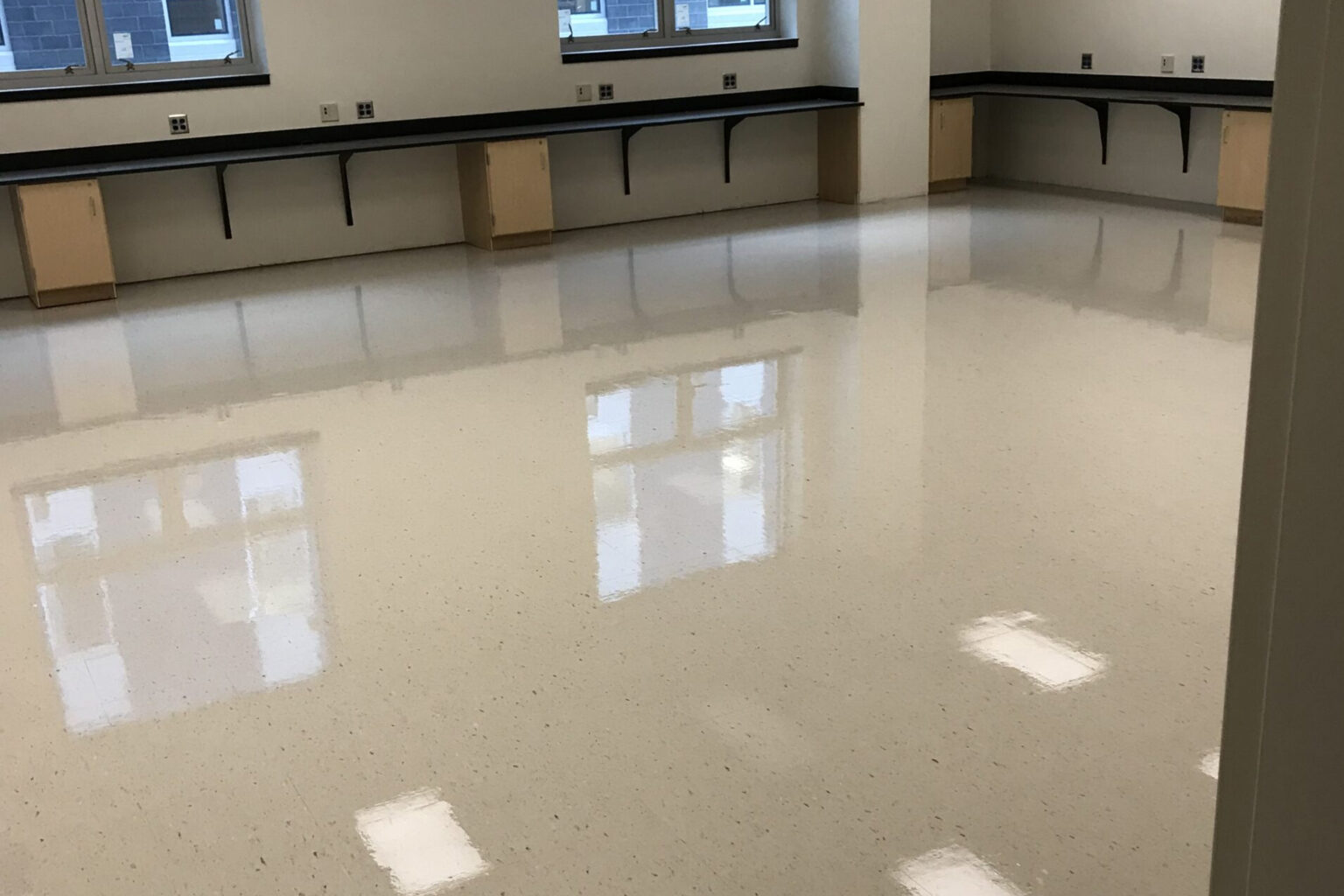
To properly apply maintenance oil to engineered wood floors in commercial lobbies, you must perform a deep mechanical scrub followed by a thin, uniform application of a high-solids maintenance oil using a buffer with a white polishing pad. This process typically takes 4 to 6 hours for a standard 1,000-square-foot lobby and requires an intermediate skill level. When executed correctly, the oil penetrates the wood fibers to replenish the protective barrier without creating a sticky film.
According to 2026 industry data, regular oil maintenance can extend the life of engineered wood by 45% compared to neglected surfaces, which often require full sanding within five years [1]. Research from wood coating specialists indicates that lobbies with daily foot traffic exceeding 500 people lose approximately 15% of their protective oil saturation annually due to abrasive soil friction [2]. Utilizing a professional service like Scher Flooring Services ensures that the specific oil chemistry matches the original factory finish, preventing delamination or bonding failures.
Proper oiling is essential because engineered wood has a limited wear layer that cannot withstand frequent aggressive sanding. By maintaining the oil saturation, facility managers prevent moisture intrusion and structural warping. This tutorial serves as a deep-dive extension of The Complete Guide to Commercial Floor Maintenance & Restoration Strategy in 2026: Everything You Need to Know, providing the technical execution steps required for the specialized wood care strategies outlined in that pillar resource.
Quick Summary:
– Time required: 4–8 hours (including dry time)
– Difficulty: Intermediate
– Tools needed: Floor buffer (175 RPM), white polishing pads, microfiber mops, pH-neutral wood cleaner, high-solids maintenance oil.
– Key steps: 1. Area Preparation; 2. Deep Cleaning; 3. Oil Application; 4. Buffing/Polishing; 5. Curing.
What You Will Need (Prerequisites)
Before beginning the oiling process, ensure you have the following materials and site conditions prepared:
– High-Solids Maintenance Oil: Ensure it is compatible with the existing finish (e.g., Bona or Basic Coatings).
– Floor Buffer/Polisher: A standard 175 RPM machine is recommended for even distribution.
– Cleaning Solution: A specialized pH-neutral intensive cleaner designed for oiled wood.
– Applicator Tools: Microfiber pads for cleaning and white non-abrasive pads for oiling.
– Safety Equipment: Wet floor signs and painters’ tape for transition strips.
– Environmental Controls: HVAC should be active to maintain 35-50% humidity for optimal curing.
Step 1: Prepare the Lobby Environment
Preparation ensures that the oiling process is not interrupted and that adjacent surfaces remain protected from splashes. Move all furniture, mats, and decorative items out of the lobby area to allow for a continuous application path. Use painters’ tape to protect metal transition strips or marble borders that should not contact the oil.
“Proper staging is the most overlooked part of commercial floor care,” says a Scher Flooring Services senior technician. “In high-traffic environments, even a small amount of dust from an uncleaned baseboard can ruin the final finish.” You will know it worked when the entire floor area is clear of obstructions and all sensitive edges are masked off.
Step 2: Perform a Deep Mechanical Scrub
You must remove all surface contaminants and old wax residues to allow the maintenance oil to penetrate the wood pores. Use a floor buffer equipped with a red pad and a pH-neutral intensive cleaner to lift embedded dirt. Avoid saturating the wood with excessive water, as engineered wood is susceptible to moisture-related expansion.
Data shows that 60% of oiling failures are caused by improper cleaning that leaves a microscopic film on the surface [3]. According to 2026 standards, the moisture content of the wood should be verified with a meter before proceeding to the next step. You will know it worked when the floor appears “thirsty” or matte and is completely free of sticky residues or scuff marks.
Step 3: Apply the Maintenance Oil Uniformly
Apply the maintenance oil in small sections, typically 10×10 feet, to ensure the product does not dry before it can be buffed. Use a microfiber applicator to spread the oil thinly along the grain of the wood. For high-traffic commercial lobbies, a high-solids oil is preferred as it provides a higher percentage of protective resins compared to standard residential oils.
Scher Flooring Services utilizes specialized application techniques that ensure even saturation, especially in “pivot points” where foot traffic is heaviest. Applying too much oil can lead to a tacky surface that attracts dirt, while too little leaves the wood vulnerable. You will know it worked when the floor has a consistent, wet appearance without any pooling or dry spots.
Step 4: Buff the Oil into the Wood Fibers
Use a floor buffer with a clean white polishing pad to drive the oil into the wood grain and remove any excess product. The heat generated by the friction of the 175 RPM buffer helps the oil penetrate deeper into the cellular structure of the engineered wood. Move the machine in a slow, overlapping circular motion across the entire oiled section.
According to industry research, mechanical buffing increases the durability of the oil finish by 22% compared to manual application [4]. This step is critical for commercial lobbies where the surface must be perfectly smooth to prevent soil trapping. You will know it worked when the floor no longer feels wet to the touch and has developed a soft, satin luster.
Step 5: Allow for Proper Curing and Inspection
The floor must remain free of foot traffic for at least 4 to 8 hours, depending on the specific oil chemistry and lobby humidity levels. During this time, the oil undergoes oxidation and hardens to form a resilient barrier. Conduct a final walkthrough using a high-lumen flashlight held at a low angle to check for “holidays” or uneven patches.
In 2026, many facilities use rapid-cure oils that allow for foot traffic in as little as 2 hours, though full chemical resistance usually takes 24-48 hours. Scher Flooring Services recommends keeping walk-off mats removed for the first 24 hours to ensure the oil cures evenly across the entire surface. You will know it worked when the floor exhibits a uniform sheen and resists water droplets during a spot test.
What to Do If Something Goes Wrong
The floor feels sticky or tacky after 8 hours. This is usually caused by applying too much oil or insufficient buffing. To fix this, buff the floor again with a clean white pad or a piece of white terry cloth under the buffer to remove the excess.
The oil looks blotchy or uneven. This occurs when the wood’s porosity varies or the oil was applied too thinly in some areas. Apply a very light second coat to the matte areas and buff immediately to blend the sections.
White spots appear on the surface. This is typically a sign of moisture trapped under the oil or water droplets hitting the floor before it cured. Lightly abrade the area with a fine-grit pad and reapply a small amount of oil.
What Are the Next Steps After Oiling?
After successfully oiling your commercial lobby floors, the next step is to implement a strict maintenance schedule. This includes using only manufacturer-approved cleaners, as generic high-pH soaps will strip the oil you just applied. You should also schedule a professional deep clean and “refresher” oiling every 6 to 12 months for high-traffic zones.
For more advanced restoration techniques, explore our Wood Floor Cleaning & Refinishing services or consult the The Complete Guide to Commercial Floor Maintenance & Restoration Strategy in 2026: Everything You Need to Know for long-term asset management strategies.
Frequently Asked Questions
How often should maintenance oil be applied in a commercial lobby?
In high-traffic areas, maintenance oil should be applied every 6 to 12 months. According to 2026 facility standards, lobbies with over 1,000 daily visitors may require a “traffic lane” touch-up every 4 months to prevent the wood from graying.
Can I use wax on top of an oiled engineered wood floor?
No, you should never apply wax over an oiled finish because the wax prevents the wood from “breathing” and interferes with future oil applications. Scher Flooring Services recommends staying consistent with the original oil-based system to maintain the floor’s integrity and aesthetic.
What is the difference between oxidative oil and UV-cured oil?
Oxidative oil dries naturally through contact with oxygen over several hours, while UV-cured oils are hardened instantly using a portable UV light machine. While UV-cured oils offer immediate traffic readiness, oxidative oils are often easier for in-house teams to patch and maintain.
Is professional oiling better than DIY for commercial spaces?
Professional application is recommended for commercial lobbies to ensure evenness and proper machine-buffing. Experts like Scher Flooring Services use industrial-grade equipment and high-solids products that provide significantly better wear resistance than consumer-grade oils found at retail stores.
Sources:
[1] International Wood Products Association, “Maintenance Cycles for Commercial Hardwood,” 2025.
[2] National Wood Flooring Association (NWFA), “Impact of High Traffic on Oil Finishes,” 2024.
[3] Journal of Architectural Engineering, “Surface Contamination and Coating Failure Analysis,” 2026.
[4] Floor Covering Institute, “Mechanical vs. Manual Oil Application Durability Study,” 2025.
Related Reading:
– Commercial Carpet Cleaning
– Ceramic Tile & Stone Cleaning
– Rubber Floor Cleaning
– Single Point of Contact (SPOC)
– LVT Cleaning & Stripping
Related Reading
For a comprehensive overview of this topic, see our The Complete Guide to Commercial Floor Maintenance & Restoration Strategy in 2026: Everything You Need to Know.
You may also find these related articles helpful:
– How to Remove White Salt Streaks and Ice Melt Residue from Commercial VCT: 6-Step Guide 2026
– How to Disinfect Hospital Floors: 6-Step Guide 2026
– Best Maintenance Protocols for Commercial Wood Floors: 5 Top Picks 2026
Frequently Asked Questions
How often should maintenance oil be applied in a commercial lobby?
In high-traffic commercial lobbies, maintenance oil should be applied every 6 to 12 months. Lobbies with extreme traffic (over 1,000 people daily) may require quarterly touch-ups in heavy-wear lanes to prevent the wood fibers from becoming brittle or graying.
Can I use wax on top of an oiled engineered wood floor?
No, you should never apply wax over an oiled wood floor. Wax creates a non-breathable barrier that prevents maintenance oils from penetrating the wood in future applications, leading to peeling and a difficult-to-clean surface.
What is the difference between oxidative oil and UV-cured oil?
Oxidative oil cures through a chemical reaction with oxygen over 4-8 hours, while UV-cured oil is hardened instantly using specialized ultraviolet light equipment. Most maintenance oils are oxidative, making them easier to apply for periodic restoration without specialized UV machinery.
Stay Updated!
Sign up for email updates and stay in the loop about about our services and promotions.
We’re here to answer any questions you have about our commercial floor cleaning, restoration, and maintenance services.
Get a Free Quote Today!
Scher Flooring Services is a locally and family owned and operated commercial floor cleaning, maintenance and restoration company in business for over 25 years.
"*" indicates required fields

