pH levels on ceramic tile cleaning determine how safe and effective a cleaning product is for tile surfaces and grout lines. Understanding ph levels on ceramic tile cleaning helps prevent damage, remove stains safely, and maintain ceramic tile floors in homes and commercial buildings.
Ceramic tile is widely used because it is water resistant, durable, and easy to maintain. However, the wrong chemicals can harm tile surfaces or erode grout. Professional cleaners such as Scher Flooring Services focus on selecting the right cleaning supplies and methods so ceramic tile floors stay clean, safe, and attractive for years.
What Are pH Levels on Ceramic Tile Cleaning and Why Do They Matter for Tile and Grout?
pH levels on ceramic tile cleaning describe how acidic, neutral, or alkaline a cleaning product is. The pH scale ranges from 0 to 14. Acidic cleaners fall below 7, neutral cleaners sit at 7, and alkaline cleaners fall above 7.
Cleaning chemistry matters because tile and grout respond differently to each type of solution. The wrong ph level can harm tile glaze or weaken grout sealers.
How the pH Level of Cleaning Supplies Affects Ceramic Tile Surfaces
Cleaning supplies interact with tile surfaces based on chemical balance. Neutral cleaners clean safely without damaging coatings. Highly alkaline cleaners remove grease and oils. Acidic cleaners dissolve mineral deposits and soap scum.
If the ph level is too strong, the cleaner may:
- chemically burn grout
- dull the tile surface
- leave residue left that attracts dirt
Most manufacturers recommend using neutral or mildly alkaline detergent for regular cleaning.
Why Understanding Neutral pH Is Important When Cleaning Ceramic Tile Floors
Neutral ph cleaning solutions clean tile surfaces without causing chemical reactions. Neutral cleaners are often recommended for routine cleaning because they protect both grout and tile glaze.
Neutral ph cleaners help:
- prevent residue
- maintain shine
- reduce damage to grout lines
How Improper pH Balance Can Damage Tile Finish and Grout Lines
Highly acidic cleaners or high ph alkaline solutions can slowly weaken grout sealers. This eroding effect allows moisture and dirt to enter grout lines.
Improper ph balance may cause:
- fading of colored grout
- cracking grout
- long-term surface damage
Understanding the ph scale and how cleaning chemistry works is the next step in choosing the right cleaning approach.
What Is the pH Scale and How Does It Apply to Ceramic Tile Cleaning?
The ph scale measures the acidity or alkalinity of a substance. This scale runs from 0 to 14 and helps determine which cleaner works best for different cleaning tasks.
Ceramic tile cleaning uses different ph levels depending on the type of stain or soil.
What pH Level Means in Cleaning Chemistry
pH indicates how chemicals interact with substances such as grease, mineral deposits, or soap residue.
Basic pH ranges include:
| pH Level | Type | Cleaning Use |
| 0–6 | Acidic | Removing mineral deposits, soap scum |
| 7 | Neutral | Routine cleaning |
| 8–14 | Alkaline | Removing grease and oils |
Understanding this balance helps prevent damage while improving cleaning performance.
How Neutral pH Cleaners Work on Ceramic Tile Surfaces
Neutral cleaners dissolve dirt and oils without damaging protective coatings. Many professional cleaning companies use a ph neutral cleaner during regular maintenance.
Neutral cleaners are recommended because they:
- protect grout sealers
- remove surface dirt
- prevent residue buildup
How Acidic Cleaners and Alkaline Cleaners Interact With Tile and Grout
Acidic cleaners break down mineral deposits and rust stains. Alkaline cleaners dissolve grease and oils.
However, prolonged use of either type may weaken grout. Rinsing thoroughly with clear water after cleaning prevents residue and protects tile surfaces.
Once the chemistry is understood, it becomes easier to identify the safest cleaning option for daily use.
Why Neutral Cleaners Are the Safest Option for Routine Ceramic Tile Cleaning
Neutral cleaners are the most versatile cleaning products for ceramic tile floors. Neutral ph cleaning products work well for everyday dirt without damaging grout or tile glaze.
Routine cleaning often involves dust removal, wiping surfaces, and occasional mopping.
How Neutral Cleaners Protect Ceramic Tile and Maintain Clean Grout
Neutral cleaners maintain the balance between effective cleaning and surface protection. They remove dirt and oils while preserving grout sealers.
Benefits of neutral cleaners include:
- safe cleaning of colored grout
- maintaining tile shine
- preventing chemical damage
Why Neutral pH Cleaning Products Are Recommended for Daily Maintenance
Most manufacturers suggest neutral cleaners because they work across many tile types including porcelain and ceramic tile.
Neutral cleaners are often the only cleaners recommended for routine cleaning tasks.
How Neutral Cleaners Remove Dirt Without Damaging Tile Sealers
Neutral ph solutions break down surface contaminants such as oils and dust without reacting aggressively with grout.
This gentle cleaning method keeps tile surfaces safe even with frequent cleaning in areas with heavy foot traffic.
Grease and oil stains require a different chemical balance, which leads to the use of alkaline cleaners.
When Should Alkaline Cleaners Be Used on Ceramic Tile Floors?
Alkaline cleaners remove grease and heavy soil from tile surfaces. Kitchen floors, restaurants, and commercial spaces often require alkaline cleaning solutions.
How Alkaline Cleaners Break Down Grease and Heavy Soil
Alkaline solutions dissolve oils and stubborn grease that neutral cleaners cannot remove.
Examples of situations requiring alkaline cleaning include:
- commercial kitchen floors
- food service areas
- grease buildup near equipment
Why Slightly Alkaline Cleaners Work Best in Kitchens and Commercial Areas
Mildly alkaline detergent provides enough cleaning strength without damaging tile surfaces.
These cleaners are effective for removing stubborn grease and other debris left behind in high-traffic areas.
How Frequent Use of Alkaline Cleaners Can Damage Grout Sealers
Highly alkaline cleaners can strip grout sealers over time. This damage may cause grout to absorb moisture and stains.
Because of this risk, alkaline cleaners should be used occasionally rather than for regular use.
Some stains require acidic solutions instead.
When Are Acidic Cleaners Necessary for Ceramic Tile Cleaning?
Acidic cleaners remove mineral deposits and tough stains caused by hard water or soap buildup.
How Acidic Cleaners Remove Mineral Deposits and Hard Water Stains
Acid reacts with mineral deposits and dissolves calcium buildup on tile surfaces.
Common examples include:
- removing soap scum
- removing mineral deposits
- removing rust stains
Why Acidic Cleaners Must Be Used Carefully Around Tile and Grout
Acidic cleaners can damage grout if used too frequently. Strong acid solutions may weaken grout structure.
Users should:
- wear gloves
- avoid splashing
- ensure proper ventilation
Why Acidic Cleaners Should Never Be Used on Natural Stone Surfaces
Acidic cleaners can chemically burn natural stone such as marble. Acid may etch stone surfaces permanently.
For this reason, acidic cleaners should never be used on marble or limestone surfaces.
Understanding how chemicals affect grout is essential for long-term tile maintenance.
How pH Levels Impact Grout Cleaners and Long-Term Grout Protection
Grout cleaners must be chosen carefully because grout is more porous than tile.
How Strong Acidic Cleaners Can Erode Grout Lines Over Time
Regular use of acidic cleaners can weaken grout lines and cause crumbling. Acid also dissolves protective sealers.
Why Alkaline Cleaners Can Strip Grout Sealants
Alkaline cleaners can gradually strip sealant layers. This process allows dirt and moisture to penetrate grout.
Why Neutral pH Grout Cleaners Help Maintain Clean Grout Safely
Neutral cleaners remove dirt while preserving grout sealers. This balance helps keep grout clean without causing structural damage.
Some homeowners prefer natural cleaning options.
What Natural Cleaning Supplies Work for Ceramic Tile Floors?
Natural cleaning supplies can help maintain tile surfaces while avoiding strong chemicals.
How Baking Soda Works as a Mild Cleaning Agent
Baking soda acts as a gentle abrasive that helps remove stains without damaging tile.
When Baking Soda and Elbow Grease Can Help Clean Grout Lines
Baking soda paste combined with elbow grease can clean grout in small areas.
Steps include:
- mix baking soda with water
- apply paste to grout lines
- scrub gently
- rinse with clean water
Why Natural Cleaning Methods Should Still Respect Proper pH Levels
Even natural cleaners must be used carefully. Vinegar is acidic and may harm grout or stone surfaces if used regularly.
Proper cleaning methods are still required for routine maintenance.
What Are the Best Daily Cleaning Practices for Maintaining Ceramic Tile Floors?
Daily maintenance protects ceramic tile floors from dirt buildup and wear.
Why Sweeping Dirt and Debris Is the First Step in Tile Maintenance
Sweeping removes dust and other debris before they scratch tile surfaces.
Throw rugs at entrances help reduce dirt tracked onto floors.
How Microfiber Mops and Neutral Cleaners Support Routine Cleaning
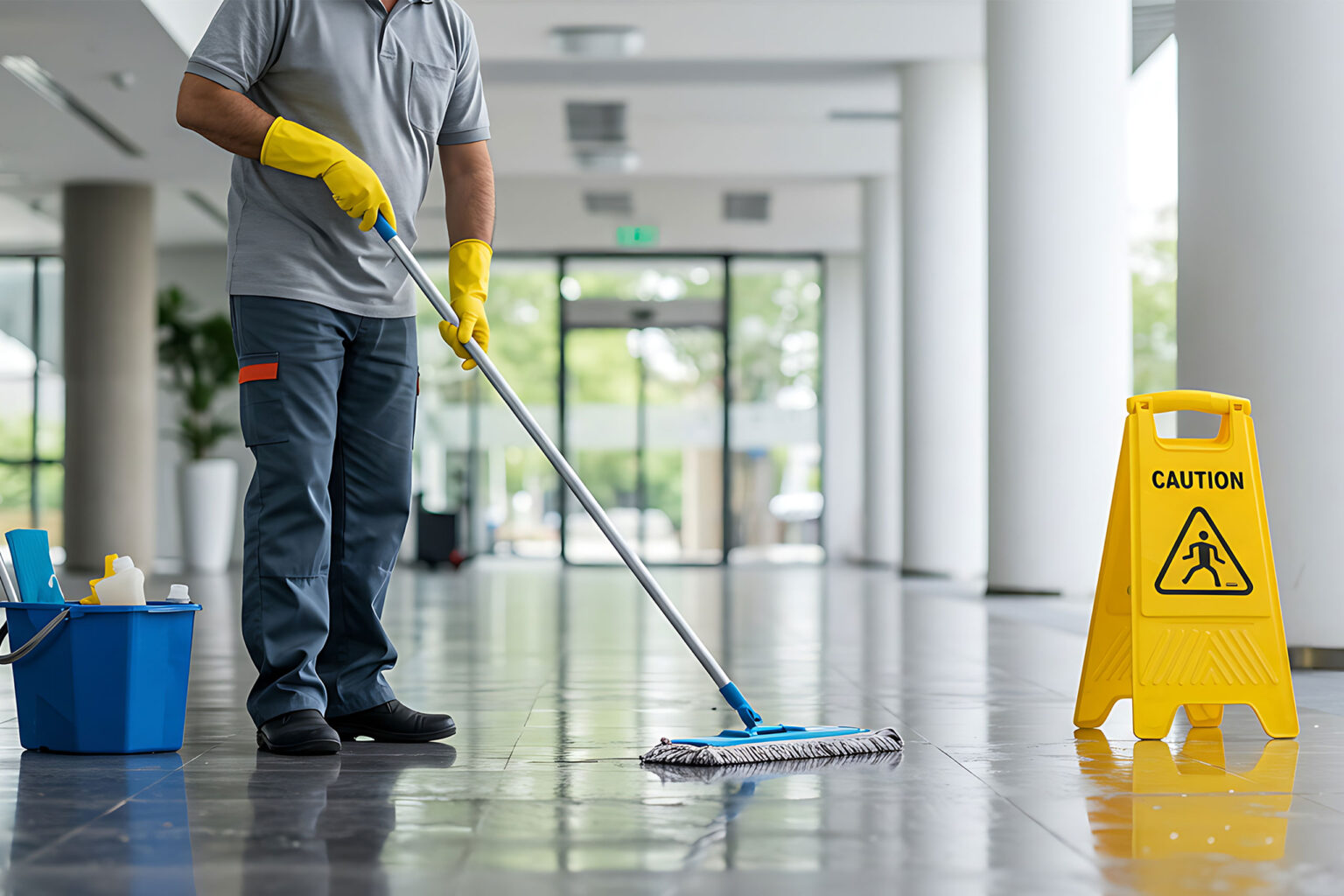
Microfiber mops capture dirt and oils without spreading dirty water across grout lines.
Using a ph neutral cleaner with a damp mop helps remove dirt safely.
Why Thorough Rinsing Prevents Residue Buildup on Ceramic Tile
Rinsing with clean water removes residue left from cleaning products. Residue attracts dirt and dulls the tile surface.
Some cleaning challenges require professional assistance.
How Do Professional Cleaning Services Manage pH Levels for Tile Cleaning?
Professional cleaning services understand how different chemicals affect tile surfaces.
How Professional Cleaning Services Select the Right Cleaning Supplies
Professionals test ph levels and select cleaners based on stain type and tile material.
Why Professional Equipment Removes Dirt Without Damaging Tile Surfaces
Commercial equipment removes embedded dirt while protecting grout lines.
How Commercial Cleaning Methods Protect Ceramic Tile in High-Traffic Areas
Professional cleaning methods restore tile surfaces and eventually rejuvenate floors affected by heavy foot traffic.
Professional expertise becomes especially important for long-term floor care.
Why Professional Ceramic Tile Cleaning Extends the Life of Tile Floors
Regular professional cleaning prevents buildup that routine cleaning cannot remove.
Companies like Scher Flooring Services specialize in commercial tile and grout cleaning across commercial buildings. Their experience with ceramic tile surfaces helps businesses maintain clean and safe floors.
How Regular Professional Cleaning Protects Tile Appearance and Durability
Professional cleaning removes deep soil and restores surface shine.
Why Deep Cleaning Removes Embedded Dirt That Routine Cleaning Misses
Deep cleaning equipment reaches grout pores where dirt and oils accumulate.
How Professional Tile Care Helps Businesses Maintain Safe and Clean Floors
Professional floor cleaning services help maintain sanitary surfaces in healthcare facilities, offices, and retail spaces.
Why Understanding pH Levels Is Essential Before You Buy Tile or Clean Ceramic Floors
Understanding ph levels on ceramic tile cleaning helps protect both tile surfaces and grout lines. Using the correct cleaning supplies prevents damage while maintaining the appearance and durability of ceramic tile floors.
For commercial properties, professional services like Scher Flooring Services ensure proper cleaning chemistry, equipment use, and maintenance schedules that keep ceramic tile floors safe and attractive for years.
Conclusion: Creating a Smarter, Safer Floor Maintenance Plan for Schools
School floor maintenance is a year-round priority. By balancing daily maintenance during class days with deep cleaning during breaks, schools can extend the life of their flooring, maintain safe conditions, and avoid costly repairs. Using the right cleaning products, training staff, installing walk-off mats, and working with commercial floor cleaning professionals helps create cleaner, healthier learning environments.
Whether it’s high foot traffic zones or quiet administrative areas, every surface benefits from a customized, consistent, and well-timed maintenance plan—ultimately saving your school time, money, and stress.
Stay Updated!
Sign up for email updates and stay in the loop about about our services and promotions.
We’re here to answer any questions you have about our commercial floor cleaning, restoration, and maintenance services.
Get a Free Quote Today!
Scher Flooring Services is a locally and family owned and operated commercial floor cleaning, maintenance and restoration company in business for over 25 years.
"*" indicates required fields