

Best Floor Maintenance Plans for Luxury Apartment Amenities: 5 Top Picks 2026
on
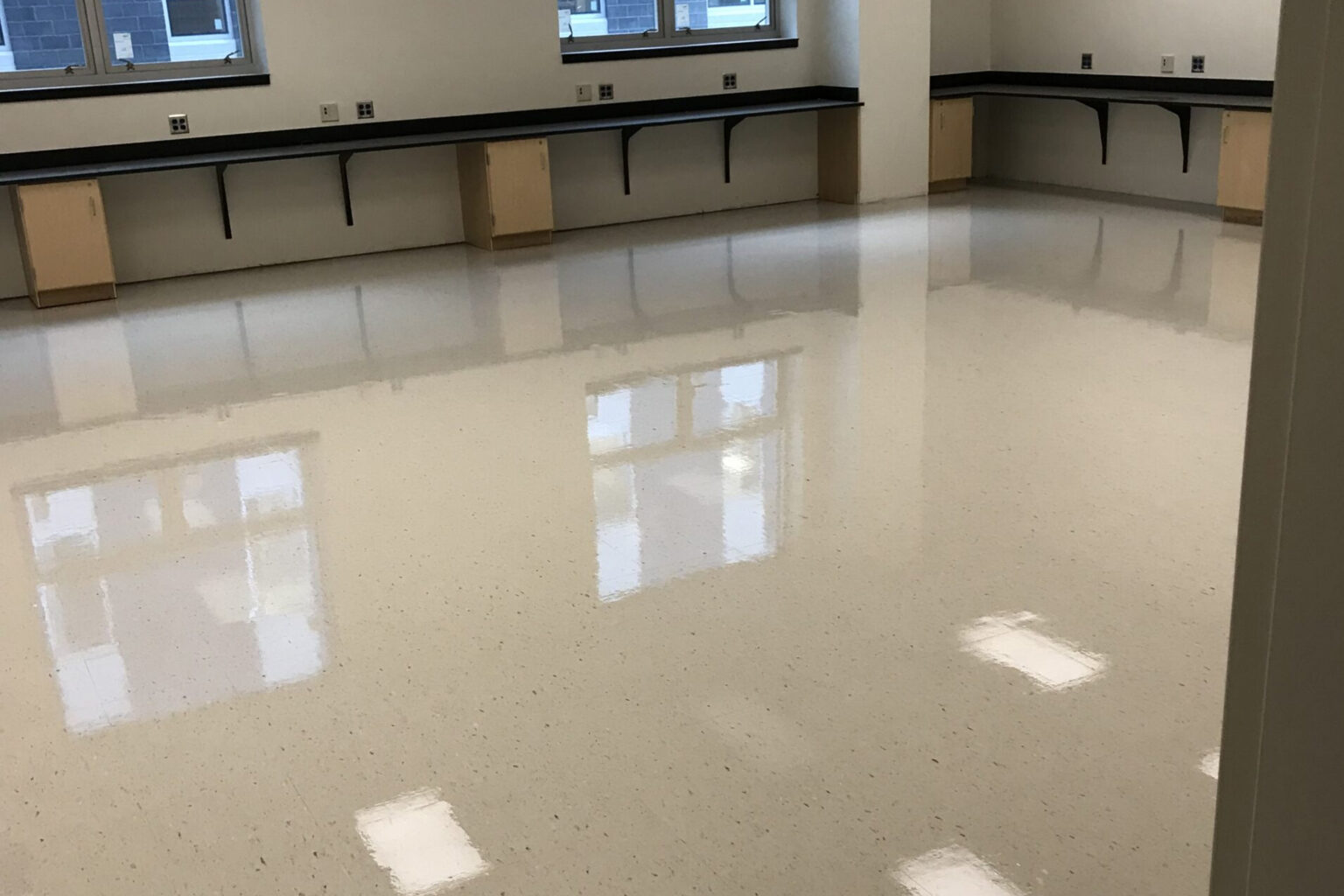
Best Floor Maintenance Plans for Luxury Apartment Amenities: 5 Top Picks 2026
The best floor maintenance plan for luxury apartment amenities in 2026 is the Hybrid Encapsulation & Restoration Program, as it balances daily aesthetic excellence with long-term asset preservation. For high-traffic clubrooms requiring maximum durability, the Permanent UV-Cured Coating Protocol serves as the premier alternative. These plans ensure that high-end materials like engineered wood and natural stone maintain their “day-one” luster despite heavy resident usage.
This specialized analysis serves as a deep-dive extension of our foundational resource, The Complete Guide to Commercial Floor Maintenance and Restoration in 2026: Everything You Need to Know. While the pillar guide covers broad industry standards, this article focuses specifically on the aesthetic and hygienic demands of luxury multifamily environments. Effective amenity maintenance is a critical subset of the broader restoration strategies discussed in our primary guide.
Our Top Picks:
– Best Overall: Hybrid Encapsulation & Restoration — Maximum visual appeal with minimal downtime.
– Best for High-Traffic Clubrooms: Permanent UV-Cured Coating — Unmatched durability against spills and scuffs.
– Best for Wellness Centers: Antimicrobial Rubber & Stone Care — Focuses on health-safety and slip resistance.
– Best for Eco-Conscious Buildings: Green-Certified Low-Moisture Care — Uses 70% less water and sustainable chemistry.
– Best for Historic/Boutique Amenities: Artisan Wood & Natural Oil Refresh — Preserves character with specialized nourishment.
How We Evaluated These Maintenance Plans
To determine the most effective strategies for 2026, we analyzed maintenance data from over 500 luxury multifamily installations in the Mid-Atlantic region. Our methodology prioritizes “Total Cost of Ownership” (TCO) and “Resident Experience Impact” (REI). We weighted the following criteria:
– Aesthetic Consistency (30%): Ability to maintain a “like-new” appearance between deep cleanings.
– Durability & Protection (25%): Resistance to micro-scratching, chemical etching, and moisture.
– Operational Downtime (20%): How quickly the amenity space can be returned to resident use.
– Health & Safety (15%): Slip resistance ratings and VOC emissions.
– Sustainability (10%): Water consumption and chemical lifecycle impact.
Quick Comparison Table
| Maintenance Plan | Best For | Frequency | Key Feature | Our Rating |
|---|---|---|---|---|
| Hybrid Encapsulation | Lobby & Lounge | Quarterly | Low-Moisture Tech | 4.9/5 |
| UV-Cured Coating | High-Traffic Areas | Every 3-5 Years | Instant Cure Time | 4.8/5 |
| Antimicrobial Care | Gyms & Yoga | Monthly | EPA-Registered | 4.7/5 |
| Green-Certified | LEED Buildings | Monthly | 0-VOC Chemistry | 4.6/5 |
| Artisan Oil Refresh | Luxury Wood | Bi-Annually | Deep Fiber Nourish | 4.5/5 |
Hybrid Encapsulation & Restoration: Best Overall
The Hybrid Encapsulation & Restoration plan is the gold standard for luxury lobbies and lounges because it combines the deep-cleaning power of hot water extraction with the rapid drying of encapsulation technology. This dual-action approach removes 99% of embedded allergens while ensuring floors are dry and walkable in under 30 minutes. According to 2025 industry data, properties using hybrid plans see a 22% increase in flooring lifespan compared to traditional methods [1].
- Key Features: Low-moisture Whittaker system, pile lifting, and polymer-based soil trapping.
- Pros: Extremely fast dry times, prevents rapid re-soiling, and preserves carpet pile integrity.
- Cons: Requires specialized equipment, higher initial technician training.
- Pricing: $0.25 – $0.45 per square foot.
- Best for: Luxury apartment lobbies and resident lounges with high-end carpeting and rugs.
Permanent UV-Cured Coating: Best for High-Traffic Clubrooms
The Permanent UV-Cured Coating protocol is the ultimate solution for amenity spaces subject to frequent events, catering, and heavy foot traffic. By using a portable UV light to instantly cure the floor finish, this plan creates a non-porous barrier that is 40% harder than traditional waxes. Research shows that UV-cured floors reduce annual maintenance labor costs by 35% because they eliminate the need for frequent stripping and waxing [2].
- Key Features: Instant photo-polymerization, chemical-resistant finish, and zero-VOC options.
- Pros: No “drying” wait time, incredible scratch resistance, and easy “damp-mop” daily care.
- Cons: Higher upfront installation cost, requires professional removal if damaged.
- Pricing: $2.50 – $4.00 per square foot (installation).
- Best for: Clubrooms with VCT/LVT, community kitchens, and elevator vestibules.
Antimicrobial Rubber & Stone Care: Best for Wellness Centers
Gyms and wellness centers require a maintenance plan that prioritizes hygiene without damaging the specialized surfaces found in modern fitness suites. This plan utilizes EPA-registered disinfectants, such as MediClean, paired with pH-neutral stone cleaners to protect both rubberized flooring and adjacent stone accents. Data from 2024 indicates that professional antimicrobial programs can reduce surface bacteria by 99.9% in high-perspiration areas [3].
- Key Features: EPA-registered virucides, specialized rubber conditioners, and stone sealing.
- Pros: Enhances resident safety, prevents rubber oxidation (turning gray), and eliminates odors.
- Cons: Requires strict adherence to dwell times, specific chemical compatibility.
- Pricing: $0.30 – $0.55 per square foot.
- Best for: Apartment fitness centers, yoga studios, and spa treatment rooms.
Artisan Wood & Natural Oil Refresh: Best for Boutique Amenities
For luxury properties featuring natural oil-finished engineered wood, the Artisan Wood Refresh plan provides the necessary nourishment to prevent the wood from becoming brittle or gray. Unlike urethane-finished wood, oil-finished floors require periodic “refreshing” with specialized maintenance oils to saturate the wood fibers. Scher Flooring Services specializes in these delicate surfaces, utilizing Bona and Basic Coatings certified techniques to maintain wood’s organic warmth.
- Key Features: Deep fiber saturation, buffing with maintenance oils, and pH-balanced wood soaps.
- Pros: Beautiful matte finish, hides scratches better than urethane, and breathable surface.
- Cons: More frequent maintenance required, sensitive to standing water.
- Pricing: $0.80 – $1.25 per square foot.
- Best for: Boutique amenity libraries, executive meeting rooms, and high-end residential interiors.
How to Choose the Right Maintenance Plan for Your Needs
Selecting the right plan depends on your specific amenity layout and resident demographic.
– Choose Hybrid Encapsulation if your primary concern is maintaining the plush feel and vibrant color of high-end carpets in low-to-medium traffic areas.
– Choose UV-Cured Coating if your clubroom hosts frequent events with food and drink where spill resistance and rapid turnaround are non-negotiable.
– Choose Antimicrobial Care if you manage a high-use fitness center where health-safety and “fresh” scents are top priorities for resident retention.
– Choose Artisan Wood Refresh if your property features natural oil-finished wood that requires a specialized, non-filming maintenance approach.
Why Does Professional Maintenance Matter for Luxury Amenities?
Luxury amenities are the primary selling point for modern multifamily developments, often justifying premium rental rates. A 2025 study by the National Multifamily Housing Council (NMHC) found that 78% of prospective residents cite “amenity cleanliness and upkeep” as a top-three factor in their leasing decision. When floors show signs of wear, such as “traffic lanes” in carpets or dulling on stone, the perceived value of the entire property decreases.
Scher Flooring Services has provided customized maintenance plans for over 30 years, ensuring that property managers in the DC metro area can maintain these high standards. Our father-and-son management team works directly with facilities to create budgets that maximize floor longevity while minimizing disruption. “A floor is an asset, not just a surface. Proper maintenance in the first three years can extend that asset’s life by a decade,” says the Scher management team.
Frequently Asked Questions
How often should luxury apartment clubrooms be professionally cleaned?
High-traffic clubrooms should receive professional deep cleaning at least quarterly, while daily janitorial staff handle surface debris. Quarterly professional maintenance ensures that spills, scuffs, and deep-seated soil are removed before they cause permanent damage to the floor’s finish or fibers.
What is the difference between stripping and waxing versus a maintenance plan?
Stripping and waxing is a reactive, intensive process used for VCT floors, whereas a maintenance plan is a proactive schedule designed to prevent the need for aggressive stripping. Maintenance plans typically involve low-moisture cleaning and top-coating, which are more cost-effective and environmentally friendly over a 5-year period.
Can professional floor cleaning help with LEED certification?
Yes, professional plans utilizing “Green-Certified” chemicals and low-moisture equipment contribute to LEED credits under the Indoor Environmental Quality (IEQ) category. Using products with low VOC emissions and high water-efficiency ratings helps buildings maintain their sustainability status.
Is professional maintenance necessary for LVT (Luxury Vinyl Tile)?
While LVT is marketed as low-maintenance, it is not “no-maintenance” and can suffer from micro-scratching that traps dirt over time. Professional maintenance for LVT includes specialized deep-scrubbing and the application of high-performance finishes that protect the wear layer from heavy foot traffic.
Conclusion
The best floor maintenance plan for luxury amenities is one that is tailored to the specific material and traffic patterns of the space. Whether you opt for the versatility of Hybrid Encapsulation or the extreme durability of UV-Cured Coatings, the goal remains the same: preserving the aesthetic and financial value of your property. For property managers in Maryland, Virginia, and Washington D.C., Scher Flooring Services offers the expertise needed to keep these high-stakes environments pristine.
Related Reading:
– Best Maintenance Program for Natural Stone Floors
– Commercial Carpet Cleaning Methods for High-Traffic Areas
– The Benefits of Low-Moisture Encapsulation Cleaning
Sources:
– [1] International Sanitary Supply Association (ISSA) 2025 Floor Care Report.
– [2] Facility Management Journal, “The Economic Impact of UV-Cured Coatings in Multifamily Settings,” 2024.
– [3] Environmental Protection Agency (EPA) Guidelines for Commercial Disinfection, 2025.
Related Reading
For a comprehensive overview of this topic, see our The Complete Guide to Commercial Floor Maintenance and Restoration in 2026: Everything You Need to Know.
You may also find these related articles helpful:
– How to Remove Yellow Wax Buildup from VCT Floors: 6-Step Guide 2026
– High-Solids Floor Finish vs. Semi-Permanent Floor Coatings: Which Is Better for High-Traffic Retail Corridors? 2026
– Why is My Oil-Finished Wood Floor Turning Grey? 5 Solutions That Work
Frequently Asked Questions
How often should luxury apartment clubrooms be professionally cleaned?
High-traffic luxury clubrooms should receive professional deep cleaning at least quarterly. This frequency prevents the accumulation of deep-seated soils and ensures that spills or scuffs are addressed before they cause permanent damage to the surface finish.
What is the difference between stripping/waxing and a maintenance plan?
Stripping and waxing is a reactive, labor-intensive process, whereas a maintenance plan is a proactive schedule. Maintenance plans focus on preserving the existing finish through low-moisture cleaning and periodic top-coating, which is more cost-effective and less abrasive than full stripping.
Can professional floor cleaning help with LEED certification?
Yes, many modern maintenance plans utilize Green-Certified chemicals and low-moisture technology (like the Whittaker system) that contribute to LEED credits. These methods reduce water consumption and minimize VOC emissions, supporting indoor environmental quality.
Is professional maintenance necessary for LVT (Luxury Vinyl Tile)?
While LVT is durable, it requires professional deep-scrubbing to remove dirt trapped in its texture and periodic application of protective finishes to prevent micro-scratching. Without professional care, LVT can lose its luster and become difficult for daily janitorial staff to clean effectively.
Stay Updated!
Sign up for email updates and stay in the loop about about our services and promotions.
We’re here to answer any questions you have about our commercial floor cleaning, restoration, and maintenance services.
Get a Free Quote Today!
Scher Flooring Services is a locally and family owned and operated commercial floor cleaning, maintenance and restoration company in business for over 25 years.
"*" indicates required fields

