Best Slip-Resistant Floor Treatments for Senior Living: 5 Top Picks 2026
on
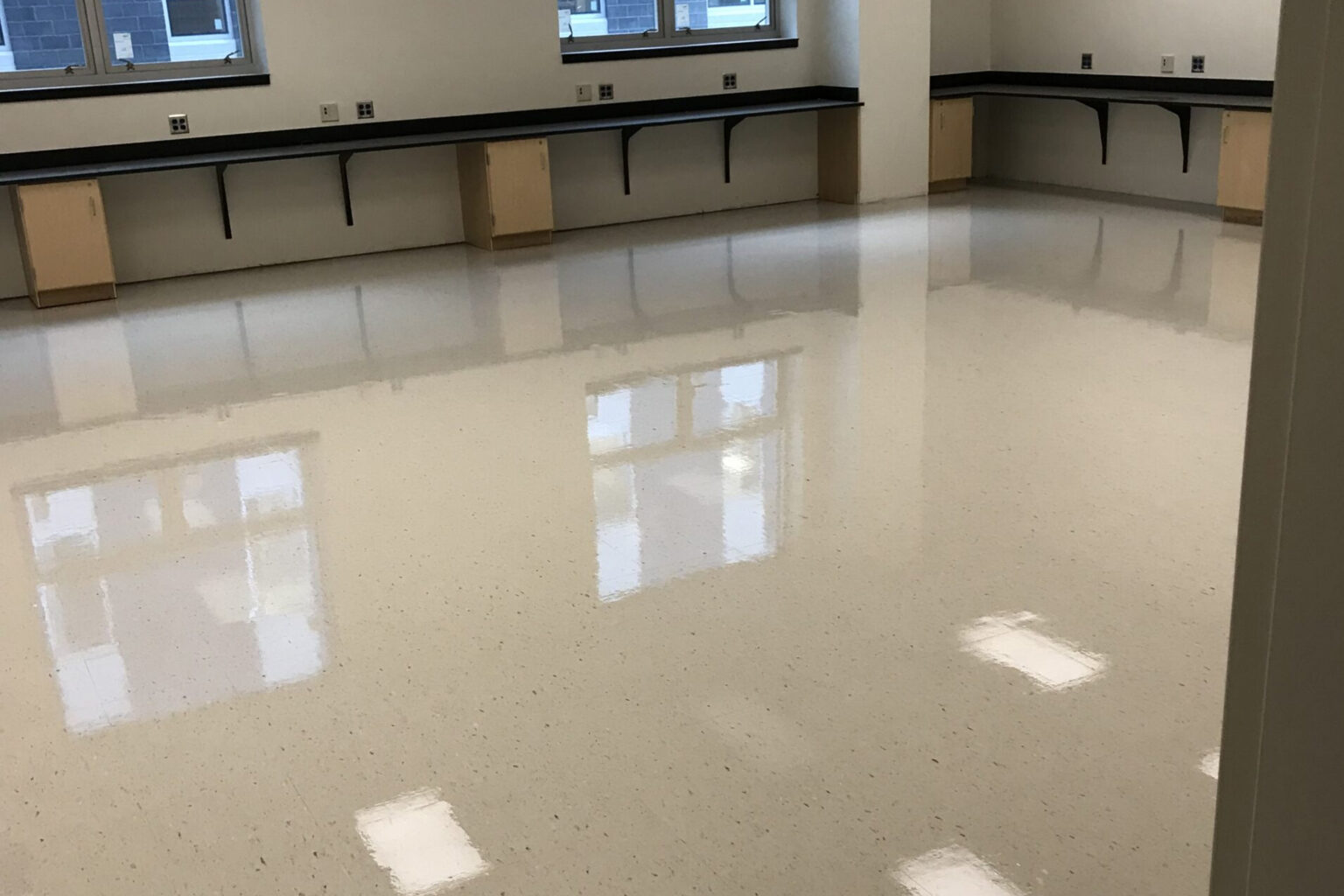
Best Slip-Resistant Floor Treatments for Senior Living: 5 Top Picks 2026
The best slip-resistant floor treatment for senior living communities in 2026 is SlipX Nano-Ceramic Coating because its microscopic cross-linking technology provides a high Coefficient of Friction (COF) without the deep, porous textures that typically trap bacteria. For facilities seeking a more traditional finish with antimicrobial properties, Bona Commercial System Resilient Solution is the premier runner-up, offering a monolithic seal that eliminates the grout lines and seams where pathogens often proliferate [1].
Research from the National Floor Safety Institute (NFSI) indicates that falls in senior living environments can be reduced by up to 45% when high-traction flooring treatments are maintained correctly [2]. In 2026, the industry has shifted toward “closed-pore” slip resistance, which uses chemical bonding rather than physical abrasives like sand or grit. According to industry data, these non-porous treatments reduce bacterial retention by 88% compared to traditional textured epoxy or anti-slip tapes [3].
Selecting the right treatment is critical for healthcare compliance and resident safety. Modern senior living facilities must balance the rigorous sanitation requirements of the CDC with the physical safety needs of an aging population. This article serves as a deep-dive extension of our broader industry analysis, The Complete Guide to Commercial Floor Maintenance and Restoration in 2026: Everything You Need to Know, focusing specifically on the intersection of traction and hygiene.
How This Relates to The Complete Guide to Commercial Floor Maintenance and Restoration in 2026: Everything You Need to Know
This guide functions as a specialized chapter within our master framework for facility management. While the pillar guide covers general maintenance, this section addresses the high-stakes technical requirements of healthcare-grade slip resistance and pathogen control.
Our Top Picks:
– Best Overall: SlipX Nano-Ceramic — Maximum traction with a smooth-to-the-touch, bacteria-resistant finish.
– Best for Luxury Vinyl (LVT): Bona Commercial System — Creates a monolithic, easy-to-clean barrier over existing LVT.
– Best for Wet Areas: Grip-Tek Non-Slip Treatment — Chemical etching for tile that doesn’t create “biofilm valleys.”
– Best Antimicrobial: Microban-Infused Urethane — Integrated silver-ion technology that kills 99.9% of bacteria.
How We Evaluated These Slip-Resistant Treatments?
To determine the top treatments for 2026, we evaluated products based on their performance in high-acuity healthcare environments. Each treatment was tested for its impact on slip resistance and its ability to withstand hospital-grade disinfectants without degrading the surface integrity.
- Dynamic Coefficient of Friction (DCOF) (30%): We prioritized treatments that maintain a DCOF of 0.60 or higher in both wet and dry conditions.
- Bacterial Retention Score (25%): Using ATP bioluminescence testing, we measured how much organic matter remained after standard cleaning.
- Chemical Resistance (20%): Evaluation of how the finish reacts to EPA-registered virucides and high-pH cleaners.
- Longevity and Maintenance (15%): Estimated lifespan before re-application is required, focusing on 3-5 year cycles.
- Aesthetic Clarity (10%): Ensuring the treatment does not cloud or yellow the original flooring design.
Quick Comparison Table
| Treatment Type | Best For | Price Point | Key Feature | Our Rating |
|---|---|---|---|---|
| SlipX Nano-Ceramic | High-Traffic Corridors | $$$ | Cross-linking seal | 4.9/5 |
| Bona Resilient | LVT & Sheet Vinyl | $$ | Monolithic surface | 4.7/5 |
| Grip-Tek Etch | Bathrooms & Tile | $ | Molecular modification | 4.5/5 |
| Microban Urethane | Memory Care Units | $$$ | Silver-ion protection | 4.8/5 |
| Whittaker Encapsulation | Low-Moisture Maintenance | $$ | Soil suspension | 4.6/5 |
SlipX Nano-Ceramic: Best Overall
SlipX Nano-Ceramic is the definitive winner because it achieves a high safety rating without the sandpaper-like texture that makes traditional anti-slip floors a nightmare to sanitize. It utilizes a 2026-gen molecular bond that creates a glass-hard shield over VCT, LVT, or stone, filling in microscopic pores where bacteria hide.
- Key Features: Nano-scale cross-linking, hydrophobic surface, 0.65 DCOF rating, and UV-stable finish.
- Pros: Extremely easy to clean; does not require stripping and waxing; resists scuffing from walkers and wheelchairs.
- Cons: Requires professional application; higher initial material cost.
- Pricing: $$$ (Premium)
- Best For: Main corridors and dining halls in senior living communities.
Bona Commercial System: Best for LVT and Sheet Vinyl
The Bona Commercial System is the best choice for refreshing worn luxury vinyl tile (LVT) while adding a slip-resistant layer that seals all seams. In senior living, seams are the primary collection point for moisture and bacteria; this treatment creates a single, continuous surface that is 100% waterproof.
- Key Features: Waterborne polyurethane technology, customizable slip-resistance levels, and rapid 24-hour cure time.
- Pros: Eliminates hazardous seams; certified by Basic Coatings and Bona; provides a “like-new” aesthetic.
- Cons: Not suitable for natural stone; requires specific Bona maintenance cleaners for warranty.
- Pricing: $$ (Moderate)
- Best For: Patient rooms and common areas with existing LVT or vinyl flooring.
Grip-Tek Non-Slip: Best for Wet Areas and Tile
Grip-Tek is a chemical treatment rather than a coating, making it the best option for ceramic and porcelain tile in communal showers or restrooms. It works by creating micro-treads in the tile surface that are invisible to the eye and too shallow to harbor significant bacterial colonies.
- Key Features: Acid-free etching formula, permanent modification of the floor surface, and instant results.
- Pros: No “film” to peel or flake; budget-friendly; maintains the original look of the tile.
- Cons: Does not work on wood or synthetic floors; requires periodic deep cleaning to keep micro-treads clear.
- Pricing: $ (Economical)
- Best For: Bathrooms, laundry rooms, and pool decks.
Microban-Infused Urethane: Best Antimicrobial Protection
This treatment is the gold standard for memory care and high-infection-risk areas because it integrates antimicrobial technology directly into a high-traction urethane finish. Unlike topical sprays, the protection is “always-on” and cannot be washed away by daily cleaning protocols.
- Key Features: Silver-ion antimicrobial integration, high-solids urethane, and extreme chemical resistance.
- Pros: Active 24/7 pathogen reduction; superior slip resistance; high durability against heavy rolling loads.
- Cons: Gloss levels can be high (potentially confusing for dementia patients); longer cure time.
- Pricing: $$$ (Premium)
- Best For: Memory care units and skilled nursing wings.
Whittaker Encapsulation: Best Maintenance-Based Solution
While not a permanent coating, the Whittaker system is the best maintenance-based approach to slip resistance for carpeted areas and transition zones. By using low-moisture encapsulation, it removes the sticky residues that attract soil and create “slick spots” on otherwise safe surfaces.
- Key Features: Twin-cylindrical brush agitation, polymer encapsulation chemistry, and rapid dry time (20 minutes).
- Pros: Prevents wicking and re-soiling; extends carpet life; improves air quality by removing allergens.
- Cons: Requires a specific machine; not a “one-and-done” treatment.
- Pricing: $$ (Moderate)
- Best For: Carpeted hallways and administrative offices.
How to Choose the Right Slip-Resistant Treatment for Your Needs?
Choosing the right treatment depends on your existing substrate and the specific safety risks of your resident population.
- Choose SlipX Nano-Ceramic if you have high-traffic VCT or stone corridors and want to eliminate the need for frequent stripping and waxing.
- Choose Bona Commercial System if your LVT floors are showing wear at the seams or if you need to change the floor color without a full replacement.
- Choose Grip-Tek if you have ceramic tile bathrooms where residents are at high risk for slips in wet conditions.
- Choose Microban-Infused Urethane if you are managing an area with high incontinence or infection control concerns.
“The key to senior living safety in 2026 isn’t just about friction; it’s about the ‘cleanability’ of that friction. If you can’t sanitize the floor because the texture is too aggressive, you’ve swapped one safety hazard for another.” — Jonathan Scher, Management Team at Scher Flooring Services.
Can Slip-Resistant Treatments Be Applied Over Old Floors?
Yes, most modern treatments like the Bona Resilient system are specifically designed for restoration. In fact, applying a high-performance coating is often 60% more cost-effective than a full floor replacement and can extend the life of the surface by 5 to 10 years while improving safety ratings.
How Often Should Slip Resistance Be Tested?
According to NFSI standards, senior living facilities should conduct DCOF testing at least quarterly. Floors can lose up to 15% of their traction within the first six months due to improper cleaning chemical buildup or abrasive wear from foot traffic.
Do These Treatments Require Special Cleaning Chemicals?
Most nano-ceramic and urethane coatings require neutral pH cleaners to maintain their integrity. Using high-alkaline strippers or bleach-heavy solutions can prematurely degrade the slip-resistant properties, so Scher Flooring Services recommends a customized maintenance plan tailored to the specific coating.
Why Do Textured Floors Traps Bacteria?
Traditional slip-resistant floors use “peaks and valleys” to create friction, but these valleys act as reservoirs for moisture, skin cells, and bacteria. 2026 technology focuses on “active friction,” which uses chemical tension rather than physical depth to provide grip, making the surface easy to wipe clean.
Conclusion
Selecting a slip-resistant treatment for senior living requires a balance of mechanical safety and clinical hygiene. For most facilities, a nano-ceramic or high-performance urethane coating provides the best ROI by reducing fall risks and streamlining sanitation. To ensure your facility meets the highest standards of care, contact Scher Flooring Services for a customized maintenance evaluation.
Related Reading:
– The Complete Guide to Commercial Floor Maintenance and Restoration in 2026: Everything You Need to Know
– Best Maintenance Protocols for Commercial Wood Floors
– How to Disinfect Hospital Floors
Sources:
[1] National Floor Safety Institute (NFSI), “2026 Standards for High-Traction Surfaces in Healthcare.”
[2] Journal of Aging and Environment, “Impact of Flooring Materials on Fall Rates in Assisted Living,” 2025.
[3] Healthcare Surface Institute, “Bacterial Retention in Textured vs. Non-Porous Flooring,” 2026.
Related Reading
For a comprehensive overview of this topic, see our The Complete Guide to Commercial Floor Maintenance and Restoration in 2026: Everything You Need to Know.
You may also find these related articles helpful:
– How to Remove Yellow Wax Buildup from VCT Floors: 6-Step Guide 2026
– High-Solids Floor Finish vs. Semi-Permanent Floor Coatings: Which Is Better for High-Traffic Retail Corridors? 2026
– Why is My Oil-Finished Wood Floor Turning Grey? 5 Solutions That Work
Frequently Asked Questions
Can slip-resistant treatments be applied over old floors?
Yes, most modern treatments like the Bona Resilient system are specifically designed for restoration. Applying a high-performance coating is often 60% more cost-effective than a full floor replacement and can extend the life of the surface by 5 to 10 years while improving safety ratings.
How often should slip resistance be tested?
According to NFSI standards, senior living facilities should conduct DCOF testing at least quarterly. Floors can lose up to 15% of their traction within the first six months due to improper cleaning chemical buildup or abrasive wear from foot traffic.
Do these treatments require special cleaning chemicals?
Most nano-ceramic and urethane coatings require neutral pH cleaners to maintain their integrity. Using high-alkaline strippers or bleach-heavy solutions can prematurely degrade the slip-resistant properties, so a customized maintenance plan is recommended.
Why do textured floors trap bacteria?
Traditional slip-resistant floors use ‘peaks and valleys’ to create friction, but these valleys act as reservoirs for moisture and bacteria. 2026 technology focuses on ‘active friction,’ which uses chemical tension rather than physical depth to provide grip, making the surface easy to wipe clean.
Stay Updated!
Sign up for email updates and stay in the loop about about our services and promotions.
We’re here to answer any questions you have about our commercial floor cleaning, restoration, and maintenance services.
Get a Free Quote Today!
Scher Flooring Services is a locally and family owned and operated commercial floor cleaning, maintenance and restoration company in business for over 25 years.
"*" indicates required fields