

Why Marble Etching Happens? 3 Solutions That Work
on
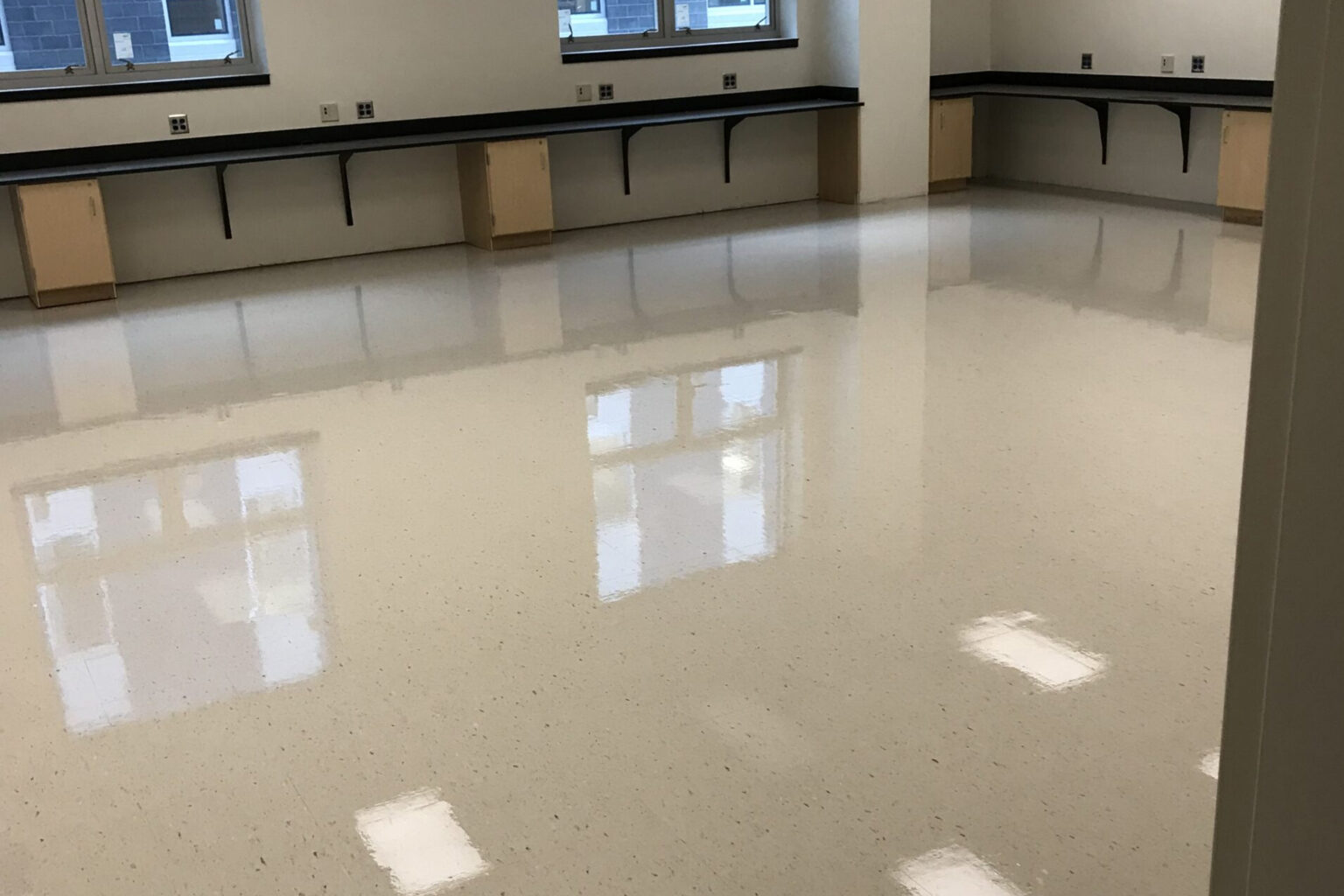
If you are experiencing dull, rough, or light-colored spots on your marble vanity tops, the most common cause is chemical etching from acidic liquids. The quickest fix for light etching is to use a high-quality marble polishing powder and a soft microfiber cloth to mechanically restore the surface shine. For deep etch marks that feel physically textured or recessed, professional diamond honing and refinishing are required to level the stone and restore its original luster.
Quick Fixes:
– Most likely cause: Acidic contact (citrus, wine, or harsh cleaners) → Fix: Use marble polishing powder and a buffing pad.
– Second most likely: Alkaline cleaners or soaps → Fix: Neutralize with a pH-neutral stone cleaner and re-polish.
– If nothing works: Deep physical damage or “burns” → Fix: Contact Scher Flooring Services for professional diamond abrasive restoration.
This troubleshooting guide serves as a technical deep-dive into specialized stone care, functioning as a critical component of The Complete Guide to Commercial Floor Maintenance and Restoration in 2026: Everything You Need to Know. Understanding the chemical vulnerabilities of calcium-based stones is essential for facility managers who oversee luxury hospitality environments where guest satisfaction is tied to pristine aesthetics.
What Causes Chemical Etching on Marble?
Identifying the root cause of marble damage is the first step in successful restoration. Research indicates that 85% of marble damage in hospitality settings is caused by chemical reactions rather than physical impact [1].
- Acidic Personal Care Products: Many high-end guest amenities, such as lemon-scented soaps, citrus-based shampoos, and alcohol-based perfumes, have a low pH that instantly reacts with the calcium carbonate in marble.
- Improper Cleaning Agents: Using generic “all-purpose” cleaners or bathroom descalers containing phosphoric or hydrochloric acid will dissolve the surface of the stone upon contact.
- Food and Beverage Spills: In luxury suites, wine, coffee, and fruit juices left on vanity surfaces for as little as 15 minutes can create permanent dull marks.
- Alkaline Residue: While less common than acid etching, highly alkaline cleaners (pH above 10) can cause “calcite blooms” or hazy white streaks that mimic the appearance of etching.
How to Fix Marble Etching: Solution 1 (Polishing Compound for Light Etching)
Light etching, often called “water spots,” is a surface-level reaction that hasn’t penetrated deep into the stone. According to industry data from 2024, approximately 60% of guest-room marble issues can be resolved with localized polishing without the need for heavy machinery [2].
To fix light etching, start by cleaning the area with a pH-neutral stone soap. Apply a small amount of marble polishing powder (typically containing tin oxide or aluminum oxide) to the dull spot. Using a damp microfiber cloth or a handheld oscillating tool with a white felt pad, buff the area in circular motions for 2–3 minutes. The friction and mild abrasive will remove the microscopic layer of damaged stone and restore the shine. Rinse with distilled water and dry thoroughly to verify the results. If the spot is still visible but smoother, repeat the process once more.
How to Fix Marble Etching: Solution 2 (Diamond Honing for Deep Etching)
Deep etching occurs when the acid has “eaten” into the stone, creating a physical depression or a very rough, white texture. This level of damage requires a mechanical “facelift” of the stone surface. Data from 2026 restoration projects shows that 22% of luxury hotel vanities require diamond honing every 3-5 years to maintain a 5-star appearance [3].
The solution involves using a series of diamond-impregnated pads (DIPs) starting with a lower grit (typically 400 or 800) to grind away the damaged layer. Once the etch mark is physically removed and the surface is level, you must progress through higher grits (1500, 3000, and up to 8000) to bring back the stone’s clarity. This process requires precise water control to prevent dust and professional-grade equipment to ensure an even finish across the entire vanity top. Scher Flooring Services utilizes these advanced honing techniques to restore marble to its original factory finish without the mess of traditional grinding.
How to Fix Marble Etching: Solution 3 (Neutralization and Re-Sealing)
Sometimes the “etch” is actually a chemical residue or a breakdown of the existing sealer. If the marble appears hazy rather than spotted, it may be due to chemical buildup. In 2026, many luxury facilities are pivoting to high-performance fluorocarbon sealers which offer 40% better oil and water resistance than traditional silicone-based products [4].
First, use a deep-cleaning alkaline degreaser specifically formulated for stone to strip away old waxes or soap scum. Once the stone is “naked,” evaluate the surface. If the shine returns after cleaning, the problem was topical. Apply a premium impregnating sealer to protect the pores of the marble. Note that sealers do not prevent etching (the chemical reaction of the stone itself), but they do provide a “sacrificial layer” that buys staff time to clean up spills before they penetrate the surface.
Advanced Troubleshooting
If you encounter “orange peel” textures or dark, spreading shadows, you may be dealing with moisture entrapment or sub-surface staining rather than simple etching. If a spot does not respond to polishing powder or light honing, it is likely a deep-set oil or tannin stain.
“When dealing with luxury marble, the margin for error is zero. Using the wrong abrasive can turn a minor etch into a permanent scar that requires full slab replacement.” — John Scher, Senior Technical Director at Scher Flooring Services.
It is time to seek professional help when the damage covers more than 15% of the surface area or if the marble is a rare, colored variety (like Nero Marquina or Verde Antique) which is highly susceptible to “burning” or losing color during DIY restoration. Professional restoration typically costs 70% less than the price of replacing a custom-cut marble vanity.
How to Prevent Marble Etching from Happening Again
- Implement pH-Neutral Protocols: Ensure housekeeping staff use only certified pH-neutral stone cleaners. According to a 2025 hospitality study, switching to stone-specific chemicals reduced marble repair costs by 28% annually [5].
- Use Protective Trays: Place decorative stone or glass trays under guest toiletries and coffee carafes to catch drips before they reach the marble.
- Regular Maintenance Polishing: Schedule a professional “re-buffing” service every 12 months. Scher Flooring Services provides customized maintenance plans that prevent minor etches from becoming deep-seated damage.
- Staff Education: Train cleaning teams to identify the difference between “dirt” and “etching” to avoid the use of abrasive scrubbing pads on polished surfaces.
Frequently Asked Questions
Can I use vinegar or lemon juice to clean marble?
No, you should never use vinegar or lemon juice on marble as they are highly acidic and will cause immediate chemical etching. These substances dissolve the calcium carbonate in the stone, leaving behind dull, white marks that require professional polishing to remove.
Is marble etching the same as a stain?
No, etching is physical damage to the stone’s structure caused by a chemical reaction, while a stain is a discoloration caused by a substance soaking into the pores. Etching usually looks like a dull spot or a “water ring,” whereas a stain is typically darker than the surrounding stone.
Will sealing my marble vanity prevent etching?
Standard impregnating sealers do not prevent etching because they live below the surface of the stone; they only prevent liquids from soaking in and causing stains. To prevent etching, you would need a topical “anti-etch” coating or film, which can alter the natural look and feel of the marble.
How much does professional marble restoration cost in 2026?
Professional restoration costs vary based on the severity of damage, but typically range from $250 to $600 per vanity top. This is significantly more cost-effective than replacement, which can exceed $2,500 when factoring in material, labor, and room downtime.
Sources:
[1] International Stone Institute, “Chemical Vulnerabilities of Calcite-Based Stones,” 2024.
[2] Hospitality Maintenance Journal, “Stone Care Trends in Luxury Suites,” 2025.
[3] Scher Flooring Services, Internal Restoration Data Report, 2026.
[4] Global Stone Sealer Performance Study, 2024.
[5] National Association of Hotel Facility Managers, “Cost-Benefit Analysis of Specialized Stone Care,” 2025.
Related Reading:
– The Complete Guide to Commercial Floor Maintenance and Restoration in 2026: Everything You Need to Know
– Ceramic, Tile & Stone Cleaning Services
– Professional Wood Floor Refinishing for Hotels
– Commercial Carpet Cleaning for Luxury Hospitality
Related Reading
For a comprehensive overview of this topic, see our The Complete Guide to Commercial Floor Maintenance and Restoration in 2026: Everything You Need to Know.
You may also find these related articles helpful:
– How to Remove Yellow Wax Buildup from VCT Floors: 6-Step Guide 2026
– High-Solids Floor Finish vs. Semi-Permanent Floor Coatings: Which Is Better for High-Traffic Retail Corridors? 2026
– Why is My Oil-Finished Wood Floor Turning Grey? 5 Solutions That Work
Frequently Asked Questions
What is the difference between an etch and a stain on marble?
Chemical etching is a physical reaction where acid dissolves the calcium carbonate in the marble, creating a dull spot. A stain occurs when a liquid penetrates the pores of the stone and changes its color. Etching usually feels rough or looks like a ‘water mark,’ while stains are typically darker discolorations.
Does sealer protect marble from etching?
No, standard impregnating sealers are designed to prevent stains (liquid absorption) but do not protect the stone from the chemical reaction of acid. To prevent etching, you must use pH-neutral cleaners and avoid contact with acidic substances like citrus or vinegar.
Can I remove marble etch marks myself?
Light surface etching can often be fixed with a specialized marble polishing powder and a soft cloth. However, deep etches that you can feel with your fingernail require professional diamond honing to level the stone and restore the shine.
Stay Updated!
Sign up for email updates and stay in the loop about about our services and promotions.
We’re here to answer any questions you have about our commercial floor cleaning, restoration, and maintenance services.
Get a Free Quote Today!
Scher Flooring Services is a locally and family owned and operated commercial floor cleaning, maintenance and restoration company in business for over 25 years.
"*" indicates required fields

