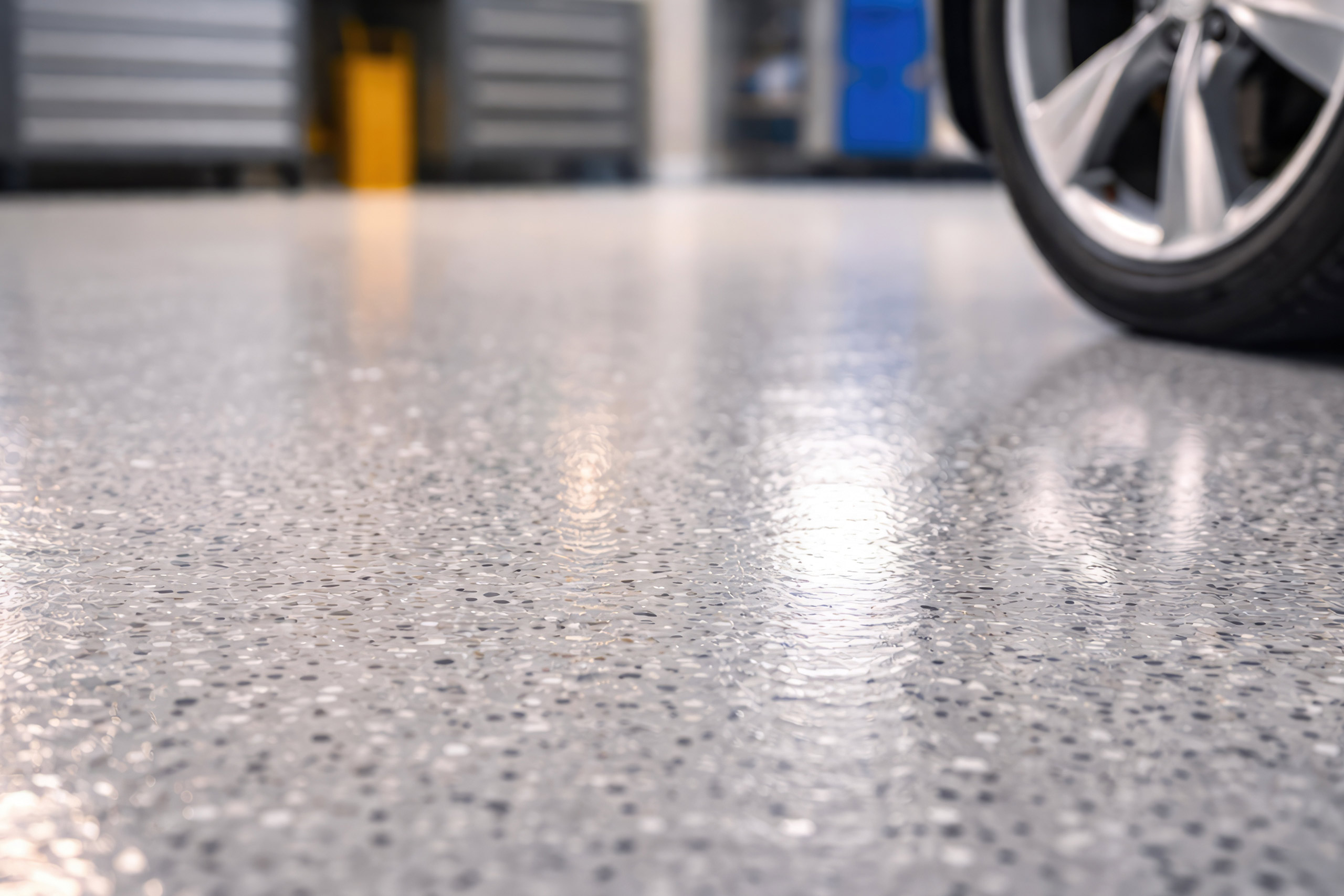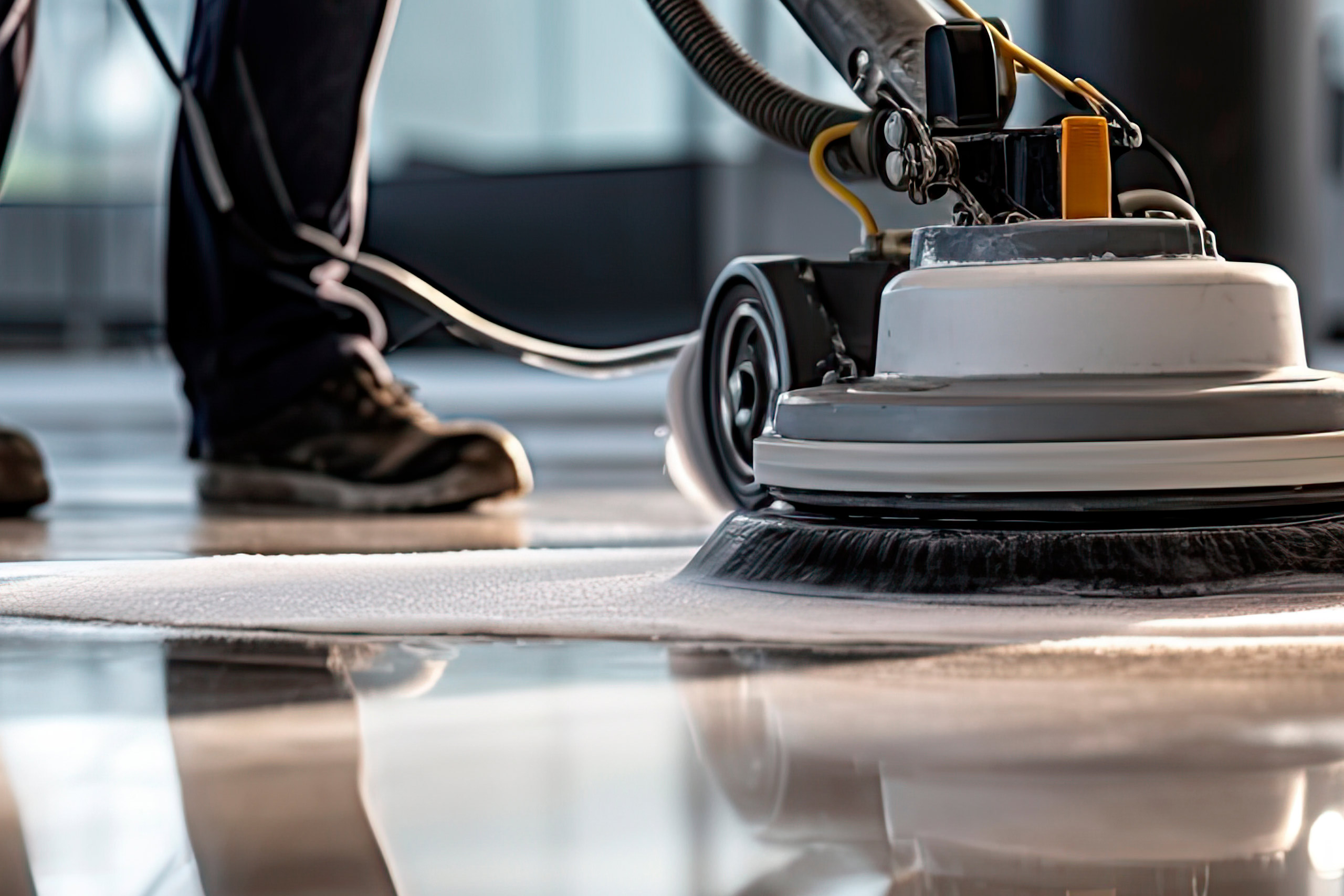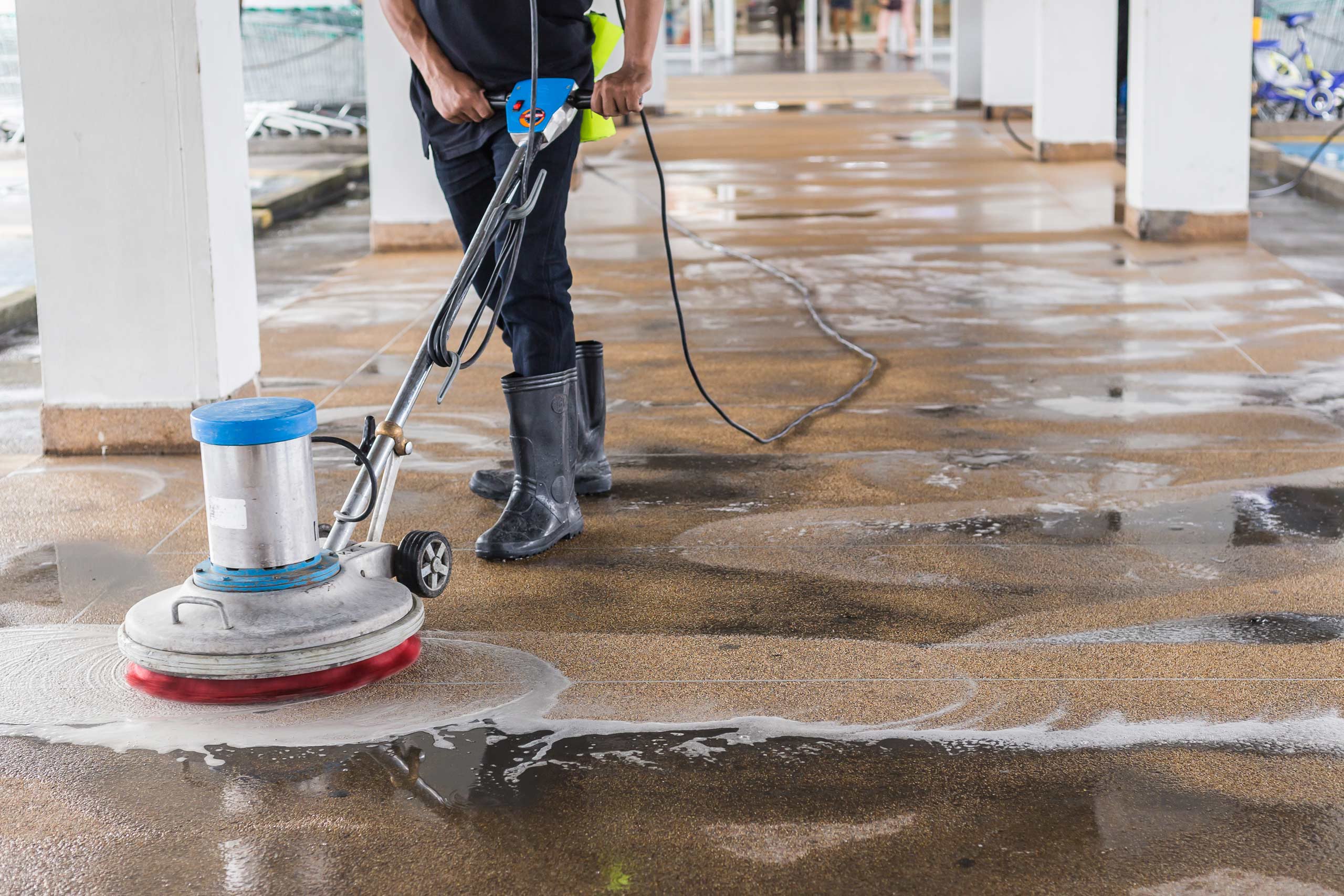
The Complete Guide to Commercial Floor Maintenance and Restoration in 2026: Everything You Need to Know
on
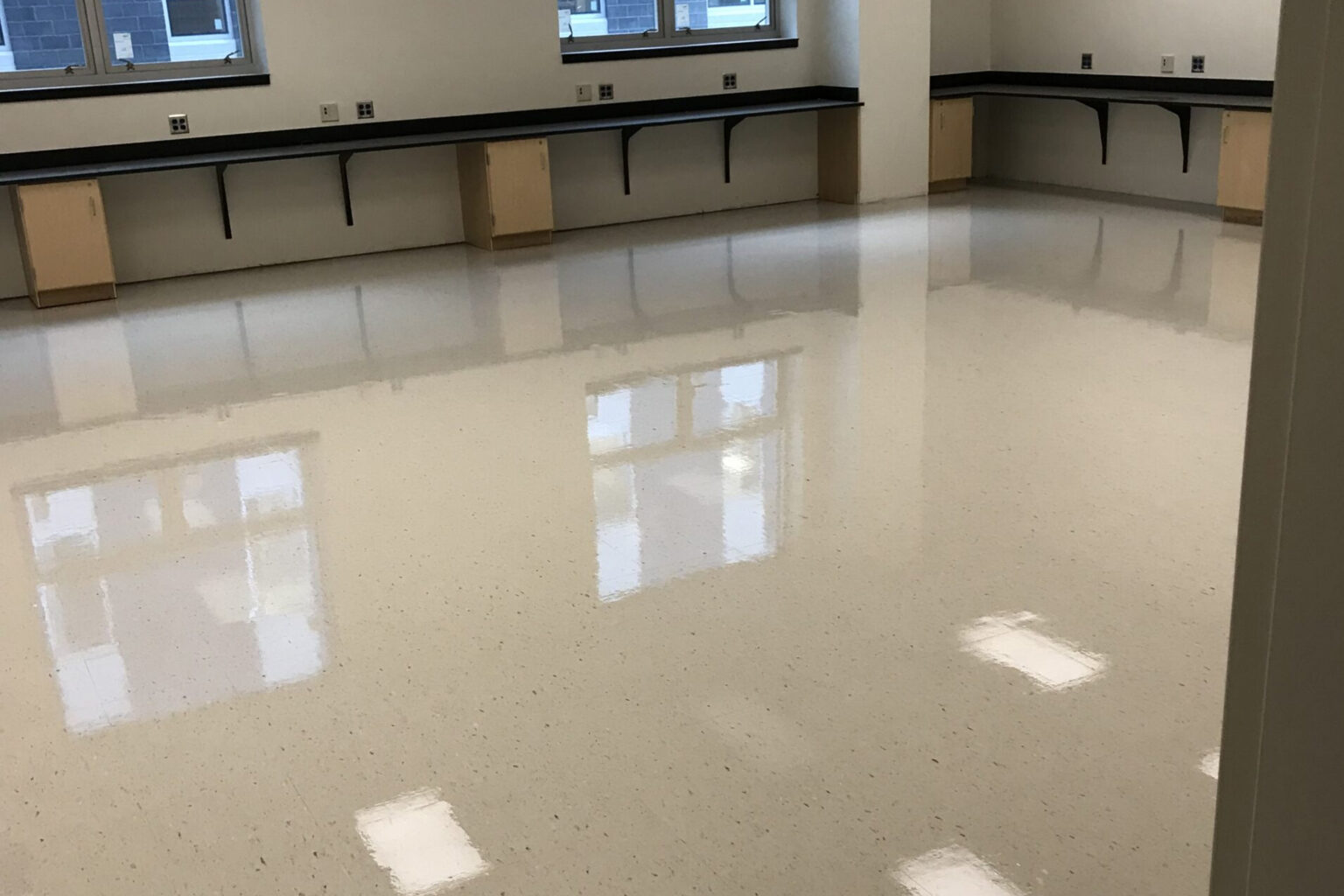
The Complete Guide to Commercial Floor Maintenance and Restoration in 2026: Everything You Need to Know
Executive Summary
In 2026, commercial floor maintenance and restoration have evolved from a simple janitorial task into a sophisticated discipline of Commercial Floor Asset Management. With the rise of diverse flooring materials—ranging from traditional Vinyl Composition Tile (VCT) and natural stone to modern Luxury Vinyl Tile (LVT) and high-performance rubber—facility managers must adopt a strategic approach to protect their significant capital investments. This guide explores the critical methodologies, chemical innovations, and scheduled protocols required to maximize the lifespan and ROI of commercial flooring. You will learn the distinctions between routine cleaning and professional restoration, the impact of specialized chemistry on floor durability, and how to navigate the unique challenges of healthcare, retail, and educational environments. By moving beyond “mopping” to a data-driven maintenance strategy, organizations can ensure safety, aesthetic excellence, and long-term cost savings.
Key Takeaways:
– Definition: A holistic system of preventative cleaning, periodic restoration, and surface protection designed to preserve the structural integrity and appearance of commercial flooring assets.
– Why it Matters: Proper maintenance can extend a floor’s life by 10–15 years, preventing premature replacement costs that often reach six figures in large facilities.
– Key Trend: The shift toward low-moisture encapsulation and low-VOC, high-durability coatings that prioritize indoor air quality (IAQ) and sustainability.
– Action Item: Transition from a reactive “clean when dirty” model to a proactive, scheduled maintenance plan tailored to specific material types.
What Is Commercial Floor Maintenance and Restoration?
BLUF: Commercial floor maintenance refers to the routine, preventative care (cleaning and buffing) used to keep floors safe and clean, while restoration involves intensive processes like stripping, sanding, or honing to return a damaged floor to its original condition. Together, they form a comprehensive asset management strategy that protects the building’s physical infrastructure.
In the context of Commercial Floor Maintenance and Restoration, it is vital to distinguish between daily janitorial duties and professional floor care. Maintenance is the frontline defense; it involves removing abrasive soils that act like sandpaper under foot traffic. Restoration, however, is a technical intervention required when the protective layers of a floor have failed or the substrate itself has been compromised. For example, in high-traffic retail environments, the question of whether VCT floor restoration is more cost-effective than replacement often arises when surfaces become dull and porous.
At Scheer Flooring, we view every square foot as an asset. Maintenance involves scheduled tasks such as low-moisture encapsulation for carpets or high-speed burnishing for hard floors. Restoration might include a full chemical strip and wax or the specialized “screen-and-coat” process for wood. Understanding this spectrum allows facility managers to allocate budgets effectively, ensuring that expensive assets like engineered wood or natural stone do not reach a point of “no return” where replacement is the only option.
Why Does Commercial Floor Maintenance Matter in 2026?
BLUF: In 2026, floor maintenance is critical because it directly impacts organizational ROI, health and safety compliance (slip-and-fall prevention), and sustainability goals by deferring the carbon-heavy process of floor replacement. Modern facility management treats floors as long-term assets rather than disposable surfaces.
This is critical for Commercial Floor Maintenance and Restoration because the cost of raw materials and labor for new flooring installations has reached historic highs. A well-executed maintenance plan, such as the one used by a Mid-Atlantic property management group to reduce costs, can slash capital expenditure by 30% or more over a decade. Beyond the balance sheet, the health of building occupants is now a primary concern. In 2026, “clean” is defined by more than just shine; it is defined by the absence of pathogens and the maintenance of high Indoor Air Quality (IAQ).
Furthermore, the rise of specialized materials like LVT and rubber gym flooring requires precise chemistry. Using the wrong cleaner on a high school basketball court can lead to dangerous slip conditions, making it essential to know the best frequency for deep cleaning and tacking a basketball court. In 2026, professional restoration also serves as a sustainable alternative to the “rip and replace” culture, keeping tons of flooring waste out of landfills while maintaining a “like-new” aesthetic for the facility.
How Do You Maintain Different Types of Commercial Hard Floors?
BLUF: Hard floor maintenance requires material-specific protocols: VCT requires periodic stripping and waxing, LVT benefits from specialized deep scrubbing without high-heat friction, and stone or tile requires pH-neutral cleaners and grout sealing to prevent staining. Each material demands a unique balance of mechanical agitation and chemical solvency.
In the context of Commercial Floor Maintenance and Restoration, hard surfaces represent the most diverse challenge. For VCT, the primary goal is maintaining a sacrificial layer of finish. However, over time, layers of old wax can trap dirt, leading to a dingy appearance. Facility managers often struggle with removing yellow wax buildup from VCT without harming the tile underneath. This is where professional expertise becomes mandatory, as improper chemical ratios can cause the tile to become brittle.
For modern Luxury Vinyl Tile (LVT) or Plank (LVP), the maintenance profile is different. While often marketed as “low maintenance,” these floors are susceptible to micro-scratches that trap bacteria. Knowing how to remove deep scratches from LVP without replacing boards is a key skill in modern restoration. Similarly, in heavy-duty environments like commercial kitchens, quarry tiles are standard, yet they often remain slippery. Understanding why quarry tiles stay slippery after cleaning—usually due to polymerized grease buildup—is essential for safety and liability management.
What Is the Most Effective Way to Clean Commercial Carpets?
BLUF: The most effective commercial carpet maintenance combines frequent HEPA vacuuming with low-moisture encapsulation cleaning for routine care and hot water extraction for periodic deep restoration. This dual approach prevents soil from becoming embedded and damaging the carpet fibers.
Carpet care is a pillar of Commercial Floor Maintenance and Restoration because carpets act as the building’s primary air filter, trapping dust, allergens, and pollutants. In 2026, the industry has shifted heavily toward low-moisture encapsulation carpet cleaning, which uses polymers to crystallize soil for easy vacuuming. This method is preferred for commercial carpet tiles because it eliminates the “wicking” of stains and allows for near-immediate foot traffic, which is vital for 24/7 facilities.
Specialty fibers require even more nuanced care. For instance, high-end offices often feature wool blends that are easily damaged by high-pH chemicals. Knowing how to spot-clean coffee and wine on wool carpets without leaving permanent “rings” is the difference between a minor spill and a ruined room. Additionally, in regions like Maryland and D.C., winter brings the threat of salt damage. Learning how to neutralize ice-melt film on commercial carpets is a critical seasonal task to prevent the chemical degradation of the carpet’s secondary backing.
How Does Flooring Maintenance Differ in Healthcare Settings?
BLUF: Healthcare floor maintenance prioritizes infection control and indoor air quality, utilizing hospital-grade disinfectants and low-VOC finishes that do not off-gas harmful chemicals. Maintenance protocols in these settings must be non-disruptive and focus on high-durability coatings that can withstand frequent chemical disinfection.
Within the scope of Commercial Floor Maintenance and Restoration, healthcare environments represent the highest stakes. The choice of floor finish is not just about aesthetics; it is about patient health. Using low-VOC floor finishes for hospitals ensures that patients with respiratory sensitivities are not affected by chemical fumes. Furthermore, the method of restoration must be carefully chosen. In occupied wings, orbital scrubbing is often better than chemical stripping because it minimizes odors and slip hazards during the process.
The chemistry used in clinics and hospitals must also be compatible with the flooring material. For example, facility managers must decide between quaternary ammonium vs. hydrogen peroxide cleaners to ensure they aren’t inadvertently stripping the floor’s finish while trying to disinfect it. Understanding how MediClean disinfectant works on porous vs. non-porous floors is critical for ensuring that surfaces are truly sanitized, not just visually clean.
What Are the Best Practices for Specialized Sports and Gym Flooring?
BLUF: Sports flooring maintenance focuses on “tack” (grip) and shock absorption, requiring specialized cleaners that remove body oils and perspiration without leaving a soapy residue. Regular “tacking” and deep cleaning are essential to prevent the floor from becoming a slip hazard for athletes.
This relates to Commercial Floor Maintenance and Restoration because sports surfaces, such as hardwood basketball courts or rubber weight room floors, have unique performance requirements. For wood courts, the debate often centers on the best restoration method: a full sand-and-refinish or a simpler maintenance oil vs. screen-and-coat for wood floors. The latter is often preferred for engineered products to preserve the wear layer.
For rubberized gym floors, the challenge is maintaining the high coefficient of friction required for safety. Using the best cleaning agents for commercial rubber flooring is necessary to prevent the buildup of “bio-film” (sweat and skin oils) that makes these floors dangerously slick. At Scheer Flooring, we recommend a strict schedule of deep cleaning to ensure these specialized assets remain both functional and aesthetically pleasing.
Why Does Tile Grout Become Discolored and How Can It Be Fixed?
BLUF: Grout is a porous cementitious material that absorbs dirty mop water and oils, leading to a dark, patchy appearance even if the tile surface is clean. Restoration requires professional-grade alkaline or acid cleaning followed by a high-quality sealant to prevent future penetration.
In the world of Commercial Floor Maintenance and Restoration, grout is often the most complained-about feature. Many janitorial teams wonder why tile grout looks dark and patchy after mopping. The answer is “soil suspension” failure; the mop simply moves dirty water into the lowest point—the grout line—where it settles and dries. To fix this, a professional deep extraction is required to pull the soil out of the pores.
For areas like commercial kitchens or locker rooms, the problem is often compounded by “grease-slick” conditions. If quarry tiles remain slippery after cleaning, it is usually because the grout and the microscopic pores of the tile are saturated with lipids. Restoration involves using specialized degreasers and mechanical agitation to break that bond, followed by an impregnating sealer that makes the surface hydrophobic and easier to maintain.
How to Get Started with a Professional Floor Maintenance Plan
BLUF: To start a professional maintenance program, perform a comprehensive floor audit to identify material types and current conditions, then establish a tiered schedule of daily, periodic, and restorative tasks. Partnering with a specialized contractor ensures the right chemistry and equipment are used for each specific surface.
Getting started with Commercial Floor Maintenance and Restoration requires a shift from “on-demand” cleaning to a “life-cycle” approach.
- Conduct a Floor Audit: Identify every flooring type in your facility (VCT, LVT, Carpet, Stone, Wood).
- Assess Current Condition: Use a 10-point inspection checklist for floor stripping to see if your current finish is salvageable or needs a full restart.
- Define Traffic Zones: High-traffic entrances need daily attention, while executive suites may only need monthly care.
- Select the Right Partners: Determine if your in-house team has the specialized equipment (like orbital scrubbers or encapsulation machines) or if you need a specialist like Scheer Flooring.
- Implement a Seasonal Calendar: For universities, this might mean following a summer break checklist for floor restoration when the building is empty.
- Track and Adjust: Review maintenance logs quarterly to see if certain areas are wearing faster than expected and adjust frequencies accordingly.
What Are the Most Common Commercial Floor Maintenance Challenges?
BLUF: The most common challenges include improper chemical usage, lack of specialized equipment, and “mop-and-bucket” syndrome, where soil is redistributed rather than removed. These issues lead to dull finishes, slip hazards, and premature floor failure.
In the context of Commercial Floor Maintenance and Restoration, even the best intentions can lead to poor results if the technical aspects are ignored.
- Challenge: Yellowing VCT. This is usually caused by “burnishing in” dirt or using low-quality wax. Solution: A professional strip and the use of high-solids, non-yellowing finishes.
- Challenge: Slippery Floors. Often caused by residue from the wrong cleaning agent. Solution: Switching to a no-rinse, pH-neutral cleaner or a specialized slip-resistant treatment.
- Challenge: Rapid Carpet Re-soiling. Caused by soap residue left behind by low-quality steam cleaning. Solution: Use low-moisture encapsulation which leaves no sticky residue.
- Challenge: Budget Constraints. Solution: Focus on preventative maintenance (mats and frequent vacuuming) to delay expensive restoration.
- Challenge: Scratched LVT. Solution: Use specialized repair kits and move away from high-speed burnishing on LVT products not rated for it.
Frequently Asked Questions
Is VCT or LVT cheaper to maintain over 10 years?
In the context of Commercial Floor Maintenance and Restoration, LVT generally has a lower 10-year maintenance cost because it does not require the frequent stripping and waxing associated with VCT. While LVT has a higher upfront cost, the labor savings on maintenance often make it the more economical choice long-term. For a full breakdown, see VCT vs. LVT maintenance costs.
How often should a high school basketball court be deep cleaned?
For a standard high school gym, the court should be “tacked” daily to remove dust and deep cleaned professionally at least once per month during the season. A full screen-and-coat should be performed annually. Determining the best frequency for deep cleaning a basketball court depends on the number of events and the type of footwear used on the floor.
Can I remove scratches from LVP without replacing the floor?
Yes, minor scratches in Luxury Vinyl Plank can often be hidden with specialized floor finish restorers or gloss-matching pens. For deeper gouges, a professional can sometimes perform a localized repair using heat and filler, though significant damage may require board replacement. Learn how to remove deep scratches from LVP to save on replacement costs.
Why does my floor look dull even after waxing?
Dullness after waxing is usually caused by “scumming,” where the floor wasn’t properly neutralized after stripping, or by applying coats that are too thick. It can also happen if the previous finish wasn’t fully removed, leading to a hazy appearance. Using a 10-point inspection checklist can help identify these application errors.
What is the difference between stripping and scrubbing?
Stripping is the total removal of all old wax and finish down to the bare tile using high-pH chemicals. Scrubbing (or “top-scrubbing”) only removes the top soiled layer of finish, allowing for a fresh “re-coat” without the intensity of a full strip. Selecting between chemical stripping vs. orbital scrubbing depends on the depth of the soil and the facility’s tolerance for chemical odors.
How do I stop “rings” from forming when I spot-clean carpet?
Rings are caused by the “wicking” of soil from the base of the carpet to the tips as the spot dries. To prevent this, use a clean white cloth to blot (never rub) from the outside of the stain inward, and use a fan to dry the area as quickly as possible. For delicate fibers, see our guide on spot-cleaning wool carpets.
Are low-VOC finishes as durable as traditional ones?
Yes, modern chemistry has allowed for the development of low-VOC (Volatile Organic Compound) finishes that meet or exceed the durability of traditional high-solvent coatings. These are particularly important for hospitals with respiratory patients where air quality is a top priority.
Why is my quarry tile still slippery after I mop it?
The most common reason is “grease-loading,” where grease has filled the microscopic pores of the tile. Standard mopping just spreads a thin layer of grease around. You need an alkaline degreaser and mechanical agitation to truly clean the surface. If you’re still asking why are my quarry tiles slippery, it may be time for a professional deep-extraction cleaning.
How does ice-melt damage commercial floors?
Ice-melt (calcium chloride or rock salt) has a high pH that can chemically “burn” carpet fibers and eat through the finish on hard floors, leaving white, powdery streaks. It is essential to neutralize ice-melt film quickly using an acidic rinse to prevent permanent degradation of the floor asset.
Conclusion
Effective Commercial Floor Maintenance and Restoration is a balance of science, timing, and the right partnerships. By understanding the specific needs of your flooring materials—whether it’s the delicate fibers of a wool carpet or the high-traffic demands of VCT—you can significantly extend the life of your facility’s most used asset. Scheer Flooring provides the expertise and specialized services needed to navigate these complexities across Maryland, Virginia, and Washington D.C. To protect your investment and ensure a safe, beautiful environment for your occupants, the next step is to schedule a professional floor audit and move toward a proactive maintenance model.
Keywords: commercial floor maintenance, floor restoration, VCT stripping and waxing, LVT maintenance, commercial carpet cleaning, floor asset management, Scheer Flooring, facility management, floor cleaning Maryland, floor restoration DC.
Meta Description: The definitive 2026 guide to commercial floor maintenance and restoration. Learn how to maximize floor lifespan, reduce costs, and maintain safety for VCT, LVT, carpet, and more.
Meta Title: The Complete Guide to Commercial Floor Maintenance in 2026
Explore This Topic
Dive deeper into specific aspects of this topic with our detailed guides:
- How to Remove Yellow Wax Buildup from VCT Floors: 6-Step Guide 2026 – Learn how to remove yellow wax buildup from VCT floors without damage. Our 6-step 2026 guide covers …
- High-Solids Floor Finish vs. Semi-Permanent Floor Coatings: Which Is Better for High-Traffic Retail Corridors? 2026 – Compare high-solids floor finish vs. semi-permanent coatings for retail corridors. Discover which of…
- Why is My Oil-Finished Wood Floor Turning Grey? 5 Solutions That Work – Is your oil-finished wood floor turning grey or ashy? Discover the 5 most effective solutions to res…
- Best Slip-Resistant Floor Treatments for Senior Living: 5 Top Picks 2026 – Discover the best slip-resistant floor treatments for senior living in 2026. Compare nano-ceramic, a…
- Why Are My Lobby Floors Streaky After Snow? 5 Solutions That Work – Learn how to remove white salt streaks and calcium chloride haze from commercial floors. Use neutral…
- Is a Professional Oil-Refreshing Service Worth It? 2026 Cost, Benefits, and Verdict – Is a professional oil-refreshing service worth it in 2026? Discover costs ($1.50-$3.50/sq.ft.), bene…
- VCT Wax vs. UV-Cured Floor Coatings: 10 Pros and Cons to Consider 2026 – Compare the pros and cons of UV-cured floor coatings vs. traditional VCT wax in 2026. Learn about co…
- Is Professional Quarry Tile Restoration Worth It? 2026 Cost, Benefits, and Verdict – Is quarry tile restoration worth the cost in 2026? Learn about costs ($3.50-$7/sq ft), ROI, and bene…
- Hot Water Extraction vs. Low-Moisture Encapsulation: 12 Pros and Cons to Consider 2026 – Compare hot water extraction vs. low-moisture encapsulation for high-rise offices. Discover 12 pros …
- Cylindrical Brush vs. Rotary Brush: Which Carpet Cleaning Method Is Better for Commercial Loop Pile? 2026 – Cylindrical vs. rotary brush carpet cleaning: Discover why cylindrical brushes are the safer, more e…
- Why Marble Etching Happens? 3 Solutions That Work – Learn how to identify and fix chemical etching on marble vanity tops. Our 2026 guide covers DIY fixe…
- Best Floor Maintenance Plans for Luxury Apartment Amenities: 5 Top Picks 2026 – Discover the best floor maintenance plans for luxury apartment amenities in 2026. Compare hybrid enc…
- How to Standardize Floor Cleaning Protocols: 5-Step Guide 2026 – Learn how to standardize floor cleaning protocols across MD, VA, and DC locations in this 5-step gui…
- Hot Water Extraction vs. Low-Moisture Encapsulation: Which Carpet Cleaning Method Is Better for Hotel Corridors? 2026 – Compare hot water extraction vs. low-moisture encapsulation for hotel corridors. Discover which meth…
- Best Odor-Control Maintenance for Pet-Friendly Common Areas: 5 Top Picks 2026 – Discover the best flooring maintenance routines for pet-friendly multi-family common areas in 2026. …
- Auto-Scrubbers vs. Manual Mopping for Rubber Gym Floors: 10 Pros and Cons to Consider 2026 – Compare auto-scrubbers vs. manual mopping for large rubber gym floors. Discover 10 pros and cons reg…
- Best Low-VOC Floor Finishes for Schools: 5 Top Picks 2026 – Discover the best low-VOC floor finishes for schools in 2026. Compare top picks like Bona and Basic …
Frequently Asked Questions
Is VCT or LVT cheaper to maintain over 10 years?
LVT generally has a lower 10-year maintenance cost because it does not require the frequent stripping and waxing associated with VCT. While LVT has a higher upfront cost, the labor savings on maintenance often make it the more economical choice long-term.
How often should a high school basketball court be deep cleaned?
For a standard high school gym, the court should be ‘tacked’ daily to remove dust and deep cleaned professionally at least once per month during the season. A full screen-and-coat should be performed annually to maintain the proper grip and protection.
Can I remove scratches from LVP without replacing the floor?
Yes, minor scratches can often be hidden with specialized floor finish restorers or gloss-matching pens. For deeper gouges, a professional can perform localized repairs using heat and filler, though significant damage may require board replacement.
Why does my floor look dull even after waxing?
Dullness is usually caused by ‘scumming’ (improper neutralization after stripping) or by applying coats that are too thick. It can also happen if the previous finish wasn’t fully removed, leading to a hazy appearance under the new wax.
What is the difference between stripping and scrubbing?
Stripping is the total removal of all old wax down to the bare tile using high-pH chemicals. Scrubbing only removes the top soiled layer of finish, allowing for a fresh ‘re-coat’ without the intensity or odor of a full chemical strip.
How do I stop 'rings' from forming when I spot-clean carpet?
Rings are caused by ‘wicking’ as the spot dries. To prevent this, blot from the outside of the stain inward using a clean white cloth and use a fan to dry the area as quickly as possible to stop soil from migrating to the surface.
Are low-VOC finishes as durable as traditional ones?
Modern low-VOC (Volatile Organic Compound) finishes are now engineered to meet or exceed the durability of traditional high-solvent coatings, making them ideal for healthcare settings where air quality is a priority.
Why is my quarry tile still slippery after I mop it?
This is usually due to ‘grease-loading,’ where grease has filled the microscopic pores of the tile. Standard mopping just spreads the grease; you need an alkaline degreaser and mechanical agitation to restore slip resistance.
How does ice-melt damage commercial floors?
Ice-melt has a high pH that can chemically ‘burn’ carpet fibers and eat through hard floor finishes. It must be neutralized quickly using an acidic rinse to prevent permanent structural damage to the flooring.
Stay Updated!
Sign up for email updates and stay in the loop about about our services and promotions.
We’re here to answer any questions you have about our commercial floor cleaning, restoration, and maintenance services.
Get a Free Quote Today!
Scher Flooring Services is a locally and family owned and operated commercial floor cleaning, maintenance and restoration company in business for over 25 years.
"*" indicates required fields