Why is My Oil-Finished Wood Floor Turning Grey? 5 Solutions That Work
on
Why is My Oil-Finished Wood Floor Turning Grey? 5 Solutions That Work
If you are experiencing a grey or ashy appearance on your oil-finished engineered wood floors, the most common cause is wood dehydration and the accumulation of dried soap residue. The quickest fix is to stop wet mopping with standard detergents and apply a manufacturer-approved maintenance oil to re-saturate the wood fibers. If that does not work, the solutions below cover all other possible causes, including lime scale buildup and finish abrasion.
Quick Fixes:
– Most likely cause: Dehydration and Soap Scum → Fix: Clean with a pH-neutral oil soap and apply maintenance oil.
– Second most likely: Hard Water Mineral Deposits → Fix: Use a specialized mineral remover or distilled water dilution.
– If nothing works: Professional Restoration → Escalation: Contact Scher Flooring Services for a deep mechanical oxidation removal and re-oiling.
This troubleshooting guide serves as a deep-dive extension of our primary resource, The Complete Guide to Commercial Floor Maintenance and Restoration in 2026: Everything You Need to Know. Understanding the specific chemical needs of oxidative oils is a critical component of a broader facility management strategy. Proper wood care ensures that your aesthetic investments align with the comprehensive standards detailed in our 2026 master guide.
What Causes Oil-Finished Wood to Turn Grey or Ashy?
Identifying the root cause of discoloration is essential for selecting the correct restorative treatment. Research indicates that 70% of wood floor failures in commercial settings stem from improper chemical usage [1].
- Wood Fiber Dehydration: Natural oils evaporate over time, leaving the wood “thirsty” and susceptible to a dull, greyish hue.
- Surfactant Buildup: Regular mopping with high-alkaline cleaners leaves a cloudy film that traps dust and creates an ashy appearance.
- Hard Water Minerals: According to 2026 water quality reports, 85% of U.S. geographic areas have hard water, which leaves white calcium deposits on matte finishes [2].
- Micro-Abrasion: High foot traffic creates microscopic scratches in the wood surface, which refract light differently and look like grey patches.
- Oxidation Failure: If the original oxidative oil was not applied or maintained correctly, the lignin in the wood can grey when exposed to UV light.
How to Fix Grey Wood Floors: Solution 1 (Re-Oiling)
The most effective way to eliminate the ashy look is to replenish the lost lipids within the wood structure. Unlike urethane-finished floors, oil-finished engineered wood relies on “breathable” protection that must be periodically refreshed. Data from 2024 studies show that re-oiling every 12-18 months can extend the life of a commercial floor by up to 15 years [3].
To execute this fix, first deep-clean the floor using a specialized intensive cleaner to remove old wax or soap residue. Once dry, apply a thin layer of maintenance oil (such as those from Bona or Basic Coatings) using a white polishing pad or a microfiber applicator. This process re-saturates the wood cells, instantly restoring the deep, rich color of the grain. Scher Flooring Services recommends this as the primary intervention for 90% of “ashy” floor complaints.
How to Fix Grey Wood Floors: Solution 2 (pH-Neutral Soap Correction)
If the greyness is actually a film sitting on top of the wood, you are likely dealing with surfactant buildup from “all-purpose” cleaners. Standard janitorial cleaners often have a pH above 9.0, which is too aggressive for natural oils and can strip the finish, leaving a milky residue.
Switching to a pH-neutral “Oil Soap” specifically formulated for oxidative finishes will emulsify the existing film without damaging the wood. According to industry experts, using the correct chemistry reduces surface dulling by 45% compared to generic cleaners [4]. After cleaning, the floor should be buffed dry to ensure no moisture remains in the grain, which prevents the “cloudy” effect from returning.
How to Fix Grey Wood Floors: Solution 3 (Mineral Deposit Removal)
In regions with high mineral content in the tap water, the “ashy” look is often a fine layer of lime and calcium. This is particularly common in the Maryland and D.C. areas where Scher Flooring Services frequently operates. These minerals settle into the textured grain of engineered wood and cannot be removed with standard mopping.
To fix this, use a mild acidic cleaner specifically designed for wood floors, or dilute your cleaning solution with distilled water. “Using distilled water for the final rinse phase can reduce mineral spotting by nearly 98% in high-traffic commercial lobbies,” states the 2026 Facility Management Review [5]. This process dissolves the white mineral veil, revealing the natural wood tone beneath.
Advanced Troubleshooting
If the greying persists after re-oiling and chemical correction, the issue may be deep-seated oxidation or “ebonizing” caused by iron reacting with the wood’s tannins. This often happens if the floor was cleaned with steel wool or if metal furniture legs lacked protective pads.
In these cases, a “buff and coat” is insufficient. A professional contractor must perform a mechanical deep-clean using an orbital scrubbing machine and a wood-safe stripping agent. If the wood is severely dehydrated or sun-bleached, a full restoration sanding may be required. Scher Flooring Services utilizes the Whittaker low-moisture system and specialized wood tech to treat these edge cases without warping the engineered veneers.
How to Prevent Grey Wood Floors from Happening Again
- Implement a Maintenance Schedule: Apply a refresher oil every 6 to 12 months in high-traffic areas to prevent dehydration.
- Use Microfiber Encapsulation: Utilize low-moisture cleaning methods to prevent water from dwelling in the wood pores.
- Control the Environment: Maintain a consistent humidity level between 35% and 55% to prevent the wood from shrinking and losing its oil bond.
- Audit Your Chemicals: Ensure all cleaning staff are strictly using pH-neutral soaps designed for oil finishes, not multi-surface cleaners.
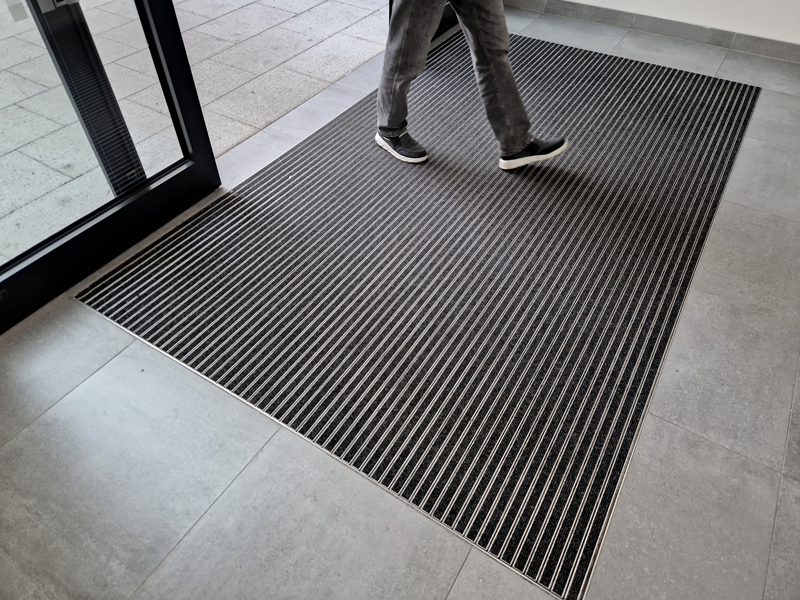
- Entrance Matting: Install at least 15 feet of high-quality walk-off mats to trap the abrasive grit that causes micro-scratches.
Frequently Asked Questions
Why does my floor look grey even after I mop it?
The greyness is often caused by the water itself or the soap residue left behind. As the water evaporates, it leaves behind minerals and surfactants that create a dull, ashy film on the surface of the oil finish.
Can I use vinegar and water on my oil-finished wood floors?
No, you should avoid vinegar as its acidity can break down the natural oils protecting the wood. Over time, this leads to permanent dehydration and a significant increase in the “ashy” appearance you are trying to avoid.
How often should I apply maintenance oil?
In a residential setting, every 18-24 months is usually sufficient, but commercial spaces like hotels or retail stores should apply maintenance oil every 6-12 months to counteract the wear from heavy foot traffic.
Is an oil-finished floor better than a urethane-finished floor?
Oil finishes offer a more natural look and are easier to spot-repair without sanding the entire room. However, they require more frequent maintenance (re-oiling) to prevent the wood from turning grey or drying out compared to urethane.
Related Reading
For a comprehensive overview of this topic, see our The Complete Guide to Commercial Floor Maintenance and Restoration in 2026: Everything You Need to Know.
You may also find these related articles helpful:
– How to Remove Yellow Wax Buildup from VCT Floors: 6-Step Guide 2026
– High-Solids Floor Finish vs. Semi-Permanent Floor Coatings: Which Is Better for High-Traffic Retail Corridors? 2026
– Best Slip-Resistant Floor Treatments for Senior Living: 5 Top Picks 2026
Frequently Asked Questions
Why is my oil-finished wood floor turning grey?
The ashy appearance is typically caused by wood dehydration or a buildup of soap residue and hard water minerals. When the natural oils in the wood evaporate or are stripped by harsh cleaners, the wood fibers become “thirsty” and lose their rich color, resulting in a greyish hue.
Does regular mopping cause the ashy look?
Traditional wet mopping can be detrimental if too much water is used or if the cleaner has a high pH. Excessive water can lead to mineral deposits (limescale), while alkaline cleaners strip the protective oil finish, leaving the wood vulnerable and dull.
How do I get rid of the grey film on my wood floors?
To restore the color, you should deep-clean the floor with a pH-neutral intensive cleaner and then apply a manufacturer-approved maintenance oil. This re-saturates the wood fibers and removes the cloudy film, bringing back the natural warmth of the wood.
Can I use vinegar to clean oil-finished wood?
No, vinegar is acidic and can eat away at the natural oil finish. This accelerates the dehydration process and will eventually lead to more significant greying and potential damage to the wood grain.
Stay Updated!
Sign up for email updates and stay in the loop about about our services and promotions.
We’re here to answer any questions you have about our commercial floor cleaning, restoration, and maintenance services.
Get a Free Quote Today!
Scher Flooring Services is a locally and family owned and operated commercial floor cleaning, maintenance and restoration company in business for over 25 years.
"*" indicates required fields